Skip to content
contact@fairviewphysiotheraapy.com
Fast & Discrete Delivery Save up to 80%
In stock Tenormin
Hypertension

Tenormin

Tenormin helps slow the heart and reduce its workload in people with high blood pressure or stable angina. Its active ingredient, atenolol, lowers the heart’s oxygen demand during each beat.

Guaranteed quality Original product
Delivery: from 4 days Discreet shipping
24/7 Support Always available
Active ingredient: Atenolol
Select dosage:
Select pack Package Per unit Price
$ 8.30 $ 116.13
$ 5.99 $ 232.26 $ 167.58 Save 28%
$ 2.76 $ 464.52 $ 154.35 Save 67%
$ 2.29 $ 696.78 $ 192.57 Save 72%
Free Regular Delivery $ 2.19 $ 1,161.30 $ 307.23 Save 74%
Best value Free Express Delivery $ 1.43 $ 2,903.25 $ 499.80 Save 83%
$ 8.19 $ 114.66
$ 5.15 $ 229.32 $ 144.06 Save 37%
$ 2.84 $ 458.64 $ 158.76 Save 65%
$ 2.43 $ 687.96 $ 204.33 Save 70%
Free Regular Delivery $ 2.30 $ 1,146.60 $ 321.93 Save 72%
Best value Free Express Delivery $ 1.30 $ 2,866.50 $ 454.23 Save 84%
Free Express Delivery $ 60.90 $ 852.60
Free Express Delivery $ 21.32 $ 1,705.20 $ 596.82 Save 65%
Free Regular Delivery $ 7.09 $ 3,410.40 $ 396.90 Save 88%
Free Regular Delivery $ 4.36 $ 5,115.60 $ 366.03 Save 93%
$ 1.96 $ 8,526.00 $ 274.89 Save 97%
Best value $ 0.61 $ 21,315.00 $ 213.15 Save 99%

Free delivery on orders from $ 294.00, free express delivery from $ 441.00

Secure payment methods:
VISA AMEX JCB DISCOVER

Tenormin helps slow the heart and reduce its workload in people with high blood pressure or stable angina. Its active ingredient, atenolol, lowers the heart’s oxygen demand during each beat.

Overview

Atenolol, the active ingredient of Tenormin, is a cardioselective beta-blocker used for high blood pressure and stable angina.

How it affects the body

Tenormin contains atenolol, a beta-1 adrenergic receptor blocker. Beta-1 receptors are found mainly in cardiac tissue. When adrenaline stimulates these receptors, the heart beats faster and more forcefully. Atenolol limits that response.

The result is a slower heart rate, reduced force of contraction, and lower blood pressure. The heart also requires less oxygen.

Formulation

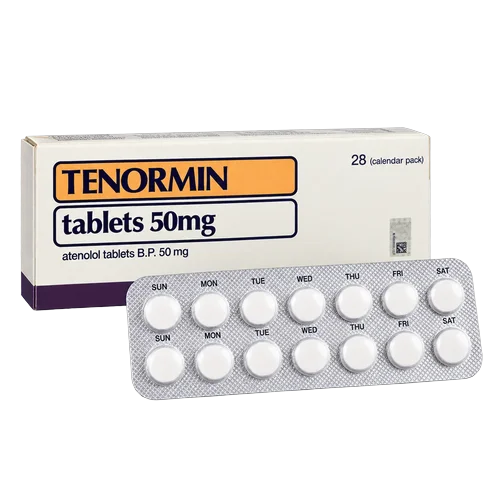
Tenormin contains atenolol as its active ingredient. Atenolol is a cardioselective beta-blocker used for high blood pressure and stable angina. The product is supplied as tablets, with the pack marked Tenormin and atenolol tablets B.P.

Dosage and administration

The Tenormin tablet is taken orally. The regimen for the chosen strength should be confirmed with a healthcare professional before starting, because the appropriate schedule varies between hypertension, angina, rhythm-related symptoms, and other cardiovascular uses.

Practical administration points include:

  • Take the tablet at the same time each day.
  • Swallow it with water.
  • Take it consistently with regard to meals.
  • Do not double the next dose after a missed dose.
  • If a missed dose is remembered near the next scheduled dose, skip the missed dose and return to the usual schedule.
  • Do not stop atenolol suddenly unless a prescriber gives a specific plan.

Abrupt withdrawal can increase sympathetic stimulation and may worsen angina or raise cardiovascular risk, especially in people with coronary artery disease. A gradual reduction is usually used when treatment needs to end. The Canadian product information and FDA prescribing information both describe the need for care during discontinuation [2].

Do not stop Tenormin after several symptom-free weeks. The absence of palpitations or chest discomfort may mean the beta-blocker is controlling the trigger, not that the underlying tendency has disappeared.

Reasons not to use it

Specific situations requiring avoidance or specialist assessment include:

  • Marked bradycardia
  • Second- or third-degree heart block without a functioning pacemaker
  • Sick sinus syndrome
  • Cardiogenic shock
  • Uncontrolled or acute decompensated heart failure
  • Severe hypotension
  • Active bronchospasm or poorly controlled asthma
  • Significant kidney impairment requiring dose adjustment

Drug interactions

Atenolol can have additive effects with medicines that slow heart rate, blood pressure, or electrical conduction. Important examples include:

  • Diltiazem and verapamil: may increase bradycardia, low blood pressure, atrioventricular block, or reduced heart contractility.
  • Digoxin: can add to the slowing of atrioventricular conduction.
  • Clonidine: sudden clonidine withdrawal while taking a beta-blocker can produce a dangerous rise in blood pressure; the sequence of withdrawal must be planned.
  • Other antihypertensives: may produce excessive blood-pressure reduction.
  • Insulin and glucose-lowering medicines: atenolol can mask some symptoms of hypoglycemia.
  • Certain antiarrhythmics: may amplify conduction delay or reduced cardiac contractility.

When this is not for you

This medicine may not be suitable if you have had a serious reaction to beta-blockers, a very slow pulse, serious heart block, shock, uncontrolled heart failure, very low blood pressure, active wheezing, or significant kidney problems. Diabetes, circulation problems, thyroid disease, psoriasis, or depression should be discussed with a clinician because they may change monitoring and treatment selection.

Possible side effects

Atenolol is often tolerated well, though its intended cardiovascular effects can become excessive in some people. The most relevant problems involve a heart rate that becomes too slow, blood pressure that falls too far, or reduced exercise tolerance.

Possible effect What it may feel like Practical response
Bradycardia Unusual fatigue, dizziness, faintness, or a very slow pulse Obtain prompt clinical advice, especially with fainting or chest symptoms
Hypotension Light-headedness when standing, weakness, or blurred vision Sit or lie down and have blood pressure assessed
Bronchospasm Wheezing, chest tightness, or shortness of breath Seek urgent assessment if breathing becomes difficult

Other reported effects include cold hands or feet, tiredness, sleep disturbance, vivid dreams, nausea, diarrhoea, and erectile difficulties. Some people notice reduced exercise capacity because the heart cannot increase its rate as quickly during exertion.

Atenolol can mask some physical warning signs of low blood glucose, including a rapid heartbeat. People using insulin or medicines that lower glucose need a clear plan for glucose monitoring. The drug can also complicate recognition of worsening heart failure if swelling, breathlessness, or sudden weight gain is attributed only to tiredness.

Hemodynamic effects and respiratory risks

Bradycardia means a slower-than-expected heart rate. Hypotension means blood pressure has fallen enough to cause symptoms or create concern. These effects are more likely to matter after starting treatment, increasing the dose, or combining atenolol with another medicine that slows cardiac conduction.

Bronchospasm is tightening of the airway muscles. Atenolol is beta-1 selective at usual doses, but selectivity is not absolute. Higher exposure can affect beta-2 receptors in the lungs, so asthma, a history of bronchospasm, or chronic obstructive lung disease requires careful clinical assessment. Health Canada’s product monograph for atenolol supports caution in patients with reactive airway disease [2].

A new wheeze should not be dismissed as a routine cold when atenolol has recently been started or increased. Breathing difficulty, fainting, or chest pain requires urgent medical attention.

Therapeutic indications

Atenolol, the active ingredient of Tenormin, is a cardioselective beta-blocker used for high blood pressure and stable angina.

The result is a slower heart rate, reduced force of contraction, and lower blood pressure. The heart also requires less oxygen, which explains atenolol’s role in managing stable angina, a form of chest pain caused by an imbalance between the heart’s oxygen needs and supply. Health Canada recognizes atenolol’s cardiovascular use, while the World Health Organization includes beta-blockers among established antihypertensive treatment options [1].

Atenolol can:

  • Reduce resting and exercise-related heart rate
  • Lower cardiac output and blood pressure
  • Decrease myocardial oxygen demand
  • Reduce the frequency of exertional angina in suitable patients
  • Reduce the physical effects of adrenaline, such as palpitations and tremor

Comparison

Atenolol is one option within a larger group of cardiovascular treatments. The best choice depends on the treatment goal, kidney function, lung disease, rhythm, blood pressure pattern, and other medicines.

Active ingredient or class Main distinction Common clinical role
Atenolol Cardioselective beta-blocker; mainly renal clearance Hypertension, angina, and selected rate-control situations
Metoprolol Cardioselective beta-blocker; greater hepatic metabolism Hypertension, angina, selected heart-failure or rhythm plans
Amlodipine Calcium-channel blocker; does not slow the heart in the same way Hypertension and angina when beta-blockade is unsuitable

Bisoprolol is another cardioselective beta-blocker and may be selected when a longer, more sustained beta-1 effect is desired. Propranolol blocks beta receptors less selectively and may have more relevance for migraine prevention, tremor, or certain performance-related physical symptoms, though lung disease can be a greater concern. Carvedilol blocks beta receptors and alpha-1 receptors, producing additional vasodilation and a different heart-failure treatment profile.

Atenolol’s renal elimination distinguishes it from drugs that rely more heavily on liver metabolism. Metoprolol and carvedilol may be preferable in some patients with reduced kidney function, while atenolol may require closer renal-based dose planning. Amlodipine does not usually produce the same degree of pulse slowing, which can make it useful when bradycardia is a concern, though ankle swelling is a recognised limitation.

Common mistakes

Several avoidable errors can reduce benefit or increase risk:

  • Stopping atenolol abruptly after blood pressure improves
  • Taking an extra tablet for a high reading without a treatment plan
  • Ignoring dizziness because the pulse does not feel unusually slow
  • Forgetting to mention asthma or previous bronchospasm
  • Taking atenolol with diltiazem, verapamil, or digoxin without coordinated monitoring
  • Missing doses repeatedly and then taking two tablets together
  • Assuming fatigue is unrelated when it began soon after treatment started
  • Failing to report fainting, new wheezing, ankle swelling, or worsening exercise intolerance
  • Measuring blood pressure immediately after caffeine, exertion, or emotional stress and treating that isolated reading as the usual level

One detail patients often miss is that a beta-blocker can blunt the heartbeat response to low blood sugar. Shakiness, sweating, confusion, and glucose readings deserve attention even when the pulse is not fast.

Keep a short record of the dose time, resting pulse, blood pressure, dizziness, breathing symptoms, and exercise tolerance. This gives the prescriber more useful information than one isolated high or low reading.

What doctors say

In clinical practice, physicians usually judge Tenormin by more than a single blood-pressure reading. Resting pulse, standing symptoms, exertional tolerance, kidney function, angina control, and the presence of wheezing all influence whether treatment is suitable.

A doctor would usually explain that atenolol controls cardiovascular stimulation but does not remove the underlying tendency toward hypertension or coronary disease. Consistent daily use matters. The drug may improve blood-pressure readings before a patient notices any difference in how they feel.

For older adults, clinicians often use a more cautious titration because slower drug clearance, dehydration, balance problems, and multiple medicines can increase dizziness or falls. NICE guidance on hypertension also supports individualised treatment decisions based on comorbidities and treatment response [3].

Common questions

Is Tenormin suitable for older adults?

Older adults can use atenolol when the cardiovascular indication and clinical assessment support it. Health Canada’s product information, referenced in 2024, highlights the relevance of renal function because atenolol is cleared mainly through the kidneys . Lower kidney clearance can increase exposure and make bradycardia or dizziness more likely. Blood pressure, pulse, hydration, kidney function, and fall risk are useful parts of follow-up. Follow-up timing should reflect the patient’s response and renal function.

What should I do after missing a Tenormin dose?

Take the missed tablet when remembered unless the next scheduled dose is close. In that situation, skip the missed dose and resume the regular schedule rather than taking two tablets together. The FDA Tenormin prescribing information, current in its 2022 revision, gives this missed-dose principle and warns against unsupervised dose changes . Repeated missed doses should be discussed as a scheduling problem, not corrected with extra tablets.

How does Tenormin differ from metoprolol?

Both atenolol and metoprolol are cardioselective beta-blockers that reduce heart rate and cardiac workload. Atenolol relies mainly on renal elimination, while metoprolol undergoes more hepatic metabolism, so kidney and liver conditions can influence the choice. The FDA Tenormin prescribing information, revised in 2022, describes the need to consider pharmacokinetics and comorbidities when selecting therapy . Neither medicine should be switched at an equivalent tablet strength without a specific clinical plan.

Which condition rules out Tenormin?

Active cardiogenic shock, severe bradycardia, significant heart block without pacing, or acute decompensated heart failure can rule out atenolol. Severe bronchospasm is also a major concern because beta-blockade can worsen airway narrowing. Health Canada identifies these cardiovascular and respiratory risks in its 2024 product information . A history of asthma does not always produce the same decision in every patient, but active wheezing requires prompt clinical assessment.

Can people under 18 use Tenormin?

Use in people under 18 requires a specific paediatric indication and specialist-directed dosing. Atenolol is not automatically appropriate for a child or teenager simply because an adult family member takes it. The WHO hypertension guidance published in 2021 focuses its main adult recommendations on adults and does not support casual transfer of adult regimens to children [4]. A tablet strength intended for an adult should not be used as an improvised paediatric dose.

Can I drink alcohol while using Tenormin?

Alcohol can add to dizziness, light-headedness, and impaired concentration caused by lower blood pressure or a slower pulse. Health Canada’s 2024 product information advises attention to these additive effects when atenolol is used with substances that depress alertness or lower blood pressure . Avoid driving or hazardous activity if alcohol and atenolol make you unsteady. Heavy alcohol intake can also make blood-pressure control less predictable.

Do you offer anonymous delivery?

Your order will be securely packed and shipped within 24 hours. This is exactly what your package will look like (images of an actual item sent). It has the size and look of a regular private letter (24x11x0.7 cm) and its contents cannot be seen.

Comparison

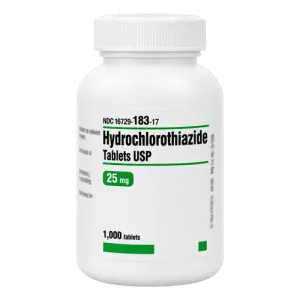
Hydrochlorothiazide

Active ingredient: Hydrochlorothiazide
25mg 12.5mg
From $ 122.01
pills
3.5 (3)

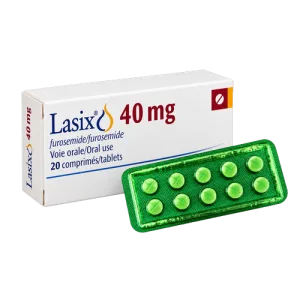
Lasix

Active ingredient: Furosemide
100mg 40mg
From $ 111.72
pills
4.1 (5)

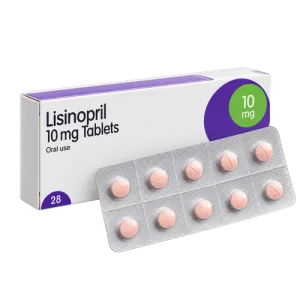
Lisinopril

Active ingredient: Lisinopril
10mg 2.5mg 5mg
From $ 138.18
pills
3.7 (5)

Micardis

Active ingredient: Telmisartan
20mg 40mg
From $ 132.30
pills
4.4 (4)

Prazosin

Active ingredient: Prazosin
5mg
From $ 173.46
pills
3.7 (3)

Comparison table: Hypertension

Sources

  1. Health Canada (2024). Product Monograph: TENORMIN (atenolol).
  2. U.S. Food and Drug Administration (2022). TENORMIN (atenolol) Prescribing Information.
  3. National Institute for Health and Care Excellence (2023). Hypertension in adults: diagnosis and management, NG136.
  4. World Health Organization (2021). Guideline for the pharmacological treatment of hypertension in adults.

How Buyers Rate Tenormin

Based on 5 reviews

Jack, 37 Verified
Rating: 4 out of 5

I used the 50 mg tablet for blood-pressure control. After several weeks, my readings were steadier and I no longer noticed the pounding heartbeat I had during stressful workdays. I was satisfied with the result and found the once-daily routine easy to maintain.

Thunder Bay Several weeks Nov 7, 2026
Daniel D., 65 Verified
Rating: 3.5 out of 5

Tenormin reduced my chest tightness during walks, but the improvement took time. I felt more tired during the first part of treatment and needed my regimen reviewed before settling into a routine. It helped, though the benefit was not immediate.

Moncton The first part of treatment Oct 11, 2026
Christopher, 59 Verified
Rating: 4 out of 5

My pulse and blood pressure became more consistent after I started atenolol. I had been bothered by a racing feeling in the evenings, and that settled noticeably. The tablet fitted easily into my morning routine.

Red Deer Oct 18, 2026
Ian, 55 Verified
Rating: 3 out of 5

The medicine lowered my readings, but I felt light-headed when standing during the first weeks. The symptoms improved after the treatment plan was reviewed, although I still noticed less exercise capacity than before. It was useful, but not effortless.

Regina The first weeks Oct 28, 2026
Ryan A., 63 Verified
Rating: 5 out of 5

Tenormin helped reduce the pressure readings that had been high at home and in the clinic. After I established a regular schedule, I felt more confident during normal daily activity. The treatment gave me a clear, practical routine.

Quebec City Oct 14, 2026
Get our free app Shop faster and track your orders 4.0 · 402 reviews Install