Skip to content
contact@fairviewphysiotheraapy.com
Fast & Discrete Delivery Save up to 80%
In stock Prazosin
Hypertension

Prazosin

Prazosin lowers vascular resistance by blocking alpha-1 adrenergic receptors in blood-vessel walls. Prazosin capsules are prescribed mainly for high blood pressure and related cardiovascular…

Guaranteed quality Original product
Delivery: from 4 days Discreet shipping
24/7 Support Always available
Active ingredient: Prazosin
Select pack Package Per unit Price
$ 5.78 $ 173.46
$ 4.85 $ 346.92 $ 291.06 Save 16%
Free Regular Delivery $ 4.52 $ 520.38 $ 407.19 Save 22%
Free Express Delivery $ 4.37 $ 693.84 $ 524.79 Save 24%
Free Express Delivery $ 4.21 $ 1,040.76 $ 757.05 Save 27%
Free Express Delivery $ 4.11 $ 1,561.14 $ 1,108.38 Save 29%
Best value Free Express Delivery $ 4.06 $ 2,081.52 $ 1,462.65 Save 30%

Free delivery on orders from $ 294.00, free express delivery from $ 441.00

Secure payment methods:
VISA AMEX JCB DISCOVER

Prazosin lowers vascular resistance by blocking alpha-1 adrenergic receptors in blood-vessel walls. Prazosin capsules are prescribed mainly for high blood pressure and related cardiovascular conditions, with the regimen selected according to the patient’s response. The same mechanism can cause dizziness, especially after the first dose or when standing.

Overview

Prazosin contains prazosin hydrochloride, an alpha-1 adrenergic blocker in the antihypertensive drug family. It is classified under the WHO Anatomical Therapeutic Chemical system as C02CA01, within the group of alpha-adrenoreceptor antagonists used for blood-pressure treatment [1].

How it affects the body

The active substance reduces the effect of norepinephrine on alpha-1 receptors. These receptors normally tighten vascular smooth muscle. Blocking them allows the blood vessels to relax, reducing systemic vascular resistance and helping blood move through the circulation with less pressure.

Norepinephrine acts like a signal that narrows blood vessels. Prazosin interrupts that signal at alpha-1 receptors. The vessel wall relaxes, the internal channel becomes less constricted, and blood pressure can decrease.

This mechanism differs from medicines that reduce blood pressure through fluid loss, changes in the renin-angiotensin system, or slowing of cardiac activity.

Formulation

Prazosin contains prazosin hydrochloride, an alpha-1 adrenergic blocker in the antihypertensive drug family. It is classified under the WHO Anatomical Therapeutic Chemical system as C02CA01, within the group of alpha-adrenoreceptor antagonists used for blood-pressure treatment [1].

The active substance reduces the effect of norepinephrine on alpha-1 receptors. These receptors normally tighten vascular smooth muscle. Blocking them allows the blood vessels to relax, reducing systemic vascular resistance and helping blood move through the circulation with less pressure.

Prazosin is supplied as an oral capsule. The prescribed regimen for the chosen strength should be confirmed with a healthcare professional before treatment begins.

Active ingredient profile

Prazosin hydrochloride is the salt form used to deliver prazosin. After oral administration, prazosin acts mainly on peripheral alpha-1 receptors in vascular smooth muscle. Its action does not depend on increasing heart rate as the primary mechanism, although reflex changes in pulse can occur when blood pressure falls.

The first dose is often scheduled at bedtime because dizziness or faintness can be stronger when prazosin treatment begins.

Dosage and administration

Prazosin capsules are taken by mouth according to the prescribed regimen. The starting regimen is selected by a healthcare professional, and the amount may be adjusted gradually in response to blood-pressure readings and tolerability.

  • Take the capsule at the scheduled time.
  • Swallow it with water.
  • Take it consistently in relation to meals unless the prescriber gives different instructions.
  • Rise slowly from bed or a chair during the first days of treatment and after dose changes.
  • If a dose is missed, take it when remembered unless the next scheduled dose is near; do not double the next dose.
  • If several doses are missed, obtain specific restart instructions because returning directly to a previous regimen can increase dizziness.

The first-dose effect can occur even when the prescribed amount is appropriate. It reflects a rapid reduction in vascular tone before the body has adapted to the change in blood pressure.

Avoid driving, climbing ladders, or operating machinery until you know how prazosin affects your balance and alertness.

A common practical mistake is taking the first dose immediately before an activity that requires standing for a long time. Another is stopping treatment after one dizzy episode without discussing whether the timing, dose, hydration, or other medicines contributed.

Reasons not to use it

  • Previous serious allergy to prazosin or a related alpha-1 blocker.
  • A history of fainting or severe postural hypotension.
  • Severe dehydration, recurrent vomiting, or diarrhoea.
  • Current use of several medicines that lower blood pressure.
  • Use of medicines for erectile dysfunction, which can produce an excessive blood-pressure drop when combined with alpha-1 blockade.
  • Pregnancy or breastfeeding, where the expected benefit and potential risk require individual assessment.
  • Sickle cell anemia, multiple myeloma, or leukemia, because of the relevance to priapism risk.
  • Significant kidney, liver, or heart disease requiring a tailored regimen.

Medicines that can intensify hypotension include diuretics, other antihypertensives, nitrates, certain medicines for erectile dysfunction, and some drugs used for anxiety or sleep. Alcohol can worsen faintness and coordination problems.

When this is not for you

Prazosin is NOT for you if you have recurrent fainting, severe postural hypotension, or a combination of medicines that makes further blood-pressure reduction unsafe.

Tell the prescriber about every prescription medicine, non-prescription medicine, and supplement being used. A complete list is more useful than naming only medicines taken every day, because occasional products can also affect blood pressure.

Possible side effects

Dizziness and lightheadedness are the most characteristic early effects of prazosin. They are linked to reduced vascular tone and may become more noticeable when standing up quickly. Mild abdominal discomfort can also occur.

Possible effect Why it happens Practical response
Dizziness or lightheadedness Blood pressure falls, especially after standing Sit or lie down, rise slowly, and report repeated episodes
Weakness or headache Early adjustment to lower vascular resistance Record timing and severity for the prescriber
Abdominal discomfort or nausea Gastrointestinal intolerance Taking the capsule consistently with regard to meals may help
Palpitations or faster pulse Reflex response to vessel relaxation Persistent or severe symptoms need prompt assessment

The Canadian product information and FDA prescribing information describe hypotension, syncope, dizziness, weakness, headache, and gastrointestinal symptoms among reported reactions [3]. The risk is often greatest at treatment initiation or after an increase.

A fall in blood pressure can be more serious in older adults, people who are dehydrated, or patients taking several medicines that lower pressure. Alcohol can intensify dizziness and impaired coordination.

If lightheadedness appears, sit or lie down immediately rather than trying to walk through it. Note whether it followed the dose, a hot shower, exercise, alcohol, or a long period without fluids.

Rarely, an allergic reaction may cause swelling of the face or throat, breathing difficulty, or widespread hives. Those symptoms require urgent medical attention.


Therapeutic indications

Prazosin is primarily used to manage high blood pressure. By relaxing arteries and veins, it lowers the resistance against which the heart pumps. Health Canada product information identifies prazosin as an oral prescription treatment for hypertension and describes postural blood-pressure changes as a key safety consideration [2].

The drug can also be selected when a clinician wants alpha-1 blockade for a patient with a specific cardiovascular profile. It may be used alone or alongside other antihypertensive medicines, although combined treatment can increase the chance of low blood pressure.

Prazosin does not remove the underlying causes of hypertension. Its benefit depends on regular use and an appropriate treatment plan. Blood pressure may improve before a patient feels any different, so the absence of symptoms does not prove that treatment is unnecessary.

Comparison

Prazosin belongs to the alpha-1 blocker category. Other antihypertensive categories act through different biological pathways.

Treatment approach Main action Practical limitation
Prazosin and other alpha-1 blockers Relax vascular smooth muscle by blocking alpha-1 receptors Postural dizziness and first-dose faintness can occur
Renin-angiotensin system blockers Reduce angiotensin-driven vessel narrowing and fluid retention Kidney function and potassium may require monitoring
Beta blockers Reduce selected effects of adrenaline on the heart and circulation May affect pulse, exercise tolerance, or airway symptoms

Prazosin may be considered when alpha-1 blockade fits the patient’s treatment needs. A renin-angiotensin system blocker may be favoured when kidney or cardiac indications support that approach. A beta blocker may be selected when heart-rate control is also required.

Common mistakes

Several avoidable habits can make prazosin harder to tolerate:

  • Taking the first capsule in the morning before a day of errands or physical work.
  • Standing quickly after sleeping.
  • Drinking alcohol during the adjustment period.
  • Continuing strenuous exercise despite repeated lightheadedness.
  • Adding another blood-pressure product without reporting it.
  • Stopping after one dizzy episode without discussing the event.
  • Doubling the next dose after a missed capsule.
  • Failing to mention erectile-dysfunction medicines or recreational substances.
  • Ignoring repeated near-fainting because no complete loss of consciousness occurred.

One subtle mistake is judging the treatment only by a single blood-pressure reading. Blood pressure changes throughout the day, and readings taken after rest, exercise, caffeine, stress, or a dose may not be directly comparable.

Another is assuming that a capsule causing dizziness must be taken on an empty stomach to “make it work faster.” The safer approach is consistent administration under the regimen selected by the prescriber.

What doctors say

In clinical practice, doctors often focus first on the transition from sitting or lying to standing. The patient’s blood-pressure reading matters, but symptoms and fall risk matter just as much. Orthostatic readings can add useful context. A symptom diary may reveal whether episodes follow dosing or standing. These observations support safer dose decisions.

A physician applying Health Canada and EMA pharmacovigilance principles will usually ask when dizziness occurs, how long it lasts, whether fainting occurred, and whether another medicine or dehydration preceded it. These details help distinguish a manageable adjustment effect from excessive blood-pressure reduction.

Prazosin works through a clear receptor mechanism, yet response varies. Some patients experience useful pressure reduction with tolerable symptoms; others require a different class because lightheadedness persists. The treatment plan may need adjustment rather than abrupt discontinuation.

A practical clinical point is that a patient may report feeling well while blood pressure remains high. Hypertension commonly has few noticeable symptoms, so treatment decisions rely on measured readings and medical review rather than on how energetic a person feels.

Common questions

Which symptoms mean stopping prazosin and seeking urgent medical care?

Fainting, severe breathing difficulty, facial or throat swelling, chest pain, and an erection lasting four hours or longer require urgent medical attention. Health Canada (2025) safety information identifies severe hypotension and syncope as clinically significant concerns with prazosin. A painful prolonged erection can damage erectile tissue, so emergency assessment should not be delayed. Do not take another dose until urgent medical advice addresses the event.

Can prazosin be taken with food or on an empty stomach?

Prazosin can be taken orally with attention to a consistent routine around meals. FDA (2023) prescribing information describes oral administration and emphasizes careful initiation because blood-pressure reduction can be pronounced early in treatment. Health Canada information also supports following the prescribed schedule rather than changing meal timing to alter the effect. If nausea or abdominal discomfort occurs, record the relationship to food and discuss it during medication review.

How soon can the effect of prazosin become noticeable?

The blood-pressure-lowering effect can begin after oral absorption, while the full practical response may require adjustment over subsequent days. Clinical pharmacology information reviewed by the WHO (2025) describes prazosin as a short-acting alpha-1 antagonist whose effects are linked to receptor blockade rather than fluid removal. A patient may notice dizziness before the intended blood-pressure benefit is fully assessed. Home readings taken at consistent times provide more useful information than one isolated result.

Which condition can rule prazosin out?

A previous serious allergic reaction to prazosin is a clear reason to avoid further exposure. Health Canada (2025) product information also makes severe postural hypotension a central safety concern, so a history of recurrent fainting requires careful assessment before treatment. Priapism-related conditions, including sickle cell anemia, multiple myeloma, and leukemia, also require explicit discussion. The prescriber must weigh these risks against the intended cardiovascular benefit.

What should be discussed with a doctor before starting prazosin?

Provide a complete list of medicines, with special attention to other blood-pressure treatments, nitrates, diuretics, and medicines for erectile dysfunction. The FDA (2023) label highlights additive hypotension with several interacting treatment categories, while Health Canada (2025) information focuses on first-dose syncope and postural symptoms. Mention fainting, falls, dehydration, kidney disease, liver disease, heart disease, pregnancy, breastfeeding, and blood disorders. The regimen for the chosen strength should be confirmed with a healthcare professional before the first capsule.

Can prazosin cause decreased sexual ability?

Prazosin can cause sexual side effects, including decreased sexual ability, although this is not experienced by every patient. WHO (2025) pharmacological information places prazosin among alpha-1 blockers, and changes in vascular tone can influence sexual function in either direction depending on the individual. Priapism is rare but urgent, especially in people with sickle cell anemia, multiple myeloma, or leukemia. Report a persistent change in sexual function or any prolonged erection promptly.

Do you offer anonymous delivery?

Your order will be securely packed and shipped within 24 hours. This is exactly what your package will look like (images of an actual item sent). It has the size and look of a regular private letter (24x11x0.7 cm) and its contents cannot be seen.

Comparison

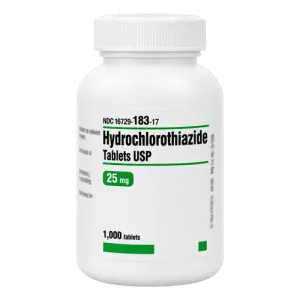
Hydrochlorothiazide

Active ingredient: Hydrochlorothiazide
25mg 12.5mg
From $ 122.01
pills
3.5 (3)

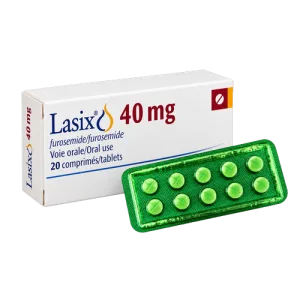
Lasix

Active ingredient: Furosemide
100mg 40mg
From $ 111.72
pills
4.1 (5)

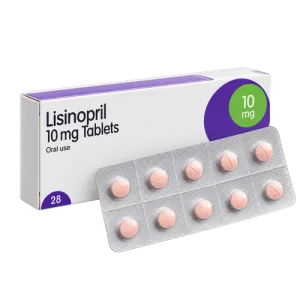
Lisinopril

Active ingredient: Lisinopril
10mg 2.5mg 5mg
From $ 138.18
pills
3.7 (5)

Micardis

Active ingredient: Telmisartan
20mg 40mg
From $ 132.30
pills
4.4 (4)

Prazosin Current

Active ingredient: Prazosin
5mg
From $ 173.46
pills
3.7 (3)

Comparison table: Hypertension

Cardiovascular risks and orthostatic hypotension

Orthostatic hypotension means a blood-pressure drop after moving from lying or sitting to standing. Prazosin can cause this because alpha-1 receptors help maintain vascular constriction when the body changes position.

The first-dose effect is the clearest example. A person may feel faint several hours after the initial capsule, especially after getting out of bed. Symptoms can include blurred vision, weakness, sweating, nausea, or collapse.

Clinicians reduce this risk by starting cautiously, using bedtime administration when appropriate, reviewing other blood-pressure medicines, and checking the patient’s response before increasing the regimen. Dehydration, fever, vomiting, diarrhoea, and heavy alcohol intake can make the effect stronger.

Keep both feet on the floor for a moment before standing, then pause again after standing. This simple habit gives the circulation time to adjust.

Seek urgent medical care after fainting, chest pain, severe shortness of breath, new confusion, or a sustained irregular heartbeat. A single mild episode of dizziness still deserves attention when it repeats or interferes with walking.

Rare urological effects and priapism risk

Prazosin has been associated rarely with priapism, a prolonged and sometimes painful erection that is unrelated to sexual stimulation. This is a medical emergency because delayed treatment can cause permanent erectile tissue damage.

Patients with sickle cell anemia, multiple myeloma, or leukemia may have a higher baseline risk of priapism. Other medicines and blood disorders can also contribute. Decreased sexual ability has been reported, although sexual effects vary between individuals.

An erection lasting four hours or longer requires emergency treatment, even if pain is limited. Do not wait for the symptom to resolve on its own and do not take additional doses to counteract it.

Sources

  1. World Health Organization Collaborating Centre for Drug Statistics Methodology (2025). ATC/DDD Index: C02CA01 Prazosin.
  2. Health Canada (2025). Drug Product Database: Prazosin hydrochloride product information.
  3. U.S. Food and Drug Administration (2023). Prazosin hydrochloride prescribing information.

How Buyers Rate Prazosin

Based on 3 reviews

Christopher, 39 Verified
Rating: 4 out of 5

I took 1 mg nightly for two months for blood-pressure control and noticed a clear, tangible improvement in my home readings. The treatment became easy to fit into my routine.

Vancouver Two months Nov 6, 2026
Michael, 43 Verified
Rating: 2.5 out of 5

I took 1 mg nightly for one week, but prazosin did not lower my readings enough to meet the target. I felt lightheaded when standing, and the dizziness was bothersome enough that I stopped after discussing it with my doctor and moved to a different plan.

Nanaimo One week Oct 11, 2026
Richard F., 30 Verified
Rating: 4.5 out of 5

I took 1 mg nightly for three months and noticed a clear benefit. My evening readings were more consistent, and I found the capsules straightforward to take without disrupting work.

Charlottetown Three months Oct 24, 2026
Get our free app Shop faster and track your orders 4.0 · 402 reviews Install