Skip to content
contact@fairviewphysiotheraapy.com
Fast & Discrete Delivery Save up to 80%
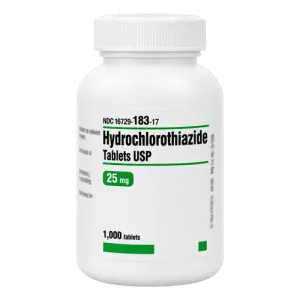
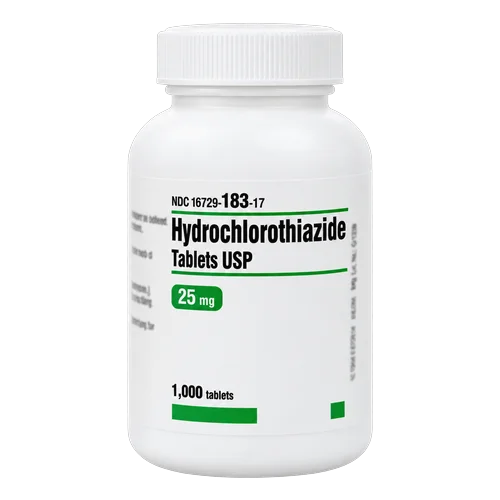
In stock Hydrochlorothiazide
Hypertension

Hydrochlorothiazide

Adults with hypertension or fluid retention may be prescribed Hydrochlorothiazide, a thiazide diuretic used in cardiovascular care. It helps the kidneys remove excess sodium and water, lowering blood…

Guaranteed quality Original product
Delivery: from 4 days Discreet shipping
24/7 Support Always available
Active ingredient: Hydrochlorothiazide
Select dosage:
Select pack Package Per unit Price
$ 1.68 $ 151.41
$ 1.57 $ 201.88 $ 188.16 Save 7%
$ 1.42 $ 302.82 $ 255.78 Save 16%
Free Regular Delivery $ 1.36 $ 454.23 $ 366.03 Save 19%
Best value Free Express Delivery $ 1.32 $ 605.64 $ 474.81 Save 22%
$ 4.07 $ 122.01
$ 3.45 $ 244.02 $ 207.27 Save 15%
$ 2.52 $ 366.03 $ 226.38 Save 38%
$ 2.18 $ 488.04 $ 261.66 Save 46%
Free Regular Delivery $ 1.96 $ 732.06 $ 352.80 Save 52%
Best value Free Express Delivery $ 1.75 $ 1,464.12 $ 629.16 Save 57%

Free delivery on orders from $ 294.00, free express delivery from $ 441.00

Secure payment methods:
VISA AMEX JCB DISCOVER

Adults with hypertension or fluid retention may be prescribed Hydrochlorothiazide, a thiazide diuretic used in cardiovascular care. It helps the kidneys remove excess sodium and water, lowering blood pressure and reducing swelling.

Overview

Hydrochlorothiazide, also called HCTZ, belongs to the thiazide diuretic class. It is used mainly as a diuretic and antihypertensive for high blood pressure, oedema, and fluid retention linked to selected heart, kidney, or liver conditions. The medicine acts through the kidneys rather than directly relaxing blood vessels.

How it affects the body

Hydrochlorothiazide reaches the kidney tubules through the bloodstream. It blocks the sodium-chloride cotransporter in the early distal convoluted tubule. Less sodium returns to the blood at this point, so more sodium and water remain in the urine.

The increased urine output lowers circulating fluid volume. Blood pressure then falls through several effects, including reduced plasma volume and lower vascular resistance during continued treatment. Potassium and magnesium can also be lost in the urine, while calcium excretion may decrease.

The effect is not limited to the first few hours after a dose. Blood pressure control depends on repeated use and the body’s longer-term adjustment to the lower fluid volume.

Health Canada describes hydrochlorothiazide products as prescription medicines requiring individualized dosing and monitoring [1].

Formulation

Hydrochlorothiazide is the active ingredient in this tablet medicine. It belongs to the thiazide diuretic class and acts through the kidneys to promote removal of excess sodium and water.

Dosage and administration

Hydrochlorothiazide is supplied as an oral tablet. It is swallowed with water, and the dose schedule depends on whether treatment is aimed at hypertension, oedema, or another clinically established use.

Product form Strength Main clinical use
Oral tablet As prescribed Hypertension or fluid retention

The tablet should be swallowed as directed. Do not alter the schedule independently when blood pressure improves, because the improvement may depend on continued treatment.

How much to use and how often to take it depend on the purpose of treatment and are agreed with a doctor or pharmacist. Hydrochlorothiazide is taken by mouth according to the prescribed plan.

  • Take the tablet at the same time each day.
  • Morning administration usually reduces nighttime urination.
  • Swallow it with water.
  • Take it with food if it causes stomach discomfort.
  • Keep fluid intake consistent unless a clinician has prescribed fluid restriction.
  • If a dose is missed, take it when remembered unless the next dose is near.
  • Skip the missed dose when the next scheduled dose is close.
  • Do not double the next dose.

The dose may be adjusted after reviewing blood pressure, swelling, kidney function, sodium, potassium, and other clinical results. Oedema treatment may use a different schedule from hypertension treatment, so a dosing plan for one condition should not be applied to another.

One practical detail is easy to miss: hydrochlorothiazide can continue increasing urination after the patient feels the tablet has “worn off.” Planning the dose around commuting, sleep, and access to washrooms can make treatment easier.

If morning dosing causes frequent urination during work, do not move the tablet to bedtime without medical direction. A prescriber may choose a different timing plan while preserving blood-pressure control.

Other hydrochlorothiazide strengths and combination products exist in clinical practice, yet they are separate prescriptions and should not be substituted for this product without a prescriber’s direction. The same active ingredient can appear under generic regulatory names, but the prescribed strength and dosing plan remain the details that control treatment.

Reasons not to use it

Hydrochlorothiazide is not suitable for everyone. This medication is not for you if you have had a serious allergic reaction to hydrochlorothiazide or a sulfonamide-related medicine, or if you cannot produce urine because of severe renal impairment. A history of severe electrolyte disturbance also requires careful assessment before treatment.

When this is not for you

Tell the prescriber about:

  • Kidney disease or reduced kidney function
  • Liver disease or cirrhosis
  • Gout or high uric acid
  • Diabetes
  • Lupus
  • Low sodium or potassium
  • Frequent fainting or low blood pressure
  • Previous severe sun reaction
  • Pregnancy or breastfeeding
  • Current use of lithium, digoxin, NSAIDs, diabetes medicines, or other diuretics

Alcohol can worsen dizziness and dehydration. A low-salt diet, vomiting, diarrhoea, fever, heavy sweating, or prolonged heat exposure can also magnify fluid loss.

Pregnancy decisions require individual assessment because treatment must balance maternal blood-pressure control with fetal and placental considerations. Hydrochlorothiazide passes into breast milk in small amounts, and the infant’s hydration and growth may need attention when treatment continues during breastfeeding. The EMA product information framework describes diuretic precautions related to pregnancy, lactation, renal function, and electrolyte balance [3].

Possible side effects

Hydrochlorothiazide can lower blood pressure and reduce swelling, but its diuretic action may also change body-fluid and electrolyte levels. The main risks involve dehydration, low sodium, low potassium, low magnesium, increased uric acid, and changes in glucose levels. The Canadian product information for hydrochlorothiazide identifies these reactions as clinically relevant monitoring concerns [2].

Common or clinically recognized effects include:

  • Increased urination
  • Dizziness, especially after standing
  • Headache
  • Weakness or tiredness
  • Dry mouth or thirst
  • Nausea or stomach discomfort
  • Muscle cramps
  • Sensitivity to sunlight
  • Changes in blood glucose or uric acid

Low potassium can cause muscle weakness, cramps, constipation, palpitations, or an irregular heartbeat. Low sodium may present with headache, confusion, unusual drowsiness, nausea, or unsteadiness. Severe dehydration can lead to marked thirst, faintness, very low urine output, or worsening kidney function.

Hydrochlorothiazide may increase uric acid and trigger gout in susceptible people. It can also raise blood glucose, which matters for people with diabetes or prediabetes. People with a history of lupus may experience increased photosensitivity or disease activity.

Skin reactions deserve attention. A new widespread rash, blistering, peeling skin, facial swelling, or breathing difficulty requires urgent medical assessment. Decreased urination, fainting, severe weakness, confusion, or an irregular heartbeat also require prompt attention.

A useful monitoring detail is that muscle cramps do not automatically mean dehydration alone. They can reflect a potassium or magnesium change, so replacing electrolytes independently may be inappropriate when kidney function or other medicines are involved.

Use sun protection during treatment. Hydrochlorothiazide can increase photosensitivity, and repeated sun exposure can cause an unexpectedly strong reaction even when previous sun exposure was tolerated.

Therapeutic indications

It is used mainly as a diuretic and antihypertensive for high blood pressure, oedema, and fluid retention linked to selected heart, kidney, or liver conditions. Hydrochlorothiazide is part of the cardiovascular therapeutic category because controlling excess fluid and blood pressure reduces strain on the heart and circulation.

Comparison

Hydrochlorothiazide is a single-ingredient thiazide diuretic used by mouth. Its approach differs from medicines that lower blood pressure through other mechanisms because it works through the kidneys to remove excess sodium and water, helping reduce fluid retention and blood pressure.

Common mistakes

Several practical mistakes can reduce benefit or increase harm:

  • Taking the tablet at night and then attributing sleep disruption to insomnia.
  • Stopping treatment as soon as blood pressure readings improve.
  • Doubling a missed dose.
  • Drinking excessive fluids despite a prescribed fluid restriction.
  • Using potassium supplements without checking kidney function and interacting medicines.
  • Ignoring cramps, confusion, faintness, or very low urine output.
  • Taking frequent ibuprofen or naproxen without considering kidney and blood-pressure effects.
  • Failing to mention hydrochlorothiazide before blood tests or treatment for gout.
  • Remaining in strong sunlight without protection.
  • Measuring blood pressure immediately after exercise, caffeine, or smoking and treating that reading as the usual level.

A home blood-pressure log is most useful when readings are taken under similar conditions. Record the time, the reading, and symptoms such as dizziness or palpitations.

Stand up slowly during the first days of treatment or after a dose change. A brief pause at the edge of the bed can reduce falls caused by postural blood-pressure drops.

What doctors say

In clinical practice, doctors often treat hydrochlorothiazide as a medicine that needs measurable follow-up rather than a tablet judged by how often the patient urinates. Urine output may increase quickly, while the full blood-pressure response develops over continued treatment.

A prescriber usually reviews home blood-pressure readings, dizziness, swelling, kidney function, sodium, potassium, and uric acid when relevant. The dose may be changed when the patient becomes dehydrated, develops gout, starts an NSAID, or adds another blood-pressure medicine.

Older adults and people with kidney disease can be more sensitive to fluid shifts. A modest dose change may produce a marked change in standing blood pressure or kidney results. The WHO’s model guidance on cardiovascular risk management supports regular assessment of blood pressure and treatment-related factors rather than relying on symptoms alone [4].

Hydrochlorothiazide does not remove the need for lifestyle measures. Sodium intake, body weight, physical activity, diabetes control, and adherence to the wider treatment plan can all influence blood pressure.

Common questions

Can hydrochlorothiazide affect driving, concentration, or work with machinery?

Dizziness, light-headedness, blurred vision, weakness, or low blood pressure can impair driving and machinery work, especially after starting treatment or changing the dose. Canadian prescribing information recognises these effects as possible consequences of diuresis and blood-pressure reduction. Health Canada product information (2024) supports assessing personal response before performing safety-sensitive tasks. Avoid driving until you know that the tablet does not cause these symptoms. A clinician can review symptoms and blood pressure before you resume those tasks.

How long does a hydrochlorothiazide course last, and is long-term use acceptable?

The course length depends on the condition being treated and the blood-pressure or fluid response. Hydrochlorothiazide may be used long term when monitoring shows that its benefits continue to outweigh electrolyte, kidney, glucose, or uric-acid concerns. Health Canada product information (2023) supports periodic review rather than an automatic stopping date. Long-term treatment should include appropriate blood-pressure and laboratory monitoring.

Is hydrochlorothiazide suitable for older adults?

Older adults can use hydrochlorothiazide when the prescribed plan matches their kidney function, blood pressure, and fluid status. Age-related sensitivity may increase the risk of dehydration, postural hypotension, low sodium, and falls. WHO cardiovascular guidance (2021) supports cautious dose selection and monitoring in people at higher risk of adverse effects. New confusion, unsteadiness, faintness, or reduced urine output deserves prompt assessment.

How soon does hydrochlorothiazide start to have an effect?

Urination may increase within hours after an oral dose, while the blood-pressure response develops with continued treatment. The timing varies according to kidney function, fluid status, sodium intake, and other antihypertensive medicines. The FDA prescribing information (2024) describes the pharmacological response as dependent on ongoing treatment rather than urine output alone. Home readings provide a more useful measure than judging the medicine by bathroom frequency.

Which symptoms mean stopping hydrochlorothiazide and seeking urgent medical attention?

Urgent assessment is needed for fainting, severe weakness, confusion, very low urine output, a fast or irregular heartbeat, serious rash, facial swelling, or breathing difficulty. These symptoms may indicate severe dehydration, electrolyte disturbance, an allergic reaction, or kidney injury. Health Canada safety information (2023) identifies severe fluid and electrolyte reactions as clinically significant. Do not take an additional dose until urgent medical advice has addressed the reaction.

Can alcohol be used while taking hydrochlorothiazide?

Alcohol can add to hydrochlorothiazide-related dizziness, low blood pressure, and dehydration. The risk is greater during hot weather, after exercise, during vomiting or diarrhoea, or when another diuretic or blood-pressure medicine is used. EMA product information (2023) supports caution with factors that intensify volume depletion. If alcohol is consumed, avoid driving and monitor for faintness, weakness, or confusion.

Do you offer anonymous delivery?

Your order will be securely packed and shipped within 24 hours. This is exactly what your package will look like (images of an actual item sent). It has the size and look of a regular private letter (24x11x0.7 cm) and its contents cannot be seen.

Comparison

Hydrochlorothiazide Current

Active ingredient: Hydrochlorothiazide
25mg 12.5mg
From $ 122.01
pills
3.5 (3)

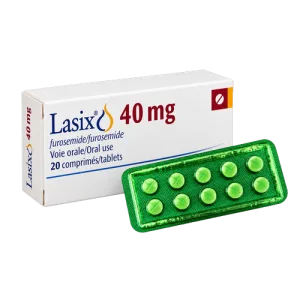
Lasix

Active ingredient: Furosemide
100mg 40mg
From $ 111.72
pills
4.1 (5)

Lisinopril

Active ingredient: Lisinopril
10mg 2.5mg 5mg
From $ 138.18
pills
3.7 (5)

Micardis

Active ingredient: Telmisartan
20mg 40mg
From $ 132.30
pills
4.4 (4)

Prazosin

Active ingredient: Prazosin
5mg
From $ 173.46
pills
3.7 (3)

Comparison table: Hypertension

Sources

  1. Health Canada (2024). Drug Product Database: Hydrochlorothiazide product information.
  2. Health Canada (2023). Canadian Product Monograph: Hydrochlorothiazide Tablets.
  3. EMA (2023). Summary of Product Characteristics (SmPC) — hydrochlorothiazide.
  4. World Health Organization (2018). HEARTS: Technical package for cardiovascular disease management in primary health care.

How Buyers Rate Hydrochlorothiazide

Based on 3 reviews

Paul, 46 Verified
Rating: 1.5 out of 5

Paul, 46 - Edmonton, took 25 mg hydrochlorothiazide for several weeks for blood pressure but did not feel it was helping his readings enough. Increased urination became inconvenient during work, and he stopped after discussing the lack of benefit with his doctor.

Edmonton Several weeks Oct 19, 2026
Emma, 48 Verified
Rating: 5 out of 5

Emma, 48 - Moncton, used 25 mg hydrochlorothiazide for several weeks for blood-pressure control and noticed steadier home readings after the first few weeks. Morning dosing fit her routine, and she was satisfied that swelling around her ankles became less noticeable.

Moncton Several weeks Oct 31, 2026
Ryan, 33 Verified
Rating: 4 out of 5

Ryan, 33 - Saskatoon, took 25 mg each morning for several weeks and found that his blood-pressure readings gradually improved. He appreciated having fewer evening bathroom trips than when he tried taking it later in the day.

Saskatoon Several weeks Nov 17, 2026
Get our free app Shop faster and track your orders 4.0 · 402 reviews Install