I used Micardis for several weeks and my home readings became steadier, especially in the evening. I still had occasional light-headedness when standing quickly, so I discussed the pattern with my doctor and became more careful about hydration.
Ottawa Several weeks Oct 14, 2026
Micardis
Micardis contains telmisartan, which relaxes blood vessels by blocking the action of angiotensin II. It is prescribed for adults with high blood pressure and for selected patients at elevated…
Micardis contains telmisartan, which relaxes blood vessels by blocking the action of angiotensin II. It is prescribed for adults with high blood pressure and for selected patients at elevated cardiovascular risk.
Overview
Micardis contains telmisartan, an angiotensin II receptor blocker (ARB). Telmisartan selectively blocks AT1 receptors, the main receptors through which angiotensin II causes blood-vessel constriction, sodium retention, and stimulation of aldosterone release.
How it affects the body
When AT1 receptors are blocked, arterial smooth muscle relaxes. Blood flows through the vessels with less resistance, which lowers blood pressure and reduces the workload placed on the heart. Telmisartan does not act as a diuretic, so its main action is vascular rather than increased fluid excretion.
Angiotensin II also promotes aldosterone activity. By reducing this signalling pathway, telmisartan can decrease sodium and water retention while preserving the useful ability of the kidneys to regulate fluid balance.
Formulation
Micardis contains telmisartan, an angiotensin II receptor blocker (ARB). Telmisartan selectively blocks AT1 receptors, the main receptors through which angiotensin II causes blood-vessel constriction, sodium retention, and stimulation of aldosterone release.
When AT1 receptors are blocked, arterial smooth muscle relaxes. Blood flows through the vessels with less resistance, which lowers blood pressure and reduces the workload placed on the heart. Telmisartan does not act as a diuretic, so its main action is vascular rather than increased fluid excretion.
The Canadian product monograph describes telmisartan as an oral treatment for hypertension and cardiovascular risk reduction in selected adults [1]. Micardis is supplied as pills and is taken by mouth.
Angiotensin II also promotes aldosterone activity. By reducing this signalling pathway, telmisartan can decrease sodium and water retention while preserving the useful ability of the kidneys to regulate fluid balance.
Dosage and administration
The amount and frequency depend on the purpose of treatment and are agreed with a doctor or pharmacist. Micardis is taken as an oral pill, usually on a consistent daily schedule when prescribed for ongoing blood-pressure control.
- Swallow the pill with water.
- Take it at the same time each day.
- It can generally be taken with or without food.
- Continue the prescribed schedule even when blood pressure readings improve.
- If a dose is missed, take it when remembered unless the next scheduled dose is close; do not double the next dose.
- Keep a written record of home blood-pressure readings when treatment is being adjusted.
Telmisartan is designed for sustained action rather than rapid relief from a sudden blood-pressure spike. Do not take an extra pill because one reading remains above the usual target.
Stopping long-term treatment can allow blood pressure to rise again. Telmisartan does not usually require a taper because it is not a dependence-forming medicine, but a replacement plan matters when treatment is stopped.
Reasons not to use it
- Pregnancy, especially after the first trimester.
- Serious allergic reaction to telmisartan or an excipient in the formulation.
- Severe liver disease with impaired bile flow unless a specialist has selected the treatment.
- Diabetes and concomitant use of aliskiren.
- Significant kidney impairment and concomitant use of aliskiren.
- Recurrent high potassium that is not controlled.
- Severe dehydration or very low blood pressure that has not been corrected.
Telmisartan can injure the developing fetus, especially after the first trimester, and it should be stopped and replaced through a prescriber-led plan when pregnancy is recognised.
When this is not for you
Micardis is not suitable for you if you:
- Are pregnant, especially after the first trimester, or are planning pregnancy without a treatment review.
- Have had a serious allergic reaction to telmisartan or an excipient in the formulation.
- Have severe liver disease with impaired bile flow unless a specialist has selected the treatment.
- Have diabetes and are taking aliskiren.
- Have significant kidney impairment and are taking aliskiren.
- Have recurrent high potassium that is not controlled.
- Have severe dehydration or very low blood pressure that has not been corrected.
Extra caution is needed with renal artery stenosis, chronic kidney disease, heart failure, substantial fluid loss, or treatment with potassium-raising medicines. These situations do not always prohibit telmisartan, but they change the need for laboratory monitoring.
Possible side effects
Telmisartan is often tolerated without troublesome symptoms, yet adverse reactions can occur. The Canadian product information reports respiratory symptoms, back pain, gastrointestinal symptoms, dizziness, and changes in kidney-related laboratory results among possible reactions .
Commonly reported symptoms include:
- Runny nose or other upper-respiratory symptoms.
- Sore throat.
- Back pain.
- Diarrhea.
- Dizziness or light-headedness.
- Headache.
- Nausea or abdominal discomfort.
Dizziness is more likely when blood pressure falls quickly, when the person is dehydrated, or when Micardis is combined with another blood-pressure-lowering treatment. Stand up gradually if light-headedness appears, especially after illness with vomiting, diarrhea, fever, or heavy sweating.
Diarrhea can matter beyond discomfort. Fluid loss may lower blood pressure excessively and can worsen kidney function in a person taking an ARB. Persistent diarrhea, reduced urination, marked weakness, or fainting requires prompt medical assessment.
Serious reactions are uncommon but require urgent attention. These include swelling of the face, lips, tongue, or throat; difficulty breathing; severe faintness; and signs of acute kidney injury such as a major reduction in urine output.
One detail patients sometimes miss is the connection between dehydration and kidney function. A tablet that was well tolerated during ordinary days may produce pronounced dizziness during gastroenteritis, prolonged heat exposure, or very low fluid intake.

Therapeutic indications
Micardis is used mainly for two clinical purposes:
- Treatment of high blood pressure in adults.
- Reduction of cardiovascular risk in selected adults with established atherosclerotic cardiovascular disease or diabetes with target-organ damage.
Lowering blood pressure reduces strain on arteries, the left ventricle, and small blood vessels in the brain and kidneys. The treatment goal is individual. It depends on age, kidney function, diabetes status, cardiovascular history, and the blood-pressure readings recorded outside the clinic.
Telmisartan may also be selected when a patient needs an ARB because of intolerance to another renin–angiotensin system medicine. Its long duration supports blood-pressure control across the day and night, though the full response may take several weeks to assess.
For cardiovascular prevention, Micardis is not used simply because a person has one high reading. The indication depends on the patient’s baseline risk and medical history. Health Canada and the EMA describe risk-reduction use in defined high-risk groups rather than as a universal treatment for every adult with hypertension [2].
A practical limitation remains: Micardis lowers cardiovascular risk through blood-pressure management and risk reduction, but it does not remove the need to manage smoking, cholesterol, diabetes, weight, sleep, or physical activity.
Comparison
| Treatment approach | Main action | Main limitation |
|---|---|---|
| Telmisartan | Blocks AT1 receptors and relaxes blood vessels | Can raise potassium or affect kidney function |
| ACE inhibitor | Reduces formation of angiotensin II | Cough and angioedema can occur |
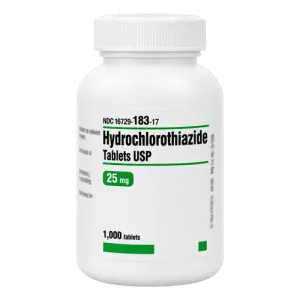
| Telmisartan plus hydrochlorothiazide | Combines vascular relaxation with increased sodium excretion | Adds electrolyte and dehydration risks |
ARBs such as telmisartan are often selected when an ACE inhibitor causes a persistent cough. Both treatment groups affect the renin–angiotensin system, so neither is suitable during pregnancy.
A thiazide-containing combination may reduce blood pressure more than a single agent in some patients. It may also increase uric acid, alter glucose control, or cause dehydration. The best choice depends on the patient’s complete medical profile rather than on the tablet name alone.
Common mistakes
Several habits can make Micardis appear less useful than it is:
- Taking it only when a home reading is high.
- Doubling the next pill after a missed dose.
- Stopping it once blood pressure improves.
- Using ibuprofen or naproxen frequently without reporting it.
- Starting potassium supplements or salt substitutes without review.
- Measuring pressure immediately after exercise or caffeine.
- Ignoring repeated dizziness, fainting, or reduced urination.
- Switching between single-agent and combination treatment independently.
A common practical error is attributing every episode of dizziness to age or fatigue. When dizziness begins after a new medicine, a dose change, diarrhea, or hot-weather fluid loss, the timing is clinically useful.
What doctors say
In clinical practice, doctors judge Micardis by a pattern of readings rather than one isolated result. Home measurements taken under similar conditions often show whether the treatment is controlling pressure throughout the day.
A physician will usually review kidney function and potassium when the treatment begins or changes. The same checks become more important after dehydration, the addition of an NSAID, or the introduction of a potassium-sparing medicine.
The expected benefit is gradual. A person may feel no different even while blood pressure improves, which is why symptom relief alone cannot determine whether the treatment is working. The WHO hypertension guideline supports regular measurement and adjustment of therapy according to cardiovascular risk and recorded blood-pressure values [3].
Common questions
How long does one Micardis dose keep working?
Telmisartan is intended to provide blood-pressure control across approximately one day when taken as prescribed. The EMA product information describes its long duration of action, though the strength of response varies with kidney function, other medicines, and baseline blood pressure. Health Canada information from 2023 supports consistent daily administration rather than occasional use. Missing doses can leave less coverage late in the dosing interval. A prescriber can review persistent gaps in control or troublesome symptoms.
How long does a Micardis course last, and is long-term use acceptable?
Treatment may continue for months or years when blood pressure or cardiovascular risk remains elevated. The WHO hypertension guideline from 2021 supports ongoing treatment with periodic review rather than a fixed short course for chronic hypertension. Long-term use can be appropriate when kidney function, potassium, blood pressure, and tolerability remain acceptable. Stopping because readings improve can allow the underlying hypertension to return.
Which concrete condition rules Micardis out?
Pregnancy rules out telmisartan because medicines affecting the renin–angiotensin system can harm fetal kidney development, as stated by Health Canada in its 2023 product information. Diabetes combined with aliskiren is another specific contraindicated situation. A history of allergy to telmisartan or a formulation ingredient also prevents use. The treatment plan must change promptly when pregnancy is recognised.
Can Micardis affect driving, concentration, or machinery work?
Micardis does not normally reduce mental alertness, according to the EMA product information dated 2023. Dizziness or faintness can still occur when blood pressure falls, especially after initiation, dose adjustment, dehydration, or combination treatment. Avoid driving or machinery work until your individual response is clear. Persistent symptoms need review because they may indicate excessive blood-pressure reduction.
What should happen if the expected blood-pressure result does not come?
The usual response is not to take an extra pill. The NICE hypertension guidance from 2019 supports reviewing measurement technique, adherence, other medicines, lifestyle factors, and the need for treatment adjustment. NSAIDs, excess sodium, missed doses, and an unsuitable cuff can all make readings appear higher. A series of correctly taken readings gives the prescriber more useful information than one isolated result.
What should be checked before starting Micardis?
Health Canada’s 2023 product information supports reviewing pregnancy status, kidney disease, liver disease, potassium levels, dehydration, and all current medicines before treatment. Specific medicines requiring attention include NSAIDs, aliskiren, ACE inhibitors, potassium supplements, potassium-sparing diuretics, lithium, and digoxin. Baseline blood pressure and relevant blood tests help establish a safe starting point. Tell the prescriber about recurrent diarrhea or vomiting because fluid depletion changes kidney risk.
Can the Micardis pill be split, crushed, or chewed?
The FDA prescribing information from 2024 describes Micardis as an oral tablet intended to be swallowed. Do not crush or chew it unless the prescriber or pharmacist has confirmed that the specific tablet can be altered. Splitting may also be unsuitable if the tablet is not designed to provide equal halves. Use water and swallow the pill whole when possible.
Do you offer anonymous delivery?
Your order will be securely packed and shipped within 24 hours. This is exactly what your package will look like (images of an actual item sent). It has the size and look of a regular private letter (24x11x0.7 cm) and its contents cannot be seen.
Comparison
Sources
- Health Canada (2023). MICARDIS (telmisartan) Product Monograph.
- European Medicines Agency (2023). Micardis: Summary of Product Characteristics.
- World Health Organization (2021). Guideline for the Pharmacological Treatment of Hypertension in Adults.
How Buyers Rate Micardis
Based on 4 reviews
Micardis fitted easily into my morning routine. After about a month, my readings were consistently closer to the target my doctor had set, and I was satisfied with the result.
Regina About a month Oct 22, 2026I took Micardis daily and noticed that my readings settled after the first few weeks. I liked that the pill did not make me urinate repeatedly during the workday.
Charlottetown First few weeks Oct 27, 2026My blood-pressure log improved over the first month of treatment. I continued taking the pill even when I felt normal because the readings, rather than symptoms, showed the benefit.
Saskatoon First month Nov 9, 2026