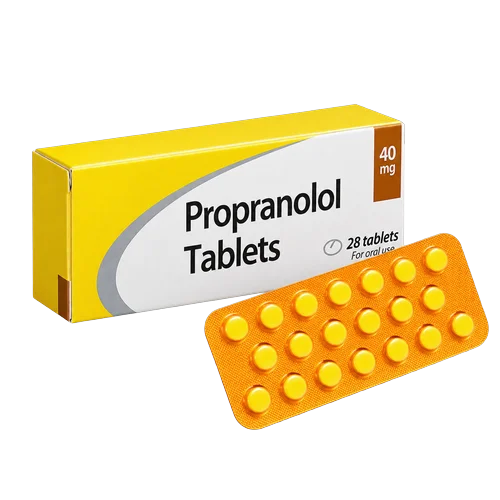
I used propranolol for several weeks for physical anxiety symptoms, but it did not make enough difference for me. I still felt tense before presentations and stopped after discussing the result with my prescriber.
Lethbridge Several weeks Oct 30, 2026
Propranolol
Propranolol is an oral non-selective beta blocker for selected heart conditions, tremor, migraine prevention, and physical symptoms of anxiety. It reduces adrenaline-related effects by slowing the…
Propranolol is an oral non-selective beta blocker for selected heart conditions, tremor, migraine prevention, and physical symptoms of anxiety. It reduces adrenaline-related effects by slowing the heart rate and lowering certain cardiovascular responses; the dose is decided individually based on age, other medicines, and health conditions.
Overview
Propranolol, the active ingredient in Propranolol tablets, is a non-selective beta blocker used for selected heart conditions, tremor, migraine prevention, and physical symptoms of anxiety.
How it affects the body
Propranolol belongs to the beta-blocker class. It blocks beta-adrenergic receptors, which are stimulated by adrenaline and noradrenaline. This reduces the speed and force of cardiac contraction, lowers cardiac workload, and limits some physical effects of stress, such as shaking and a fast heartbeat.
Unlike cardioselective agents, propranolol blocks both beta-1 and beta-2 receptors. Beta-1 blockade acts mainly on the heart. Beta-2 blockade can affect the airways and peripheral blood vessels, which explains why respiratory disease and circulation problems require careful assessment before treatment.
Cardiovascular impact of beta blockade
The heart usually responds to adrenaline by beating faster and contracting more strongly. Propranolol reduces that response. The result can include a slower pulse, reduced blood pressure, lower oxygen demand from the heart, and fewer adrenaline-driven palpitations.
Health Canada product information describes dose selection as individualised according to the condition being treated, age, other medicines, and health status [1].
Formulation
The active ingredient is propranolol. It is a non-selective beta blocker used for selected heart conditions, tremor, migraine prevention, and physical symptoms of anxiety.
Dosage and administration
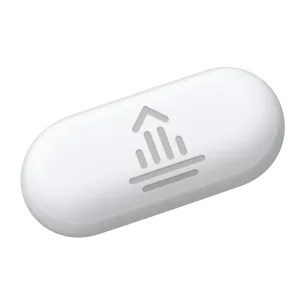
This product is an oral tablet formulation. The dose is decided individually, taking age, other medicines, and health conditions into account.
- Swallow the tablet with water at the prescribed frequency.
- Take doses at consistent times to maintain a steady treatment effect.
- Do not increase, reduce, or stop treatment without a specific plan.
- If a dose is missed, take it when remembered unless the next dose is close; skip the missed dose rather than doubling.
- Do not stop regular propranolol suddenly. Abrupt withdrawal can worsen angina and may trigger serious cardiovascular problems in susceptible patients.
A tablet intended for immediate release should not be crushed or chewed unless a prescriber or pharmacist has specifically confirmed that this is appropriate for the supplied formulation. Crushing changes how the tablet is taken and can make accurate dosing more difficult.
Food can affect how some propranolol formulations are absorbed, so taking each dose in the same relationship to meals helps maintain consistency. Alcohol can add to dizziness and may make low blood pressure or fatigue more noticeable.
Reasons not to use it
Medical assessment is needed before use with:
- asthma, chronic obstructive pulmonary disease, or recurrent wheezing;
- diabetes treated with insulin or other glucose-lowering medicines;
- poor peripheral circulation or Raynaud-type symptoms;
- low blood pressure or a naturally slow pulse;
- heart-conduction abnormalities;
- untreated pheochromocytoma;
- severe liver disease;
- a history of severe allergic reactions requiring emergency treatment.
Propranolol may hide tachycardia during hypoglycaemia. People with diabetes need to recognise other warning signs, such as sweating, weakness, confusion, or unusual behaviour.
Important medicine interactions
| Interaction | Potential consequence | Clinical approach |
|---|---|---|
| Verapamil or diltiazem | Excessive slowing of heart rate, low blood pressure, or conduction problems | Combination requires careful clinical supervision |
| Insulin and other glucose-lowering medicines | Masked hypoglycaemia symptoms | Monitor glucose and recognise non-cardiac warning signs |
| Other blood-pressure or rhythm medicines | Additive hypotension or bradycardia | Pulse and blood pressure may need closer monitoring |
Calcium channel blockers such as verapamil and diltiazem deserve special attention because they can suppress cardiac conduction alongside propranolol. Nifedipine and nicardipine have different cardiovascular effects, yet blood pressure can still fall when they are combined with a beta blocker. The FDA prescribing information describes these interaction risks and the need for individual monitoring [3].
Some antidepressants, antiarrhythmics, migraine medicines, and drugs that affect liver enzymes may also alter propranolol exposure or cardiac effects. Tell the prescriber about all regular medicines, including non-prescription products.
When this is not for you
Propranolol is not suitable for everyone. This medication is not for you if you have a history of serious asthma or bronchospasm linked to beta blockade, marked bradycardia, certain heart-conduction disorders, cardiogenic shock, or uncontrolled heart failure.
Pregnancy and breastfeeding require an individual risk assessment. Propranolol crosses the placenta and can affect the newborn’s heart rate, blood pressure, breathing, or blood glucose. Breastfeeding may be possible in selected circumstances, but the infant may require observation for sleepiness, poor feeding, or a slow heartbeat.
Possible side effects
Common unwanted effects result from reduced heart rate, lower blood pressure, or changes in the nervous system. They may be more noticeable during the first days of treatment or after a dose increase.
Possible effects include:
- tiredness or reduced energy;
- dizziness, especially when standing;
- cold hands or feet;
- slower heartbeat;
- sleep disturbance or vivid dreams;
- nausea or other digestive discomfort;
- headache;
- reduced exercise tolerance;
- sexual difficulties in some patients.
Weight gain is not the most characteristic reaction, but changes in activity, fluid balance, or appetite can affect body weight during treatment. Persistent weight change deserves review rather than an automatic assumption that propranolol is the sole cause.
More serious reactions include wheezing, severe shortness of breath, fainting, marked bradycardia, worsening heart failure, severe allergic swelling, and confusion linked to very low blood sugar. Beta blockers can also mask warning signs of hypoglycaemia, especially a rapid heartbeat.
One practical issue is exercise. A patient taking propranolol may be unable to raise the pulse as high as before, even when the medicine is working as intended. Using symptoms, exertion, and clinical measurements together is more useful than relying on a familiar target heart rate.
Therapeutic indications
Propranolol is used in several areas of cardiovascular and neurological care. The exact indication, dose, and treatment duration are selected individually.
| Clinical use | Main treatment goal | Key practical point |
|---|---|---|
| Hypertension | Reduce cardiovascular pressure and workload | Blood pressure monitoring helps assess response |
| Angina and selected heart disorders | Reduce oxygen demand and adrenaline-related cardiac strain | Chest pain still requires urgent assessment if severe or new |
| Tremor, migraine prevention, or physical anxiety symptoms | Reduce excessive sympathetic activity | It does not remove the psychological cause of anxiety |
Cardiovascular applications in hypertension and angina
In hypertension, propranolol may be used when beta blockade is clinically appropriate, often alongside a broader blood-pressure treatment plan. For angina, reducing heart rate and contractile force can decrease the heart’s oxygen requirement during exertion.
Propranolol also has established roles in selected rhythm disorders and symptoms associated with excessive adrenergic activity. It does not treat every cause of palpitations. An unexplained rapid or irregular heartbeat needs assessment rather than self-directed dose changes.
Neurological and somatic uses for migraines and tremors
Migraine prophylaxis means prevention. Propranolol is taken regularly to reduce the frequency or severity of future attacks; it is not a fast-acting rescue treatment for a migraine already in progress. NICE guidance includes beta blockers among preventive options when migraine prevention is appropriate [4].
Essential tremor and performance-related physical symptoms may also respond because propranolol reduces adrenaline-driven muscle activity. Patients may notice less shaking, a steadier voice, or fewer palpitations. The medicine does not improve every form of tremor, and it may not address fear, intrusive thoughts, or other psychological symptoms directly.
The World Health Organization lists propranolol among medicines with important cardiovascular applications, supporting its place within established beta-blocker therapy [2].
Comparison
Propranolol is a non-selective beta blocker. Other beta blockers differ in receptor selectivity, duration, metabolism, and preferred clinical use.
| Medicine | Receptor profile | Common clinical distinction |
|---|---|---|
| Propranolol | Non-selective beta blockade | Useful when tremor, migraine prevention, or adrenergic physical symptoms are relevant; respiratory caution is important |
| Metoprolol or atenolol | More cardioselective at usual doses | Often considered when cardiac treatment is needed with less beta-2 airway activity |
| Carvedilol or labetalol | Beta blockade with additional alpha-1 effects | May be selected when vasodilation is clinically useful |
Bisoprolol and metoprolol succinate are frequently considered for selected chronic cardiac conditions because of their cardioselective profile and longer dosing intervals. Nebivolol adds nitric-oxide-mediated vasodilation. Acebutolol has partial agonist activity that may influence resting heart rate.
The choice depends on the diagnosis, lung health, kidney and liver function, pulse, blood pressure, concurrent medicines, and treatment goals. A cardioselective beta blocker may be preferred in a patient with airway concerns, while propranolol may be chosen when tremor or migraine prevention is central.
Common mistakes
Several avoidable habits can make propranolol appear ineffective or poorly tolerated:
- stopping suddenly after feeling better;
- taking doses at widely different times;
- doubling a missed dose;
- judging migraine prevention from one headache;
- ignoring wheezing or fainting;
- assuming fatigue will always remain severe without discussing it;
- using alcohol to manage anxiety while taking a medicine that can lower blood pressure;
- failing to mention diabetes, asthma, or other heart-rate-lowering medicines;
- measuring pulse immediately after exercise and treating that number as a resting reading;
- crushing tablets without confirming that the formulation permits it.
One subtle problem is confusing physical anxiety symptoms with the full anxiety disorder. Propranolol can reduce shaking, sweating, palpitations, and a racing voice. It does not necessarily treat persistent worry, panic-related thoughts, depression, or trauma symptoms.
What doctors say
Clinicians generally assess propranolol by looking at the target symptom rather than one isolated measurement. For hypertension, that may mean a series of home readings. For migraine, the useful record is the number of headache days and the need for rescue treatment. For tremor, everyday tasks such as writing, eating, or speaking provide meaningful information.
Doctors also look for tolerability. Fatigue, cold extremities, sleep changes, and dizziness can affect adherence even when the main condition improves. A lower dose, a different schedule, or another beta blocker may be considered when adverse effects interfere with daily life.
A common prescribing mistake is judging migraine prevention after only a few doses. Preventive treatment is assessed over an adequate period, with headache frequency recorded consistently. Cochrane evidence supports beta blockers as a recognised preventive class, while response still varies substantially between patients [5].
Common questions
Which condition rules out propranolol?
A history of serious asthma or bronchospasm can rule out propranolol because non-selective beta blockade may narrow the airways. Severe bradycardia, certain conduction disorders, cardiogenic shock, and uncontrolled heart failure are also important contraindications. Health Canada (2023) product information identifies these cardiovascular and respiratory risks in propranolol therapy . A new wheeze, fainting episode, or very slow pulse requires prompt medical review. Seek urgent help for severe breathing difficulty or collapse.
Which habits help or hinder propranolol treatment?
Taking each dose consistently, recording blood pressure or pulse when appropriate, and maintaining regular sleep can make treatment easier to assess. Alcohol may worsen dizziness, fatigue, and low blood pressure. Exercise remains possible, but the heart-rate response may be blunted, so exertion should be judged by symptoms and clinical advice rather than pulse alone. WHO (2023) cardiovascular guidance supports lifestyle measures alongside medicine rather than treating the tablet as a replacement for them .
Can propranolol be used during pregnancy or breastfeeding?
Pregnancy requires an individual assessment because propranolol can affect fetal or newborn heart rate, blood pressure, breathing, and glucose. Breastfeeding may be considered in selected cases, with attention to infant feeding, alertness, and pulse. The EMA (2023) product-information framework describes beta-blocker exposure during pregnancy and lactation as a situation requiring clinical evaluation . Do not stop regular treatment abruptly after discovering a pregnancy.
Is alcohol compatible with propranolol?
Alcohol can intensify dizziness, tiredness, and low blood pressure while propranolol is active. The effect is more concerning when treatment has just started, after a dose increase, or when another blood-pressure medicine is also used. Health Canada (2023) prescribing information advises caution with activities affected by dizziness or reduced alertness . Avoid driving or operating machinery if alcohol and propranolol together make you unsteady or drowsy.
What should happen if the expected result does not come?
The next step depends on the treatment goal. A clinician may review adherence, timing, pulse, blood pressure, migraine frequency, tremor severity, other medicines, and the original diagnosis. NICE (2023) migraine guidance recommends assessing preventive treatment through symptom patterns rather than a single episode . Do not increase the dose independently or stop suddenly because the expected benefit has not yet appeared.
Is propranolol suitable for anyone under 18?
Children and adolescents may receive propranolol for selected specialist indications, but the dose and monitoring plan are weight- and condition-dependent. Respiratory disease, low blood sugar risk, and heart-rate effects require special attention in younger patients. The EMA (2023) product information for propranolol-containing medicines describes paediatric use as indication-specific rather than a general self-care option . A child should receive this treatment only under an appropriate prescriber’s plan.
Can the tablet be split, crushed, or chewed?
The tablet should be swallowed as directed unless a qualified prescriber or pharmacist has confirmed that splitting is suitable for the specific tablet. Crushing or chewing can make the dose harder to control and may be inappropriate for formulations designed to release medicine gradually. The FDA (2024) prescribing information distinguishes formulation-specific administration instructions . Never alter a tablet to compensate for a missed dose.
Do you offer anonymous delivery?
Your order will be securely packed and shipped within 24 hours. This is exactly what your package will look like (images of an actual item sent). It has the size and look of a regular private letter (24x11x0.7 cm) and its contents cannot be seen.
Comparison
Sources
- Health Canada (2023). Drug Product Database: propranolol hydrochloride product information.
- World Health Organization (2023). WHO Model List of Essential Medicines, 23rd list.
- U.S. Food and Drug Administration (2024). Inderal (propranolol hydrochloride) prescribing information.
- National Institute for Health and Care Excellence (2023). Headaches in over 12s: diagnosis and management, CG150.
- Cochrane Database of Systematic Reviews (2019). Beta-blockers for the prevention of migraine in adults.
How Buyers Rate Propranolol
Based on 5 reviews
It reduced the pounding heartbeat before stressful meetings, although I felt more tired in the afternoons during the first part of treatment. The benefit was real, but the tiredness meant the balance was not perfect.
Barrie Several weeks Nov 9, 2026After taking it regularly for migraine prevention, I had fewer headache days and needed less rescue treatment. The improvement became easier to see once I tracked each week instead of judging one day at a time.
Nanaimo Several weeks Oct 11, 2026My hands shook less when I had to speak in front of a group. I found the tablets straightforward to take and felt more in control of the physical symptoms.
Kitchener Several weeks Oct 21, 2026Propranolol helped settle the racing pulse that came with stressful situations. I was satisfied because the improvement was noticeable during work presentations and did not require changing my routine.
Oshawa Several weeks Oct 17, 2026