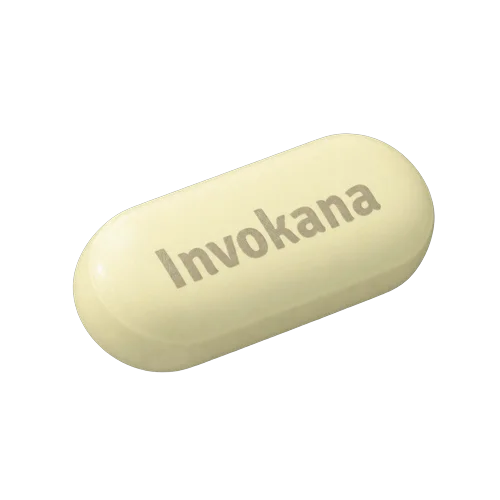
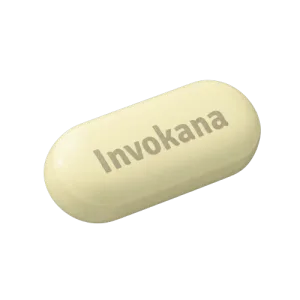
I used Invokana once daily for several weeks alongside my usual diabetes routine. My morning readings became more consistent, but I noticed more thirst and had to plan bathroom breaks at work. The benefit was real, although the daily routine took adjustment.
Oshawa Several weeks Nov 8, 2026
Invokana
Adults with type 2 diabetes may be prescribed Invokana alongside diet and exercise to improve blood-glucose control. Its active ingredient, canagliflozin, is an SGLT2 inhibitor that helps the kidneys…
Adults with type 2 diabetes may be prescribed Invokana alongside diet and exercise to improve blood-glucose control. Its active ingredient, canagliflozin, is an SGLT2 inhibitor that helps the kidneys remove more glucose through urine.
Overview
How it affects the body
SGLT2 proteins reabsorb filtered glucose in the kidneys. Canagliflozin blocks this transport pathway, so less glucose returns to the bloodstream and more leaves the body in urine. The same process increases urinary sodium excretion and can produce a modest diuretic effect.
Formulation
The active ingredient in Invokana is canagliflozin, a sodium-glucose co-transporter 2 inhibitor used in medicines for diabetes. Its pharmacological classification is A10BK02 in the WHO ATC system [1].
Dosage and administration
The amount used and the frequency of treatment depend on the purpose of use and are agreed with a doctor or pharmacist. Invokana is taken by mouth, usually once daily, with or without food. The tablet should be swallowed whole with fluid.
Oral Administration Guidelines
Key points for routine use include:
- Take Invokana at the prescribed time each day.
- Swallow the tablet rather than crushing or chewing it.
- Maintain the eating and exercise plan established for diabetes care.
- Drink enough fluid unless a clinician has prescribed fluid restriction.
- Do not double the next dose after a missed dose.
- Contact the prescribing team if vomiting, diarrhoea, prolonged fasting, or an acute illness prevents normal food and fluid intake.
Kidney function affects the suitability and expected benefit of canagliflozin. A prescriber may review estimated glomerular filtration rate before treatment and during follow-up. The EMA product information describes renal limitations and monitoring requirements for canagliflozin-containing medicines [3].
Practical Administration Details
Food does not usually prevent Invokana from working, so the dose can fit a consistent daily routine. A breakfast routine is often easier to remember than an irregular time. Patients who work night shifts should establish a fixed time that matches their daily cycle rather than changing the timing from day to day.
Temporary treatment interruption may be needed during serious illness, prolonged fasting, major surgery, or significant dehydration. These situations can increase the risk of ketoacidosis, even when blood glucose is not extremely high.
Reasons not to use it
Invokana is not for you if you have diabetic ketoacidosis, a serious allergy to canagliflozin, or a clinical situation in which the prescriber considers SGLT2 treatment unsuitable. It also requires special assessment in people with substantial kidney impairment, recurrent dehydration, repeated genital infections, low blood pressure, or a history of ketoacidosis.
Patient Factors Requiring Review
Before starting treatment, the prescribing team should review:
- Kidney function and urinary albumin where relevant.
- Current insulin and sulfonylurea treatment.
- Diuretic use and episodes of low blood pressure.
- Recurrent urinary or genital infections.
- Planned surgery, prolonged fasting, or a restrictive diet.
- History of diabetic ketoacidosis.
- Foot ulcers, reduced circulation, neuropathy, or previous lower-limb amputation.
- Pregnancy, planned pregnancy, and breastfeeding.
- Alcohol intake and patterns of missed meals.
The renal threshold for use depends on the indication and the product’s prescribing information. Canagliflozin’s glucose-lowering effect becomes less useful as kidney filtration declines, while dehydration and adverse-event risks remain clinically relevant.
Significant Drug Interactions
Insulin and gliclazide can increase hypoglycemia risk when combined with Invokana. Furosemide and other diuretics can add to fluid loss and postural dizziness. Blood-pressure treatment with irbesartan, losartan, aliskiren, or candesartan may require closer blood-pressure and kidney-function monitoring when volume depletion is possible.
Rifampin can reduce canagliflozin exposure through enzyme and transporter induction, potentially reducing glucose-lowering activity. St. John’s Wort may also affect drug-metabolising pathways and should be disclosed before treatment changes.
Digoxin requires attention because canagliflozin may alter digoxin exposure in some patients. Eliquis, Vesicare, Nevanac, and Saxenda® do not represent automatic reasons to avoid Invokana, but every medicine should be reviewed as part of the full regimen. The FDA prescribing information describes renal function, volume status, hypoglycemia, and ketoacidosis precautions for canagliflozin [5].
When this is not for you
It also requires special assessment in people with substantial kidney impairment, recurrent dehydration, repeated genital infections, low blood pressure, or a history of ketoacidosis.
Possible side effects
Invokana’s most recognisable adverse effects relate to glucose in the urine and increased fluid loss. The Canadian product monograph describes genital mycotic infections, urinary tract infections, increased urination, thirst, dizziness, and volume depletion among clinically relevant reactions [4].
Commonly Reported Adverse Effects
Possible effects include:
- Vaginal yeast infection or penile fungal infection.
- Urinary tract infection.
- Increased urination or thirst.
- Constipation or nausea.
- Dizziness, especially after standing.
- Dehydration during hot weather, vomiting, diarrhoea, or reduced fluid intake.
- Low blood glucose when combined with insulin or medicines that increase insulin release.
Glucose-rich urine creates a favourable environment for genital fungal growth. Recurrent symptoms, burning urination, fever, flank pain, or pelvic pain require prompt medical assessment because a simple irritation and a significant infection can feel similar at first.
Severe Clinical Risks and Warning Signs
Diabetic ketoacidosis can occur with canagliflozin. It may develop even when the blood-glucose reading is lower than expected. Warning symptoms include nausea, vomiting, stomach pain, unusual tiredness, deep or rapid breathing, confusion, and a fruity breath odour.
Volume depletion can lead to low blood pressure, fainting, or acute kidney injury. Risk rises with loop diuretics such as furosemide, poor fluid intake, heavy sweating, gastrointestinal illness, and older age.
Hypoglycemia is more likely when Invokana is combined with insulin or insulin secretagogues such as gliclazide. A person who has repeated low readings may need adjustment of the other diabetes medicine rather than simply stopping Invokana.
A rare but serious genital or perineal infection called necrotizing fasciitis has been reported with SGLT2 inhibitors. Severe pain, swelling, redness, fever, or feeling acutely unwell in that area requires emergency assessment.

Therapeutic indications
Invokana is used in adults with type 2 diabetes alongside diet and exercise to improve blood-glucose control. Canagliflozin is an SGLT2 inhibitor that helps the kidneys remove more glucose through urine. Health Canada identifies canagliflozin as the active pharmaceutical ingredient in this medicine [2].
Comparison
Comparison of Diabetes Treatment Classes
Invokana belongs to the SGLT2 inhibitor class. Other diabetes treatments work through different pathways, so selection depends on glucose targets, kidney function, cardiovascular disease, weight goals, injection preferences, and the risk of hypoglycemia.
| Treatment class | Main action and route | Typical clinical distinction |
|---|---|---|
| Canagliflozin, empagliflozin, dapagliflozin | SGLT2 inhibition; oral tablets | Promotes urinary glucose loss and may support kidney or heart protection in selected patients |
| Sitagliptin or pioglitazone | DPP-4 inhibition or insulin sensitization; oral treatment | Usually produces less weight loss than SGLT2 or GLP-1 approaches, with class-specific precautions |
| Semaglutide or liraglutide | GLP-1 receptor agonism; injectable treatment, with some oral options for semaglutide | Strong glucose-lowering and appetite effects, with gastrointestinal tolerability considerations |
Intra-Class Comparison
Jardiance contains empagliflozin, while Farxiga contains dapagliflozin. Both are SGLT2 inhibitors, as is Invokana. Their receptor selectivity, approved indications, renal thresholds, and cardiovascular or kidney outcome evidence differ by product and patient population.
Empagliflozin is studied extensively in heart failure and cardiovascular disease. Dapagliflozin has evidence across heart failure and chronic kidney disease populations, including some people without diabetes. Canagliflozin has evidence in type 2 diabetes with cardiovascular and kidney risk. A clinician chooses among them according to the indication rather than treating the products as interchangeable in every situation.
Differences from Other Antidiabetic Agents
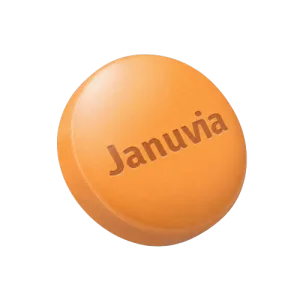
Januvia contains sitagliptin, a DPP-4 inhibitor. Janumet combines sitagliptin with metformin. These medicines enhance incretin activity and generally have a lower risk of hypoglycemia when used without insulin or a sulfonylurea.
Ozempic® contains semaglutide, and Victoza® contains liraglutide. These GLP-1 receptor agonists are administered by injection and often influence appetite and body weight more strongly than SGLT2 inhibitors. Nausea and other gastrointestinal symptoms can limit treatment for some patients.
Pioglitazone improves insulin sensitivity but may cause fluid retention and weight gain. Invokana can promote fluid loss, so the two classes have different practical concerns when heart failure, oedema, or kidney disease is present.
Common mistakes
Several practical errors can reduce benefit or increase risk:
- Treating increased urination as a reason to stop drinking all fluids.
- Continuing the medicine through prolonged vomiting, severe diarrhoea, or fasting without seeking instructions.
- Assuming a normal glucose reading rules out ketoacidosis.
- Forgetting to mention over-the-counter diuretics or herbal supplements.
- Taking a double dose after a missed tablet.
- Ignoring recurrent genital symptoms until they become painful.
- Using Invokana as a substitute for meals, exercise, blood-pressure treatment, or prescribed insulin.
- Assuming that two SGLT2 inhibitors can be combined for extra glucose lowering.
One detail patients often miss is the difference between low blood glucose and ketoacidosis. Hypoglycemia commonly causes sweating, shakiness, hunger, and confusion. Ketoacidosis may cause nausea, abdominal pain, deep breathing, and marked fatigue, even when the glucose number does not look extreme.
What doctors say
In clinical practice, doctors usually assess Invokana as part of a treatment strategy rather than as a stand-alone answer to every diabetes problem. The most useful early checks often include kidney function, hydration, home glucose readings, genital or urinary symptoms, and any episodes of dizziness. A physician may ask whether the patient is eating normally, drinking adequately, and planning surgery or prolonged fasting. Those details matter because ketoacidosis risk can rise during metabolic stress even without very high glucose. Canagliflozin may be attractive when type 2 diabetes coexists with chronic kidney disease, heart failure, or cardiovascular risk, provided the person meets the relevant clinical criteria. The main trade-off is that urinary glucose loss can bring kidney and heart benefits for selected patients while also increasing the likelihood of genital infections, dehydration, and ketoacidosis in susceptible situations.
Common questions
How long does an Invokana course last, and is long-term use acceptable?
Invokana is commonly used as part of continuing type 2 diabetes management rather than as a short course. Treatment may continue for months or years when glucose control, kidney function, hydration, and adverse effects remain acceptable. The duration is individual and may change if kidney function declines, a serious illness occurs, or another treatment becomes more suitable. The WHO diabetes guidance (2020) recognises that glucose-lowering therapy often requires ongoing adjustment as the condition changes .
What should be checked or discussed before starting Invokana?
Kidney function, hydration status, blood pressure, diabetes medicines, and previous ketoacidosis should be reviewed before treatment. Discuss insulin, gliclazide, furosemide, planned surgery, fasting, recurrent genital infections, pregnancy, and herbal products such as St. John’s Wort. A history of foot problems or reduced circulation also deserves attention. The EMA product information (2024) sets out these precautions and monitoring considerations for canagliflozin .
How long does one Invokana dose keep working?
Invokana is designed for once-daily glucose-lowering activity, with effects continuing across the dosing interval. The amount of glucose removed through urine varies with kidney function, blood glucose, hydration, and the prescribed strength. A single tablet should not be repeated because the glucose reading remains high later in the day. Clinical trials and the Canadian monograph (2024) evaluate canagliflozin as a daily treatment rather than as an occasional correction dose .
Can Invokana be combined with insulin or diabetes supplements?
Invokana can be prescribed with insulin, but the combination may increase hypoglycemia risk and may require adjustment of insulin or another glucose-lowering medicine. Supplements marketed for blood sugar control can have uncertain ingredients and may add gastrointestinal, kidney, or glucose-lowering effects. St. John’s Wort can alter drug metabolism and should be disclosed. The FDA label (2024) describes the need to consider hypoglycemia when canagliflozin is combined with insulin or insulin secretagogues .
Do you offer anonymous delivery?
Your order will be securely packed and shipped within 24 hours. This is exactly what your package will look like (images of an actual item sent). It has the size and look of a regular private letter (24x11x0.7 cm) and its contents cannot be seen.
Comparison
Sources
- World Health Organization Collaborating Centre for Drug Statistics Methodology (2025). ATC/DDD Index: A10BK02 Canagliflozin
- Health Canada (2024). Product Monograph: INVOKANA (canagliflozin tablets)
- European Medicines Agency (2024). Invokana: Summary of Product Characteristics
- Health Canada (2024). Canadian Product Monograph: INVOKANA — Clinical Trials, Adverse Reactions and Dosage Information
- U.S. Food and Drug Administration (2024). INVOKANA (canagliflozin) Prescribing Information
How Buyers Rate Invokana
Based on 3 reviews
I took Invokana once a day with my breakfast routine. After a few weeks, my glucose readings were steadier and I felt more confident managing meals and activity. It fitted easily into my day and I was satisfied with the improvement.
Abbotsford A few weeks Nov 14, 2026I took Invokana once daily as part of my regular diabetes treatment, and my readings improved over the following months. I found it easy to fit Invokana into my routine.
Calgary The following months Oct 19, 2026