Skip to content
contact@fairviewphysiotheraapy.com
Fast & Discrete Delivery Save up to 80%
In stock Januvia
Diabetes

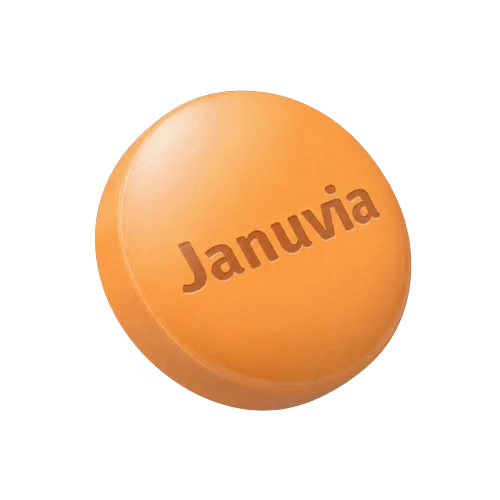
Januvia

Januvia is intended for type 2 diabetes. Its glucose-dependent action helps explain why sitagliptin generally has a lower hypoglycaemia risk when used alone than medicines that stimulate insulin…

Guaranteed quality Original product
Delivery: from 4 days Discreet shipping
24/7 Support Always available
Active ingredient: Sitagliptin
Select pack Package Per unit Price
$ 7.84 $ 235.20
$ 7.35 $ 313.60 $ 294.00 Save 6%
Free Regular Delivery $ 6.86 $ 470.40 $ 411.60 Save 13%
Best value Free Express Delivery $ 6.53 $ 705.60 $ 588.00 Save 17%

Free delivery on orders from $ 294.00, free express delivery from $ 441.00

Secure payment methods:
VISA AMEX JCB DISCOVER

Januvia is intended for type 2 diabetes. Its glucose-dependent action helps explain why sitagliptin generally has a lower hypoglycaemia risk when used alone than medicines that stimulate insulin secretion independently of blood glucose.

Overview

Januvia contains sitagliptin, a dipeptidyl peptidase-4 inhibitor, also called a DPP-4 inhibitor. Sitagliptin is supplied as sitagliptin phosphate monohydrate in tablet formulations. Its role is to improve blood glucose control in adults with type 2 diabetes mellitus when used with diet, exercise, or other glucose-lowering treatments [1].

The medicine is prescription-based and works through the body’s own incretin system rather than directly forcing insulin release at all times. That glucose-dependent action helps explain why sitagliptin generally has a lower hypoglycaemia risk when used alone than medicines that stimulate insulin secretion independently of blood glucose.

Januvia is intended for type 2 diabetes. It is not used to treat diabetic ketoacidosis or type 1 diabetes.

Pharmaceutical formulation

The active substance inhibits the enzyme dipeptidyl peptidase IV, commonly written as DPP-4. DPP-4 normally breaks down the incretin hormones GLP-1 and GIP. Slowing that breakdown allows these hormones to remain active for longer after meals.

The dose per intake is selected individually rather than being one fixed amount for every person. Kidney function is a central factor when the prescriber selects the tablet strength.

Tell the prescriber about kidney disease, dialysis, or a recent change in kidney function before the Januvia dose is selected.

How it affects the body

Sitagliptin selectively inhibits DPP-4. This preserves endogenous GLP-1 and GIP, two incretin hormones released by the intestine after food intake. The hormones act on pancreatic beta cells to increase insulin release when blood glucose is elevated.

At the same time, incretin activity reduces glucagon secretion from pancreatic alpha cells when glucose levels are high. Lower glucagon signalling reduces the liver’s production of glucose. The combined effect can improve fasting and after-meal glucose levels.

The pathway can be summarised as follows:

  • Sitagliptin inhibits DPP-4.
  • GLP-1 and GIP remain active for longer.
  • Glucose-dependent insulin release increases.
  • Excess glucagon secretion decreases.
  • Hepatic glucose production falls.
  • Blood glucose control improves as part of a wider diabetes plan.

The word “glucose-dependent” matters. Insulin stimulation is linked to elevated glucose rather than occurring continuously at the same intensity. This is one reason sitagliptin differs from sulfonylureas, which stimulate pancreatic insulin release through a separate pathway and may cause more hypoglycaemia in some treatment combinations.

Formulation

Januvia contains sitagliptin phosphate monohydrate, the tablet form of sitagliptin. Sitagliptin is a dipeptidyl peptidase-4 (DPP-4) inhibitor used to improve blood glucose control in adults with type 2 diabetes when combined with diet, exercise, or other glucose-lowering treatments [1].

Dosage and administration

Januvia is taken orally once daily, with or without food. The tablet should be swallowed with water and taken at a consistent time to support regular exposure to sitagliptin.

The prescribing dose is adjusted according to renal function:

  • Normal kidney function or mild impairment may allow the standard daily regimen.
  • Moderate kidney impairment requires a lower daily amount.
  • Severe kidney impairment or dialysis requires a further reduction and closer prescribing supervision.
  • The selected dose should remain unchanged until the prescriber reviews kidney function or the diabetes treatment plan.

Do not take extra Januvia to compensate for a missed tablet. If the next scheduled dose is approaching, the missed dose is generally skipped rather than doubled. A repeated dosing error can increase the chance of adverse effects, especially when Januvia is combined with insulin or a sulfonylurea.

Januvia can be taken before or after meals. Food timing is less important than taking it consistently each day.

A missed tablet should not be “made up” with two tablets together. Write down the missed dose and return to the regular schedule unless a prescriber gives different instructions.

The tablet should be swallowed as supplied. Do not crush or chew it unless a prescriber or dispensing pharmacist has specifically approved that method for the formulation available to you.

Reasons not to use it

This medication is not for you if:

  • You have had a serious allergic reaction to sitagliptin or an excipient in the tablet.
  • You have type 1 diabetes or diabetic ketoacidosis.
  • You have active symptoms suggesting acute pancreatitis until a clinician has assessed the cause.
  • You are taking another sitagliptin-containing product at the same time.
  • You have severe kidney impairment without an appropriately adjusted regimen.
  • You are pregnant, planning pregnancy, or breastfeeding without a specific treatment discussion.

When this is not for you

A previous episode of pancreatitis does not automatically determine the treatment choice, but it requires careful clinical assessment. Severe renal impairment requires a reduced regimen, and dialysis may affect how the medicine is prescribed. Older adults may also need closer kidney monitoring because renal function can change gradually without obvious symptoms.

Sitagliptin is not a substitute for insulin in type 1 diabetes. It should not be used to treat diabetic ketoacidosis, where urgent hospital treatment is required.

Possible side effects

The most frequently reported reactions with sitagliptin include upper respiratory symptoms, nasopharyngitis, headache, and gastrointestinal complaints such as constipation. Many are mild, though the likelihood of hypoglycaemia rises when Januvia is combined with insulin or a sulfonylurea [2].

Possible adverse effects include:

  • Stuffy or runny nose and sore throat.
  • Headache.
  • Constipation or stomach discomfort.
  • Low blood glucose when used with insulin or a sulfonylurea.
  • Joint pain, which can be severe in rare cases.
  • Hypersensitivity reactions.
  • Acute pancreatitis, a rare but serious complication.

Urgent medical assessment is needed for intense, persistent upper-abdominal pain that may extend to the back, especially when accompanied by vomiting. These symptoms can indicate pancreatitis. Facial swelling, swelling of the lips or tongue, breathing difficulty, widespread hives, or rapidly developing blistering skin reactions require urgent care because they may indicate a serious allergic or skin reaction.

Low blood glucose may cause sweating, shaking, hunger, dizziness, confusion, blurred vision, irritability, or weakness. The risk is more closely linked to accompanying insulin or sulfonylurea treatment than to sitagliptin alone.

One practical detail is easy to miss: new severe joint pain can appear months after starting a DPP-4 inhibitor, not only during the first few days. Persistent or disabling pain should be reported so the treatment can be assessed.

Record the time, symptoms, and glucose reading when suspected hypoglycaemia occurs. This gives the prescriber useful information for adjusting insulin or a sulfonylurea rather than automatically changing every diabetes medicine.

Therapeutic indications

Januvia is intended for type 2 diabetes. Its role is to improve blood glucose control in adults with type 2 diabetes mellitus when used with diet, exercise, or other glucose-lowering treatments [1].

Comparison

Januvia is most closely compared with other DPP-4 inhibitors and with medicines that lower glucose through different biological pathways. The choice depends on kidney function, hypoglycaemia risk, weight goals, cardiovascular or kidney disease, tolerability, and the treatments already being used.

Treatment approach Main mechanism Practical distinction
Sitagliptin DPP-4 inhibition; preserves GLP-1 and GIP activity Oral, generally weight-neutral, with renal dose adjustment
Linagliptin DPP-4 inhibition; preserves incretin activity Similar class; kidney-dose considerations differ
Metformin Reduces hepatic glucose production and improves insulin sensitivity Often used early in type 2 diabetes; gastrointestinal effects can limit use

Sitagliptin and linagliptin share a mechanism, but they are not dosed identically and should not be switched without a treatment review. Metformin acts through a different pathway and may be unsuitable for some people with advanced kidney impairment or other specific medical conditions.

DPP-4 inhibitors usually do not produce the same degree of weight loss associated with some injectable or oral incretin-based treatments. That can be a limitation for someone whose main treatment objective includes substantial weight reduction. Their advantages include oral administration and a generally modest hypoglycaemia risk when used without insulin or an insulin secretagogue.

Common mistakes

Several practical errors can reduce treatment benefit or increase risk:

  • Taking two tablets after forgetting the previous dose.
  • Continuing the same dose after kidney function has changed.
  • Treating Januvia as a replacement for prescribed insulin.
  • Overlooking low-glucose symptoms when insulin or a sulfonylurea is also being used.
  • Stopping the medicine during an illness without a diabetes sick-day plan.
  • Failing to report severe abdominal pain, facial swelling, or new disabling joint pain.
  • Taking another product containing sitagliptin at the same time.
  • Assuming that a normal reading after one tablet proves the diabetes is controlled.

Hydration and illness deserve attention. Vomiting, diarrhoea, fever, and reduced fluid intake can affect kidney function and glucose levels. A sick-day plan should be agreed in advance, especially for people using several diabetes medicines.

Keep a current list of every diabetes medicine and its timing. Bring the list to appointments when kidney results, hypoglycaemia, or repeated high readings are being reviewed.

What doctors say

In clinical practice, physicians usually judge Januvia by its place in the complete diabetes regimen rather than as a stand-alone solution. A reasonable treatment review considers glucose readings, glycated haemoglobin, kidney function, hypoglycaemia episodes, body weight, and treatment adherence.

The Health Canada product information describes sitagliptin as an adjunct to diet and exercise for adults with type 2 diabetes, either alone or with other glucose-lowering agents [3]. A physician would also check whether the dose still matches renal function. A stable dose can become unsuitable after dehydration, kidney illness, or a gradual decline in filtration.

Patients often expect a noticeable sensation after taking a diabetes tablet. Januvia usually does not create a feeling that it is “working.” Its value is assessed through repeated glucose measurements and laboratory results over time.

The main trade-off is clear. Sitagliptin offers oral, once-daily treatment with a generally low hypoglycaemia risk when used alone, yet it may not provide enough glucose reduction for every person and it does not usually produce major weight loss.

Common questions

Which condition rules out Januvia?

Type 1 diabetes and diabetic ketoacidosis rule out Januvia because sitagliptin is indicated for type 2 diabetes and does not replace urgent insulin-based treatment in these conditions. A history of serious hypersensitivity to sitagliptin is another clear reason not to use it. Health Canada’s 2024 product information also identifies pancreatitis, renal impairment, and allergic reactions as issues requiring specific clinical assessment.

How does Januvia differ from metformin?

Januvia contains sitagliptin, which inhibits DPP-4 and preserves GLP-1 and GIP activity. Metformin acts mainly by reducing hepatic glucose production and improving insulin sensitivity. NICE guidance published in 2022 places metformin within a different treatment pathway, while sitagliptin may be selected when a DPP-4 inhibitor is clinically appropriate [4].

Which symptoms require urgent medical attention?

Severe or persistent abdominal pain, especially pain extending to the back with vomiting, may indicate pancreatitis and requires urgent assessment. Difficulty breathing, facial or tongue swelling, widespread hives, or blistering skin can indicate a serious hypersensitivity reaction. The European Medicines Agency’s 2023 product information identifies pancreatitis and serious hypersensitivity as clinically relevant safety concerns for sitagliptin-containing treatment [5].

Can people under 18 use Januvia?

Januvia is not routinely indicated for children and adolescents under 18 because its safety and clinical benefit have not been established sufficiently for routine use in this age group. A child with abnormal glucose readings needs assessment of the diabetes type and an age-appropriate treatment plan. The prescribing clinician should select therapy using paediatric diabetes guidance and review Health Canada’s 2024 Januvia product information rather than adapting an adult Januvia regimen.

What should be discussed with a doctor before starting Januvia?

Discuss kidney function, previous pancreatitis, allergies, pregnancy or breastfeeding, and every medicine used for diabetes. Mention insulin, sulfonylureas, digoxin, and any previous episodes of severe low blood glucose. The WHO’s 2021 classification of diabetes care supports individualized treatment selection that considers comorbidities, monitoring capacity, and the person’s complete clinical situation.

Do you offer anonymous delivery?

Your order will be securely packed and shipped within 24 hours. This is exactly what your package will look like (images of an actual item sent). It has the size and look of a regular private letter (24x11x0.7 cm) and its contents cannot be seen.

Comparison

Forxiga

Active ingredient: Dapagliflozin
10mg 5mg
From $ 189.63
pills
4.1 (4)

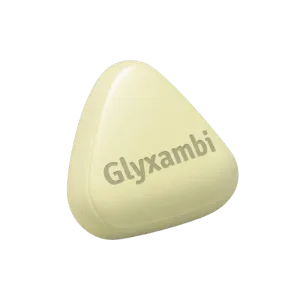
Glyxambi

Active ingredient: Empagliflozin, Linagliptin
10mg5mg
From $ 183.75
pills
4.2 (3)

Invokana

Active ingredient: Canagliflozin
100mg
From $ 338.10
pills
4.2 (3)

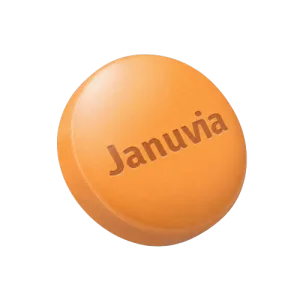
Januvia Current

Active ingredient: Sitagliptin
100mg
From $ 235.20
pills
4.2 (3)

Metformin

Active ingredient: Metformin
850mg 500mg
From $ 49.98
pills
4.2 (3)

Comparison table: Diabetes

Sources

  1. Health Canada (2024). Januvia (sitagliptin phosphate) Product Monograph
  2. U.S. Food and Drug Administration (2024). Januvia (sitagliptin) Prescribing Information
  3. Health Canada (2024). Canadian Product Information Database: Sitagliptin
  4. National Institute for Health and Care Excellence (2022). Type 2 diabetes in adults: management
  5. European Medicines Agency (2023). Sitagliptin-containing medicinal products: product information

How Buyers Rate Januvia

Based on 3 reviews

John, 54 Verified
Rating: 4 out of 5

I used Januvia as part of my type 2 diabetes routine and noticed that my readings became more predictable. Taking it at the same time each day fitted easily around breakfast and work.

Toronto Several weeks Oct 18, 2026
Catherine N., 26 Verified
Rating: 3.5 out of 5

Januvia helped my glucose numbers, but the improvement was slower than I expected. I also had mild constipation at first, which settled, although I still needed regular monitoring to see whether the treatment plan was working.

Thunder Bay Several weeks Nov 3, 2026
Joanne, 57 Verified
Rating: 5 out of 5

I found the tablet simple to include with my other diabetes medicines. My morning readings improved and I felt more confident managing the routine.

Sudbury Several weeks Nov 14, 2026
Get our free app Shop faster and track your orders 4.0 · 402 reviews Install