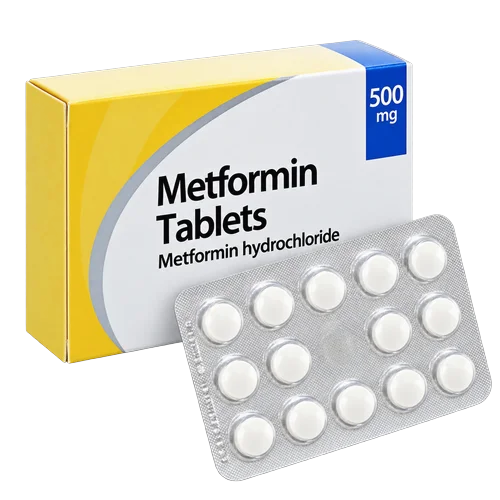
I used metformin tablets with my evening meal for several months. My morning glucose readings became more predictable, and I felt more comfortable managing my routine at work. The improvement was gradual rather than dramatic, but it was clear by the follow-up testing.
Windsor Several months Nov 12, 2026
Metformin
They contain metformin hydrochloride, a biguanide that lowers glucose production in the liver and improves insulin sensitivity. Metformin may also be used in selected patients with prediabetes under…
They contain metformin hydrochloride, a biguanide that lowers glucose production in the liver and improves insulin sensitivity. Metformin may also be used in selected patients with prediabetes under clinical supervision.
Overview
Metformin tablets are taken by mouth with meals to help control blood glucose in adults with type 2 diabetes.
How it affects the body
Metformin reduces glucose production in the liver and improves the body's sensitivity to insulin. Its action involves energy-sensing pathways such as AMP-activated protein kinase, helping tissues use glucose more effectively and lowering circulating blood glucose.
Formulation
Metformin tablets contain metformin hydrochloride, the active ingredient in the biguanide class. The amount to use and how often it is taken depend on the purpose of use and are agreed with a doctor or pharmacist.
Dosage and administration
Metformin tablets are taken by mouth with meals to help control blood glucose in adults with type 2 diabetes.
Reasons not to use it
Metformin is not suitable for everyone. This treatment is not for you if you have severe kidney impairment, metabolic acidosis, diabetic ketoacidosis, or a known serious reaction to metformin. It also requires careful review when kidney function is changing or when an acute illness could cause dehydration or reduced oxygen delivery to tissues.
Kidney function is assessed with estimated glomerular filtration rate, known as eGFR. Metformin is contraindicated when eGFR is below the threshold specified by Canadian product information, and treatment may need reassessment when kidney function falls into a low range. The exact decision depends on the result, trend, age, hydration, and other medical conditions.
Important interaction and precaution groups include:
- Cimetidine: may reduce renal clearance of metformin and raise exposure.
- Furosemide: can alter kidney function and fluid balance, requiring clinical monitoring.
- Insulin: may produce additional glucose lowering and increase hypoglycemia risk.
- Glyburide and other sulfonylureas: can add to the glucose-lowering effect.
- Amiloride: may affect renal tubular handling and deserves medication review.
- Iodinated contrast media: may require temporary interruption when contrast imaging could impair kidney function.
- Alcohol: heavy intake increases the risk of lactic acidosis, especially during fasting, dehydration, or liver disease.
When this is not for you
This medicine may not be right for you if you have serious kidney problems, a condition that makes your blood too acidic, diabetic ketoacidosis, or a serious reaction to metformin. Speak with your prescriber before taking it if you are dehydrated, seriously ill, drinking heavily, having contrast imaging, or taking medicines that can affect your kidneys.
Possible side effects
Taking tablets with food can help. Large, rich meals may still aggravate nausea or diarrhoea, so regular meals are usually easier to tolerate. Persistent vomiting or diarrhoea can cause dehydration, which matters because metformin is cleared through the kidneys.
Metformin alone rarely causes hypoglycemia. The risk rises when it is used with insulin, glyburide, glimepiride, gliclazide, glipizide, or another medicine that increases insulin activity. Symptoms of low blood glucose can include sweating, shakiness, confusion, weakness, hunger, dizziness, and a fast heartbeat.
A rare but serious complication is lactic acidosis. The risk is higher with severe kidney impairment, acute kidney injury, major dehydration, severe infection, tissue hypoxia, heavy alcohol intake, or certain serious heart and liver conditions. Warning symptoms may include marked weakness, unusual sleepiness, difficult or rapid breathing, persistent abdominal symptoms, muscle pain, feeling cold, or a slow heartbeat. These symptoms require urgent medical assessment.
Long-term metformin use may reduce vitamin B12 absorption in some patients. A clinician may check vitamin B12 when there is anaemia, numbness, tingling, balance difficulty, or another reason for concern. This is easy to miss because the symptoms can develop gradually.
A practical detail matters here: gastrointestinal symptoms do not always mean that metformin must be abandoned. The prescriber may adjust the schedule, reduce the amount temporarily, change to an extended-release formulation, or review another cause of the symptoms.

Therapeutic indications
Metformin is an oral glucose-lowering treatment used mainly for type 2 diabetes. The 500 mg tablets contain metformin hydrochloride, which helps the body respond more effectively to its own insulin. It is commonly used alongside nutrition changes, physical activity, and weight-management measures.
Type 2 diabetes develops when insulin resistance and reduced insulin production make it difficult to keep blood glucose within the target range. Metformin addresses insulin resistance without directly forcing the pancreas to release large amounts of insulin. This explains why it usually causes less hypoglycemia when used alone than insulin secretagogues.
The medication may be prescribed alone or combined with insulin and other glucose-lowering treatments. Some clinicians also consider metformin for selected people with prediabetes who have a high risk of progressing to type 2 diabetes. That use depends on individual factors such as age, body weight, blood glucose results, kidney function, and pregnancy status.
Health Canada and the World Health Organization recognize metformin as an established treatment within type 2 diabetes care. Clinical guidelines place it among the main initial pharmacological options when no specific contraindication applies [1].
Glycemic control in type 2 diabetes
Metformin lowers fasting and after-meal glucose by acting on several metabolic processes:
- It reduces the amount of glucose released by the liver.
- It improves insulin sensitivity in muscle and other tissues.
- It reduces excessive intestinal glucose handling.
- It helps lower glycated haemoglobin when taken consistently.
- It generally has a neutral effect on body weight compared with treatments that commonly cause weight gain.
Metformin does not replace insulin in type 1 diabetes. It also cannot correct high glucose caused by an acute medical emergency, severe infection, or diabetic ketoacidosis.
Comparison
Metformin mainly reduces hepatic glucose production and improves insulin sensitivity. Sitagliptin is a DPP-4 inhibitor that prolongs incretin activity and promotes glucose-dependent insulin release. NICE guidance updated in 2024 treats these as different classes that may be used separately or together according to glucose control, comorbidities, kidney function, and hypoglycemia risk [3].
Common mistakes
Several practical errors reduce the benefit of metformin or increase avoidable side effects:
- Taking tablets on an empty stomach despite recurring nausea or diarrhoea.
- Doubling the next dose after a missed tablet.
- Crushing an extended-release tablet.
- Continuing treatment during severe dehydration without seeking clinical direction.
- Failing to mention metformin before contrast imaging or surgery.
- Assuming that metformin alone prevents glucose rises after illness, steroid treatment, or major dietary changes.
- Stopping suddenly because early digestive symptoms are uncomfortable.
- Forgetting that insulin or a sulfonylurea can make hypoglycemia more likely when added to metformin.
- Treating numbness or unusual fatigue as ordinary ageing instead of discussing possible vitamin B12 deficiency.
- Drinking heavily while fasting or unwell.
What doctors say
In clinical practice, physicians often describe metformin as a steady background treatment rather than a rapid rescue drug. Its role is to improve day-to-day glucose regulation over time, with results assessed through home glucose readings, glycated haemoglobin, symptoms, kidney function, and treatment tolerance.
A doctor will usually pay close attention to the first weeks of therapy. Diarrhoea or nausea may indicate that the starting schedule is too aggressive, that tablets are being taken without food, or that another gastrointestinal problem is present. Changing the timing or formulation can help, but dose changes should follow the prescribed plan.
The expected benefit also depends on the starting glucose level and the cause of poor control. Metformin cannot compensate for missed doses, severe dietary restriction followed by overeating, dehydration, or another untreated illness. It is one part of diabetes management.
Long-term treatment is common when it continues to control glucose and kidney function remains suitable. Monitoring may include eGFR and vitamin B12, especially when treatment continues for years or symptoms suggest deficiency.
Common questions
What should I do after missing a metformin dose?
Take the missed dose when remembered unless the next scheduled dose is close. Do not take two doses together to compensate. Health Canada product information published in 2023 supports avoiding dose doubling because it can increase digestive adverse effects without restoring the missed treatment benefit.
How long does one metformin dose keep working?
Metformin is intended for regular treatment, not occasional correction of a single high glucose reading. The duration of action depends on the formulation, kidney clearance, meal pattern, and prescribed schedule. The World Health Organization’s 2023 diabetes guidance supports consistent glucose-lowering treatment rather than intermittent use for type 2 diabetes.
Can metformin be taken with food or on an empty stomach?
Metformin tablets are commonly taken with meals because food can reduce nausea, abdominal discomfort, and diarrhoea. The timing may differ between immediate-release and extended-release formulations. Health Canada’s 2023 product information describes meal-related administration as part of practical tolerability management.
Does metformin cause diarrhoea?
Yes, diarrhoea is a well-known adverse effect, especially during treatment initiation or after a dose increase. It often improves when tablets are taken with food or when the prescriber adjusts the schedule or formulation. The European Medicines Agency’s metformin information identifies gastrointestinal symptoms among the most frequently reported tolerability problems [2].
How long does a metformin course last, and is long-term use acceptable?
Metformin is often continued for as long as it helps control type 2 diabetes and remains suitable for kidney function and general health. It is not normally prescribed as a short course with a fixed end date. Diabetes Canada guidance published in 2024 supports ongoing reassessment of glucose control, kidney function, adverse effects, and vitamin B12 risk during long-term treatment.
How does metformin differ from sitagliptin?
Metformin mainly reduces hepatic glucose production and improves insulin sensitivity. Sitagliptin is a DPP-4 inhibitor that prolongs incretin activity and promotes glucose-dependent insulin release. NICE guidance updated in 2024 treats these as different classes that may be used separately or together according to glucose control, comorbidities, kidney function, and hypoglycemia risk [3].
Do you offer anonymous delivery?
Your order will be securely packed and shipped within 24 hours. This is exactly what your package will look like (images of an actual item sent). It has the size and look of a regular private letter (24x11x0.7 cm) and its contents cannot be seen.
Comparison
Sources
- Health Canada (2023). Product monograph for metformin hydrochloride tablets.
- European Medicines Agency (2022). Metformin: summary of product characteristics.
- National Institute for Health and Care Excellence (2024). Type 2 diabetes in adults: management (NG28).
How Buyers Rate Metformin
Based on 3 reviews
I noticed better glucose numbers after starting metformin, although the first couple of weeks brought loose stools. Taking it with a proper meal helped, and the symptoms settled enough for me to continue. It was useful, but it took patience to find a routine that worked.
Kelowna The first couple of weeks Oct 14, 2026Metformin became part of my daily plan for type 2 diabetes. After several weeks, my readings were less erratic and I had fewer very high results after meals. I liked that the tablets fitted easily into my normal evening routine.
Lethbridge Several weeks Oct 29, 2026