Guelph, I used Glyxambi once daily for several weeks and noticed steadier glucose readings through the workday. The tablet fitted easily into my morning routine, and I felt more confident managing my usual meals and activity.
Guelph Several weeks Nov 18, 2026
Glyxambi
Glyxambi is intended for adults with type 2 diabetes who need additional blood-glucose control alongside diet and exercise. Its dual action increases urinary glucose removal and supports…
Glyxambi is intended for adults with type 2 diabetes who need additional blood-glucose control alongside diet and exercise. Its dual action increases urinary glucose removal and supports glucose-dependent insulin release.
Overview
Empagliflozin, an SGLT2 inhibitor, and linagliptin, a DPP-4 inhibitor, are the active ingredients in Glyxambi.
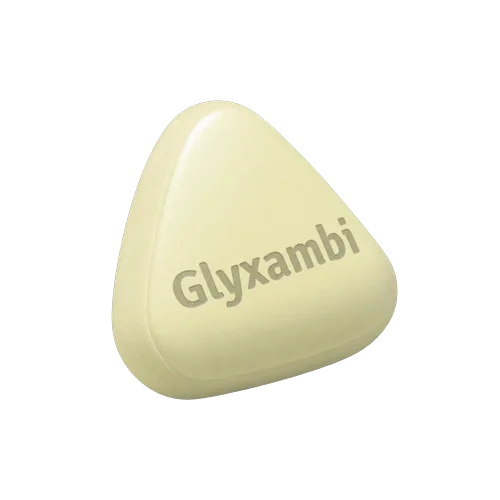
Glyxambi is a prescription fixed-dose combination tablet for adults with type 2 diabetes.
How it affects the body
Empagliflozin blocks sodium-glucose cotransporter 2 in the kidney, reducing glucose reabsorption and increasing urinary glucose excretion. Linagliptin blocks dipeptidyl peptidase-4, slowing the breakdown of incretin hormones. This increases glucose-dependent insulin release and reduces glucagon signalling when glucose is high.
Formulation
Glyxambi contains empagliflozin and linagliptin. Empagliflozin blocks sodium-glucose cotransporter 2, known as SGLT2, in the kidney. Linagliptin blocks the enzyme dipeptidyl peptidase-4, known as DPP-4. The Health Canada product monograph describes these complementary mechanisms and their role in improving glycemic control [1].
Empagliflozin and SGLT2 Inhibition
The kidneys filter glucose from the blood, then normally reclaim much of it through SGLT2 transporters. Empagliflozin reduces this reabsorption, allowing more glucose to leave the body in urine. This lowers blood glucose without directly forcing the pancreas to release insulin.
The same process can increase urine volume and fluid loss. Some people notice more frequent urination, thirst, dizziness, or a drop in blood pressure, especially during hot weather, vomiting, diarrhoea, or vigorous exercise.
Empagliflozin may also reduce glucose independently of insulin. Its renal action differs from medicines that mainly stimulate insulin secretion or slow carbohydrate digestion.
Linagliptin and DPP-4 Inhibition
After meals, incretin hormones help the pancreas release insulin when blood glucose is elevated. DPP-4 breaks down these hormones. Linagliptin slows that breakdown, allowing incretin activity to last longer.
The result is increased glucose-dependent insulin release and reduced glucagon signalling when glucose is high. Because this activity is linked to blood-glucose levels, linagliptin alone has a lower tendency to cause hypoglycemia than insulin or sulfonylureas. The risk rises when Glyxambi is combined with insulin or a sulfonylurea.
The European Medicines Agency recognises empagliflozin and linagliptin as agents with distinct glucose-lowering mechanisms, which explains the rationale for combining them in one tablet [2].

Dosage and administration
Glyxambi is taken as an oral tablet once daily, with or without food. The prescriber chooses the individual dose according to diabetes control, kidney function, previous treatment, and the intended combination with other medicines.
- Take the tablet at the same time each day.
- Swallow it with water.
- Do not take extra tablets after a missed dose.
- If the next scheduled dose is near, skip the missed dose and resume the normal schedule.
- Do not double the next intake.
- Maintain fluid intake unless a clinician has prescribed fluid restriction.
- Continue dietary and activity measures used for diabetes management.
The amount per intake is set individually rather than being one fixed number for every person. Glyxambi tablets contain a fixed pairing of empagliflozin and linagliptin, so the tablet should not be treated as two independently adjustable medicines.
A missed tablet does not justify taking two tablets together. People who regularly forget doses may benefit from linking the tablet to a stable morning or evening routine, such as brushing their teeth, rather than relying on memory alone.
Reasons not to use it
The medicine is not intended for people with type 1 diabetes or active diabetic ketoacidosis. It should not be used by anyone with a serious allergy to empagliflozin, linagliptin, or an excipient in the tablet.
Treatment requires careful medical review in people with:
- reduced kidney function;
- recurrent dehydration or low blood pressure;
- frequent urinary or genital infections;
- a history of pancreatitis;
- severe liver disease;
- heart failure treated with diuretics;
- a history of ketoacidosis;
- pregnancy or breastfeeding;
- planned surgery, prolonged fasting, or a very restricted-carbohydrate diet.
Glyxambi can increase the risk of hypoglycemia when combined with insulin or a sulfonylurea. The dose of the other glucose-lowering medicine may need adjustment. Diuretics can add to fluid loss and dizziness.
Strong enzyme or transporter inducers, including rifampicin, carbamazepine, phenytoin, and phenobarbital, may reduce linagliptin exposure and weaken glucose control. Tell the prescriber about non-prescription medicines, herbal products, and medicines used intermittently.
When this is not for you
NOT for you if you have type 1 diabetes, active diabetic ketoacidosis, or a serious allergy to either ingredient; discuss alternatives with a clinician.
Possible side effects
Glyxambi can cause adverse effects from either active ingredient. Urinary tract infections, increased urination, genital fungal infections, thirst, and dehydration-related symptoms are linked mainly to empagliflozin. Nasopharyngitis, meaning inflammation affecting the nose and throat, has been reported with linagliptin and related DPP-4 inhibitor treatment.
Common or clinically relevant effects include:
- increased urination or thirst;
- genital itching, soreness, or discharge;
- urinary burning, urgency, or pelvic discomfort;
- dizziness from fluid loss;
- constipation;
- nasopharyngitis or upper-respiratory symptoms;
- headache;
- joint pain;
- low blood glucose when combined with insulin or a sulfonylurea.
Most mild effects do not require stopping the medicine without medical direction, but urinary and genital symptoms should not be ignored. Untreated infection can become more serious, while dizziness may signal excessive fluid loss.
Rare reactions require urgent assessment. Seek immediate medical care for:
- nausea, vomiting, abdominal pain, unusual tiredness, confusion, or rapid breathing, which may indicate ketoacidosis even when glucose is not extremely high;
- severe or persistent abdominal pain that may spread to the back, with or without vomiting, which can indicate acute pancreatitis;
- swelling of the face, lips, tongue, or throat;
- difficulty breathing or widespread blistering skin;
- severe weakness, fainting, or inability to keep fluids down;
- pain, redness, swelling, or tenderness around the genitals or perineum with fever.
The FDA prescribing information identifies ketoacidosis, volume depletion, serious urinary infections, genital infections, hypersensitivity reactions, and pancreatitis as clinically significant risks requiring attention [3].
One practical point is easy to miss: ketoacidosis can occur with only moderately elevated blood glucose. Feeling ill with nausea, abdominal pain, or deep rapid breathing matters more than relying on a single glucose reading.
Another detail concerns surgery or prolonged fasting. The diabetes team may advise temporarily withholding empagliflozin before planned procedures because fasting and dehydration can increase ketoacidosis risk.
Therapeutic indications
Glyxambi is used with diet and physical activity when one medicine alone does not provide adequate glycemic control. Glyxambi may suit an adult who needs the combined effects of empagliflozin and linagliptin and prefers an oral regimen. Glyxambi can be used with insulin in selected patients, but the combination may increase hypoglycemia risk and requires deliberate dose management.
Comparison
Treatment choice depends on the clinical target. Glyxambi combines an SGLT2 inhibitor with a DPP-4 inhibitor in one oral tablet, while other approaches focus on insulin replacement, incretin injection, or one renal glucose-lowering pathway.
| Treatment approach | Main mechanism and practical distinction |
|---|---|
| Glyxambi | Empagliflozin promotes urinary glucose excretion; linagliptin supports glucose-dependent insulin release; one tablet is taken once daily. |
| SGLT2 inhibitor alone | Uses renal glucose excretion through one active pathway; may be chosen when that mechanism fits the patient’s treatment goals. |
| GLP-1 receptor agonist | Injectable incretin-based treatment that can produce stronger appetite and weight effects in some patients, with gastrointestinal effects and injection administration. |
Jardiance contains empagliflozin without linagliptin, so it provides the SGLT2 component alone. Farxiga contains dapagliflozin, another SGLT2 inhibitor, with a similar broad renal mechanism but a different active substance. Ozempic contains semaglutide, a GLP-1 receptor agonist administered by injection, and it follows a different treatment pathway.
A single-agent SGLT2 inhibitor may be simpler when one mechanism is sufficient. A GLP-1 receptor agonist may be considered when weight reduction or a stronger incretin effect is a central treatment goal.
Insulin remains essential when endogenous insulin production is inadequate or when glucose levels require insulin replacement.
Glyxambi has clear advantages: dual oral therapy, once-daily administration, and two complementary glucose-lowering mechanisms. Its limitations include infection risk, fluid loss, ketoacidosis risk, kidney-related prescribing restrictions, and the need for caution during acute illness.
Common mistakes
Several everyday mistakes can reduce benefit or raise risk:
- taking two tablets after forgetting the previous dose;
- stopping fluid intake to avoid urination;
- continuing the medicine through severe vomiting or diarrhoea without contacting the diabetes team;
- assuming normal-looking glucose rules out ketoacidosis;
- ignoring genital itching, urinary burning, or unusual discharge;
- failing to mention insulin, sulfonylureas, diuretics, or seizure medicines;
- continuing Glyxambi through prolonged fasting or surgery without a medication plan;
- crushing or chewing the tablet instead of swallowing it whole;
- stopping diet and activity measures because the tablet is being taken.
The tablet should be swallowed whole unless a prescriber or pharmacist provides a specific alternative instruction. Crushing or chewing can make administration unpredictable and is unnecessary for this dosage form. Use water to take it at the scheduled time. Ask a pharmacist if swallowing is difficult. Do not alter the tablet without professional advice.
A common misconception is that hypoglycemia cannot occur with Glyxambi. The risk is lower with linagliptin alone than with insulin, but adding insulin or a sulfonylurea changes the risk profile.
What doctors say
In clinical practice, physicians often assess three questions before choosing Glyxambi: whether the patient needs more than one glucose-lowering pathway, whether kidney function supports empagliflozin use, and whether dehydration or infection risk is manageable.
A clinician would also separate ordinary increased urination from warning symptoms. More urine can reflect the SGLT2 mechanism; faintness, inability to drink, severe weakness, or persistent vomiting suggests a problem requiring prompt assessment.
Blood glucose is only one part of follow-up. Kidney function, hydration, genital symptoms, urinary symptoms, weight changes, blood pressure, and episodes of low glucose also guide treatment decisions. The American Diabetes Association places medication selection within a broader plan that considers cardiovascular, renal, metabolic, and patient-preference factors [4].
Doctors usually expect adherence to diet, physical activity, glucose monitoring when prescribed, and sick-day instructions to continue alongside Glyxambi. A tablet cannot compensate for prolonged dehydration, repeated missed doses, or unrecognised infection.
Common questions
Which symptoms mean I should stop Glyxambi and seek urgent medical care?
Severe nausea, vomiting, abdominal pain, rapid breathing, confusion, profound weakness, or unusual sleepiness may signal ketoacidosis and require urgent assessment. Severe abdominal pain that persists or moves to the back may indicate pancreatitis. The Health Canada safety information available in 2024 also identifies allergic reactions, serious infection, and severe dehydration as reasons for urgent medical attention. Do not take another dose while seeking emergency advice if these symptoms are present.
What should I discuss with a doctor before starting Glyxambi?
Discuss kidney function, dehydration, low blood pressure, recurrent urinary or genital infections, pancreatitis, ketoacidosis, pregnancy, breastfeeding, and planned surgery. Provide a complete list of insulin, sulfonylureas, diuretics, seizure medicines, antibiotics, and supplements. WHO diabetes guidance published in 2023 supports individualising glucose-lowering treatment around comorbidities, treatment risks, and patient circumstances. Mention prolonged fasting or a very low-carbohydrate diet as well.
How long does a Glyxambi course last, and is long-term use acceptable?
Glyxambi is generally used as ongoing diabetes treatment rather than as a short course for a temporary illness. The duration depends on glucose control, kidney function, tolerability, and the balance of benefits and risks for the individual. The European Medicines Agency information current before 2026 supports continued treatment when clinical benefit remains appropriate and monitoring is satisfactory. Do not stop it abruptly or extend treatment without regular medical review.
Can Glyxambi tablets be split, crushed, or chewed?
Glyxambi tablets should be swallowed whole with water rather than split, crushed, or chewed. The tablet combines two active ingredients in a fixed formulation, so altering it does not create separate adjustable doses. Health Canada product information from 2024 describes oral administration as a whole tablet, with or without food. If swallowing is difficult, discuss a suitable formulation or alternative treatment before changing the tablet.
Do you offer anonymous delivery?
Your order will be securely packed and shipped within 24 hours. This is exactly what your package will look like (images of an actual item sent). It has the size and look of a regular private letter (24x11x0.7 cm) and its contents cannot be seen.
Comparison
Sources
- Health Canada (2024). Product Monograph: Glyxambi (empagliflozin and linagliptin tablets).
- European Medicines Agency (2024). Jardiance: European public assessment report and product information.
- U.S. Food and Drug Administration (2023). Glyxambi Prescribing Information.
- American Diabetes Association (2024). Standards of Care in Diabetes—2024.
How Buyers Rate Glyxambi
Based on 3 reviews
Ottawa, Glyxambi helped bring my readings closer to the range my diabetes team had set. I liked taking one tablet instead of adding another separate medicine, and the routine became straightforward after the first week.
Ottawa After the first week Oct 21, 2026Charlottetown, Glyxambi helped at first, but the benefit felt incomplete after a while. I also had more thirst and urination than expected, so I discussed the symptoms with my doctor instead of changing the dose myself.
Charlottetown Nov 4, 2026