Regina, I used once-daily Vesicare for several weeks for urgency and nighttime bathroom trips. The sudden rushes became much easier to manage, and I was able to sleep for longer stretches. I was satisfied with the improvement.
Regina Several weeks Nov 3, 2026
Vesicare
Adults with overactive bladder, urinary urgency, frequent urination, or urge urinary incontinence may be prescribed Vesicare. It contains solifenacin succinate, an antimuscarinic that relaxes…
Adults with overactive bladder, urinary urgency, frequent urination, or urge urinary incontinence may be prescribed Vesicare. It contains solifenacin succinate, an antimuscarinic that relaxes involuntary bladder contractions and supports better bladder control.
Overview
Vesicare contains solifenacin succinate, the active pharmaceutical ingredient responsible for its antimuscarinic action. It belongs to the anticholinergic and antispasmodic medicine families. Health Canada and the European Medicines Agency recognize solifenacin as a treatment option for symptoms associated with overactive bladder [1].
How it affects the body
During bladder filling, the detrusor muscle should remain relaxed. Near urination, nerve signals release acetylcholine, which activates muscarinic receptors and causes the detrusor muscle to contract. In overactive bladder, unwanted contractions can produce urgency and frequency before normal bladder capacity is reached.
Solifenacin competitively blocks muscarinic receptors, especially the M3 receptor pathway involved in detrusor contraction. The result is less involuntary bladder activity during the filling phase. Vesicare can therefore reduce urgency, urinary frequency, and urge urinary incontinence without directly forcing the bladder to empty.
Solifenacin is selective for muscarinic receptors in the urinary bladder, though antimuscarinic effects can also affect the mouth, bowel, eyes, and digestive tract. This explains both its intended action and many of its predictable side effects.
Formulation
Vesicare contains solifenacin succinate as its active pharmaceutical ingredient. Solifenacin is an antimuscarinic medicine with anticholinergic and antispasmodic properties used for overactive bladder symptoms.
Dosage and administration
Vesicare tablets are taken by mouth. The regimen for the selected strength should be confirmed with a healthcare professional before treatment begins.
- Take the prescribed tablet once daily.
- Swallow the tablet whole with water.
- Take it at approximately the same time each day.
- It may be taken with food or on an empty stomach.
- Do not crush, chew, or split the tablet unless a prescriber specifically instructs this.
- If a dose is missed, take it when remembered unless the next dose is near.
- Do not take two doses together to compensate for a missed tablet.
The selected strength may be adjusted when symptoms remain troublesome or when adverse effects are difficult to tolerate. Kidney function, liver function, age, and interacting medicines can affect the appropriate regimen.
One practical issue is delayed recognition of constipation. Solifenacin can slow bowel movement, and constipation may worsen bladder discomfort or make urinary symptoms feel more complicated. Adequate fluid intake, dietary fibre, and early attention to harder stools can help when medically appropriate.
Do not stop long-term treatment abruptly without discussing the reason with the prescriber. Stopping may allow urgency, frequency, or leakage to return, while persistent side effects may require a dose review or a different treatment approach.
Reasons not to use it
Contraindications
Vesicare is not for you if you have any of the following conditions:
- Urinary retention or a significant inability to empty the bladder
- Uncontrolled angle-closure glaucoma
- Severe gastrointestinal retention or severe bowel obstruction
- A serious allergic reaction to solifenacin or one of its ingredients
- Severe liver impairment when combined with a strong CYP3A4 inhibitor
Extra caution is needed with reduced kidney function, moderate liver impairment, a history of QT prolongation, heart rhythm disease, severe constipation, autonomic neuropathy, or conditions that increase urinary retention risk.
Pregnancy and breastfeeding require an individual risk assessment because treatment decisions depend on symptom severity, available alternatives, and the clinical circumstances. Solifenacin should not be started casually during pregnancy or breastfeeding.
When this is not for you
This treatment may not be suitable if you cannot empty your bladder, have uncontrolled angle-closure glaucoma, severe bowel obstruction, severe liver disease, or a serious allergy to solifenacin. Tell a healthcare professional if you have heart rhythm problems, severe constipation, kidney or liver disease, or are pregnant or breastfeeding.
Possible side effects
The most familiar antimuscarinic effects are dry mouth and constipation. Blurred vision, dry eyes, indigestion, nausea, abdominal discomfort, fatigue, headache, and urinary retention can also occur. The Vesicare product information identifies dry mouth and constipation among the more frequent adverse reactions [2].
| Frequency pattern | Possible effects | Practical response |
|---|---|---|
| Common antimuscarinic effects | Dry mouth, constipation, blurred vision, dry eyes | Maintain appropriate hydration, manage bowel regularity, and report persistent symptoms |
| Less frequent effects | Dizziness, sleepiness, nausea, abdominal discomfort, urinary difficulty | Use caution with driving and report symptoms that interfere with daily activities |
| Serious or urgent effects | Inability to urinate, severe eye pain, facial swelling, fainting, marked palpitations | Seek urgent medical assessment |
Dry mouth can increase dental discomfort and make swallowing less pleasant. Sugar-free gum, saliva-substitute products, and regular dental care may help. Alcohol-containing mouthwashes can feel harsh when the mouth is already dry.
Constipation deserves attention rather than being dismissed as a minor nuisance. A swollen or uncomfortable bowel can increase pelvic pressure, while severe constipation may worsen urinary difficulty. Sudden inability to pass urine is more urgent and requires prompt medical attention.
Blurred vision can affect driving, cycling, and work that requires sharp focus. A sudden painful red eye with blurred vision may indicate acute angle-closure glaucoma and needs urgent assessment.
Solifenacin has a potential association with QT interval prolongation, a change in the heart’s electrical recovery time. The concern is greater in people with known long-QT syndrome, certain heart rhythm disorders, electrolyte abnormalities, or combinations of medicines that also prolong the QT interval. The risk profile is described in regulatory product information rather than inferred from ordinary dry-mouth symptoms .
Therapeutic indications
Indications for Overactive Bladder Management
Vesicare is prescribed for adults with symptoms such as:
- A sudden, difficult-to-delay need to urinate
- Urinating more often than usual
- Urge urinary incontinence
- Bladder contractions that occur before the bladder is adequately full
- Nighttime urination associated with overactive bladder symptoms
Vesicare does not treat every cause of urinary leakage. Stress incontinence, urinary infection, prostate obstruction, neurological bladder disorders, and excessive fluid intake may require different assessment and management.
Comparison
Vesicare is one option among several prescription treatments for overactive bladder. The alternatives differ in receptor target, dosing schedule, blood-pressure effects, and anticholinergic burden.
| Treatment approach | Main medicines or class | Practical distinction |
|---|---|---|
| Antimuscarinic therapy | Solifenacin, tolterodine, fesoterodine, oxybutynin, darifenacin, trospium chloride | Reduces acetylcholine-driven bladder contractions; dry mouth and constipation are common class concerns |
| Beta-3 adrenergic therapy | Mirabegron | Relaxes the detrusor through beta-3 receptor stimulation; blood pressure requires attention |
| Non-drug bladder training | Scheduled voiding, pelvic-floor rehabilitation, fluid and caffeine review | Useful alongside medicine and may reduce symptom triggers without drug-related adverse effects |
Tolterodine and fesoterodine are antimuscarinics with related clinical goals. Oxybutynin may help urinary urgency but can produce troublesome dry mouth, constipation, blurred vision, or cognitive effects in susceptible patients. Darifenacin has greater M3 receptor selectivity, while trospium chloride has limited passage across the blood-brain barrier compared with some other antimuscarinics.
Mirabegron may be considered when antimuscarinic effects are difficult to tolerate. It can raise blood pressure and may interact with medicines metabolized through specific liver enzymes. Some patients receive sequential treatment, while others receive combination therapy under clinical supervision.
Common mistakes
Several practical mistakes can reduce the benefit of Vesicare or make side effects harder to interpret.
- Taking an extra tablet after one missed dose
- Stopping after only a few days because urgency has not changed yet
- Ignoring constipation until bowel movements become painful
- Continuing a high caffeine intake while judging urinary frequency
- Using several medicines with anticholinergic effects without a medication review
- Driving after blurred vision or dizziness appears
- Assuming all urinary leakage is caused by overactive bladder
- Treating sudden inability to urinate as an ordinary side effect
- Failing to mention glaucoma, heart rhythm problems, kidney disease, or liver disease
- Crushing the tablet when swallowing difficulties have not been assessed
One easily missed detail is the cumulative anticholinergic burden. Some medicines for allergies, sleep, bowel spasm, nausea, or other conditions can add to dry mouth, constipation, blurred vision, confusion, or urinary retention.
Another common mistake is measuring fluid intake too aggressively. Restricting fluids can cause dehydration and concentrated urine, which may irritate the bladder. The aim is balanced hydration, not deliberate dehydration.
What doctors say
In clinical practice, prescribers usually define success by improved bladder control rather than complete elimination of every urinary symptom. A meaningful response may involve fewer leakage episodes, longer intervals between bathroom visits, or less fear of being unable to reach a toilet.
The first review often focuses on three points: symptom change, bowel function, and anticholinergic effects such as dry mouth or blurred vision. A patient who reports fewer urgent episodes but develops severe constipation may need a different plan. Treatment decisions are based on the balance between benefit and tolerability.
Physicians also look for alternative causes when symptoms change suddenly. Burning urination, fever, visible blood in urine, flank pain, new weakness, or sudden worsening can point toward infection, stones, neurological disease, or another condition rather than uncomplicated overactive bladder.
The National Institute for Health and Care Excellence recommends reviewing bladder symptoms, conservative measures, and treatment tolerability when managing overactive bladder and urinary incontinence [3]. Canadian clinical practice follows the same general principle: medication works best when the diagnosis and treatment goal are clear.
Common questions
How long does one Vesicare dose keep working?
Vesicare is designed for once-daily use, so each dose is intended to cover the daily dosing interval rather than require repeated doses throughout the day. Solifenacin has a relatively long elimination half-life, which supports this schedule. The EMA's 2024 product information describes once-daily administration and gradual assessment of clinical response. A missed dose should not be replaced with two tablets at once.
Can alcohol be used while taking Vesicare?
Health Canada does not describe a simple universal alcohol prohibition for solifenacin, but alcohol may worsen dizziness, drowsiness, blurred vision, or impaired concentration. It can also increase nighttime urination and make bladder symptoms harder to assess. Health Canada's 2024 product monograph advises attention to adverse effects that may affect alertness and daily function. Avoid driving or other hazardous activity if alcohol and Vesicare together make you feel unsteady or visually impaired.
What should happen if the expected result does not come?
A partial response should lead to a structured review rather than an automatic dose increase. The prescriber may reassess the diagnosis, adherence, caffeine intake, constipation, urinary infection, fluid patterns, and other medicines. NICE guidance published in 2019 supports reviewing symptom response and tolerability when treatment for urinary incontinence is not meeting its goal . Persistent leakage, blood in urine, fever, pain, or new neurological symptoms need clinical assessment.
Can Vesicare be taken with food or on an empty stomach?
Vesicare tablets can be taken with food or without food, provided the daily schedule remains consistent. Food does not require a special separation interval for ordinary use. The EMA's 2024 product information describes oral administration without a food restriction. Taking the tablet at a regular time can make missed doses less likely.
Is Vesicare suitable for older adults?
Older adults may use solifenacin, but prescribing requires closer attention to constipation, urinary retention, blurred vision, dizziness, kidney function, and cognitive symptoms. Age-related changes can increase sensitivity to anticholinergic effects, especially when several medicines have similar properties. The World Health Organization emphasizes medication review and individualized prescribing for older people in its medication-safety work published in 2019 [4]. New confusion, falls, severe constipation, or difficulty urinating should prompt a treatment review.
Which condition rules Vesicare out?
Uncontrolled angle-closure glaucoma is a specific condition that can rule out solifenacin. Urinary retention, severe gastrointestinal retention, and a serious allergy to solifenacin are also important exclusions. Health Canada's 2024 product information identifies these contraindications and warnings for Vesicare. A history of glaucoma does not always mean every form of glaucoma carries the same risk, so the exact diagnosis matters.
Do you offer anonymous delivery?
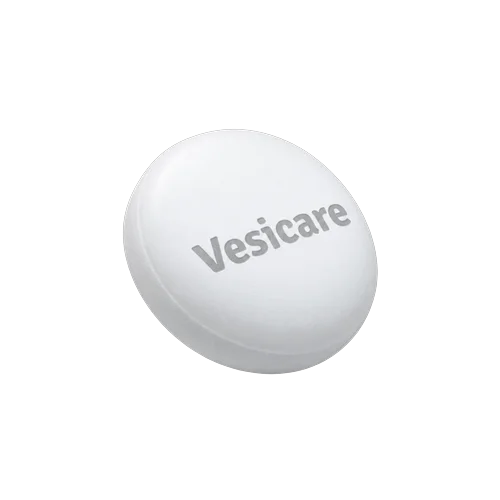
Your order will be securely packed and shipped within 24 hours. This is exactly what your package will look like (images of an actual item sent). It has the size and look of a regular private letter (24x11x0.7 cm) and its contents cannot be seen.
Comparison
Sources
- Health Canada (2024). Vesicare (solifenacin succinate) Product Monograph.
- European Medicines Agency (2024). Vesicare: Product Information.
- National Institute for Health and Care Excellence (2019). Urinary incontinence and pelvic organ prolapse in women: management.
- World Health Organization (2019). Medication Safety in Polypharmacy: Technical Report.
How Buyers Rate Vesicare
Based on 5 reviews
Guelph, I took the prescribed once-daily tablet for about a month. The frequency settled down, and I stopped planning every errand around the nearest washroom. It took some patience before I noticed the full benefit, but the result was worthwhile.
Guelph About a month Nov 7, 2026Kelowna, Vesicare did not improve my urgency enough to justify continuing it. I also developed bothersome dry mouth and constipation, so I stopped and discussed other options with my doctor.
Kelowna Oct 11, 2026St. Catharines, After several weeks of once-daily treatment, I had fewer leakage episodes during the day and more confidence leaving home. The tablet was easy to fit into my routine, and I was pleased with the change.
St. Catharines Several weeks Oct 22, 2026Moncton, The once-daily medicine reduced some of the urgency, although the improvement was incomplete. Dry mouth became noticeable in the evenings, so I spoke with my doctor about whether the regimen was suitable.
Moncton Oct 16, 2026