My sleep became more settled first, then my mood and concentration improved. I felt more able to manage normal workdays and was satisfied with the result.
St. Catharines Several weeks Nov 8, 2026
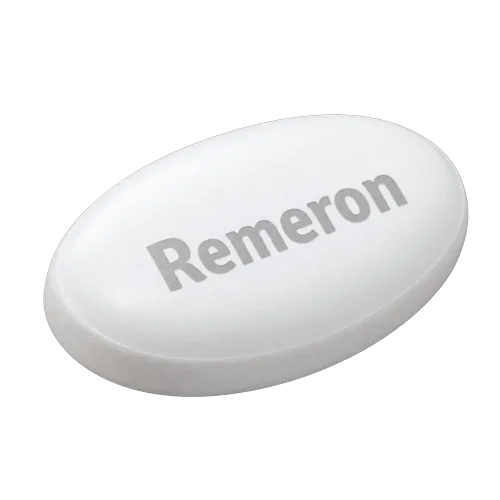
Remeron
Remeron is used for major depressive disorder in adults and contains mirtazapine, an atypical antidepressant. It supports serotonin and norepinephrine signalling, while its calming effects can also…
Remeron is used for major depressive disorder in adults and contains mirtazapine, an atypical antidepressant. It supports serotonin and norepinephrine signalling, while its calming effects can also help when depression includes poor sleep or reduced appetite.
Overview
Remeron contains mirtazapine, a noradrenergic and specific serotonergic antidepressant, often abbreviated as NaSSA. It is supplied as oral tablets. Mirtazapine is prescribed mainly for major depressive disorder.
How it affects the body
Mirtazapine increases noradrenergic and serotonergic neurotransmission through alpha-2 receptor antagonism. In plain language, it removes part of the braking signal that limits the release of norepinephrine and serotonin. Its additional 5-HT2, 5-HT3, and H1 receptor effects shape the experience of treatment.
This differs from SSRIs, which primarily block the serotonin transporter and increase serotonin availability in the synaptic space. SNRIs block the reuptake of serotonin and norepinephrine. Remeron changes signalling through receptor modulation instead of relying on reuptake inhibition as its main action.
Formulation
Remeron contains mirtazapine, a noradrenergic and specific serotonergic antidepressant, often abbreviated as NaSSA. It is supplied as oral tablets. Mirtazapine is prescribed mainly for major depressive disorder, where persistent low mood, loss of interest, sleep disruption, appetite changes, and reduced concentration occur together.
Unlike selective serotonin reuptake inhibitors, mirtazapine does not work mainly by blocking serotonin reuptake. It blocks presynaptic alpha-2 receptors, which increases the release of norepinephrine and serotonin in relevant brain pathways. It also blocks certain serotonin receptors linked with nausea, sexual dysfunction, and anxiety-related activation.
The medicine is taken by mouth. Its sedating action is often strongest after the evening dose, especially during the first days of treatment.
Pharmacological profile of mirtazapine
Mirtazapine acts at several receptor sites:
- Alpha-2 adrenergic receptors: blockade increases noradrenergic and serotonergic signalling.
- 5-HT2 receptors: blockade may reduce some serotonin-related activation and sexual adverse effects.
- 5-HT3 receptors: blockade may reduce nausea and gastrointestinal stimulation.
- Histamine H1 receptors: blockade contributes to sleepiness and increased appetite.
This receptor profile explains the main trade-off. Remeron may be useful when depression occurs with insomnia or low appetite, but daytime drowsiness and weight gain can be troublesome for some people. The Canadian product monograph describes these effects alongside the medicine’s antidepressant indications [1].
Dosage and administration
The intended benefit develops gradually rather than immediately after the first tablet.
Patients may notice better sleep or appetite before they notice a clear change in mood. A sustained antidepressant response commonly requires consistent treatment over several weeks. Stopping after a few days can make the medicine seem ineffective when the treatment has not had enough time to show its full effect.
The correct amount of Remeron differs between strengths and between users, so there is no single dose that suits everyone. The prescriber selects the starting amount and any later adjustment according to response, tolerability, age, liver or kidney function, and concurrent medicines.
General administration principles include:
- take the tablet orally, usually once daily in the evening;
- swallow it as directed with water;
- take it at a consistent time;
- do not change the amount or frequency without a prescribing decision;
- continue treatment for the duration advised for the depressive illness;
- if a dose is missed and the next scheduled dose is near, skip the missed dose rather than taking extra tablets.
Mirtazapine is not an as-needed sleeping tablet. Taking additional tablets after a poor night of sleep increases the risk of excessive sedation, confusion, impaired coordination, and other adverse effects.
Treatment should not be stopped suddenly after regular use unless urgent medical advice requires it. Abrupt discontinuation can produce dizziness, nausea, headache, agitation, abnormal dreams, sweating, or sleep disturbance. A gradual reduction is commonly used when treatment is ending.
One practical mistake is taking the medicine at bedtime and then planning to drive early the next morning without knowing how strongly it causes sedation. Another is changing the dose because a lower amount feels more sedating. Dose-response patterns are not simple, and a prescriber should guide adjustments.
Reasons not to use it
It should not be used by a person with a known hypersensitivity to mirtazapine or its formulation components. It must not be combined with a monoamine oxidase inhibitor.
- MAO inhibitors: combining them with mirtazapine can cause serious reactions, including serotonin toxicity and dangerous blood-pressure changes. A suitable washout interval is required when switching between these treatments.
- Tramadol: may increase serotonergic toxicity and seizure risk.
- Diazepam and other sedatives: can add to drowsiness, slowed reaction time, poor coordination, and impaired breathing in vulnerable people.
- St. John’s wort: can alter antidepressant effects and increase the risk of serotonin-related reactions.
- Alcohol: can intensify sedation and reduce alertness.
- Other antidepressants or serotonergic medicines: may increase the risk of serotonin syndrome.
- Medicines affecting liver enzymes: may change mirtazapine exposure and alter tolerability.
When this is not for you
Remeron may not be for you if sedation, weight gain, or medicine interactions would create unacceptable risk. People with epilepsy, bipolar disorder, liver disease, kidney disease, low blood pressure, glaucoma, diabetes, or a history of severe allergic reactions need individual assessment. Older adults may be more vulnerable to dizziness, falls, confusion, and low sodium.
Pregnancy and breastfeeding also require a specific risk assessment. The decision depends on the severity of depression, previous response, pregnancy stage, breastfeeding plans, and available alternatives. The EMA product information describes mirtazapine’s warnings, interactions, and reproductive considerations [4].
Possible side effects
The most frequently recognised adverse effects of mirtazapine include drowsiness, sedation, increased appetite, weight gain, dry mouth, constipation, dizziness, and headache. Sleepiness may be strongest near the beginning of treatment and may lessen as the body adapts, although it can persist.
Increased appetite can be useful for a person whose depression has caused poor intake. It can be unwelcome for someone with obesity, diabetes, metabolic syndrome, or a history of binge eating. Weight should be monitored without turning every day into a measurement exercise; a steady upward trend is more meaningful than a single reading.
Dry mouth may improve with regular water intake and sugar-free gum. Constipation may respond to adequate fluids, dietary fibre, and gentle physical activity when those measures are suitable. Alcohol can intensify sedation and impaired coordination.
Other possible effects include vivid dreams, restless feelings, swelling, low blood pressure when standing, and changes in cholesterol or triglycerides. Anyone with diabetes may need closer glucose observation if appetite and weight change.
One detail patients often miss is that increased appetite may appear before obvious weight gain. Planning regular meals and keeping highly calorie-dense snack foods less accessible can reduce unintentional overeating without restricting food excessively.
Serious reactions are uncommon, but they require prompt assessment. Seek urgent medical care for symptoms suggesting a severe reaction, severe confusion, fainting, seizure, or rapidly worsening agitation.
Serotonin syndrome
Serotonin syndrome can occur when serotonergic medicines are combined. Possible symptoms include agitation, confusion, sweating, fever, shivering, diarrhoea, muscle stiffness, tremor, rapid heartbeat, and loss of coordination. The risk rises with combinations involving serotonergic antidepressants, tramadol, certain migraine medicines, lithium, linezolid, or St. John’s wort.
The combination of symptoms matters. A person who develops fever, marked agitation, muscle rigidity, or rapidly changing mental status after a medicine change needs urgent medical evaluation.
Blood-cell disorders
Rare blood dyscrasias, including severe neutropenia or agranulocytosis, have been associated with mirtazapine. Fever, sore throat, mouth ulcers, or recurrent infection can signal a dangerously low white-cell count. These symptoms warrant prompt clinical assessment and blood testing.
Other urgent reactions
Urgent evaluation is also appropriate for:
- facial or throat swelling, blistering rash, or breathing difficulty;
- new suicidal thoughts or severe behavioural change;
- seizure;
- severe weakness, fainting, or irregular heartbeat;
- symptoms of mania, such as very little need for sleep, racing thoughts, unusually elevated mood, or reckless behaviour.
The Health Canada safety information for mirtazapine includes warnings related to psychiatric changes, hypersensitivity, blood abnormalities, and serotonin toxicity [3].

Therapeutic indications
Remeron is approved for the treatment of major depressive disorder. A clinician may consider it when depression affects sleep, appetite, energy, concentration, or daily functioning.
Mirtazapine is also used off-label in selected situations. Off-label means that a clinician uses an established medicine for a purpose supported by clinical experience or evidence, even though that use is outside the principal approved indication.
Common off-label considerations include:
- anxiety symptoms, including some cases of generalized anxiety disorder;
- insomnia associated with depression or another psychiatric condition;
- depression accompanied by poor appetite or clinically significant weight loss;
- sleep disruption in patients who cannot tolerate activating antidepressant effects.
The evidence for off-label use is not equal across these conditions. Mirtazapine’s sedative action can improve sleep, yet sedation alone does not establish that it is the best long-term treatment for chronic insomnia. Doctors usually assess the underlying condition, other medicines, body weight, fall risk, and daytime alertness before selecting it.
The American Psychiatric Association places antidepressant treatment within a broader plan that includes symptom severity, previous response, coexisting illness, and patient preference. Remeron may suit one clinical pattern and be less suitable for another.
The FDA-approved indication is major depressive disorder. Clinical decisions for anxiety, insomnia, or appetite loss require separate assessment because the balance between benefit and sedation differs between patients. A 2011 Cochrane review found that mirtazapine is a useful antidepressant option, while also documenting differences in adverse effects compared with other antidepressant classes [2].
Comparison
Remeron has a different receptor profile from the two large antidepressant groups shown below. These are class comparisons, not guarantees about how any individual will respond.
| Treatment category | Main pharmacological action | Common trade-offs |
|---|---|---|
| Remeron, mirtazapine | Alpha-2 blockade with 5-HT2, 5-HT3, and H1 receptor effects | Sleepiness, increased appetite, weight gain; usually fewer serotonin-reuptake-related sexual effects |
| SSRIs | Block serotonin reuptake | Nausea, gastrointestinal upset, sexual dysfunction, sleep changes, and possible early activation |
| SNRIs | Block serotonin and norepinephrine reuptake | Nausea, sweating, sexual dysfunction, insomnia, and possible blood-pressure effects |
Doctors may favour mirtazapine when insomnia, low appetite, or previous SSRI-related sexual dysfunction is a major concern. An SSRI may be preferred when weight gain and sedation would be unacceptable. An SNRI may be considered when pain symptoms or low energy form part of the clinical picture, although its own adverse effects must be assessed.
Remeron is not automatically superior to an SSRI or SNRI. It is a different pharmacological option with a different pattern of benefits and limitations. The best choice depends on the depressive symptoms, previous treatment history, other diagnoses, and medicines already being used.
Common mistakes
Several avoidable patterns can reduce benefit or increase harm:
- taking an extra tablet after a restless night;
- combining the medicine with alcohol or an unreported sleep aid;
- stopping abruptly after sleep improves;
- driving before the person knows how strongly the tablet affects alertness;
- overlooking tramadol, migraine medicines, or herbal antidepressant products;
- assuming increased appetite is temporary while weight rises steadily;
- changing the administration time repeatedly;
- expecting treatment for insomnia alone to address the cause of chronic sleep problems;
- failing to report fever, sore throat, mouth ulcers, severe agitation, or suicidal thoughts;
- missing doses often and then judging the medicine as ineffective.
A common misconception is that sedation proves the antidepressant is working. Sedation is a pharmacological effect, not a reliable measure of mood recovery. Another misconception is that a medicine causing weight gain must be stopped immediately; the right response depends on the amount of change, metabolic risk, depressive benefit, and available options.
What doctors say
In clinical practice, doctors often choose mirtazapine when depression is paired with insomnia, poor appetite, or unwanted sexual effects from a previous serotonergic antidepressant. Its evening sedative effect can be useful, yet that same effect can interfere with work, driving, childcare, and morning exercise.
A physician would usually set realistic priorities: sleep may improve first, appetite may change quickly, and mood may take longer. The absence of improvement after a proper treatment trial can lead to a review of diagnosis, adherence, dose, substance use, medical conditions, and other medicines.
Doctors also watch for activation, suicidal thinking, mania, excessive weight gain, and persistent daytime sedation. These are not reasons for every patient to stop treatment independently. They are reasons to reassess the plan promptly.
A practical clinical point is that dose changes should be judged over time rather than by one night’s sedation. Mirtazapine’s receptor effects can make lower doses feel more sedating for some patients, while individual responses vary. Prescribing decisions should follow the patient’s symptoms and tolerability, not a simplistic assumption that more always means more sedation.
Common questions
Which condition rules out Remeron?
A known allergy to mirtazapine or a component of the formulation rules out Remeron. Concurrent treatment with a monoamine oxidase inhibitor also rules it out because of the risk of severe interaction. Health Canada’s 2022 product information identifies these restrictions and describes the required caution around switching antidepressants . A history of seizures, bipolar disorder, severe liver disease, or major kidney impairment does not automatically prohibit treatment, but it requires an individual prescribing assessment. A prescriber should review these conditions before treatment begins.
Can Remeron be taken with food or on an empty stomach?
Remeron tablets may generally be taken with food or without food, provided the administration pattern remains consistent. Food does not replace the need to take the medicine at the prescribed time or to avoid extra doses. The FDA prescribing information available in 2023 describes oral administration without requiring administration with a meal . Taking it in the evening is often chosen because mirtazapine can cause sleepiness, especially near treatment initiation.
Can Remeron be combined with other medicines or supplements?
Remeron should not be combined with MAO inhibitors, and caution is required with tramadol, diazepam, other sedatives, serotonergic antidepressants, and St. John’s wort. These combinations can increase sedation, impaired coordination, serotonin toxicity, or seizure risk. The Medicines and Healthcare products Regulatory Agency’s 2019 mirtazapine product information describes these interaction pathways and the need to review concurrent treatments. Include non-prescription products in the medication history because herbal preparations can have clinically relevant effects.
Can someone drive, concentrate, or operate machinery while taking Remeron?
Mirtazapine can impair alertness, reaction time, coordination, and concentration, especially during the first days or after a dose change. Driving and machinery work should wait until the individual knows how the medicine affects them. The WHO’s 2016 Mental Health Gap Action Programme Intervention Guide stresses attention to functional safety when psychotropic medicines are used [5]. Alcohol and sedatives can make impairment stronger and less predictable.
Does Remeron cause weight gain?
Yes, increased appetite and weight gain are recognised effects of mirtazapine. The risk varies between individuals and may be greater when appetite is already increasing or activity is reduced. The Health Canada product monograph describes appetite and weight changes among the medicine’s adverse effects . Tracking appetite, clothing fit, weight trend, and metabolic health can help identify a clinically significant change early.
Do you offer anonymous delivery?
Your order will be securely packed and shipped within 24 hours. This is exactly what your package will look like (images of an actual item sent). It has the size and look of a regular private letter (24x11x0.7 cm) and its contents cannot be seen.
Comparison
Sources
- Health Canada (2022). REMERON (mirtazapine) Product Monograph.
- U.S. Food and Drug Administration (2023). REMERON (mirtazapine) Prescribing Information.
- Health Canada (2022). Product Monograph — mirtazapine.
- Medicines and Healthcare products Regulatory Agency (2019). Summary of Product Characteristics — mirtazapine.
- World Health Organization (2016). Mental Health Gap Action Programme Intervention Guide: Version 2.0.
How Buyers Rate Remeron
Based on 3 reviews
The main change was getting back into a regular routine. I woke up with more energy after the first few weeks and could focus on tasks that I had been putting off.
Red Deer First few weeks Oct 11, 2026It helped me sleep, but the daytime tiredness was frustrating and my appetite increased. The benefit was only partial, so I discussed the next step with my doctor.
Abbotsford Several weeks Oct 25, 2026