Skip to content
contact@fairviewphysiotheraapy.com
Fast & Discrete Delivery Save up to 80%
In stock Paxil
Antidepressants

Paxil

Paxil tablets are taken by mouth, usually once daily, with or without food. Paroxetine changes serotonin signalling in the brain, which can gradually improve mood, panic symptoms, obsessive thoughts…

Guaranteed quality Original product
Delivery: from 4 days Discreet shipping
24/7 Support Always available
Active ingredient: Paroxetine
Select dosage:
Select pack Package Per unit Price
$ 5.00 $ 149.94
$ 3.23 $ 299.88 $ 194.04 Save 35%
$ 2.65 $ 449.82 $ 238.14 Save 47%
$ 2.36 $ 599.76 $ 283.71 Save 53%
Free Regular Delivery $ 2.07 $ 899.64 $ 373.38 Save 58%
Free Express Delivery $ 1.88 $ 1,349.46 $ 507.15 Save 62%
Best value Free Express Delivery $ 1.78 $ 1,799.28 $ 639.45 Save 64%
$ 5.54 $ 166.11
$ 3.77 $ 332.22 $ 226.38 Save 32%
$ 3.17 $ 498.33 $ 285.18 Save 43%
Free Regular Delivery $ 2.85 $ 664.44 $ 342.51 Save 48%
Free Express Delivery $ 2.56 $ 996.66 $ 461.58 Save 54%
Best value Free Express Delivery $ 2.25 $ 1,993.32 $ 809.97 Save 59%
$ 5.78 $ 173.46
$ 4.34 $ 346.92 $ 260.19 Save 25%
Free Regular Delivery $ 3.87 $ 520.38 $ 348.39 Save 33%
Free Regular Delivery $ 3.65 $ 693.84 $ 438.06 Save 37%
Free Express Delivery $ 3.42 $ 1,040.76 $ 615.93 Save 41%
Best value Free Express Delivery $ 3.18 $ 2,081.52 $ 1,145.13 Save 45%
$ 4.61 $ 138.18
$ 3.70 $ 276.36 $ 221.97 Save 20%
Free Regular Delivery $ 3.32 $ 414.54 $ 298.41 Save 28%
Free Regular Delivery $ 2.99 $ 552.72 $ 358.68 Save 35%
Free Express Delivery $ 2.67 $ 829.08 $ 480.69 Save 42%
Best value Free Express Delivery $ 2.41 $ 1,658.16 $ 867.30 Save 48%

Free delivery on orders from $ 294.00, free express delivery from $ 441.00

Secure payment methods:
VISA AMEX JCB DISCOVER

Paxil tablets are taken by mouth, usually once daily, with or without food. Paroxetine changes serotonin signalling in the brain, which can gradually improve mood, panic symptoms, obsessive thoughts, and trauma-related anxiety.

Overview

Paxil contains paroxetine, a selective serotonin reuptake inhibitor (SSRI). It is prescribed for adults with major depressive disorder and selected anxiety disorders.

How it affects the body

Paroxetine reduces the reuptake of serotonin by nerve cells. More serotonin remains available between neurons, allowing signals involved in mood, fear, sleep, and emotional regulation to adjust over time. The change is gradual rather than immediate.

SSRIs act mainly on the serotonin transporter. Paroxetine blocks this transporter, limiting serotonin reuptake into nerve cells. Brain circuits then adapt to the increased serotonin signalling.

Formulation

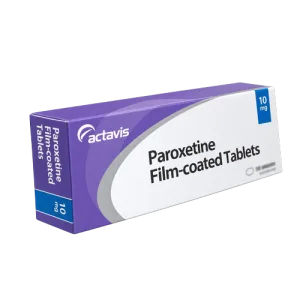
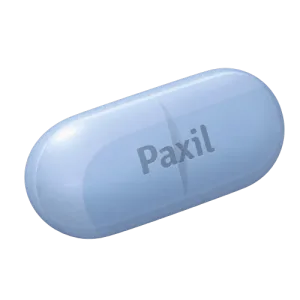
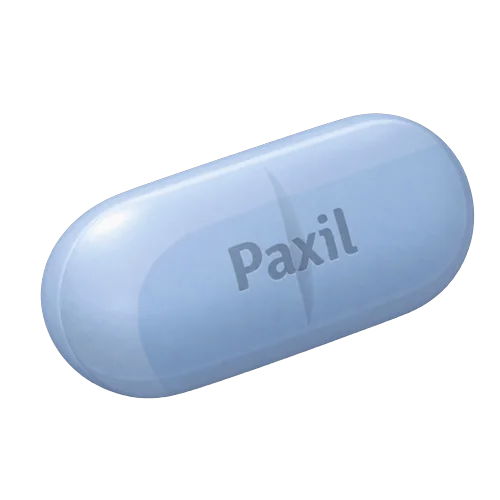
Paxil tablets contain paroxetine, commonly supplied as paroxetine hydrochloride. Paroxetine is also available in immediate-release and controlled-release pharmaceutical forms, but the release profile and administration instructions differ.

Strength selection is individualized. A higher strength is not automatically better; the useful amount is the one that provides symptom control with acceptable tolerability.

Dosage and administration

The amount taken at each intake is selected individually. Treatment commonly begins with a lower prescribed amount, followed by adjustment according to symptoms, tolerability, age, other medicines, and the condition being treated.

  • Take Paxil tablets by mouth once daily at the prescribed time.
  • Swallow the tablet with water.
  • Take it at the same time each day.
  • Continue treatment for the duration prescribed, even if improvement appears before the planned review.
  • Do not take two doses together after a missed dose.
  • If the next scheduled dose is approaching, skip the missed dose and resume the normal schedule.
  • Do not stop Paxil suddenly after regular use.

Paxil may be taken with food or on an empty stomach. Taking it with breakfast can help people who experience nausea, while evening administration may suit people who feel sleepy after taking it.

If Paxil causes alertness or difficulty sleeping, taking it earlier in the day may help. If it causes drowsiness, an evening schedule may be more comfortable, provided the prescriber agrees.

Immediate-Release and Controlled-Release Administration

Paxil tablets and controlled-release paroxetine tablets are not interchangeable on a tablet-for-tablet basis. Release characteristics affect how paroxetine enters the body, so the prescribed formulation should remain unchanged unless the prescriber deliberately switches it.

Controlled-release tablets must be swallowed whole. Crushing, chewing, or splitting a modified-release tablet can alter drug release and increase unwanted effects. The same caution applies when a tablet has a special release design that is not intended to be broken.

A missed dose does not justify taking an extra tablet. Double dosing can increase nausea, agitation, tremor, drowsiness, or other serotonin-related reactions.

Keep a simple daily reminder, such as linking the dose with breakfast or brushing your teeth. The most common practical problem with Paxil is an irregular routine rather than a complicated administration technique.

Reasons not to use it

Paxil must not be combined with:

  • Monoamine oxidase inhibitors (MAOIs), including phenelzine and tranylcypromine.
  • Methylene blue given intravenously.
  • Linezolid, because it has monoamine oxidase-inhibiting activity.
  • Pimozide.
  • Thioridazine.

A washout interval is required when switching between an MAOI and paroxetine. The timing depends on the medicine being stopped and started. Combining serotonergic medicines too closely can cause serotonin syndrome.

When this is not for you

Paxil is not suitable for everyone. Paxil is not for you if you take an MAOI, pimozide, or thioridazine, or if a prescriber identifies a serious interaction risk. A prescriber needs a complete list of medical conditions and medicines before treatment begins.

Extra caution applies with:

  • Bipolar disorder or a personal history of mania.
  • Epilepsy or a previous seizure.
  • Significant liver or kidney impairment.
  • A history of bleeding problems.
  • Low sodium levels.
  • Narrow-angle glaucoma.
  • Pregnancy or breastfeeding.
  • Tamoxifen treatment for breast cancer.

Paroxetine inhibits CYP2D6, an enzyme involved in converting tamoxifen into active metabolites. This interaction may reduce tamoxifen activation, so the combination requires a deliberate oncology and prescribing decision.

Paxil may cause withdrawal symptoms in a newborn when used late in pregnancy, and paroxetine exposure during pregnancy requires an individualized assessment. Breastfeeding decisions also depend on the clinical situation, infant age, and treatment alternatives.

Possible side effects

Paxil can cause side effects because serotonin receptors are found throughout the brain, gastrointestinal tract, and other tissues. Many early effects are mild and improve during the first weeks, but some reactions require prompt medical assessment.

Commonly Reported Adverse Reactions

Common effects include:

  • Nausea, loose stools, or constipation.
  • Dry mouth.
  • Headache or dizziness.
  • Tiredness, sleepiness, or difficulty sleeping.
  • Sweating.
  • Tremor or restlessness.
  • Reduced appetite or weight change.
  • Sexual difficulties, including reduced libido, delayed orgasm, or difficulty achieving orgasm.

Sexual side effects can continue after mood symptoms improve. Patients may hesitate to mention them, yet they are clinically relevant because they can affect adherence and relationships. Paroxetine is also associated with withdrawal symptoms when stopped abruptly, so a planned taper is safer than suddenly abandoning treatment.

Some people experience emotional blunting, describing less intense sadness but also less emotional range. Others report improved sleep and concentration once depression or anxiety begins to settle.

Nausea is often easier to tolerate when the tablet is taken with a light meal. Avoid changing the prescribed amount to manage nausea; the treatment plan may need a slower adjustment instead.

Severe Complications and Emergency Risks

Seek urgent medical assessment for symptoms that may indicate:

  • Serotonin syndrome: agitation, confusion, heavy sweating, fever, diarrhoea, muscle rigidity, tremor, or rapidly changing blood pressure.
  • Severe allergic reaction: facial or throat swelling, breathing difficulty, widespread rash, or fainting.
  • Mania or hypomania: unusually elevated mood, racing thoughts, very little sleep, impulsive behaviour, or unusually rapid speech.
  • Seizure: loss of consciousness, uncontrolled jerking, or prolonged confusion.
  • Angle-closure glaucoma: sudden eye pain, blurred vision, halos around lights, headache, or vomiting.
  • Abnormal bleeding: unusual bruising, black stools, vomiting blood, or prolonged bleeding.

Young people require monitoring for new suicidal thoughts or marked behavioural changes, especially during the early treatment period or after a dose adjustment. The risk concerns the underlying condition and treatment changes, not an assumption that every patient will experience suicidal thinking.

Paxil can also cause low blood sodium, with headache, confusion, weakness, or seizures occurring in serious cases. Older adults and people taking diuretics may need closer observation.

Therapeutic indications

Paxil may be prescribed for:

  • Major depressive disorder, including persistent low mood, loss of interest, sleep disruption, and reduced concentration.
  • Panic disorder, with or without agoraphobia.
  • Obsessive-compulsive disorder.
  • Social anxiety disorder.
  • Generalized anxiety disorder.
  • Post-traumatic stress disorder.

The exact indication depends on the clinical diagnosis and the prescriber’s assessment. Paxil can reduce symptoms, but it does not remove the need for psychological support, sleep regularity, or treatment of contributing medical conditions.

One practical point is easy to miss: anxiety can feel more noticeable during the first part of treatment before the full antidepressant benefit develops. This is one reason clinicians often review progress early rather than judging the treatment after only a few days.

Health Canada recognizes paroxetine as a prescription antidepressant, while regulatory information from the EMA describes its use in several depressive and anxiety-related conditions [1].

The FDA prescribing information describes paroxetine as a treatment requiring consistent administration rather than occasional use [2].

Comparison

Paroxetine belongs to the SSRI group. Other antidepressant categories include SSRIs with different metabolism and interaction profiles, serotonin-norepinephrine reuptake inhibitors, and medicines that act on additional neurotransmitter systems.

Treatment category Potential clinical advantage Main limitation
Paroxetine-type SSRI Useful across depression, panic, obsessive-compulsive, and anxiety-related conditions Sexual side effects, withdrawal symptoms, weight change, and CYP2D6 interactions
Other SSRI Often suitable for depression and anxiety with different tolerability profiles May still cause nausea, sexual effects, sleep changes, or withdrawal symptoms
Serotonin-norepinephrine reuptake inhibitor Can address depression with pain or low energy in selected patients Blood-pressure effects, nausea, sweating, and discontinuation symptoms

Clinical selection depends on the diagnosis, previous treatment response, coexisting illnesses, interaction risks, and patient priorities. Paroxetine may suit someone whose anxiety and panic symptoms are prominent, while another antidepressant may be preferred when tamoxifen use, sexual side effects, weight concerns, or withdrawal sensitivity are major issues.

Common mistakes

Several practical mistakes can reduce benefit or increase risk:

  • Stopping suddenly because mood improves.
  • Taking an extra tablet after a missed dose.
  • Switching morning and evening administration repeatedly.
  • Crushing or chewing a controlled-release tablet.
  • Adding an opioid pain medicine or migraine medicine without checking interactions.
  • Treating early nausea as proof that the medicine cannot work.
  • Forgetting to mention tamoxifen, warfarin, aspirin, or frequent anti-inflammatory use.
  • Ignoring new agitation, unusually little sleep, or racing thoughts.
  • Assuming sexual side effects will disappear without discussing them.
  • Using alcohol to manage anxiety or insomnia while taking Paxil.
A daily symptom note can separate temporary startup effects from a worsening illness. Record sleep, panic symptoms, mood, agitation, and sexual side effects rather than relying on memory during a short appointment.

What doctors say

In clinical practice, doctors usually set expectations around gradual improvement. Sleep, appetite, and physical anxiety may change before mood fully improves. A person may notice fewer panic sensations first, then regain concentration and interest over subsequent weeks.

Prescribers also assess whether the early effects are tolerable. Nausea, restlessness, sweating, or sleep changes may settle, but severe agitation, mania, suicidal thinking, or serotonin-syndrome symptoms require rapid action.

A physician will usually ask about:

  • The main symptoms and their duration.
  • Previous antidepressant response.
  • Bipolar disorder, seizures, glaucoma, and bleeding.
  • Pregnancy plans or breastfeeding.
  • Alcohol, recreational substances, supplements, and non-prescription medicines.
  • Sexual side effects and emotional blunting.
  • Any missed doses or abrupt treatment interruptions.

Paxil works best when taken consistently. Stopping after a few improved days can cause relapse or discontinuation symptoms, while continuing despite severe adverse effects can create avoidable harm.

Common questions

Does Paxil cause sexual side effects?

Paroxetine can reduce libido, delay orgasm, or cause difficulty achieving orgasm in some patients. The 2023 Health Canada product information identifies sexual dysfunction among recognized adverse effects, and the problem may persist while treatment continues [3]. These symptoms are worth discussing because changing the dose, switching treatment, or adjusting timing may be considered. Do not stop Paxil suddenly in response to a sexual side effect. A clinician can help distinguish a medication effect from another cause.

How soon does Paxil start to work?

Some symptoms, such as sleep disruption or physical anxiety, may change during the first couple of weeks, while mood and obsessive symptoms often take longer. The 2022 NICE guidance on depression describes antidepressant response as developing over the early treatment period, with review needed when improvement is limited [4]. A partial early response does not necessarily mean the treatment has failed. Marked deterioration, suicidal thoughts, severe agitation, or mania requires prompt clinical attention.

What is the best time of day to take Paxil?

The best time depends on the person’s response. Taking Paxil in the morning may suit someone who experiences insomnia or activation, while evening use may suit someone who becomes sleepy. The 2023 FDA prescribing information supports once-daily administration, with timing adjusted to tolerability and routine. Consistency is more useful than changing the time from day to day.

Can Paxil be taken with food or on an empty stomach?

Paxil tablets can be taken with food or without food. A meal may reduce nausea for some people, while others prefer taking the tablet with water before breakfast. The 2022 EMA product information describes oral administration and provides formulation-specific instructions for paroxetine [5]. Controlled-release tablets should be swallowed whole rather than chewed or crushed.

What should I do if the expected result does not come?

A lack of improvement can reflect an insufficient treatment duration, an unsuitable dose, an incorrect diagnosis, another medicine interaction, or a condition needing additional therapy. The 2023 WHO depression guidance supports reassessment when symptoms remain significant, including review of adherence, safety, comorbidities, and psychosocial care. Do not increase the dose independently or combine another antidepressant without a prescribing decision. Worsening suicidal thoughts, severe agitation, or manic symptoms need urgent assessment.

Do you offer anonymous delivery?

Your order will be securely packed and shipped within 24 hours. This is exactly what your package will look like (images of an actual item sent). It has the size and look of a regular private letter (24x11x0.7 cm) and its contents cannot be seen.

Comparison

Luvox

Active ingredient: Fluvoxamine
100mg 50mg
From $ 167.58
pills
4.2 (3)

Paroxetine

Active ingredient: Paroxetine
20mg
From $ 151.41
pills
3.5 (3)

Paxil Current

Active ingredient: Paroxetine
20mg 30mg 40mg 10mg
From $ 138.18
pills
3.8 (4)

Remeron

Active ingredient: Mirtazapine
30mg 7.5mg 15mg
From $ 136.71
pills
4.3 (3)

Sinequan

Active ingredient: Doxepin
10mg 25mg 75mg
From $ 152.88
pills
4 (3)

Comparison table: Antidepressants

Sources

  1. Health Canada (2023). PAXIL Product Monograph
  2. U.S. Food and Drug Administration (2023). PAXIL (paroxetine hydrochloride) Tablets and Oral Suspension Prescribing Information
  3. Health Canada (2023). Canadian Product Monograph: PAXIL — Adverse Reactions and Warnings
  4. National Institute for Health and Care Excellence (2022). Depression in adults: treatment and management, NICE Guideline NG222
  5. European Medicines Agency (2022). Summary of Product Characteristics for paroxetine

How Buyers Rate Paxil

Based on 4 reviews

Andrew, 62 Verified
Rating: 4 out of 5

I used Paxil for persistent depression and noticed that getting through ordinary morning tasks became easier after several weeks. My concentration improved enough to return to reading and gardening, and I felt satisfied with the change.

Peterborough Several weeks Oct 11, 2026
Lee, 34 Verified
Rating: 3 out of 5

Paxil reduced the frequency of my panic symptoms, although the improvement was slower than I expected. I had mild nausea at the beginning, which settled, and the treatment became easier to manage after I kept the timing consistent.

Sudbury Oct 21, 2026
Gareth, 64 Verified
Rating: 4 out of 5

I took Paxil for anxiety that had been affecting sleep and work. After the treatment had time to build up, I was less tense during the day and stopped avoiding routine appointments and errands.

Saskatoon Nov 1, 2026
Robert, 67 Verified
Rating: 4 out of 5

Paxil helped lift a prolonged low mood and made social contact feel less tiring. The benefit was gradual, but it became clear after several weeks that ordinary activities required less effort.

Fredericton Several weeks Nov 8, 2026
Get our free app Shop faster and track your orders 4.0 · 402 reviews Install