I used Paroxetine for several weeks, but my anxiety remained much the same. I also felt tired during the day and stopped because the daily fatigue was affecting work.
Sudbury Several weeks Nov 6, 2026
Paroxetine
Paroxetine, the active ingredient of Paroxetine, is a selective serotonin reuptake inhibitor (SSRI) prescribed for depression and several anxiety-related conditions. It is intended for adults whose…
Paroxetine, the active ingredient of Paroxetine, is a selective serotonin reuptake inhibitor (SSRI) prescribed for depression and several anxiety-related conditions. It is intended for adults whose symptoms require prescription treatment. By increasing serotonin signalling between nerve cells, it can gradually improve mood, reduce persistent anxiety, and support recovery from panic or trauma-related symptoms.
Overview
Paroxetine contains paroxetine hydrochloride, a form of paroxetine used in film-coated tablets. It belongs to the selective serotonin reuptake inhibitor class, identified in the WHO Anatomical Therapeutic Chemical system as N06AB05.
How it affects the body
Paroxetine blocks the serotonin transporter on presynaptic nerve cells. This reduces serotonin reuptake from the synaptic cleft, allowing serotonin to remain available for longer at nearby receptors. Changes in receptor signalling then develop progressively across neural circuits involved in mood and anxiety.
Paroxetine has strong serotonin-transporter activity and little direct action on norepinephrine compared with an SNRI. That difference helps explain why it may be chosen when the treatment goal centres on depressive symptoms, panic, obsessive thoughts, social fear, or trauma-related anxiety.
Formulation
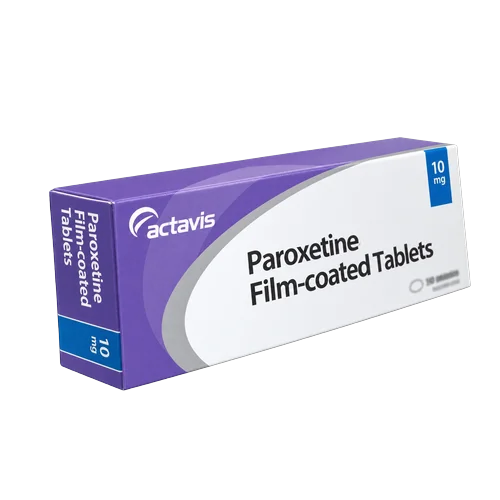
Paroxetine contains paroxetine hydrochloride, a form of paroxetine used in film-coated tablets. The active pharmaceutical substance is paroxetine hydrochloride.
Dosage and administration
The amount and frequency of Paroxetine depend on the purpose of use and are agreed with a doctor or pharmacist. Treatment is taken orally, usually at the same time each day. The tablet may be taken with food if nausea occurs.
Common administration principles include:
- Take the prescribed amount once daily unless the prescriber specifies another schedule.
- Swallow the pill with water.
- Keep the dosing time consistent.
- Do not double the next dose after a missed dose.
- Avoid stopping suddenly after regular use.
- Allow time for gradual benefit before judging the full response.
If a dose is missed, take it when remembered unless the next scheduled dose is approaching. When the next dose is near, skip the missed dose and resume the normal schedule. Taking two doses together increases the chance of adverse effects and is not a reliable way to restore symptom control.
Stopping treatment usually requires a gradual reduction. Sudden cessation can produce dizziness, electric-shock sensations, nausea, vivid dreams, irritability, anxiety, sweating, sleep disturbance, and flu-like feelings. These symptoms are called discontinuation symptoms and can be mistaken for relapse.
Reasons not to use it
Paroxetine is not suitable for everyone. This medication is not for you if you are taking a monoamine oxidase inhibitor, have recently stopped one without an appropriate washout period, or are using pimozide. Combining these medicines can cause dangerous serotonin or cardiovascular effects.
Important situations requiring a prescribing review include:
- Current or recent use of tranylcypromine or phenelzine
- Use of linezolid or intravenous methylene blue
- Other antidepressants or serotonin-raising medicines
- Tramadol, fentanyl, lithium, or triptan treatment
- St John’s wort or other serotonergic supplements
- Blood thinners, aspirin, or non-steroidal anti-inflammatory drugs
- A history of bipolar disorder or mania
- Seizure disorders
- Liver or kidney impairment
- Glaucoma or raised eye pressure
- Low sodium levels
- Pregnancy, planned pregnancy, or breastfeeding
Switching from an MAOI to paroxetine requires a clinically appropriate interval. The reverse switch also requires a washout period. The exact interval depends on the medicines involved, because some remain active in the body after the last tablet [4].
Paroxetine can interact with tamoxifen by inhibiting CYP2D6, an enzyme needed to convert tamoxifen into its active metabolite. This combination may reduce tamoxifen activation and requires a prescriber-led review.
The medicine may also interact with other drugs processed through hepatic enzymes. A full medication list should include prescription drugs, over-the-counter pain medicines, recreational substances, and herbal products.
When this is not for you
Paroxetine is not suitable for everyone. This medication is not for you if you are taking a monoamine oxidase inhibitor, have recently stopped one without an appropriate washout period, or are using pimozide. Combining these medicines can cause dangerous serotonin or cardiovascular effects.
Possible side effects
Paroxetine can cause side effects because serotonin affects several body systems, including the digestive tract, sleep centres, sexual function, and platelet activity. Many reactions are mild and improve during the first weeks, while some can persist and require a treatment review.
Common effects include:
- Nausea or loose stools
- Dry mouth
- Headache
- Sweating
- Tremor
- Fatigue or drowsiness
- Insomnia
- Reduced appetite
- Restlessness
- Sexual dysfunction
- Delayed orgasm or reduced libido
Sexual side effects deserve direct discussion. Reduced desire, delayed orgasm, erectile difficulty, or difficulty reaching orgasm can continue while treatment continues. This is a recognised SSRI effect, not a sign that the person is failing to respond psychologically.
Weight change can occur. Some patients lose appetite early, while longer treatment may be associated with weight gain in some individuals. Regular weight monitoring can help identify a gradual change before it becomes difficult to reverse.
Rare but serious reactions include serotonin syndrome, severe allergic reactions, abnormal bleeding, mania, seizures, angle-closure glaucoma, and severe low sodium levels. Serotonin syndrome may involve agitation, confusion, fever, sweating, diarrhoea, muscle rigidity, tremor, and a rapid heartbeat. It requires urgent medical assessment, especially when several serotonin-raising medicines are involved [3].
Paroxetine may increase bleeding risk when combined with medicines that affect clotting or platelet function. Examples include anticoagulants, antiplatelet medicines, aspirin, and non-steroidal anti-inflammatory drugs.
One easily missed detail is driving ability. Drowsiness, dizziness, blurred vision, or slowed reactions may occur early in treatment or after a dose change. Avoid driving until the personal response is clear.

Therapeutic indications
The medicine is prescribed for conditions such as:
- Major depressive disorder
- Panic disorder
- Social anxiety disorder
- Generalized anxiety disorder
- Obsessive-compulsive disorder
- Post-traumatic stress disorder
- Premenstrual dysphoric disorder
The exact indication depends on the clinical assessment and the prescribed regimen. Paroxetine is not intended for occasional emotional distress or immediate relief during a single episode of anxiety.
Health Canada recognizes paroxetine products as prescription treatments for specific psychiatric conditions, including major depressive disorder and anxiety disorders [1].
Comparison
Paroxetine is an SSRI. Other antidepressant classes work through different combinations of neurotransmitter systems, so the choice depends on symptoms, previous response, medical history, and adverse-effect priorities.
| Treatment class | Main pharmacological action | Clinical considerations |
|---|---|---|
| SSRIs, including paroxetine | Reduce serotonin reuptake | Commonly used for depression and anxiety disorders; sexual dysfunction and discontinuation symptoms can occur |
| SNRIs | Reduce reuptake of serotonin and norepinephrine | May help when low energy or pain symptoms accompany depression; blood pressure and activation require attention |
| Tricyclic antidepressants | Affect serotonin and norepinephrine with broader receptor activity | Can be useful in selected cases but may cause more anticholinergic and cardiovascular effects |
Paroxetine may suit a person whose symptoms include panic, obsessive thoughts, social fear, or trauma-related anxiety. An SNRI may be considered when norepinephrine effects are clinically desirable. A tricyclic option may be reserved for selected situations because its broader receptor activity can make overdose and side-effect management more difficult [5].
No antidepressant is best for every patient. Previous response matters. So does the pattern of side effects.
Common mistakes
Several avoidable patterns lead to poor results:
- Taking the tablet only when anxiety feels severe
- Stopping after a few days because improvement is not immediate
- Doubling a missed dose
- Ending treatment suddenly after feeling better
- Combining the medicine with St John’s wort
- Forgetting to mention tramadol, migraine medicines, or recreational substances
- Assuming sexual side effects will disappear without discussing them
- Drinking heavily while assessing sedation or mood changes
- Restarting an old dose without a current prescribing review
- Sharing tablets with a family member
Alcohol can worsen drowsiness, impaired judgement, sleep disruption, and depression-related symptoms. It also makes it harder to identify whether a new symptom comes from paroxetine or alcohol.
A second common mistake is changing the dosing time repeatedly. Moving from morning to night and back again can make nausea, insomnia, and fatigue harder to interpret. One stable schedule gives a clearer picture of tolerability.
What doctors say
In clinical practice, physicians often focus first on the treatment target and the patient’s previous antidepressant history. A person with panic disorder may need a slower titration than someone beginning treatment for uncomplicated depressive symptoms because early activation can feel intense.
Doctors also assess suicidal thoughts during the early treatment period, after dose changes, and during major mood shifts. Antidepressants can improve energy before hopelessness fully lifts, so changes in behaviour deserve prompt attention in younger adults and anyone with recent suicidal thinking.
A prescribing clinician would usually explain that paroxetine is not a sedative and does not remove anxiety immediately. The aim is progressive symptom reduction, better daily function, and fewer panic or depressive episodes over time.
One practical clinical detail concerns adherence. People sometimes stop after nausea or restlessness during the first week, then restart later without guidance. That pattern can produce repeated early side effects and no sustained opportunity for benefit.
For older adults, doctors may use a cautious starting approach because sensitivity to dizziness, falls, low sodium, bleeding, and drug interactions can increase with age. Paroxetine also has anticholinergic activity relative to some other SSRIs, which may matter when memory problems, constipation, urinary retention, or glaucoma are present.
Common questions
What should I do after missing a Paroxetine dose?
Take the missed dose when remembered unless the next scheduled dose is close. If the next dose is approaching, skip the missed tablet and continue normally; do not take two doses together. The FDA's 2023 prescribing information advises against doubling doses because it can increase adverse effects without restoring treatment steadily. A repeated pattern of missed doses may cause fluctuating symptoms or discontinuation sensations.
How soon does Paroxetine begin to show an effect?
Some people notice improved sleep, appetite, or reduced physical anxiety during the first one to two weeks, but mood and anxiety benefits often take several weeks. The full response may take longer for panic disorder, obsessive-compulsive disorder, or post-traumatic stress disorder. The EMA's 2022 product information describes antidepressant response as a gradual clinical process rather than an immediate effect [2]. Early nausea or restlessness does not prove that the treatment will fail.
Does Paroxetine cause sexual dysfunction?
Yes. Reduced libido, delayed orgasm, difficulty reaching orgasm, and erectile difficulties are recognised SSRI-related effects. They may begin after treatment starts and can persist while the medicine is continued. Health Canada's 2022 product information identifies sexual dysfunction among adverse effects requiring clinical attention when troublesome. Do not stop suddenly; discuss the symptom because timing, dose, and alternative treatment strategies can be reviewed.
Can older adults take Paroxetine?
Older adults may take Paroxetine when a prescriber judges that the expected benefit outweighs the risks. Age-related changes can increase sensitivity to dizziness, falls, low sodium, bleeding, confusion, and interactions with other medicines. The American Geriatrics Society's 2023 Beers Criteria identify paroxetine as an SSRI with meaningful anticholinergic activity in older adults, so the medication list and cognitive status deserve review. New confusion, unsteadiness, severe weakness, or fainting requires prompt medical attention.
How long does one Paroxetine dose keep working?
Paroxetine is designed for regular daily treatment rather than short-term, as-needed relief. A single dose influences serotonin-transporter activity beyond the first few hours, but symptom control depends on repeated dosing and sustained treatment exposure. The FDA's 2023 label describes an elimination half-life of approximately one day, while clinical effects depend on longer-term nervous-system adaptation. Missing several doses can produce withdrawal-like symptoms even though some medicine remains in the body.
Do you offer anonymous delivery?
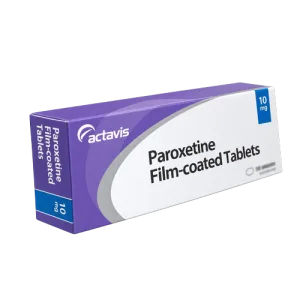
Your order will be securely packed and shipped within 24 hours. This is exactly what your package will look like (images of an actual item sent). It has the size and look of a regular private letter (24x11x0.7 cm) and its contents cannot be seen.
Comparison
Sources
- U.S. Food and Drug Administration (2023). PAXIL (paroxetine hydrochloride) tablets and oral suspension: Prescribing Information.
- European Medicines Agency (2022). Summary of Product Characteristics (SmPC) — paroxetine.
- Health Canada (2022). Product Monograph — paroxetine hydrochloride tablets.
- World Health Organization (2023). WHO Model List of Essential Medicines, 23rd list.
- American Geriatrics Society (2023). 2023 Updated AGS Beers Criteria for Potentially Inappropriate Medication Use in Older Adults.
How Buyers Rate Paroxetine
Based on 3 reviews
After the first couple of weeks, I noticed fewer panic symptoms and was able to take public transit again. The improvement was gradual, but by the second month I felt much more settled.
Montreal Two months Oct 11, 2026Paroxetine helped reduce the constant worrying that had been taking up most of my day. Sleep became easier after the early adjustment period, and I felt more able to concentrate at work.
Windsor Several weeks Oct 24, 2026