I took Luvox for OCD at my prescribed dose and noticed by the fourth week that rituals were taking less of my morning. I still had intrusive thoughts, but I could move on without repeating everything. The improvement felt practical and made workdays easier.
Saint John Nov 10, 2026
Luvox
Treatment reduces intrusive thoughts, compulsive urges, and anxiety over time rather than producing an immediate calming effect. Luvox is intended for people whose clinician considers fluvoxamine…
Treatment reduces intrusive thoughts, compulsive urges, and anxiety over time rather than producing an immediate calming effect. Luvox is intended for people whose clinician considers fluvoxamine appropriate for OCD or social anxiety disorder.
Overview
Luvox contains fluvoxamine, an SSRI that increases serotonin signalling in the brain. It is prescribed mainly for obsessive-compulsive disorder (OCD) and may be used for social anxiety disorder in appropriate clinical settings.
How it affects the body
Fluvoxamine is an SSRI that blocks the serotonin transporter, increasing serotonin availability between nerve cells. It also inhibits the liver enzymes CYP1A2 and CYP2C19, which can alter the metabolism and blood concentrations of other medicines.
Formulation
Luvox tablets contain fluvoxamine, a selective serotonin reuptake inhibitor (SSRI). Fluvoxamine blocks the serotonin transporter, allowing more serotonin to remain available between nerve cells. This action helps regulate brain circuits involved in anxiety, repetitive thoughts, and compulsive behaviour.
The product is taken orally as pills. Its clinical role differs from sedative medicines: fluvoxamine works through gradual changes in serotonin signalling and does not provide instant relief from distress.
Active ingredient and pharmacological foundation
Fluvoxamine has a strong serotonergic profile. It also inhibits several liver enzymes, including CYP1A2 and CYP2C19, which explains why it can raise blood concentrations of some co-administered medicines. This interaction profile deserves attention when a person takes multiple psychiatric, cardiovascular, pain, or gastrointestinal medicines. [1]
Luvox is associated most closely with OCD treatment. It may also be prescribed for social anxiety disorder when a clinician judges that an SSRI is appropriate, although the approved indications can differ between jurisdictions and formulations.
Dosage and administration
Luvox is supplied as oral tablets. The dose is decided individually, taking age, other medicines, and health conditions into account. Treatment usually begins with a cautious plan and may be adjusted according to response and adverse effects.
Luvox CR is an extended-release fluvoxamine formulation designed to release the active ingredient more gradually. It is a distinct formulation from immediate-release tablets. Extended-release capsules should remain intact when that formulation is prescribed; opening, crushing, or chewing can interfere with the intended release pattern.
Practical administration points
- Take Luvox at the prescribed time each day.
- Follow the same routine to reduce missed doses.
- Swallow tablets with water unless the prescriber gives different instructions.
- Do not double the next dose after forgetting one.
- If a dose is missed, take it when remembered unless the next scheduled dose is near.
- Do not stop suddenly after regular use without a planned reduction.
Forgetting occasional doses can lead to fluctuating fluvoxamine levels and make it difficult to judge whether treatment is helping. A phone reminder linked to a regular daily activity, such as brushing teeth, is often more reliable than relying on memory alone.
Reasons not to use it
Luvox is not suitable for everyone. The most serious contraindication involves monoamine oxidase inhibitors (MAOIs), because excessive serotonin activity can cause serotonin syndrome, a potentially life-threatening reaction.
- You are taking phenelzine, tranylcypromine, selegiline, or another MAOI.
- You are receiving linezolid, an antibiotic with monoamine oxidase inhibitor activity.
- You have recently received intravenous methylene blue.
- You previously had a serious allergic reaction to fluvoxamine or an ingredient in the prescribed formulation.
- A clinician has identified a combination with another medicine that creates an unacceptable interaction risk.
A minimum 14-day interval is generally required after stopping an MAOI before starting Luvox. At least 14 days should usually pass after stopping Luvox before an MAOI is started. The exact switching plan can differ for linezolid, methylene blue, and urgent psychiatric treatment.
Serotonin syndrome may involve agitation, confusion, sweating, fever, diarrhoea, tremor, muscle rigidity, fast heartbeat, or loss of coordination. Severe symptoms require urgent medical attention. The FDA prescribing information identifies MAOIs, linezolid, and intravenous methylene blue as combinations requiring strict avoidance with fluvoxamine. [3]
Luvox also requires added caution in people with bipolar disorder, seizure disorders, liver disease, bleeding disorders, low sodium, or a history of suicidal thinking. Young people starting antidepressant treatment require close observation for worsening agitation, impulsivity, or suicidal thoughts.
When this is not for you
Do not use Luvox without medical guidance if you take medicines for depression, infection, pain, bleeding, or heart rhythm, because some combinations can be dangerous. Tell the clinician if you have bipolar disorder, seizures, liver problems, bleeding problems, low sodium, or previous suicidal thoughts. Young people starting treatment need close observation for worsening agitation, impulsivity, or suicidal thoughts.
Possible side effects
Common adverse effects include nausea, diarrhoea, dry mouth, headache, sweating, tremor, dizziness, sleep disturbance, fatigue, and reduced appetite. Sexual adverse effects may include reduced libido, delayed orgasm, or difficulty reaching orgasm. Some people experience increased nervousness or restlessness during the first part of treatment.
Nausea often improves as the body adapts. Taking the tablet with food can help, while a regular sleep schedule may reduce treatment-related sleep disruption. Persistent insomnia, marked agitation, or worsening anxiety should be reported promptly because the treatment plan may need adjustment.
A well-known issue with Luvox is sexual dysfunction. It can affect desire, arousal, orgasm, or ejaculation, and it may continue after mood or obsessive symptoms improve. This side effect is frequently underreported unless the clinician asks directly.
Serious reactions include serotonin syndrome, severe allergic reactions, mania, seizures, significant bleeding, severe hyponatremia, and suicidal thinking. Symptoms such as confusion, fever, muscle rigidity, fainting, severe rash, or sudden behavioural change require urgent assessment.
A practical detail is easy to miss: stopping Luvox abruptly may cause dizziness, irritability, sensory disturbances, sleep problems, nausea, or flu-like feelings. A gradual reduction is usually easier to tolerate than sudden interruption.
Therapeutic indications
Luvox is used primarily for obsessive-compulsive disorder. OCD involves recurring unwanted thoughts, images, or urges and repetitive actions or mental rituals performed to reduce distress. Fluvoxamine can reduce the intensity and frequency of these symptoms, but improvement often develops gradually.
Social anxiety disorder is another clinical setting in which fluvoxamine may be used. The aim is to reduce excessive fear of scrutiny, avoidance of social situations, and physical anxiety symptoms. Medication works best when the treatment plan also addresses avoidance patterns and includes evidence-based psychological therapy when appropriate.
| Clinical use | Main treatment target | Expected pattern |
|---|---|---|
| OCD | Obsessions, compulsions, intrusive thoughts | Early changes may appear before full benefit; improvement commonly builds over several weeks |
| Social anxiety disorder | Fear, avoidance, and anxiety in social situations | Symptoms may ease gradually, with continued assessment of function and tolerability |
| Other psychiatric uses | Only when specifically prescribed | The clinician weighs evidence, interactions, and individual risks |
A person with OCD may notice less urgency to perform rituals before intrusive thoughts disappear completely. That distinction matters. Early changes can be subtle. Tracking rituals and avoidance can help show progress. The prescriber can use these observations when reviewing treatment. Partial early improvement can still be clinically meaningful, while persistent symptoms may require dose review, psychotherapy, or a longer treatment period.
The World Health Organization places fluvoxamine within the SSRI group used in psychiatric care, while clinical guidance for OCD supports SSRI treatment alongside psychological approaches when indicated. The European Medicines Agency (EMA) is another medicines regulator relevant to checking product information when formulations differ by jurisdiction. [2]
Comparison
Luvox is an oral, single-ingredient SSRI approach that increases serotonin signalling for OCD and, in appropriate clinical settings, social anxiety disorder. Unlike immediate-release tablets, Luvox CR is an extended-release formulation designed to release fluvoxamine more gradually, so the capsules should remain intact.
Common mistakes
Several practical errors can make Luvox appear less helpful than it is:
- Stopping after a few days because the expected improvement has not appeared.
- Taking doses at inconsistent times.
- Doubling a dose after a missed tablet.
- Starting St. John’s wort without mentioning it.
- Using tramadol, dextromethorphan, ibuprofen, or aspirin without considering interactions.
- Crushing or chewing an extended-release formulation.
- Stopping suddenly after several weeks or months.
- Ignoring new agitation, suicidal thinking, severe restlessness, or unusual elevated mood.
- Judging treatment only by mood while overlooking changes in compulsions and avoidance.
One patient may notice improved concentration but no meaningful change in rituals. Another may experience fewer compulsions but persistent social fear. These different response patterns should be described specifically rather than labelled simply as success or failure.
The treatment plan may need time, adjustment, psychotherapy, or a different medicine. Changing the schedule independently makes that assessment harder.
What doctors say
In clinical practice, doctors usually set expectations that OCD treatment takes patience. Compulsions may become less powerful before they become less frequent, and intrusive thoughts may remain present while causing less distress. This pattern can represent progress rather than treatment failure.
Psychiatrists also look at function, not only symptom scores. Returning to work, leaving home more easily, spending less time performing rituals, or tolerating uncertainty may show benefit before a person feels fully recovered.
Luvox has a meaningful advantage for people whose main problem is OCD, especially when intrusive thoughts and compulsions dominate daily life. Its drawbacks include gastrointestinal effects, sexual dysfunction, sedation or activation, and a complex interaction profile. The choice is a clinical trade-off.
A prescriber would also distinguish discontinuation symptoms from relapse. Symptoms that begin soon after abrupt stopping may reflect withdrawal-like effects, while a gradual return of OCD or anxiety may indicate recurrence of the underlying condition.
Common questions
Does Luvox cause sexual side effects?
Sexual side effects can occur with Luvox, including reduced libido, delayed orgasm, erectile difficulty, or difficulty ejaculating. Health Canada product information and SSRI safety data recognise these effects as clinically relevant, although their frequency varies between individuals and studies. [4] Symptoms may improve after treatment changes, but they should be discussed rather than silently tolerated. Health Canada's 2019 product monograph describes sexual dysfunction as a possible SSRI-related effect.
Can people under 18 use Luvox?
Luvox may be prescribed to some adolescents for OCD when a specialist considers the expected benefit greater than the risks. The Canadian treatment decision depends on the indication, age, formulation, mental-health history, and monitoring plan. Health Canada antidepressant warnings require attention to suicidal thoughts, agitation, and unusual behavioural changes in younger patients. [5] Health Canada's 2004 safety communication also calls for close monitoring of suicidal thoughts and behavioural changes in younger patients.
What should happen if the expected result does not come?
A lack of early improvement does not automatically mean Luvox will fail, since OCD symptoms often respond gradually. The prescriber may review adherence, treatment duration, dose suitability, interactions, diagnosis, and the contribution of exposure-based therapy. Do not increase the dose, stop treatment, or add St. John’s wort independently. NICE guidance published in 2005 supports reviewing response, adherence, and psychological treatment before changing an OCD medicine.
Can Luvox affect driving, concentration, or machinery work?
Luvox can cause sleepiness, dizziness, blurred concentration, or slowed reactions, especially during initiation or after a dose change. Avoid driving or operating machinery until you know how the tablets affect you. Alcohol and other sedatives can increase impairment, and persistent daytime drowsiness warrants a treatment review. The 2008 FDA prescribing information warns that fluvoxamine may impair the ability to perform hazardous activities until its effects are known.
Can the tablet be split, crushed, or chewed?
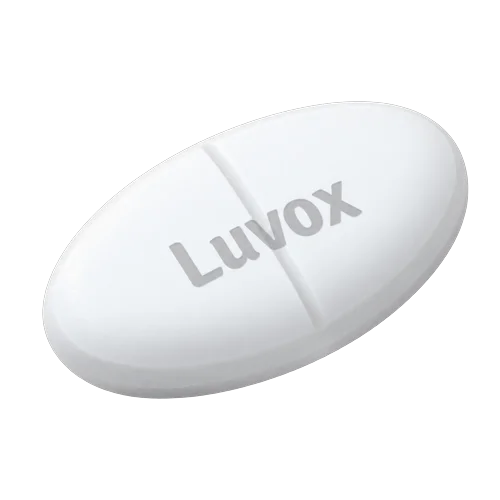
An immediate-release tablet may be split only when the prescribed formulation is designed for that use and the tablet has an appropriate score line. Extended-release Luvox CR capsules should not be crushed, chewed, or opened because doing so can disrupt controlled release. The formulation must be identified before altering it. The 2008 FDA prescribing information distinguishes immediate-release tablets from extended-release capsules for administration purposes.
Can Luvox be taken with food or on an empty stomach?
Luvox can generally be taken with or without food, provided the daily routine remains consistent. Taking it with food may reduce nausea for some people during treatment initiation. Food does not prevent interactions with MAOIs, serotonergic medicines, anticoagulants, NSAIDs, or St. John’s wort. Health Canada's 2019 product monograph describes administration with or without food for fluvoxamine products.
Do you offer anonymous delivery?
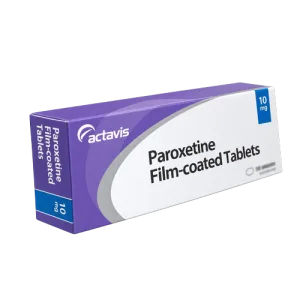
Your order will be securely packed and shipped within 24 hours. This is exactly what your package will look like (images of an actual item sent). It has the size and look of a regular private letter (24x11x0.7 cm) and its contents cannot be seen.
Comparison
Sources
- U.S. Food and Drug Administration (2008). Luvox CR (fluvoxamine maleate) prescribing information.
- World Health Organization (2024). ATC/DDD Index: Fluvoxamine.
- U.S. Food and Drug Administration (2008). Luvox (fluvoxamine maleate) tablets prescribing information.
- Health Canada (2019). Luvox Product Monograph.
- Health Canada (2004). Selective Serotonin Reuptake Inhibitors (SSRIs) and risk of suicide-related events in children and adolescents.
How Buyers Rate Luvox
Based on 3 reviews
At my prescribed dose, Luvox gradually reduced the pressure behind my compulsions. After several weeks I was able to leave the house without returning repeatedly to check doors and appliances. It was not an instant change, but the difference became clear in ordinary routines.
London Oct 15, 2026Luvox did not help me enough. At my prescribed dose, I had more nausea and felt restless during the early period, while the obsessive thoughts stayed much the same. I stopped after discussing the problem with my doctor because the side effects outweighed the limited benefit.
Quebec City Oct 28, 2026