Skip to content
contact@fairviewphysiotheraapy.com
Fast & Discrete Delivery Save up to 80%
In stock Protopic
Skin Care

Protopic

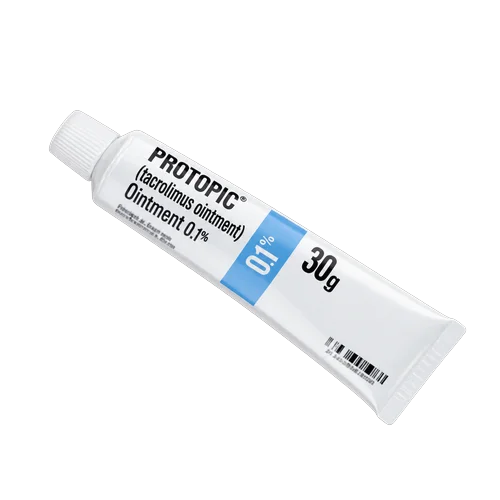
Protopic Ointment is a topical prescription treatment for eczema and atopic dermatitis. It contains tacrolimus, a topical calcineurin inhibitor that calms excessive immune activity in inflamed skin…

Guaranteed quality Original product
Delivery: from 4 days Discreet shipping
24/7 Support Always available
Active ingredient: Tacrolimus
Select pack Package Per unit Price
$ 79.38 $ 79.38
$ 76.44 $ 158.76 $ 152.88 Save 4%
$ 72.52 $ 238.14 $ 217.56 Save 9%
$ 61.74 $ 317.52 $ 246.96 Save 22%
Best value $ 50.57 $ 396.90 $ 252.84 Save 36%

Free delivery on orders from $ 294.00, free express delivery from $ 441.00

Secure payment methods:
VISA AMEX JCB DISCOVER

Protopic Ointment is a topical prescription treatment for eczema and atopic dermatitis. It contains tacrolimus, a topical calcineurin inhibitor that calms excessive immune activity in inflamed skin. The 0.03% ointment is applied as a thin layer to affected areas according to the prescribed schedule.

Overview

Protopic contains tacrolimus, an immunomodulating medicine in the topical calcineurin inhibitor class. It is used for atopic dermatitis, also called eczema, when inflammation, redness, itching, and recurrent flare-ups need targeted treatment.

Active substance and ointment base

Tacrolimus is the active substance responsible for the anti-inflammatory effect. The ointment vehicle spreads the medicine across the affected skin and supports local contact with the epidermis.

The available product information identifies tacrolimus ointment as the active formulation. No additional active ingredient is needed for its calcineurin-inhibiting action.

Clinical uses

Protopic is prescribed for inflammatory eczema and atopic dermatitis. It may be used when topical corticosteroids have not provided adequate control, when repeated steroid courses are undesirable, or when the affected skin is sensitive to steroid-related thinning.

How it affects the body

Atopic dermatitis involves an exaggerated immune response in the skin. Activated T cells release inflammatory cytokines that contribute to redness, swelling, itching, and impaired skin-barrier function.

Tacrolimus enters immune cells in the skin and binds to an intracellular protein called FKBP-12. This complex inhibits calcineurin, an enzyme needed for T-cell activation. Reduced calcineurin activity lowers the transcription and release of several inflammatory cytokines.

The result is less immune signalling within the treated skin. Itching and redness then reduce as the inflammatory process settles.

Tacrolimus has the ATC code D11AH01 and the PubChem CID 445643. Its mechanism differs from a topical corticosteroid: tacrolimus regulates T-cell signalling, while corticosteroids activate glucocorticoid receptors and influence a wider range of inflammatory genes.

Health Canada and the European Medicines Agency recognise topical tacrolimus as a treatment option for selected atopic dermatitis patients. The Health Canada product monograph describes the medicine’s local action, application precautions, and age-related use [1].

A common practical error is applying a thick layer. More ointment does not produce faster relief; a thin, even film is the intended application.

Formulation

Protopic contains tacrolimus, an immunomodulating medicine in the topical calcineurin inhibitor class. It is used for atopic dermatitis, also called eczema, when inflammation, redness, itching, and recurrent flare-ups need targeted treatment.

Tacrolimus acts locally in the skin. Unlike topical corticosteroids, it does not work by causing blood-vessel constriction or reducing collagen production. This makes its pharmacological profile useful for areas where repeated steroid exposure may be unsuitable, such as the face, neck, eyelids, and skin folds.

The product available on this page is a tube of 0.03% tacrolimus ointment. Tacrolimus is listed in DrugBank under DB00864. The ointment base helps the active substance remain in contact with the skin after application.

Apply Protopic only to clean, completely dry skin. Water left on the treated area can increase the initial burning or stinging sensation.

Active substance and ointment base

Tacrolimus is the active substance responsible for the anti-inflammatory effect. The ointment vehicle spreads the medicine across the affected skin and supports local contact with the epidermis.

The available product information identifies tacrolimus ointment as the active formulation. No additional active ingredient is needed for its calcineurin-inhibiting action.

Dosage and administration

Apply Protopic to the affected skin as prescribed. The usual regimen for tacrolimus ointment is a thin layer twice daily, with the strength and treatment duration selected for the individual patient.

  • Wash and dry the affected area gently.
  • Apply a thin layer to eczema patches.
  • Rub it in lightly until the ointment is distributed.
  • Wash hands after application unless the hands are being treated.
  • Keep the ointment away from the eyes, mouth, and inside of the nose.
  • Do not cover the treated area with airtight dressings unless specifically instructed.
  • Continue moisturiser use on untreated or separately treated areas as directed.
  • If an application is missed, apply it when remembered unless the next scheduled application is close. Do not apply extra ointment to compensate.

Application areas and treatment duration

Protopic may be prescribed for affected areas of the face, neck, eyelids, and skin folds because it does not carry the same skin-atrophy mechanism as topical corticosteroids. It should still be used only on areas diagnosed as inflammatory eczema.

Treatment commonly continues until the flare settles. Some patients receive intermittent use for recurrent disease, with applications on selected days to reduce future flares. The duration depends on the severity and pattern of atopic dermatitis.

Do not apply it to open wounds, active bacterial infections, viral lesions, or untreated fungal infections. A clinician may delay treatment until the infection has been addressed.

The Canadian product monograph describes application to affected skin and advises avoiding excessive sun exposure during treatment [2].

Do not apply a moisturiser immediately before Protopic. Use the products at separate times when both are needed, so the ointment is not diluted or spread beyond the intended area.

Missed applications and stopping

A missed application does not require doubling the next one. Resume the prescribed schedule.

Stopping after a flare has settled does not usually require tapering in the way oral corticosteroids may require tapering. Intermittent maintenance treatment may be prescribed when eczema returns frequently. Persistent worsening after stopping deserves a review of the diagnosis, triggers, infection, and skin-care routine.

Reasons not to use it

Protopic is not for you if you have a known allergy to tacrolimus or any component of the ointment, or if the treatment area has an untreated bacterial, viral, or fungal infection.

Important situations requiring medical review include:

  • Active herpes simplex, shingles, chickenpox, or another viral skin infection
  • Pus, spreading redness, increasing warmth, or painful crusting
  • A suspected skin cancer or an undiagnosed persistent lesion
  • A weakened immune system or treatment with systemic immunosuppressants
  • Extensive eczema involving large areas of broken skin
  • Pregnancy or breastfeeding, where treatment benefits and alternatives should be assessed
  • Regular use of tanning beds or substantial ultraviolet exposure
  • A history of strong reactions to topical medicines

Systemic tacrolimus, ciclosporin, biologic immunosuppressants, and other medicines that suppress immune function require specific review before topical tacrolimus is started. Strong CYP3A4 inhibitors can increase tacrolimus exposure when absorption is clinically meaningful, although systemic exposure from correct topical use is usually limited.

When this is not for you

Do not use Protopic on infected skin, open wounds, viral lesions, or untreated fungal infections. Talk with a doctor before treatment if you have a weakened immune system, extensive broken skin, are pregnant or breastfeeding, use medicines that suppress immunity, or have a persistent unexplained skin lesion. Avoid tanning beds and deliberate sunbathing during treatment.

Possible side effects

Local reactions are the most recognisable adverse effects of Protopic. Burning, warmth, stinging, itching, and increased sensitivity may occur after application. These sensations often become less troublesome as the eczema improves and the skin barrier recovers.

Other reported effects include folliculitis, headache, facial flushing after alcohol, acne-like eruptions, cold sores, and irritation at the application site. The Canadian monograph lists application-site reactions among the expected adverse effects of topical tacrolimus [3].

Common reactions

  • Burning or warmth after application
  • Stinging or tingling
  • Itching
  • Redness or irritation
  • Folliculitis
  • Increased sensitivity to heat or sunlight

A short-lived burning sensation does not necessarily mean that the treatment is harming the skin. Severe pain, rapidly spreading redness, pus, crusting, fever, or clusters of blisters require prompt medical assessment because infection or another skin condition may be present.

Applying Protopic after the skin has cooled from a hot shower may reduce the initial sting. Heat can make treated skin feel more uncomfortable.

Less common or serious concerns

Seek urgent medical help for facial swelling, difficulty breathing, widespread hives, or other signs of a severe allergic reaction. Stop applying the ointment to a suspicious lesion until it has been assessed if the area develops rapidly worsening pain, pus, yellow crusts, or grouped blisters.

Tacrolimus ointment produces low systemic exposure when used topically as directed. Absorption can increase when it is applied over large areas, under occlusion, or to severely damaged skin. For this reason, using a thick layer or covering the area with airtight material is poor practice.

The World Health Organization classifies tacrolimus as an immunomodulating substance, while regulatory safety information continues to emphasise appropriate patient selection and protection from excessive ultraviolet exposure [4].

Therapeutic indications

Protopic is prescribed for inflammatory eczema and atopic dermatitis. It may be used when topical corticosteroids have not provided adequate control, when repeated steroid courses are undesirable, or when the affected skin is sensitive to steroid-related thinning.

It is applied to active lesions rather than used as a general moisturiser. Daily emollients may still be needed for dry skin, but they should be separated from Protopic application according to the treatment plan.

Comparison

Protopic offers a non-steroid mechanism for eczema control. Its main limitation is that it can sting or burn during the first days, especially when the skin barrier is severely damaged.

Treatment approach Main mechanism and practical distinction Important limitation
Protopic ointment Calcineurin inhibition; useful for selected eczema areas and recurrent inflammatory disease Burning or stinging may occur at first; prescription supervision is needed
Topical corticosteroids Glucocorticoid receptor activation reduces inflammation quickly Repeated or prolonged use can cause skin thinning and other local steroid effects
Moisturiser-only care Restores hydration and supports the skin barrier May be insufficient for moderate or persistent inflammation

Protopic does not cause dermal thinning through the corticosteroid pathway. This can make it useful for thin skin on the face or neck, where prolonged use of potent topical corticosteroids can be limited. It is not a replacement for moisturising, trigger reduction, or treatment of a skin infection.

Topical treatment choice depends on lesion location, severity, previous response, age, and the condition of the skin barrier. A corticosteroid may be selected for a short severe flare, while tacrolimus may be selected for sensitive areas or repeated disease.

Common mistakes

Poor results often come from application problems rather than failure of tacrolimus itself.

  • Applying the ointment only to the most itchy spot while leaving nearby active eczema untreated
  • Using a thick coating instead of a thin film
  • Applying it to wet skin immediately after bathing
  • Covering the area with plastic or airtight clothing
  • Continuing to apply it over pus, spreading redness, or blisters
  • Using tanning beds during treatment
  • Applying it immediately before moisturiser
  • Stopping as soon as itching improves while inflammation remains active
  • Using it as a moisturiser on unaffected dry skin
  • Doubling the amount after a missed application
  • Applying it inside the eye, mouth, or nose
  • Ignoring a possible contact allergy caused by a cosmetic, fragrance, detergent, or topical product

Keep nails short if scratching is damaging the skin. Scratching can produce small breaks that increase irritation and make infection more likely.

What doctors say

In clinical practice, physicians usually set expectations before the first application: Protopic controls inflammation, but it does not permanently remove the tendency toward eczema. Relapses can occur when the skin barrier is dry, irritated, or exposed to a trigger.

A dermatologist may choose tacrolimus for the eyelids, face, neck, or skin folds when repeated corticosteroid use could be problematic. The decision also considers lesion severity, infection risk, patient age, previous treatment response, and the ability to follow a twice-daily regimen.

The EMA assessment of topical tacrolimus supports its use in atopic dermatitis under defined treatment conditions [5]. The practical goal is the smallest treatment burden that keeps inflammation controlled, rather than applying the ointment to unaffected skin.

One detail patients often miss is that improvement in itching can precede full clearing of redness and scaling. Another is that burning tends to be more noticeable on freshly scratched skin than on intact eczema patches.

Common questions

How long does one application of Protopic keep working?

A single application does not have a fixed, guaranteed duration because the medicine acts within inflamed skin while the lesion remains active. The usual schedule is twice daily during an active flare, with treatment duration determined by response and clinical advice. Health Canada describes topical tacrolimus as a local treatment rather than a long-acting depot medicine. The 2024 Health Canada product monograph supports this description. The effect can feel shorter when the skin is repeatedly washed, scratched, or exposed to irritants.

How soon does Protopic usually start to show an effect?

Itching may begin to ease during the first week, while redness, scaling, and thickening can take longer to improve. The response varies with lesion severity, treatment consistency, infection, and the condition of the skin barrier. The 2019 EMA product information describes tacrolimus as a treatment for atopic dermatitis rather than an instant anaesthetic. Burning during the first few applications can occur before the underlying eczema improves.

Can Protopic be used with oral immunosuppressive medicines or supplements?

Systemic immunosuppressants, including systemic tacrolimus, ciclosporin, and biologic therapies, require a medication review before Protopic is added. The same applies to supplements marketed as immune-modulating products, because their ingredients and doses vary. The 2024 Health Canada product monograph advises attention to immune status and infection risk when topical tacrolimus is used. Bring a complete list of prescription medicines, over-the-counter products, and supplements to the prescribing appointment.

Can Protopic be used with cosmetics, sunscreen, or other topical products?

Moisturisers can often be used as part of eczema care, but they should be applied at a separate time from Protopic unless the prescriber gives different instructions. Sunscreen belongs on exposed skin, with careful separation from the ointment-treated area. The 2025 WHO classification identifies tacrolimus as an immunomodulating medicine used in topical treatment. Avoid fragranced cosmetics, exfoliating acids, and irritating products on active eczema because they can intensify burning.

Does Protopic cause skin thinning?

Tacrolimus does not cause skin thinning through the corticosteroid mechanism. This is one reason clinicians may select it for sensitive areas such as the face, neck, and eyelids. The 2019 EMA product information distinguishes topical calcineurin inhibitors from topical corticosteroids in their pharmacological action. Protopic can still cause irritation, redness, folliculitis, or increased sensitivity, so persistent changes should be assessed.

What should be discussed with a doctor before starting Protopic?

Discuss allergies, pregnancy or breastfeeding, immune-system disorders, recurrent cold sores, current infections, previous skin cancer, and all medicines that affect immune function. Mention frequent tanning-bed use or unavoidable occupational sun exposure. The 2024 Health Canada product monograph also highlights the need to avoid applying tacrolimus to infected skin. A doctor may need to confirm that the rash is atopic dermatitis before treatment begins.

Do you offer anonymous delivery?

Your order will be securely packed and shipped within 24 hours. This is exactly what your package will look like (images of an actual item sent). It has the size and look of a regular private letter (24x11x0.7 cm) and its contents cannot be seen.

Comparison

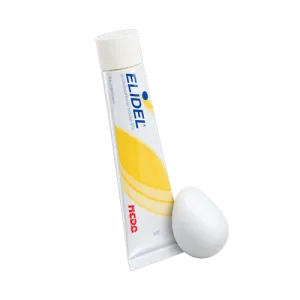
Elidel

Active ingredient: Pimecrolimus
10mg
From $ 73.50
tubes
4.3 (4)

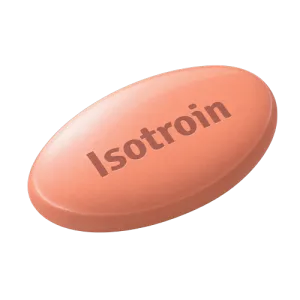
Isotroin

Active ingredient: Isotretinoin
30mg 10mg 20mg
From $ 167.58
pills
4.1 (4)

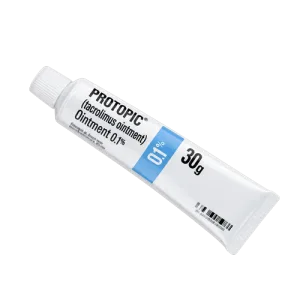
Protopic Current

Active ingredient: Tacrolimus
0.03%10gm
From $ 79.38
tubes
4.3 (4)

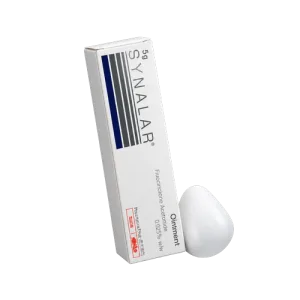
Synalar

Active ingredient: Fluocinolone acetonide
0.025%
From $ 129.36
tubes
4.2 (5)

Comparison table: Skin Care

Sources

  1. Health Canada (2024). Product Monograph: Protopic (tacrolimus ointment)
  2. Health Canada (2024). Consumer Information: Protopic (tacrolimus ointment)
  3. Health Canada (2024). Product Monograph: Protopic (tacrolimus ointment), sections on adverse reactions and warnings
  4. World Health Organization (2025). WHO Anatomical Therapeutic Chemical Classification System: Tacrolimus
  5. European Medicines Agency (2019). Protopic: Summary of Product Characteristics

How Buyers Rate Protopic

Based on 4 reviews

Neil, 64 Verified
Rating: 4.5 out of 5

I used the 0.03% ointment on recurring patches around my neck and eyelids. The itching eased within the first couple of weeks, and the skin looked much calmer after regular applications. The tube was easy to use, and I was pleased that the treated areas did not become fragile.

Calgary The first couple of weeks Nov 3, 2026
Rachel, 58 Verified
Rating: 3 out of 5

I applied a thin layer twice daily to eczema on my hands and face. It helped, but the first few applications caused a noticeable burning feeling, especially after washing. That settled down, although the improvement was slower than I expected.

Kingston The first few applications Nov 7, 2026
Rebecca, 36 Verified
Rating: 5 out of 5

Protopic helped clear the stubborn patches beside my nose and along my jaw. I used a small amount on each area and kept moisturiser at a separate time. After several weeks, the itching was much less disruptive at work and overnight.

Sherbrooke Several weeks Oct 11, 2026
Wendy, 47 Verified
Rating: 4.5 out of 5

I used the ointment for a flare affecting my neck and eyelids. The redness gradually reduced, and I needed less scratching during the day. The treatment fitted more easily into my routine than applying thicker creams several times.

Nanaimo Oct 15, 2026
Get our free app Shop faster and track your orders 4.0 · 402 reviews Install