Skip to content
contact@fairviewphysiotheraapy.com
Fast & Discrete Delivery Save up to 80%
In stock Elidel
Skin Care

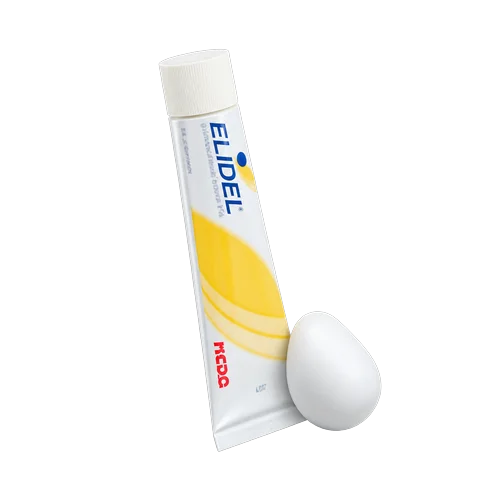
Elidel

Adults and children aged 2 years or older with mild to moderate atopic dermatitis may use Elidel when a topical non-steroid treatment is appropriate. Elidel cream 1% contains pimecrolimus, which…

Guaranteed quality Original product
Delivery: from 4 days Discreet shipping
24/7 Support Always available
Active ingredient: Pimecrolimus
Select pack Package Per unit Price
$ 73.50 $ 73.50
$ 66.15 $ 147.00 $ 132.30 Save 10%
$ 58.80 $ 220.50 $ 176.40 Save 20%
$ 55.13 $ 294.00 $ 220.50 Save 25%
$ 49.98 $ 367.50 $ 249.90 Save 32%
$ 44.10 $ 441.00 $ 264.60 Save 40%
$ 39.90 $ 514.50 $ 279.30 Save 46%
$ 36.75 $ 588.00 $ 294.00 Save 50%
Free Regular Delivery $ 34.30 $ 661.50 $ 308.70 Save 53%
Best value Free Regular Delivery $ 32.34 $ 735.00 $ 323.40 Save 56%

Free delivery on orders from $ 294.00, free express delivery from $ 441.00

Secure payment methods:
VISA AMEX JCB DISCOVER

Adults and children aged 2 years or older with mild to moderate atopic dermatitis may use Elidel when a topical non-steroid treatment is appropriate. Elidel cream 1% contains pimecrolimus, which reduces local inflammatory activity and helps relieve eczema-related redness and itching. It is applied directly to affected skin.

Overview

Elidel cream 1% contains pimecrolimus, a topical calcineurin inhibitor used for mild to moderate atopic dermatitis. Atopic dermatitis is a form of eczema that causes inflammation, dryness, itching, and recurrent skin rash. Elidel is a prescription cream for affected skin rather than a general treatment for every unexplained rash.

Pimecrolimus Drug Class

Calcineurin is a protein involved in activating inflammatory immune cells called T cells. Pimecrolimus reduces calcineurin-dependent signalling, which lowers the release of inflammatory substances in the skin. The result can be less redness, irritation, and itching during an eczema flare.

Elidel does not permanently cure eczema. It controls inflammatory activity while the skin barrier recovers and while triggers are reduced.

Elidel Treatment Position

Clinicians consider age, eczema severity, affected body site, previous treatment response, and the presence of infection before selecting Elidel. The cream may be useful when a non-steroidal option is preferred, including some sensitive areas where repeated corticosteroid exposure could be problematic.

A thicker layer does not speed recovery. Apply a thin film to affected skin; excess cream mainly increases mess and can make it harder to see whether the rash is improving.

How it affects the body

Pimecrolimus acts inside inflammatory skin cells. It inhibits calcineurin-dependent activation of T cells, reducing the production of cytokines and other signals that sustain eczema inflammation. This mechanism is different from that of topical corticosteroids, which suppress inflammation through glucocorticoid receptors.

Evidence reviewed by the European Medicines Agency describes pimecrolimus as a topical calcineurin inhibitor for atopic dermatitis, with local rather than systemic treatment as its intended role [2].

Formulation

Elidel cream 1% contains pimecrolimus, a topical calcineurin inhibitor used for mild to moderate atopic dermatitis. Atopic dermatitis is a form of eczema that causes inflammation, dryness, itching, and recurrent skin rash. Elidel is a prescription cream for affected skin rather than a general treatment for every unexplained rash. Atopic dermatitis often follows a relapsing course. Skin-barrier care remains part of treatment between flares.

Pimecrolimus is also described as a local immunosuppressant cream because it modifies immune activity in the skin. This local action differs from the broad immune suppression associated with oral immunosuppressant medicines. Health Canada recognizes pimecrolimus cream as a topical treatment option for appropriate patients with atopic dermatitis [1].

Pimecrolimus Drug Class

Calcineurin is a protein involved in activating inflammatory immune cells called T cells. Pimecrolimus reduces calcineurin-dependent signalling, which lowers the release of inflammatory substances in the skin. The result can be less redness, irritation, and itching during an eczema flare.

Elidel does not permanently cure eczema. It controls inflammatory activity while the skin barrier recovers and while triggers are reduced.

Elidel Treatment Position

Clinicians consider age, eczema severity, affected body site, previous treatment response, and the presence of infection before selecting Elidel. The cream may be useful when a non-steroidal option is preferred, including some sensitive areas where repeated corticosteroid exposure could be problematic.

A thicker layer does not speed recovery. Apply a thin film to affected skin; excess cream mainly increases mess and can make it harder to see whether the rash is improving.

Dosage and administration

Use Elidel exactly as prescribed for the diagnosed eczema area. The amount per application is set individually rather than being one fixed quantity for every person.

  • Wash and dry the affected skin gently.
  • Apply a thin layer of Elidel to the eczema.
  • Rub it in lightly.
  • Wash your hands after application, unless the hands are the treatment area.
  • Continue moisturiser use as directed for dry skin.
  • Avoid covering treated areas with airtight or occlusive dressings unless specifically instructed.
  • Keep the cream away from the eyes, mouth, and mucous membranes.

Moisturiser can usually be part of eczema care, but the prescribed order matters when several topical products are used. Allow one product to settle before applying another if the prescriber has given a sequence.

Do not apply Elidel immediately after a hot shower when the skin is flushed and irritated. Pat the area dry, let it cool, and then apply the thin layer prescribed for the flare.

Treatment Duration and Review

Treatment duration depends on the severity and pattern of atopic dermatitis. Use may be short term during a flare or part of a clinician-directed plan for recurring disease. If inflammation continues to worsen, the diagnosis may need review, infection may have developed, or another treatment may be required.

Elidel should not be used as a way to mask a rash that has not been assessed. Persistent lesions, repeated flares, or widespread eczema deserve clinical review.

Reasons not to use it

The treatment is not for you if you have a known allergy to pimecrolimus or any ingredient in the cream, or if the affected skin has an untreated bacterial, viral, or fungal infection.

Use requires clinician assessment in the following situations:

  • Severe or widespread dermatitis
  • A weakened immune system or immune-suppressing illness
  • Recurrent skin infections
  • Swollen lymph nodes
  • Unexplained or rapidly changing lesions
  • Significant facial swelling
  • Pregnancy or breastfeeding
  • Children younger than 2 years
  • A history of unusual skin growths or skin cancer

Pimecrolimus does not treat bacterial, viral, or fungal infection. Applying it to infected eczema can delay appropriate treatment.

Elidel is a local immune-modifying treatment. Extra caution is appropriate when large areas are treated, when the skin barrier is extensively damaged, or when other immune-modifying medicines are being used.

When this is not for you

Elidel is not appropriate for everyone. Do not use it on skin with an untreated bacterial, viral, or fungal infection, and speak with a clinician before use if you are pregnant or breastfeeding, have a weakened immune system, recurrent skin infections, swollen lymph nodes, unusual or changing skin lesions, or a history of skin cancer. Children younger than 2 years need a different clinical decision.

Possible side effects

The most common early reaction is a temporary feeling of warmth, burning, stinging, or itching at the application site. These sensations may be more noticeable during the first days, especially when the skin barrier is severely damaged. They may settle as the flare improves.

Other reported effects can include:

  • Redness or irritation where the cream is applied
  • Folliculitis
  • Headache
  • Increased sensitivity after alcohol exposure
  • Worsening eczema symptoms
  • Skin infection

A mild, short-lived burning sensation does not automatically mean treatment must stop. Severe or persistent burning, rapidly spreading redness, pus, significant crusting, or increasing pain needs prompt assessment.

Allergic and Serious Reactions

Stop applying the cream and seek urgent medical help for facial or throat swelling, widespread hives, wheezing, trouble breathing, faintness, or rapidly developing blistering. These symptoms can indicate a serious allergic reaction.

Headache can occur, but every headache is not caused by Elidel. A severe headache with fever, confusion, marked weakness, or other neurological symptoms needs urgent medical assessment.

Malignancy and Sun-Exposure Warning

Topical calcineurin inhibitors carry warnings about a possible association with malignancy, including lymphoma and melanoma. A definitive causal relationship has not been established for every reported case, and the level of risk from appropriate topical use remains an area of ongoing evaluation. The FDA label advises limiting unnecessary ultraviolet exposure, including tanning devices, while using pimecrolimus [3].

Use shade, protective clothing, and sunscreen on exposed unaffected skin when appropriate. Do not use tanning beds during treatment.

If a treated patch becomes painful, wet, crusted, or warm rather than simply itchy, do not keep adding cream and hoping it settles. Those changes can signal infection or a treatment problem.

Therapeutic indications

Elidel cream 1% is used for mild to moderate atopic dermatitis with symptoms such as:

  • Itching
  • Redness
  • Dry, inflamed skin
  • Eczema-related irritation
  • Recurrent inflammatory skin rash

The cream is applied to diagnosed eczema areas. A rash caused by fungal infection, bacterial infection, viral disease, contact allergy, psoriasis, or another inflammatory condition may require different treatment.

Atopic Dermatitis Symptoms

Atopic dermatitis commonly produces dry skin, itching, redness, scaling, and periods of worsening inflammation. Symptoms may affect the face, neck, hands, elbow folds, knee folds, or other areas. The appearance alone does not always identify the cause.

Rapid spreading, pus, honey-coloured crusting, marked pain, fever, or clusters of fluid-filled blisters need medical assessment because infection or another diagnosis may be present.

Sensitive-Skin Treatment Areas

Pimecrolimus can be selected for some facial, neck, or skin-fold eczema when a prescriber considers it suitable. Avoid applying it inside the eyes, on mucous membranes, or directly over infected skin. Keep the cream away from the eye surface; accidental eye contact should be rinsed with clean water.

Comparison

Elidel, tacrolimus, and topical corticosteroids all reduce eczema inflammation, but they do so through different mechanisms and have different practical limitations.

Treatment approach Main role and limitation
Pimecrolimus cream Non-steroidal calcineurin inhibitor for suitable mild to moderate atopic dermatitis; early burning can occur
Tacrolimus ointment Related calcineurin inhibitor that may be selected for different severity or body-site needs; burning and stinging are possible
Topical corticosteroids Range from low-potency hydrocortisone to stronger options such as mometasone, fluocinonide, and clobetasol; prolonged or unsuitable use can thin skin

Tacrolimus is the active ingredient in Protopic. It is related to pimecrolimus, but the two treatments are not interchangeable without prescribing guidance.

Hydrocortisone is a low-potency topical steroid. Mometasone, fluocinonide, and clobetasol have stronger anti-inflammatory activity and require greater care regarding treatment site, duration, and skin atrophy. Elocon is a brand associated with mometasone formulations. A strong corticosteroid on facial skin can cause avoidable harm when used without supervision.

The appropriate option depends on age, severity, affected site, infection status, and previous response. There is no single treatment that suits every eczema flare.

Common mistakes

Common mistakes include:

  • Applying a thick layer in the belief that more cream works faster. Use a thin film.
  • Applying Elidel to an undiagnosed rash. Confirm the cause of persistent or unusual lesions.
  • Covering treated skin with plastic or airtight dressings. Use occlusion only when specifically directed.
  • Stopping moisturiser when itching improves. Continue barrier care as prescribed.
  • Ignoring early signs of infection. Seek review for pus, spreading redness, pain, fever, or heavy crusting.
  • Using strong steroid cream on the face without guidance. Potency and treatment site matter.
  • Stopping treatment immediately after one mildly uncomfortable application. Early burning can settle, but severe or worsening reactions need assessment.
  • Treating every recurrence indefinitely without review. Frequent flares may indicate trigger exposure, infection, incorrect diagnosis, or a need for a different plan.

What doctors say

Clinicians usually assess the severity of atopic dermatitis, the percentage of skin affected, sensitive locations, signs of infection, sleep disruption, and previous treatment response. They also look for triggers such as irritants, fragranced products, sweating, and frequent washing.

A practical clinical goal is control of inflammation without repeated unsupervised treatment. Recurring flares often need a prevention plan, not simply repeated applications whenever itching returns.

Common questions

Can children under 18 use Elidel?

Children aged 2 years and older may use pimecrolimus cream when a prescriber considers it appropriate for mild to moderate atopic dermatitis. Health Canada’s product information supports age-specific assessment rather than treating every paediatric rash in the same way, with guidance reviewed in 2025. Children younger than 2 years require a different clinical decision because safety and treatment recommendations are age dependent.

Which symptoms mean Elidel should be stopped and reviewed urgently?

Stop applying Elidel and seek urgent care for facial or throat swelling, breathing difficulty, widespread hives, faintness, or rapidly developing blisters. The WHO describes these features as compatible with severe hypersensitivity requiring prompt medical attention in its 2025 medication-safety materials. Rapidly spreading redness, pus, fever, severe pain, or heavy crusting also requires prompt assessment because infection may be present.

Can alcohol be used while applying Elidel?

Alcohol is not a universal reason to stop Elidel, but it can trigger facial flushing, warmth, or burning in some users. The European Medicines Agency discusses local alcohol-related reactions in the safety information for pimecrolimus, with the relevant product information maintained through 2025. Avoid alcoholic beverages if they reliably worsen treated skin, and report persistent reactions during treatment review.

Can Elidel be used with cosmetics, sunscreen, or other topical products?

Elidel can be part of a broader skin-care routine, but products should be applied in the order specified for the individual treatment plan. Health Canada’s dermatology guidance in 2025 supports using moisturisers and sun protection as part of eczema care while avoiding unnecessary irritants. Choose fragrance-free products, keep cosmetics away from inflamed or infected skin, and allow each topical product to settle when several are used.

How should Elidel be stored at home and while travelling?

Keep the tube closed and store it at room temperature away from excessive heat, freezing conditions, and direct sunlight. The EMA product information available in 2025 advises maintaining the cream in suitable storage conditions and preventing access by children. During travel, avoid leaving the tube in a hot vehicle, beside a heater, or in checked luggage exposed to extreme temperatures.

What should be done after a missed application?

Apply the missed amount when remembered if it is not nearly time for the next scheduled application. If the next application is due soon, skip the missed one and resume the usual plan; do not apply extra cream to compensate. The FDA pimecrolimus label, reviewed in 2025, advises against doubling topical doses after a missed application.

How does Elidel differ from tacrolimus?

Elidel contains pimecrolimus, while tacrolimus is the active ingredient in Protopic; both are topical calcineurin inhibitors. Health Canada’s 2025 prescribing information distinguishes these medicines by formulation, treatment strength, age considerations, and clinical use. Tacrolimus may be selected for different eczema severity or treatment sites, while pimecrolimus may suit selected mild to moderate cases; the products should not be switched without prescribing guidance.

Do you offer anonymous delivery?

Your order will be securely packed and shipped within 24 hours. This is exactly what your package will look like (images of an actual item sent). It has the size and look of a regular private letter (24x11x0.7 cm) and its contents cannot be seen.

Comparison

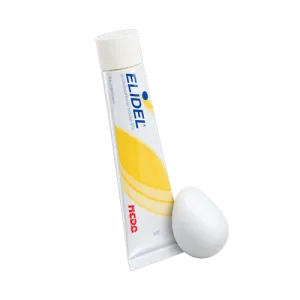
Elidel Current

Active ingredient: Pimecrolimus
10mg
From $ 73.50
tubes
4.3 (4)

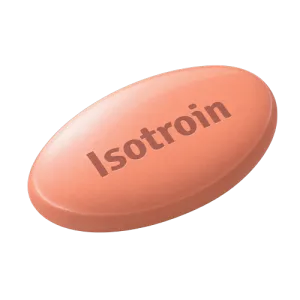
Isotroin

Active ingredient: Isotretinoin
30mg 10mg 20mg
From $ 167.58
pills
4.1 (4)

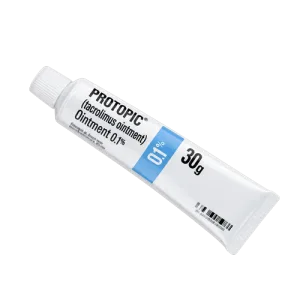
Protopic

Active ingredient: Tacrolimus
0.03%10gm
From $ 79.38
tubes
4.3 (4)

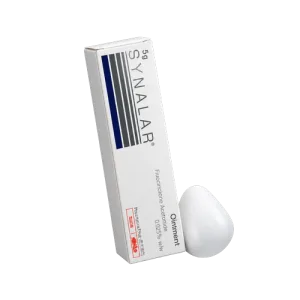
Synalar

Active ingredient: Fluocinolone acetonide
0.025%
From $ 129.36
tubes
4.2 (5)

Comparison table: Skin Care

Sources

  1. Health Canada (2025). Product information for Elidel cream and pimecrolimus.
  2. European Medicines Agency (2025). Summary of Product Characteristics for pimecrolimus-containing cream.
  3. U.S. Food and Drug Administration (2025). Elidel (pimecrolimus) cream prescribing information.

How Buyers Rate Elidel

Based on 4 reviews

John, 33 Verified
Rating: 3 out of 5

The itching eased and the red patches became less noticeable, but the first applications felt hot for a while. It helped, although the improvement was slower than I expected.

Saskatoon Several weeks Oct 23, 2026
Graham, 58 Verified
Rating: 4.5 out of 5

The skin settled noticeably after I used it consistently. I also kept up the moisturiser, and the itching stopped interrupting my sleep.

Red Deer Several weeks Nov 2, 2026
Mark, 46 Verified
Rating: 5 out of 5

The flare became much easier to manage. I liked that the treatment was a cream and did not leave the thick residue I had experienced with other products.

St. Catharines Several weeks Nov 9, 2026
Andrew, 55 Verified
Rating: 4.5 out of 5

The affected areas looked calmer after regular application, and I spent less time scratching during the day. Keeping the skin moisturised made a noticeable practical difference.

Winnipeg Several weeks Nov 19, 2026
Get our free app Shop faster and track your orders 4.0 · 402 reviews Install