Skip to content
contact@fairviewphysiotheraapy.com
Fast & Discrete Delivery Save up to 80%
In stock Isotroin
Skin Care

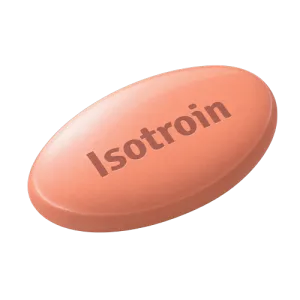
Isotroin

Adults and adolescents with severe, persistent acne that has not responded adequately to standard treatment may be prescribed Isotroin. It contains isotretinoin, an oral retinoid that reduces…

Guaranteed quality Original product
Delivery: from 4 days Discreet shipping
24/7 Support Always available
Active ingredient: Isotretinoin
Select dosage:
Select pack Package Per unit Price
Free Regular Delivery $ 5.66 $ 339.57
Free Express Delivery $ 5.44 $ 509.36 $ 489.51 Save 4%
Free Express Delivery $ 5.15 $ 679.14 $ 617.40 Save 9%
Free Express Delivery $ 4.70 $ 1,018.71 $ 846.72 Save 17%
Free Express Delivery $ 4.50 $ 1,528.07 $ 1,214.22 Save 21%
Best value Free Express Delivery $ 4.34 $ 2,037.42 $ 1,564.08 Save 23%
$ 5.59 $ 167.58
Free Regular Delivery $ 5.29 $ 335.16 $ 317.52 Save 5%
Free Express Delivery $ 4.77 $ 670.32 $ 571.83 Save 15%
Free Express Delivery $ 4.18 $ 1,340.64 $ 1,002.54 Save 25%
Best value Free Express Delivery $ 3.80 $ 2,010.96 $ 1,368.57 Save 32%
Free Express Delivery $ 29.74 $ 892.29
Free Express Delivery $ 27.20 $ 1,784.58 $ 1,631.70 Save 9%
Free Express Delivery $ 26.02 $ 3,569.16 $ 3,122.28 Save 13%
Free Express Delivery $ 25.06 $ 7,138.32 $ 6,013.77 Save 16%
Best value Free Express Delivery $ 24.27 $ 10,707.48 $ 8,737.68 Save 18%

Free delivery on orders from $ 294.00, free express delivery from $ 441.00

Secure payment methods:
VISA AMEX JCB DISCOVER

Adults and adolescents with severe, persistent acne that has not responded adequately to standard treatment may be prescribed Isotroin. It contains isotretinoin, an oral retinoid that reduces sebaceous-gland activity, limits follicle blockage, and lowers the formation of inflammatory acne lesions.

Overview

Isotroin contains isotretinoin, a retinoid related to vitamin A. Retinoids influence the growth and maturation of epithelial cells, including cells lining the hair follicles.

The medicine is supplied as oral pills. Isotretinoin capsules are swallowed rather than applied to the skin, so their effects extend beyond individual acne lesions.

The European Medicines Agency describes oral isotretinoin as a treatment reserved for severe acne because of its significant safety requirements [1].

How it affects the body

Sebaceous glands produce sebum, an oily substance that helps protect the skin. In acne-prone skin, excess sebum combines with abnormal shedding of follicular cells. The mixture can obstruct hair follicles, creating comedones and an environment that supports inflammatory activity.

Isotretinoin reduces the size and activity of sebaceous glands. As sebum production falls, the skin becomes less oily and the material available to block follicles decreases. The medicine also influences follicular keratinization, meaning the way skin cells develop and shed inside the follicle.

Suppression of sebum secretion

Sebum hypersecretion is one of the central biological features of moderate-to-severe acne. Isotretinoin lowers sebaceous-gland output over time, which can reduce the formation of new comedones, papules, pustules, and nodules.

The response is gradual. Skin oiliness may improve before deeper inflammatory lesions fully settle. A temporary worsening can occur in some patients during the early phase, especially when acne is extensive or deeply inflamed. Severe or rapidly worsening inflammation needs prompt clinical assessment.

Prevention of follicular keratinization

Keratinization describes the production and shedding of keratin-containing skin cells. When this process becomes abnormal inside a hair follicle, cells can stick together and form a plug. The blocked follicle then becomes a starting point for acne lesions.

Isotretinoin helps normalize follicular cell turnover. Lower sebum flow and fewer compacted cells make follicular obstruction less likely. Reduced oil and blockage also limit the environment that supports Cutibacterium acnes, formerly called Propionibacterium acnes. The bacterium is part of normal skin flora, but its activity within blocked follicles contributes to inflammation.

The complete acne cycle involves oil production, follicular blockage, bacterial activity, and immune inflammation. Isotretinoin acts across several points in that cycle rather than targeting only one symptom. Health Canada’s isotretinoin safety information emphasizes that the medicine should be prescribed and followed through a structured clinical programme [2].

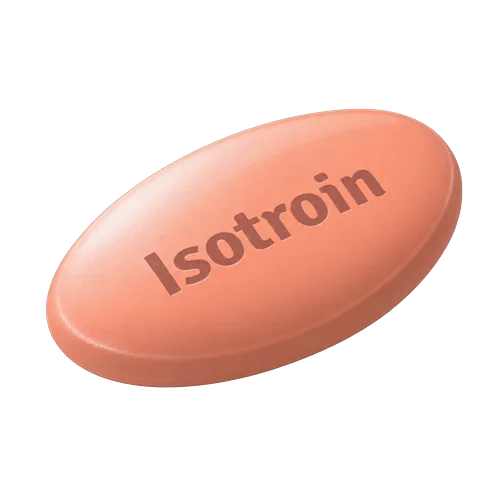
Formulation

It contains isotretinoin, an oral retinoid that reduces sebaceous-gland activity, limits follicle blockage, and lowers the formation of inflammatory acne lesions.

Dosage and administration

Isotretinoin dosing depends on the purpose of treatment, body weight, acne severity, response, and the appearance of adverse effects. The dose and frequency are agreed with a doctor or pharmacist. Do not change the number of pills, stop treatment early, or restart after a break without specific clinical direction.

Typical administration principles include:

  • Swallow the pills whole with water.
  • Take each dose at the scheduled time.
  • Take isotretinoin with food when directed, because food can improve absorption for many formulations.
  • Do not crush, chew, or open the pills.
  • Avoid sharing the medicine with another person, even when their acne appears similar.
  • If a dose is missed, take it when remembered unless the next scheduled dose is close; skip the missed dose rather than doubling.

The course length varies. A dermatologist may adjust treatment when acne improves, adverse effects appear, blood-test results change, or the cumulative exposure is sufficient for the clinical goal. The product should not be used intermittently for cosmetic skin concerns without medical direction.

Do not compensate for a missed dose by taking two doses together. Doubling increases exposure without reliably improving acne control.

Reasons not to use it

Isotroin is also not suitable in these situations unless a specialist determines otherwise:

  • Breastfeeding.
  • Allergy to isotretinoin or any component of the formulation.
  • Current use of tetracycline antibiotics.
  • Use of vitamin A supplements or other vitamin A derivatives.
  • Severe liver disease.
  • Uncontrolled high blood lipid levels.
  • A history of intracranial hypertension.
  • Significant untreated depression or suicidal thinking.

Isotretinoin should not be combined with tetracyclines because the combination may increase the risk of intracranial hypertension. Vitamin A supplements can intensify retinoid-related toxicity.

When this is not for you

Isotroin is not suitable for people who are pregnant or planning pregnancy. Isotretinoin can cause severe congenital abnormalities, including abnormalities affecting the brain, face, heart, and ears. Pregnancy prevention requirements apply before, during, and after treatment for the period specified by the prescriber and local safety programme.

People with diabetes, obesity, lipid disorders, liver disease, inflammatory bowel disease, or a history of mental health problems may require closer monitoring. These conditions do not automatically exclude treatment, but they affect the risk assessment.

Possible side effects

Dryness is the most familiar adverse effect of isotretinoin. The lips, nose, eyes, and facial skin may become dry or irritated. Chapped lips can appear before the acne itself has clearly improved.

Other possible effects include:

  • Dry or peeling skin.
  • Nosebleeds from dry nasal lining.
  • Eye irritation or reduced tear production.
  • Muscle or joint aches.
  • Headache.
  • Increased sensitivity to sunlight.
  • Temporary changes in liver enzymes or blood lipids.
  • Mood changes or worsening depression.
  • Rare intracranial hypertension, which may cause severe headache and visual symptoms.

Not every patient experiences the same effects. Higher exposure, intensive exercise, contact-lens use, previous eczema, and a history of lipid or liver problems can influence tolerability.

Apply sunscreen to exposed skin and avoid tanning beds. Isotretinoin can make sun exposure more irritating even when the skin does not look visibly inflamed.

Stop taking the medicine and seek urgent medical attention for severe headache with vision changes, sudden weakness, severe abdominal pain, yellowing of the skin, serious rash, facial swelling, difficulty breathing, or thoughts of self-harm. These symptoms require assessment rather than self-treatment.

A urine pregnancy test, cholesterol result, or liver test can change during therapy without producing obvious symptoms. That is why scheduled monitoring remains useful even when the skin feels better.

Therapeutic indications

Adults and adolescents with severe, persistent acne that has not responded adequately to standard treatment may be prescribed Isotroin.

Isotretinoin is used in dermatology for severe nodular acne, acne with a risk of permanent scarring, and acne that has not improved with other appropriate treatments.

Comparison

Isotroin has a different role from topical retinoids, oral antibiotics, and hormone-directed treatment. The choice depends on acne severity, scarring risk, previous treatment, medical history, and pregnancy potential.

Treatment approach Main action and usual clinical role
Oral isotretinoin Reduces sebaceous-gland activity, follicular blockage, and inflammatory acne; reserved for severe or treatment-resistant disease
Topical retinoid Normalizes shedding inside follicles; commonly used for comedonal and inflammatory acne
Antibacterial treatment Reduces bacterial contribution and inflammation; usually used for selected inflammatory cases and for limited treatment periods

Topical retinoids expose the skin directly and may cause local dryness, redness, or irritation. Oral isotretinoin reaches sebaceous glands throughout the body and can produce a stronger, longer-lasting acne response, but its systemic risks are greater.

Oral antibiotics may help inflammatory acne, yet they do not produce the same reduction in sebaceous-gland activity. Long-term antibiotic use also raises concerns about antimicrobial resistance. Isotretinoin is considered when acne is severe, scarring, persistent, or insufficiently controlled with other approaches.

Common mistakes

Several avoidable habits can make treatment harder to tolerate or less effective:

  • Taking extra pills after a missed dose.
  • Stopping the medicine as soon as the face looks clearer.
  • Using harsh scrubs, strong acids, or abrasive brushes on dry skin.
  • Starting vitamin A supplements without checking for interaction.
  • Taking tetracycline antibiotics at the same time.
  • Ignoring mood changes or severe headaches.
  • Waxing or undergoing aggressive cosmetic procedures during therapy.
  • Failing to report possible pregnancy immediately.
  • Continuing contact-lens use despite painful dryness or visual symptoms.
  • Assuming that more sun exposure will improve acne.

A common practical problem is under-reporting dryness. Patients sometimes tolerate cracked lips or recurrent nosebleeds for weeks because they expect them to be unavoidable. Early treatment with suitable moisturising products and medical advice can prevent minor irritation from becoming a significant barrier to continued therapy.

What doctors say

Dermatologists usually set expectations before the first pill is taken. Acne may improve slowly, dryness can precede visible improvement, and the early phase may feel discouraging. A treatment plan is judged by sustained reduction in new lesions and prevention of scarring, not by day-to-day changes in individual spots.

A clinician will also ask about medicines that may seem unrelated to acne. Vitamin supplements, antibiotics, bodybuilding products, herbal preparations, and medicines for mental health can alter the safety profile. Keeping a complete medication list helps the prescriber identify avoidable combinations.

The World Health Organization describes retinoids as compounds with powerful biological effects that require careful use in pregnancy and other high-risk situations [3]. In practice, the strongest results come from regular follow-up, realistic expectations, and early reporting of troublesome symptoms.

Common questions

Can Isotroin affect driving, concentration, or work with machinery?

Isotretinoin does not usually impair driving in every patient, but dizziness, visual changes, severe headache, or reduced night vision can make driving unsafe. Health Canada safety information from 2022 highlights the need to report visual symptoms and neurological complaints during treatment. Do not drive or operate machinery if your vision is blurred, your concentration is impaired, or you feel unwell. Contact the prescriber urgently for severe headache with visual changes.

How does Isotroin differ from topical retinoids?

Isotroin contains oral isotretinoin, while topical retinoids act mainly at the skin surface and within individual follicles. The oral medicine reduces sebaceous-gland activity throughout the body, which gives it a role in severe or treatment-resistant acne. The EMA’s isotretinoin safety framework, reviewed in 2018, reflects the stronger systemic risks and pregnancy restrictions associated with oral treatment. Topical treatment may be preferred when acne is milder or limited to comedones.

Can alcohol be used during Isotroin treatment?

Alcohol can add liver stress and may worsen increases in blood triglycerides during isotretinoin therapy. Clinical monitoring often includes liver enzymes and lipid levels when the patient’s risk profile makes testing appropriate. Guidance from the British Association of Dermatologists in 2020 advises caution with alcohol during oral isotretinoin treatment. Avoiding alcohol gives the liver and lipid profile fewer additional stressors while the medicine is being used.

How soon does Isotroin begin to show an effect?

Oiliness and the number of new inflammatory lesions may begin to change after several weeks, while deeper acne and scarring risk require a longer treatment period. The FDA isotretinoin prescribing information, updated in 2023, describes treatment as individualized according to response and tolerability rather than a fixed result by a particular day. Some patients experience an early flare before improvement becomes clear. Rapid worsening, severe inflammation, or significant pain should be reported promptly.

Can Isotroin be used during pregnancy or breastfeeding?

Isotroin must not be used during pregnancy or breastfeeding. Isotretinoin can cause severe fetal abnormalities, and pregnancy prevention requirements are a central part of treatment safety. WHO guidance from 2008 supports strict avoidance of systemic retinoids during pregnancy. Anyone who becomes pregnant while taking Isotroin should stop the medicine and seek urgent medical advice.

What should be done after a missed dose?

Take the missed dose when remembered unless the next scheduled dose is near. When the next dose is close, skip the missed dose and continue with the normal schedule. Never take two doses together to compensate. The FDA prescribing information from 2023 gives the same practical approach for missed isotretinoin doses.

Which condition rules out Isotroin?

Pregnancy rules out Isotroin because isotretinoin can cause serious congenital abnormalities. Breastfeeding is also incompatible with treatment. Current tetracycline use, vitamin A supplementation, serious liver disease, and previous intracranial hypertension require specific clinical assessment before treatment. The EMA safety review from 2018 identifies pregnancy prevention and monitoring as central requirements for oral isotretinoin therapy.

Do you offer anonymous delivery?

Your order will be securely packed and shipped within 24 hours. This is exactly what your package will look like (images of an actual item sent). It has the size and look of a regular private letter (24x11x0.7 cm) and its contents cannot be seen.

Comparison

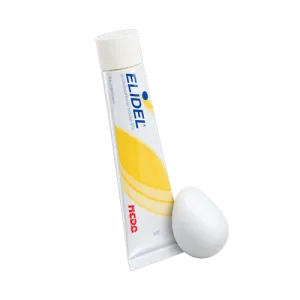
Elidel

Active ingredient: Pimecrolimus
10mg
From $ 73.50
tubes
4.3 (4)

Isotroin Current

Active ingredient: Isotretinoin
30mg 10mg 20mg
From $ 167.58
pills
4.1 (4)

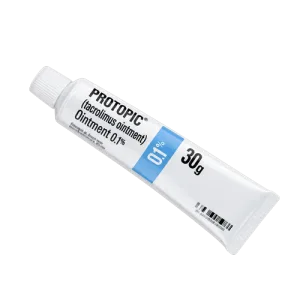
Protopic

Active ingredient: Tacrolimus
0.03%10gm
From $ 79.38
tubes
4.3 (4)

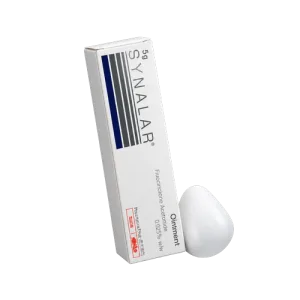
Synalar

Active ingredient: Fluocinolone acetonide
0.025%
From $ 129.36
tubes
4.2 (5)

Comparison table: Skin Care

Sources

  1. European Medicines Agency (2018). Updated measures for pregnancy prevention during retinoid use.
  2. Health Canada (2022). Product Monograph: Accutane (isotretinoin).
  3. World Health Organization (2008). WHO Model Formulary.

How Buyers Rate Isotroin

Based on 4 reviews

Darren H., 51 Verified
Rating: 4.5 out of 5

I used Isotroin for my persistent acne and noticed fewer deep breakouts after several weeks. My skin became much less oily, and the improvement was clear enough that shaving was easier. I was satisfied with the result.

Kelowna Several weeks Nov 17, 2026
James, 34 Verified
Rating: 3 out of 5

The treatment reduced the painful spots, but the progress was slower than I expected. My lips were dry during the first part of the course, so I kept balm with me at work. The improvement was useful, although the daily skin care took more effort.

Toronto The first part of the course Oct 26, 2026
Jonathan, 69 Verified
Rating: 5 out of 5

I had dealt with recurring acne for years and finally saw a steady reduction in new lesions after starting treatment. The change in oiliness was noticeable. I was pleased that fewer areas became inflamed.

Guelph Nov 6, 2026
Gary, 40 Verified
Rating: 4 out of 5

Isotroin made a meaningful difference to the frequency of breakouts. I still had occasional spots, but the deeper lesions became much less common. Keeping moisturiser nearby helped me stay comfortable during the course.

Moncton During the course Oct 19, 2026
Get our free app Shop faster and track your orders 4.0 · 402 reviews Install