I used Voltaren for several days for knee pain, but it did not give me enough relief to make walking easier. The stomach discomfort became more noticeable, so I stopped and discussed another option with my doctor.
St. Catharines Several days Oct 11, 2026
Voltaren
Adults with osteoarthritis, rheumatoid arthritis, or short-term inflammatory pain may be prescribed Voltaren tablets. Voltaren contains diclofenac sodium, a nonsteroidal anti-inflammatory drug…
Adults with osteoarthritis, rheumatoid arthritis, or short-term inflammatory pain may be prescribed Voltaren tablets. Voltaren contains diclofenac sodium, a nonsteroidal anti-inflammatory drug (NSAID) that reduces prostaglandin production. This helps ease pain, swelling, and stiffness when inflammation contributes to the symptoms.
Overview
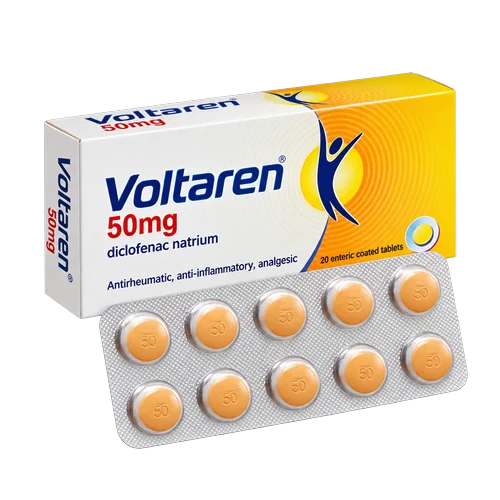
Voltaren tablets contain diclofenac sodium, an NSAID with analgesic, anti-inflammatory, and antirheumatic activity. The regimen for the chosen strength should be confirmed with a healthcare professional before starting. Diclofenac is used when inflammation contributes to pain, rather than for pain that has no inflammatory component.
The role of diclofenac in pain management
Diclofenac can be useful when joint inflammation, tissue irritation, or musculoskeletal injury contributes to pain. Rheumatologists and general practitioners may use an NSAID as part of a wider plan that also includes movement therapy, strength work, weight management, or treatment of the underlying disease.
It reduces symptoms. It does not repair damaged cartilage or cure rheumatoid arthritis.
How it affects the body
Diclofenac blocks cyclooxygenase enzymes, known as COX-1 and COX-2. These enzymes help produce prostaglandins, chemical messengers involved in pain sensitisation, swelling, and fever. Lower prostaglandin production can reduce tenderness and improve movement, although it can also reduce some protective effects in the stomach and kidneys [1].
Formulation
Voltaren tablets contain diclofenac sodium, an NSAID with analgesic, anti-inflammatory, and antirheumatic activity. The regimen for the chosen strength should be confirmed with a healthcare professional before starting.
Dosage and administration
Voltaren is taken by mouth as a tablet. Its systemic action means it can affect the whole body, unlike a topical diclofenac preparation applied only to a limited skin area.
The regimen for the chosen strength should be confirmed with a healthcare professional before starting. Voltaren tablets should be taken exactly according to that individual plan, including the number of tablets, interval between doses, and intended duration.
Key administration points are:
- Take the tablet by mouth with water.
- Use the confirmed regimen rather than adjusting the dose according to pain intensity.
- Take it with food or after a meal if stomach irritation occurs.
- Avoid taking Voltaren together with another systemic NSAID unless specifically directed.
- Use the shortest treatment period that provides the intended symptom control.
- If a dose is missed, take it when remembered unless the next scheduled dose is near; do not double the next dose.
The tablet is not automatically suitable for every adult. Age, kidney function, liver function, blood pressure, ulcer history, cardiovascular risk, pregnancy status, and interacting medicines can all change the appropriate regimen.
A common mistake is treating diclofenac like a simple occasional painkiller and combining it with ibuprofen, naproxen, or high-dose aspirin. These medicines share gastrointestinal, kidney, and bleeding risks. Taking more than prescribed can increase harm without producing proportional pain relief.
Do not use Voltaren for a longer period simply because symptoms return after the effect wears off. Recurring pain may require reassessment of the diagnosis or treatment plan.
Reasons not to use it
Avoid Voltaren when any of the following applies unless a specialist has provided a specific treatment plan:
- Active stomach or intestinal ulcer.
- Previous gastrointestinal bleeding linked to an NSAID.
- Severe kidney, liver, or heart failure.
- Established cardiovascular disease requiring careful NSAID selection.
- Uncontrolled hypertension.
- Previous severe skin reaction to an NSAID.
- Active gastrointestinal bleeding.
- The third trimester of pregnancy.
Important interactions include:
- Blood thinners: Warfarin, apixaban, rivaroxaban, dabigatran, and similar medicines can combine with diclofenac to increase bleeding risk.
- Antiplatelet medicines: Aspirin and clopidogrel may add to gastrointestinal bleeding risk.
- Corticosteroids: Prednisone and related drugs can increase the likelihood of ulceration and bleeding.
- Selective serotonin reuptake inhibitors: Medicines such as sertraline, fluoxetine, and citalopram may add to bleeding risk when combined with an NSAID.
- Cyclosporine or tacrolimus: These medicines can place stress on the kidneys, and diclofenac may intensify that risk.
- Methotrexate: Diclofenac may reduce methotrexate clearance in some situations, increasing toxicity risk.
- ACE inhibitors, angiotensin receptor blockers, and diuretics: The combination can worsen blood pressure control or kidney function.
- Lithium or digoxin: Diclofenac can increase blood concentrations of these medicines.
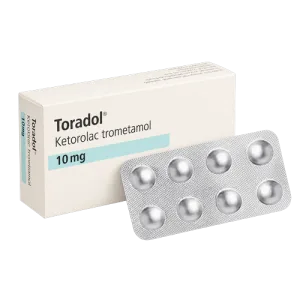
- Other NSAIDs: Combining diclofenac with ibuprofen, naproxen, ketorolac, or systemic aspirin increases adverse-effect risk without providing a reliable benefit.
When this is not for you
This medicine is not for you if you have had an allergic reaction, asthma attack, hives, or severe nasal symptoms after taking diclofenac, aspirin, ibuprofen, naproxen, or another NSAID.
Diclofenac may not be suitable if you have an ulcer, kidney or heart problems, high blood pressure, cardiovascular disease, previous gastrointestinal bleeding, or a serious skin reaction to an NSAID. It also needs special medical assessment during pregnancy, particularly in the third trimester, and before breastfeeding. Tell the prescriber about all medicines, pain relievers, herbal products, and supplements you use.
Possible side effects
Diclofenac can cause side effects involving the digestive system, kidneys, cardiovascular system, nervous system, and skin. Many reactions are mild, but some require urgent medical attention.
Common or clinically recognised effects include:
- Indigestion, nausea, abdominal discomfort, or stomach pain.
- Diarrhea or constipation.
- Headache, dizziness, or drowsiness.
- Fluid retention and ankle swelling.
- Increased blood pressure.
- Skin rash or itching.
- Changes in kidney function, especially in people who are dehydrated or medically vulnerable.
Stomach irritation is more likely with higher doses, longer use, previous ulcer disease, corticosteroids, anticoagulants, antiplatelet medicines, or heavy alcohol intake. Taking the tablet after food may reduce discomfort, but food does not remove the risk of ulceration or bleeding.
Stop the medicine and seek urgent medical care for black stools, vomiting blood, severe abdominal pain, facial swelling, breathing difficulty, chest pain, sudden weakness, or a rapidly spreading blistering rash. These symptoms may indicate gastrointestinal bleeding, a serious allergic reaction, a cardiovascular event, or a severe skin reaction .
Diclofenac can raise cardiovascular risk, especially with prolonged treatment or in people who already have cardiovascular disease. Blood pressure may also rise because NSAIDs can promote sodium retention and reduce kidney-mediated fluid regulation.
Kidney problems may develop without obvious pain. Reduced urine, unusual tiredness, nausea, or swelling can be warning signs. Dehydration from vomiting, diarrhea, fever, or intense exercise can make NSAID-related kidney stress more likely.

Therapeutic indications
Voltaren is used for inflammatory pain involving joints, muscles, ligaments, or other musculoskeletal tissues. The clinical objective is usually to reduce pain enough to support normal movement and daily activity.
Common medical uses include:
- Osteoarthritis-related pain, stiffness, and joint inflammation.
- Rheumatoid arthritis with painful or swollen joints.
- Acute mild to moderate musculoskeletal pain.
- Pain after minor injuries or inflammatory soft-tissue conditions.
- Short periods of painful flare-ups when an NSAID is clinically appropriate.
Osteoarthritis involves progressive changes in joint structures, while rheumatoid arthritis is an immune-mediated inflammatory disease. Diclofenac may reduce symptoms in both conditions, but it does not modify the immune process that drives rheumatoid arthritis. Long-term rheumatoid arthritis treatment often requires disease-modifying therapy prescribed by a specialist [2].
| Clinical situation | Main symptom target | Practical treatment goal |
|---|---|---|
| Osteoarthritis | Joint pain and stiffness | Improve walking, gripping, or daily movement |
| Rheumatoid arthritis | Inflammatory pain and swelling | Reduce symptoms alongside disease-modifying treatment |
| Acute musculoskeletal pain | Pain during movement or rest | Support short-term functional recovery |
In clinical practice, the lowest dose that controls symptoms for the shortest appropriate period is usually preferred because NSAID risks increase with higher exposure and longer treatment. People with a history of stomach ulcer, kidney disease, heart disease, hypertension, or asthma triggered by aspirin-type medicines need a more careful assessment before starting diclofenac.
Voltaren may reduce pain within the same day for some people, while joint swelling and stiffness can take longer to settle. A lack of improvement does not justify taking extra tablets.
Comparison
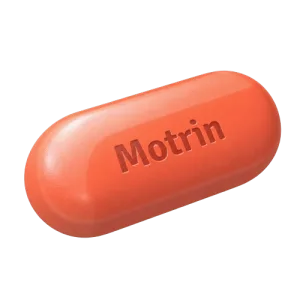
Voltaren belongs to the same broad NSAID group as ibuprofen, naproxen, and aspirin. The medicines differ in potency, duration, dosing schedules, individual response, and risk profile. No NSAID is universally best.
| Medicine or category | Active ingredient | Clinical distinction |
|---|---|---|
| Voltaren | Diclofenac sodium | Useful for inflammatory musculoskeletal pain; cardiovascular and gastrointestinal risks require attention |
| Ibuprofen | Ibuprofen | Often used for short-term pain or fever; repeated dosing can still affect the stomach, kidneys, and blood pressure |
| Naproxen | Naproxen | Longer-lasting NSAID action; gastrointestinal and kidney risks remain relevant |
| Aspirin | Acetylsalicylic acid | Lower doses are used for antiplatelet treatment; analgesic doses have NSAID-related bleeding risks |
Aspirin deserves separate attention because low-dose aspirin is often used for cardiovascular prevention rather than pain. Do not replace prescribed low-dose aspirin with Voltaren or add Voltaren without discussing bleeding and cardiovascular risks.
The European Medicines Agency and Health Canada both emphasise using systemic diclofenac with attention to cardiovascular and gastrointestinal risk factors [3]. The U.S. Food and Drug Administration also provides labeling on systemic NSAID cardiovascular and gastrointestinal risks.
Common mistakes
Several habits can make treatment less useful or less safe:
- Taking Voltaren with ibuprofen or naproxen for extra relief.
- Repeating a missed dose by taking two tablets together.
- Continuing treatment after the planned course without reassessment.
- Ignoring black stools, vomiting blood, new breathlessness, or marked swelling.
- Using the medicine during dehydration from vomiting, diarrhea, or fever.
- Forgetting to mention antidepressants, blood thinners, corticosteroids, cyclosporine, or methotrexate.
- Assuming food eliminates the risk of an ulcer.
- Using a tablet regimen intended for another person.
- Crushing a coated tablet without confirming that the dosage form permits it.
- Treating persistent pain without investigating the cause.
A second common error is overlooking over-the-counter products. Some cold, flu, and pain remedies contain an NSAID or aspirin. Read the active medicinal ingredients of any additional product before combining it with diclofenac.
What doctors say
Physicians generally judge Voltaren by function, not only by a lower pain score. Being able to walk farther, sleep through the night, grip objects, or complete physiotherapy can indicate meaningful benefit.
A doctor may select diclofenac when inflammation is a major part of the pain pattern and when the patient’s risk profile permits NSAID treatment. The decision becomes less favourable when there is active ulcer disease, anticoagulant treatment, chronic kidney disease, uncontrolled hypertension, or significant cardiovascular disease.
Clinical practice also shows why duration matters. A short course for a defined flare is different from repeated daily use over months. Long-term use may require blood pressure review, kidney monitoring, and reassessment of whether another treatment strategy would reduce risk.
The WHO describes NSAIDs as useful medicines whose benefits need to be balanced against gastrointestinal, renal, and cardiovascular harms in susceptible patients [4].
One practical point is often missed: pain relief can encourage a person to resume heavy activity too quickly. Reduced pain does not necessarily mean that an injured tendon, muscle, or joint has recovered.
Common questions
Which diet, exercise, or habits can help or hinder Voltaren treatment?
Gentle movement, prescribed physiotherapy, adequate hydration, and gradual return to activity can support recovery when inflammation causes pain. Heavy alcohol intake can worsen stomach irritation and bleeding risk, while dehydration can increase kidney stress. Avoid combining Voltaren with another NSAID, even if the second product is sold without a prescription. A clinician can adjust the plan when these factors change. Health Canada’s 2022 diclofenac safety information supports attention to gastrointestinal, renal, and cardiovascular risk factors.
What is the best time of day to take Voltaren?
Take Voltaren at the time specified in the regimen confirmed before starting treatment. Taking it with food or after a meal may help if indigestion occurs, although food does not prevent ulcers or bleeding. If the medicine causes dizziness, avoid driving or hazardous work until you know how it affects you. The EMA’s 2023 product information describes oral diclofenac administration and its major precautions.
Can people under 18 use Voltaren?
Use in children and teenagers depends on the diagnosis, age, body size, formulation, and local prescribing information. The adult 50 mg tablet regimen should not be assumed to apply to someone under 18. A child with severe pain, fever, swelling, or an injury needs assessment of the underlying cause rather than unsupervised adult NSAID treatment. Health Canada’s 2022 product information should guide age-specific prescribing decisions.
Can Voltaren be combined with antidepressants or supplements?
Selective serotonin reuptake inhibitors, including sertraline and fluoxetine, may increase bleeding risk when combined with diclofenac. Corticosteroids, aspirin, anticoagulants, and antiplatelet medicines create additional concern. Supplements that affect bleeding, including concentrated fish oil, ginkgo, garlic, or turmeric products, should also be disclosed before treatment is started. The WHO’s 2020 NSAID safety guidance supports a full review of concurrent medicines and patient risk factors .
What should be discussed with a doctor before starting Voltaren?
Discuss any ulcer or gastrointestinal bleeding history, kidney disease, liver disease, heart disease, high blood pressure, asthma after aspirin, pregnancy, and breastfeeding. Provide a complete list of prescription medicines, over-the-counter pain relievers, and supplements. The prescriber should also know about anticoagulants, methotrexate, cyclosporine, lithium, diuretics, and medicines for blood pressure. A 2022 Health Canada product monograph identifies these factors as clinically relevant to diclofenac treatment .
How soon can the effect of Voltaren become noticeable?
Some people notice reduced pain within several hours, while swelling and stiffness may need longer treatment to improve. The response depends on the source of pain, inflammation severity, dose regimen, and individual factors. Lack of improvement after the planned trial should lead to reassessment rather than extra tablets. The EMA’s 2023 diclofenac information describes its analgesic and anti-inflammatory action without treating response time as identical for every patient.
What should be done if the expected result does not occur?
Do not increase the dose or combine Voltaren with another NSAID when pain remains. Contact the prescriber to review the diagnosis, adherence, duration, physical function, and possible alternatives. Persistent joint swelling, fever, unexplained weight loss, weakness, or pain after an injury may require additional investigation. NICE guidance for osteoarthritis supports matching treatment to symptoms, function, comorbidities, and the person’s risk profile [5].
Do you offer anonymous delivery?
Your order will be securely packed and shipped within 24 hours. This is exactly what your package will look like (images of an actual item sent). It has the size and look of a regular private letter (24x11x0.7 cm) and its contents cannot be seen.
Comparison
Sources
- Health Canada (2022). Voltaren (diclofenac sodium) Product Monograph.
- NICE (2018). Rheumatoid arthritis in adults: management (NG100).
- European Medicines Agency (2023). Diclofenac-containing medicinal products: product information.
- World Health Organization (2019). WHO guidelines for the pharmacological and radiotherapeutic management of cancer pain in adults and adolescents.
- National Institute for Health and Care Excellence (2022). Osteoarthritis in over 16s: diagnosis and management.
How Buyers Rate Voltaren
Based on 3 reviews
I took the tablets during a flare in my lower back and noticed that movement was easier by the second day. I was able to return to normal work tasks, and the result was worth continuing the short course.
Victoria Several days Oct 23, 2026Voltaren helped with the swelling and soreness in my ankle after the first few doses. I could sleep better and walk without guarding the joint, which made the recovery period much easier.
St. John's Several days Nov 8, 2026