I used the tablets for a short period after a painful dental procedure. The pain eased enough for me to sleep and eat normally, and I was satisfied with how quickly it helped.
Charlottetown Two days Nov 2, 2026
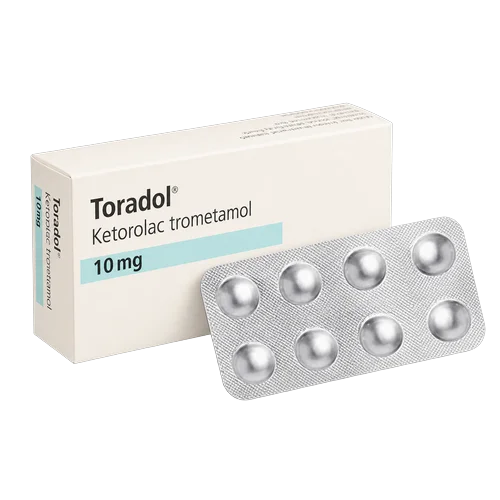
Toradol
Adults with short-term, moderately severe acute pain may be prescribed Toradol when a nonsteroidal anti-inflammatory drug (NSAID) is appropriate. Toradol tablets contain ketorolac tromethamine, a…
Adults with short-term, moderately severe acute pain may be prescribed Toradol when a nonsteroidal anti-inflammatory drug (NSAID) is appropriate. Toradol tablets contain ketorolac tromethamine, a potent non-selective cyclooxygenase inhibitor that reduces pain-producing prostaglandins.
Overview
The active ingredient is ketorolac tromethamine, also called ketorolac. The amount taken at each intake is selected individually for each person rather than being one fixed amount. Toradol belongs to the NSAID family and acts as a non-specific COX inhibitor. It is not an opioid and does not produce opioid-related euphoria.
Ketorolac reduces the activity of cyclooxygenase enzymes, known as COX-1 and COX-2. These enzymes help the body produce prostaglandins, chemical messengers involved in pain, inflammation, fever, stomach protection, and kidney blood flow. By lowering prostaglandin production, ketorolac decreases pain signalling and inflammatory sensitivity.
How it affects the body
Ketorolac reduces the activity of cyclooxygenase enzymes, known as COX-1 and COX-2. These enzymes help the body produce prostaglandins, chemical messengers involved in pain, inflammation, fever, stomach protection, and kidney blood flow. By lowering prostaglandin production, ketorolac decreases pain signalling and inflammatory sensitivity.
The same mechanism explains both the benefit and the risk. Lower prostaglandins can reduce acute pain, yet they can also weaken protective mechanisms in the stomach and kidneys.
Formulation
The active ingredient is ketorolac tromethamine, also called ketorolac. The amount taken at each intake is selected individually for each person rather than being one fixed amount.
Dosage and administration
Toradol tablets are taken by mouth for acute pain. The amount per intake is selected individually rather than being a single fixed dose for every adult. Use the prescribed amount and timing, and keep the course as short as directed.
- Swallow the tablet with water.
- Take it at the prescribed intervals.
- Do not take more often because the pain returns sooner than expected.
- Do not combine it with another NSAID, such as ibuprofen, naproxen, or diclofenac.
- Do not use it beyond five total days across ketorolac treatment forms.
- If a dose is missed, take it when remembered unless the next scheduled dose is close; never double the next dose.
Food can reduce irritation for some people, although it may delay absorption slightly. A tablet should not be crushed unless a prescriber has specifically instructed this. Alcohol increases the risk of stomach bleeding and should be avoided during treatment.
One practical mistake is taking an extra tablet after movement, coughing, or dental pain causes a temporary flare. Ketorolac does not become safer when repeated sooner. Another common error is continuing it because the pain improved; the short course still matters.
Reasons not to use it
- Active stomach or intestinal ulcer.
- Previous gastrointestinal bleeding or perforation linked to an NSAID.
- Moderate or severe kidney impairment.
- Significant dehydration or very low circulating blood volume.
- A history of asthma, hives, or allergic reaction after aspirin or another NSAID.
- Current bleeding or a condition that raises bleeding risk.
- Recent coronary artery bypass graft surgery.
- Severe heart failure or serious uncontrolled hypertension.
- Concurrent use of another ketorolac product or another NSAID.
- Pregnancy near delivery, unless specifically directed in a specialist setting.
Ketorolac can interact with warfarin and other anticoagulants, increasing bleeding risk. It can interact with lithium by reducing lithium clearance and raising lithium concentrations. Methotrexate toxicity may increase because NSAIDs can reduce renal elimination of methotrexate, especially at higher methotrexate doses or in impaired kidney function.
Other important interactions include corticosteroids, selective serotonin reuptake inhibitors, antiplatelet drugs, blood-pressure medicines, diuretics, probenecid, and ciclosporin.
The product information reviewed by Health Canada describes these interaction pathways and the need to limit treatment duration [2].
When this is not for you
Toradol is not suitable for everyone. Do not use it if you have had a stomach ulcer or bleeding, serious kidney problems, significant dehydration, or an allergic reaction to aspirin or another NSAID. It may also be unsuitable if you have a bleeding problem, severe heart failure, uncontrolled high blood pressure, or recent bypass surgery.
Tell the prescriber if you are older, have anaemia, liver disease, inflammatory bowel disease, high blood pressure, or a history of heart attack. Do not combine Toradol with another NSAID, alcohol, or medicines such as warfarin, lithium, methotrexate, corticosteroids, or antidepressants without medical advice.
Possible side effects
Ketorolac can cause stomach pain, indigestion, nausea, diarrhoea, headache, dizziness, or drowsiness. Some people notice these effects early in treatment. Mild symptoms may settle, but worsening symptoms require prompt medical attention.
The most clinically significant risks involve the digestive tract, kidneys, cardiovascular system, blood, and liver. Ketorolac can cause gastric or intestinal ulceration and bleeding without warning symptoms. Black stools, vomiting blood, faintness, severe stomach pain, unusual bruising, or marked weakness need urgent assessment. Kidney injury is more likely in people with dehydration, chronic kidney disease, heart failure, older age, or concurrent medicines that reduce kidney blood flow. Reduced urine, swelling, sudden weight gain, or unusual exhaustion may indicate a kidney problem.
The medicine may also cause fluid retention, increased blood pressure, anaemia from bleeding, allergic reactions, bronchospasm, or liver abnormalities. Facial swelling, wheezing, blistering skin, or difficulty breathing requires emergency care. The FDA safety information identifies gastrointestinal bleeding and renal toxicity as major risks of ketorolac treatment [1].
Toradol may cause dizziness or drowsiness in some patients, although it is not a sedative drug. Avoid driving, cycling in traffic, or operating machinery until you know how it affects concentration and coordination.
Headache is possible. Taking another NSAID for that headache can increase harm rather than improve relief.

Therapeutic indications
Toradol is used for short-term relief of moderate to severe acute pain. Common clinical situations include pain after surgery, acute dental pain, painful injuries, and other short-lived pain episodes where a stronger non-opioid analgesic is needed.
The medicine is intended for acute pain management. It is not designed for arthritis pain that continues for months, long-term back pain, or routine daily use. The total course across ketorolac formulations should not exceed five days because gastrointestinal bleeding, kidney injury, and other serious reactions become more concerning with longer exposure [1].
Toradol may reduce pain without the sedation, constipation, or respiratory suppression associated with opioid analgesics. It still requires careful selection because its bleeding and kidney risks can be significant, even during a short course.
The prescribed amount is individualized. A clinician considers age, kidney function, previous stomach problems, other medicines, the severity of pain, and the shortest reasonable treatment duration. Do not extend the course when pain remains severe; persistent pain may signal a complication that needs assessment.
Comparison
Toradol has a stronger analgesic role than many routine over-the-counter NSAID courses, but its safety margin is narrower. The comparison depends on pain severity, bleeding risk, kidney function, treatment duration, whether inflammation is present, and relevant guidance from the FDA, European Medicines Agency (EMA), the UK's Medicines and Healthcare products Regulatory Agency (MHRA), and NICE.
| Option | Main clinical distinction | Key limitation |
|---|---|---|
| Ketorolac | Potent NSAID for short-term moderate to severe acute pain | Maximum five-day total use; gastrointestinal and kidney risks |
| Ibuprofen or naproxen | NSAIDs used for mild to moderate pain and inflammation | Can also cause ulcers, bleeding, kidney injury, and blood-pressure effects |
| Tramadol | Centrally acting opioid analgesic for selected acute pain | Sedation, constipation, dependence, serotonin syndrome, and seizure risk |
Ibuprofen and naproxen may suit milder pain or inflammatory conditions when longer treatment is clinically appropriate. They are not automatically safer for every person, especially when ulcers, anticoagulants, kidney disease, or cardiovascular disease are present.
Tramadol works through opioid receptors and other central pathways. It may be selected when an NSAID is unsuitable, yet it brings a different group of risks, including impaired alertness and dependence. Toradol may be preferred when inflammation contributes to acute pain and opioid exposure is undesirable.
Ketorolac is not a suitable substitute for long-term pain management. Its high analgesic activity does not remove the need to identify the cause of pain.
Common mistakes
Several practical errors make ketorolac treatment less safe:
- Taking it alongside ibuprofen for extra relief.
- Using leftover tablets for a new episode weeks later.
- Continuing beyond five days because the medicine helped.
- Taking doses early when pain briefly increases.
- Drinking alcohol during the course.
- Ignoring black stools, faintness, reduced urine, or vomiting blood.
- Forgetting to mention warfarin, lithium, methotrexate, corticosteroids, or antidepressants.
- Using it during dehydration from vomiting, diarrhoea, fever, or heavy exercise.
- Driving before knowing whether dizziness or drowsiness occurs.
- Assuming a normal stomach history eliminates the possibility of ulcer bleeding.
One detail is easy to miss: topical anti-inflammatory products may still contribute to total NSAID exposure, depending on the product and amount used. Mention every pain-relief product being used, including creams and non-prescription tablets.
Another mistake is taking ketorolac to cover escalating pain after surgery. A sudden increase in pain, fever, wound discharge, chest pain, or shortness of breath may require urgent evaluation instead of stronger analgesia.
What doctors say
In clinical practice, doctors usually view Toradol as a rescue analgesic for a defined acute problem, not as a medicine to keep available for repeated self-treatment. The prescriber normally balances pain intensity against gastrointestinal, renal, cardiovascular, and bleeding risks before selecting it.
A physician would expect improvement in acute pain without expecting the drug to correct the underlying injury, infection, dental problem, or surgical complication. Pain that remains severe despite the prescribed course needs reassessment rather than repeated dosing.
Short treatment does not mean risk-free treatment. Kidney function, hydration, age, ulcer history, anticoagulant use, and previous NSAID reactions can change the decision substantially.
Patients sometimes judge the medicine by whether it removes every sensation of pain. That is not the clinical target. A reasonable goal is meaningful pain reduction that allows rest, movement, or recovery while the underlying condition is treated.
Common questions
Can Toradol affect driving, concentration, or work with machinery?
Dizziness, drowsiness, headache, and visual disturbance are recognised ketorolac reactions, so driving and machinery work require caution. Health Canada’s ketorolac product information from 2020 advises patients to understand their individual response before performing tasks that require alertness. The medicine is not an opioid, but reduced concentration can still occur.
Do not drive if you feel dizzy, sleepy, faint, confused, or visually impaired. This is also relevant for ladders, power tools, industrial equipment, and safety-sensitive work.
What happens when Toradol is stopped, and does it need tapering?
Ketorolac is used for a short course and does not usually require tapering when the prescribed course ends. The FDA prescribing information from 2013 describes discontinuation after the limited treatment period rather than gradual dose reduction. Stopping may allow the original pain to return if its cause has not resolved.
Do not restart tablets independently because the pain returns. Recurrent or worsening pain may indicate infection, bleeding, injury, or another condition needing assessment.
How does Toradol differ from ibuprofen or naproxen?
Toradol and ibuprofen or naproxen are all NSAIDs that reduce prostaglandin production. A 2020 Health Canada product monograph describes ketorolac as a potent short-term analgesic with a stricter duration limit than many routine NSAID regimens. The choice depends on the type of pain and individual risks, not simply on which tablet feels stronger.
Ketorolac has a prominent analgesic role in acute moderate to severe pain. Ibuprofen or naproxen may be selected for milder pain or inflammation when a longer treatment plan is clinically appropriate, although both still carry bleeding and kidney risks.
How soon can Toradol’s effect become noticeable?
Oral ketorolac may begin reducing acute pain within a relatively short period after ingestion, although the timing differs between individuals. The European Medicines Agency’s ketorolac information from 2018 describes rapid analgesic activity after oral administration. Pain severity, food in the stomach, absorption, and the cause of pain can affect the experience.
Do not repeat the dose early because relief feels incomplete. The prescribed interval exists to limit accumulation and adverse effects.
Can Toradol be taken with food or on an empty stomach?
Toradol can be taken with food or milk when stomach irritation is a concern. The FDA label from 2013 explains that food may delay absorption without removing the medicine’s analgesic action. A meal does not prevent ulceration or gastrointestinal bleeding.
Avoid alcohol and do not use food as protection against excessive dosing. Taking the tablet with food cannot make it safe to combine with ibuprofen, naproxen, aspirin, or another NSAID.
Can Toradol be used during pregnancy or breastfeeding?
Ketorolac requires special caution during pregnancy and should not be used near delivery unless a specialist specifically directs it. The World Health Organization’s 2020 medication-safety materials describe NSAID concerns involving fetal circulation, amniotic fluid, and labour. Pregnancy stage and maternal health affect the risk assessment.
Ketorolac can pass into breast milk, so breastfeeding decisions require an individual review of the treatment need, duration, and infant factors. Do not self-start Toradol during pregnancy or breastfeeding, and do not use leftover tablets for postpartum pain.
Do you offer anonymous delivery?
Your order will be securely packed and shipped within 24 hours. This is exactly what your package will look like (images of an actual item sent). It has the size and look of a regular private letter (24x11x0.7 cm) and its contents cannot be seen.
Comparison
Sources
- U.S. Food and Drug Administration (2013). Toradol (ketorolac tromethamine) Tablets: Prescribing Information.
- Health Canada (2020). Ketorolac Tromethamine Tablets Product Monograph.
How Buyers Rate Toradol
Based on 5 reviews
Toradol gave me clear relief after an injury and made walking around the house much easier. I liked that it helped without making me feel heavily sedated.
Quebec City Three days Nov 6, 2026It reduced my postoperative pain, though the relief was not complete during the first day. I also noticed mild indigestion, so I was careful about taking any additional pain medicine.
Vancouver Two days Oct 11, 2026The tablets worked well for a brief episode of severe back pain. I could move more comfortably and did not notice any change in alertness.
Regina One day Oct 20, 2026The medicine helped with the pain, but I developed stomach discomfort after several doses. I stopped using it and discussed the reaction with my doctor rather than continuing on my own.
Toronto Three days Oct 29, 2026