Skip to content
contact@fairviewphysiotheraapy.com
Fast & Discrete Delivery Save up to 80%
In stock Prednisone
Anti-inflammatory

Prednisone

Prednisone reduces inflammation and calms excessive immune activity by acting like the body’s natural corticosteroid hormones. It is prescribed for conditions such as asthma, arthritis, lupus, severe…

Guaranteed quality Original product
Delivery: from 4 days Discreet shipping
24/7 Support Always available
Active ingredient: Prednisone
Select dosage:
Select pack Package Per unit Price
$ 1.18 $ 70.56
$ 0.96 $ 105.84 $ 86.73 Save 18%
$ 0.86 $ 141.12 $ 102.90 Save 27%
$ 0.76 $ 211.68 $ 136.71 Save 35%
$ 0.70 $ 317.52 $ 189.63 Save 40%
Best value $ 0.67 $ 423.36 $ 242.55 Save 43%
$ 1.37 $ 82.32
$ 1.26 $ 123.48 $ 113.19 Save 8%
$ 1.20 $ 164.64 $ 144.06 Save 13%
$ 1.13 $ 246.96 $ 202.86 Save 18%
Free Regular Delivery $ 1.10 $ 370.44 $ 296.94 Save 20%
Best value Free Regular Delivery $ 1.06 $ 493.92 $ 382.20 Save 23%
$ 1.54 $ 92.61
$ 1.40 $ 138.92 $ 126.42 Save 9%
$ 1.34 $ 185.22 $ 160.23 Save 13%
$ 1.27 $ 277.83 $ 229.32 Save 17%
Free Regular Delivery $ 1.24 $ 416.75 $ 335.16 Save 20%
Best value Free Regular Delivery $ 1.21 $ 555.66 $ 435.12 Save 22%
$ 0.48 $ 86.73
$ 0.45 $ 130.10 $ 120.54 Save 7%
Best value $ 0.43 $ 173.46 $ 154.35 Save 11%

Free delivery on orders from $ 294.00, free express delivery from $ 441.00

Secure payment methods:
VISA AMEX JCB DISCOVER

Prednisone reduces inflammation and calms excessive immune activity by acting like the body’s natural corticosteroid hormones. It is prescribed for conditions such as asthma, arthritis, lupus, severe allergies, and inflammatory skin problems.

Overview

Prednisone is a synthetic corticosteroid and an oral prodrug. The liver converts it into prednisolone, the active form that influences immune and inflammatory pathways.

How it affects the body

After conversion to prednisolone, the active corticosteroid enters cells and binds to glucocorticoid receptors. This changes the production of proteins involved in inflammation. The result is reduced release of inflammatory mediators and less movement of immune cells into affected tissues.

The same mechanism explains both the benefit and the risk. Reduced inflammation can restore breathing or limit joint swelling, while reduced immune activity can make infections harder to recognize. Health Canada and the European Medicines Agency describe systemic corticosteroids as medicines requiring dose selection according to disease severity, treatment response, and duration [1].

Take Prednisone at the same time each day when possible. Morning dosing often fits the body’s natural cortisol rhythm and may interfere less with sleep.

In clinical practice, the strongest response often appears before the underlying illness has fully settled. Feeling better does not automatically mean that the disease process has ended.

Formulation

Prednisone is a synthetic corticosteroid and an oral prodrug. The liver converts it into prednisolone, the active form that influences immune and inflammatory pathways. It reduces inflammatory signalling and excessive immune-cell activity, helping ease swelling, pain, redness, wheezing, and tissue irritation.

Dosage and administration

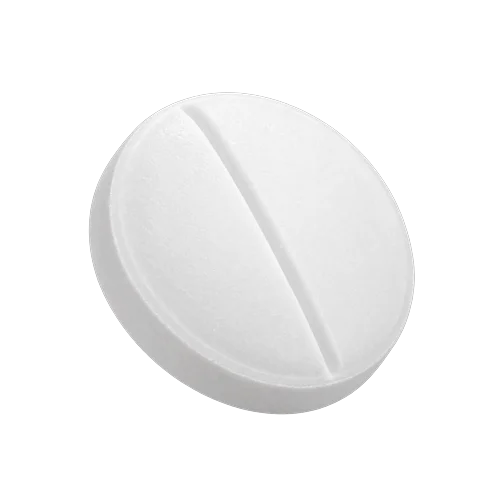
Prednisone is supplied as oral pills, including scored tablets that may be designed to split when the prescribed regimen requires it. The regimen for the chosen strength must be confirmed with a healthcare professional before starting.

The prescribed plan determines:

  • The amount taken at each dose
  • How often the tablet is taken
  • Whether treatment lasts for a brief course or an extended period
  • Whether the dose decreases gradually before stopping
  • Whether the medicine is taken once daily or divided into doses

Do not change the dose because symptoms improve, and do not take extra tablets to compensate for a missed dose without specific instructions. If a missed dose is remembered close to the next scheduled dose, taking both doses together can increase adverse effects; the safest action depends on the regimen and the timing of the missed dose.

Swallowing instructions depend on the tablet’s design. A scored tablet may be suitable for splitting, while crushing or chewing can be unsuitable if the formulation is intended to be swallowed whole.

A pill splitter gives a more even division than a kitchen knife. Only split the tablet when the prescribed regimen calls for it and the tablet is designed to be divided.

Food can reduce stomach irritation for some people. Alcohol can add to stomach irritation and may complicate blood-glucose or mood-related effects, especially during longer treatment.

Reasons not to use it

  • A serious untreated systemic infection
  • A known allergy to prednisone or a tablet ingredient
  • A history of severe corticosteroid-related psychosis
  • Uncontrolled diabetes or very high blood glucose
  • Active or recent gastrointestinal ulcer disease
  • Severe osteoporosis
  • Uncontrolled glaucoma
  • Significant liver impairment
  • A history of tuberculosis or another latent infection
  • Recent exposure to certain live vaccines

When this is not for you

Prednisone is not suitable for everyone. NOT for you if you have an untreated serious infection, a relevant allergy, or another major contraindication. It is not the right choice without careful medical assessment if you have:

Some conditions do not absolutely prohibit Prednisone but require closer monitoring. These include hypertension, heart failure, kidney disease, epilepsy, mood disorders, cataracts, myasthenia gravis, and a history of blood clots.

Pregnancy and breastfeeding require an individual risk assessment. The decision depends on the disease being treated, the dose, the duration, and available alternatives. Untreated severe inflammation can also harm the pregnant patient, so stopping treatment without a plan can be dangerous.

Prednisone may mask infection. Seek urgent assessment for severe breathing difficulty, swelling of the face or throat, black stools, vomiting blood, severe abdominal pain, fainting, sudden vision changes, or profound weakness.

Possible side effects

Prednisone can be highly useful when inflammation threatens breathing, mobility, organ function, or daily activity. Its limitation is that systemic exposure affects more than the inflamed area.

Common or clinically relevant effects include:

  • Increased appetite and weight gain
  • Fluid retention and swelling
  • Indigestion or stomach discomfort
  • Difficulty sleeping
  • Restlessness or mood changes
  • Increased blood glucose
  • Increased blood pressure
  • Acne or skin thinning during prolonged use

Weight gain can result from increased appetite, fluid retention, or both. It is not always a sign of increased body fat, although prolonged appetite changes can contribute to fat gain.

Short courses may cause temporary sleep or mood changes. Longer exposure raises concern about osteoporosis, cataracts, glaucoma, muscle weakness, infection risk, adrenal suppression, and changes in glucose metabolism. The risk rises with greater exposure and longer treatment duration, although individual susceptibility varies.

Track new ankle swelling, unusual thirst, frequent urination, sleep disruption, and marked mood changes. These details help clinicians judge whether the regimen needs adjustment.

Prednisone can also make infection symptoms less obvious. A person may have less fever or redness while an infection continues to progress. Urgent medical assessment is needed for signs such as severe breathlessness, confusion, persistent fever, new neurological symptoms, or rapidly worsening pain.

A practical detail is easy to miss: prednisone-related insomnia can appear after the first doses, even when the anti-inflammatory benefit is welcome. Taking the dose later in the day may worsen this problem, but changing the timing should fit the prescribed plan. If insomnia persists, contact the prescriber rather than changing the schedule alone. Sleep loss can worsen mood and daytime functioning.

Therapeutic indications

Prednisone is a synthetic corticosteroid and an oral prodrug. The liver converts it into prednisolone, the active form that influences immune and inflammatory pathways. By reducing inflammatory signalling and immune-cell activity, Prednisone can ease swelling, pain, redness, wheezing, and tissue irritation.

Doctors prescribe Prednisone for inflammatory or immune-mediated conditions such as:

  • Asthma exacerbations and other airway inflammation
  • Rheumatoid arthritis and other inflammatory arthritis
  • Lupus and related autoimmune disorders
  • Severe allergic reactions
  • Inflammatory skin problems
  • Certain blood, kidney, gastrointestinal, and respiratory disorders

Prednisone manages inflammation and immune activity. It does not remove the underlying cause of every condition, so the treatment duration depends on the diagnosis, response, and risk of relapse.

Comparison

Prednisone belongs to the same broad corticosteroid family as prednisolone, methylprednisolone, and hydrocortisone. They differ in activation, relative anti-inflammatory activity, duration, mineralocorticoid effects, and clinical use.

Corticosteroid Key pharmacological feature Typical clinical role
Prednisone Prodrug converted by the liver to prednisolone Oral treatment for systemic inflammation and immune-mediated disease
Prednisolone Active corticosteroid without the same activation step Oral treatment when direct active-drug exposure is preferred
Methylprednisolone Potent corticosteroid with lower mineralocorticoid activity than prednisone Inflammatory and immune conditions where fluid retention is a concern
Hydrocortisone Closely resembles natural cortisol Cortisol replacement and selected inflammatory or emergency uses

Prednisone requires hepatic conversion. This distinction matters in serious liver impairment, where clinicians may consider an active corticosteroid instead. The choice also depends on the illness, route, treatment intensity, previous steroid exposure, and risk of fluid retention.

No corticosteroid is automatically safer in every situation. A drug with less mineralocorticoid activity may reduce fluid-related problems but still affect glucose, mood, bone health, and immune function.

Common mistakes

Several habits make Prednisone treatment less predictable:

  • Stopping as soon as pain or wheezing improves
  • Taking a missed dose together with the next dose
  • Taking the medicine late in the evening and then experiencing severe insomnia
  • Using ibuprofen or another anti-inflammatory painkiller without considering stomach risk
  • Assuming the medicine prevents infection because fever is absent
  • Forgetting to mention Prednisone before vaccination or surgery
  • Continuing intense exercise despite steroid-related muscle weakness
  • Ignoring new mood changes, confusion, or unusual agitation
  • Taking leftover tablets for a new flare without a current treatment plan

One overlooked detail is dental and surgical care. Corticosteroid exposure can affect infection risk, wound healing, glucose control, and the body’s stress response. A surgeon or dentist may need to know about current or recent treatment.

Another is urine and blood testing. Prednisone can influence glucose readings, white-cell counts, blood pressure, and other clinical measurements, so the treatment history helps clinicians interpret results accurately.

What doctors say

Physicians generally view Prednisone as a powerful short-term anti-inflammatory option rather than a medicine to continue casually. It can make a major difference during an asthma flare, autoimmune relapse, severe allergy, or inflammatory crisis, yet its systemic effects require a clear treatment endpoint.

A common clinical mistake is judging treatment only by symptom relief. Pain and swelling may improve before the underlying disease is controlled. The regimen therefore depends on the diagnosis, examination findings, laboratory results, and relapse risk.

Doctors also assess cumulative exposure. Several repeated short courses may create a meaningful steroid burden even when each course seems brief. Blood pressure, blood glucose, weight, mood, eye symptoms, infection history, and bone risk may all become relevant during repeated or prolonged use.

The EMA product information and NICE guidance describe adrenal suppression, infection risk, metabolic effects, and psychiatric reactions as clinically relevant concerns that depend on exposure and patient factors [2].

Common questions

Can the Prednisone tablet be split, crushed, or chewed?

A scored Prednisone tablet may be split when the prescribed regimen requires a divided dose. Crushing or chewing is not appropriate for every tablet because the formulation and tablet design determine how it should be swallowed. Health Canada medication information from 2023 advises using the dosage form as intended and avoiding unsupervised changes to administration [3]. When the tablet is difficult to swallow, the prescriber can select a suitable formulation or provide a different administration plan.

Which symptoms mean that Prednisone should be stopped and medical help sought urgently?

Severe breathing difficulty, swelling of the face or throat, fainting, vomiting blood, black stools, severe abdominal pain, sudden vision changes, or profound weakness require urgent medical assessment. New confusion, hallucinations, extreme agitation, or suicidal thoughts also need prompt attention. Prednisone should not be stopped abruptly simply because a worrying symptom appears, since sudden withdrawal may cause additional harm. The FDA prescribing information from 2024 identifies serious allergic, gastrointestinal, psychiatric, infectious, and adrenal reactions as reasons for urgent clinical evaluation [4].

What happens when Prednisone is stopped, and is tapering necessary?

Stopping can allow the original inflammatory illness to return, and prolonged treatment can leave the adrenal glands temporarily unable to produce enough cortisol. Possible withdrawal symptoms include marked fatigue, dizziness, nausea, weakness, and muscle or joint pain. A taper is more likely to be needed after prolonged or substantial exposure, although the decision depends on the complete regimen. A taper must be individualized rather than copied from another person’s prescription; the FDA label from 2024 describes tapering according to treatment and patient factors.

Does Prednisone cause weight gain?

Prednisone can increase appetite and cause fluid retention, both of which may contribute to weight gain. The effect is more likely with longer exposure or higher cumulative treatment, but some people notice appetite or swelling changes early. New facial puffiness, rapidly increasing weight, or ankle swelling should be reported because fluid retention can also reflect a medical problem. Monitoring weight, blood pressure, glucose, and dietary sodium can help identify clinically significant changes, as described in Health Canada guidance from 2023.

How long does a Prednisone course last, and is long-term use acceptable?

The course may be brief for an acute flare or prolonged when the underlying illness requires sustained immune control. Long-term treatment can be appropriate for selected conditions, but it requires the lowest useful exposure and monitoring for bone, eye, metabolic, infection, mood, and adrenal effects. The WHO’s corticosteroid safety principles from 2020 support individualized risk assessment rather than a single universal treatment duration. Long-term use should never be extended or renewed independently after symptoms improve.

Do you offer anonymous delivery?

Your order will be securely packed and shipped within 24 hours. This is exactly what your package will look like (images of an actual item sent). It has the size and look of a regular private letter (24x11x0.7 cm) and its contents cannot be seen.

Sources

  1. European Medicines Agency (2024). Summary of Product Characteristics (SmPC) — systemic corticosteroid medicines.
  2. European Medicines Agency (2023). Summary of Product Characteristics (SmPC) — prednisone.
  3. Health Canada (2023). Prednisone: Canadian product monograph and consumer medication information.
  4. U.S. Food and Drug Administration (2024). Prednisone tablets: prescribing information.

How Buyers Rate Prednisone

Based on 4 reviews

Michelle, 44 Verified
Rating: 3.5 out of 5

I used Prednisone during a significant inflammatory flare. My breathing and chest tightness settled within the first several days, and I was able to return to normal activities. The tablets made me feel restless at night, so the timing mattered more than I expected. I followed the prescribed dosage for the prescribed duration.

Barrie Within the first several days Oct 11, 2026
Claire, 41 Verified
Rating: 5 out of 5

I took Prednisone for an inflammatory joint problem and noticed a clear reduction in stiffness during the first week. I could walk more comfortably and sleep through the night again. The improvement was practical rather than dramatic, which made the treatment feel worthwhile. I followed the prescribed dosage for the prescribed duration.

Fredericton The first week Oct 19, 2026
Natalie, 30 Verified
Rating: 5 out of 5

Prednisone helped calm a severe skin flare that had been interfering with work and sleep. The redness and itching became much easier to manage after treatment began. I was satisfied with the result and found the tablets straightforward to take. I followed the prescribed dosage for the prescribed duration.

Halifax After treatment began Oct 24, 2026
Rebecca F., 27 Verified
Rating: 5 out of 5

I used Prednisone for an acute inflammatory problem and saw a noticeable improvement within the treatment period. Everyday tasks became easier, especially in the morning. The course was simple to follow, and I was pleased that the symptoms settled. I followed the prescribed dosage for the prescribed duration.

Kelowna Within the treatment period Nov 6, 2026
Get our free app Shop faster and track your orders 4.0 · 393 reviews Install
