Skip to content
contact@fairviewphysiotheraapy.com
Fast & Discrete Delivery Save up to 80%
In stock Trusopt
Glaucoma

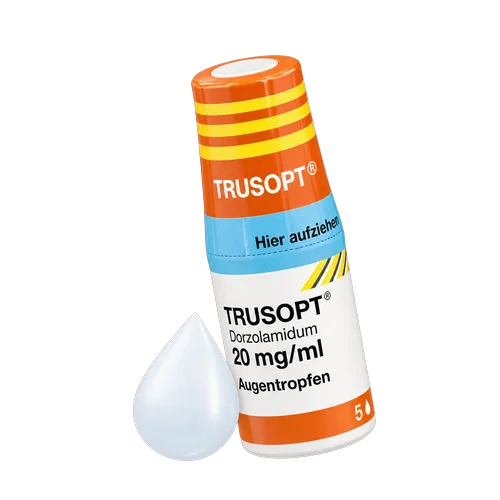
Trusopt

Trusopt is a dorzolamide eye-drop solution used to lower elevated intraocular pressure. It is prescribed for adults with open-angle glaucoma or ocular hypertension. By reducing fluid production…

Guaranteed quality Original product
Delivery: from 4 days Discreet shipping
24/7 Support Always available
Active ingredient: Dorzolamide
Select pack Package Per unit Price
$ 138.18 $ 138.18
$ 83.79 $ 276.36 $ 167.58 Save 39%
Best value $ 65.17 $ 414.54 $ 195.51 Save 53%

Free delivery on orders from $ 294.00, free express delivery from $ 441.00

Secure payment methods:
VISA AMEX JCB DISCOVER

Trusopt is a dorzolamide eye-drop solution used to lower elevated intraocular pressure. It is prescribed for adults with open-angle glaucoma or ocular hypertension. By reducing fluid production inside the eye, Trusopt helps limit pressure-related stress on the optic nerve.

Overview

Trusopt Eye Drops contain dorzolamide hydrochloride, an ophthalmic carbonic anhydrase inhibitor. The product is used for open-angle glaucoma and ocular hypertension, conditions in which pressure inside the eye rises above the desired range.

How it affects the body

Dorzolamide blocks carbonic anhydrase II in the ciliary processes of the eye. This enzyme supports the formation of bicarbonate ions involved in aqueous-humour production. When the enzyme is inhibited, less aqueous humour is produced, so intraocular pressure decreases.

The drop acts locally in the eye, but a small amount can enter the bloodstream through the tear drainage system. That explains why eye drops can still cause systemic effects in some patients.

Dorzolamide does not restore optic-nerve fibres that have already been lost. Its role is pressure control, which can help reduce the risk of further damage when the prescribed target pressure is maintained.

Formulation

Trusopt contains dorzolamide hydrochloride, equivalent to dorzolamide for ophthalmic use. The solution is supplied in a bottle for topical administration to the eye. The pack strength is 20 mg/mL, corresponding to a 2% ophthalmic solution.

Dorzolamide belongs to the carbonic anhydrase inhibitor class. It differs from beta-blocker eye drops, such as timolol, because it reduces aqueous-humour formation through enzyme inhibition rather than beta-adrenergic blockade.

The bottle should be handled without allowing the dropper tip to touch the eye, eyelashes, eyelid, or fingers. Contact can introduce microorganisms into the solution and may irritate the eye.

If contact lenses are worn, remove them before applying Trusopt and wait at least 15 minutes before reinserting them unless the prescribing clinician has given different instructions.

Dosage and administration

The usual adult regimen is one drop in the affected eye three times daily when Trusopt is used alone. When it is used with an ophthalmic beta-blocker, the usual regimen may be one drop twice daily. The correct schedule depends on the treatment plan, the pressure response, and whether one or both eyes require treatment.

Use Trusopt as follows:

  • Wash and dry the hands.
  • Tilt the head back and gently pull down the lower eyelid.
  • Place one drop into the affected eye without touching the dropper tip to any surface.
  • Close the eye gently rather than blinking forcefully.
  • Apply pressure at the inner corner of the eye for approximately one minute.
  • Leave at least 10 minutes between Trusopt and another eye drop unless the prescriber has specified a different interval.

Dosing differs between strengths and between users, so there is no single amount that suits everyone. Ophthalmologists adjust treatment according to intraocular pressure, optic-nerve findings, visual-field results, kidney function, and other medicines.

If a dose is missed, use it when remembered unless the next scheduled dose is near. In that situation, skip the missed dose and return to the regular schedule. Do not place extra drops in the eye to compensate.

Do not stop treatment simply because the eye feels normal. Glaucoma treatment often controls a silent condition, and stopping can allow pressure to rise without immediate symptoms.

Two drops do not improve pressure control in proportion to the extra volume. The eye can hold only a small amount, so excess liquid usually runs onto the cheek or into the tear duct.

Reasons not to use it

Trusopt is not suitable for everyone. This medication is not for you if you have had a serious allergic reaction to dorzolamide, another carbonic anhydrase inhibitor, or an ingredient in the formulation.

Specific situations requiring medical review include:

  • Severe kidney impairment
  • Previous severe reaction to a sulfonamide medicine
  • Significant corneal disease
  • A history of serious eye-surface complications
  • Pregnancy or breastfeeding
  • Use of several carbonic anhydrase inhibitors at the same time
  • Treatment with medicines that may affect acid-base balance

Dorzolamide should not be combined casually with an oral carbonic anhydrase inhibitor such as acetazolamide because the same pharmacological pathway may be affected systemically. The prescriber should also know about other eye drops, especially beta-blockers, alpha-2 agonists, prostaglandin analogues, and steroid preparations.

People with asthma, chronic obstructive pulmonary disease, a slow pulse, heart block, or heart failure need specific review before using timolol-containing combinations. Dorzolamide itself is not a beta-blocker, but the distinction matters if treatment is changed to a combination product.

The EMA product information describes dorzolamide-related precautions involving hypersensitivity, renal function, corneal conditions, and systemic carbonic anhydrase effects [3].

When this is not for you

This medication is not for you if you have had a serious allergic reaction to dorzolamide, another carbonic anhydrase inhibitor, or an ingredient in the formulation.

Talk to a doctor before using it if you have severe kidney problems, significant corneal disease, a history of serious eye-surface complications, or a previous severe reaction to a sulfonamide medicine. You also need medical review if you are pregnant or breastfeeding, use several carbonic anhydrase inhibitors, or take medicines that may affect acid-base balance.

People with asthma, chronic obstructive pulmonary disease, a slow pulse, heart block, or heart failure need specific review before using timolol-containing combinations.

Possible side effects

The most common reactions are local. They may occur shortly after administration and often include:

  • Burning or stinging
  • Bitter taste
  • Blurred vision for a short time
  • Watery eyes
  • Redness
  • Itching or eyelid discomfort
  • Dryness or a foreign-body sensation

A bitter taste can occur because some of the drop travels through the tear duct into the throat. Nasolacrimal occlusion, meaning gentle pressure at the inner eye corner, can reduce this pathway.

Dorzolamide is a sulfonamide derivative. A previous mild reaction to a sulfonamide antibiotic does not automatically predict a reaction to dorzolamide, but a history of severe sulfonamide hypersensitivity requires careful clinical assessment.

Rare but serious reactions include marked eyelid swelling, facial swelling, breathing difficulty, widespread rash, severe eye pain, or sudden deterioration in vision. These symptoms require urgent medical attention.

Corneal swelling or decompensation is a concern in people with significant corneal disease or a history of corneal surgery. Dorzolamide can also contribute to ocular-surface irritation during prolonged treatment.

A brief bitter taste after an eye drop is common and does not necessarily mean the medicine failed. Severe swelling, breathing trouble, or intense eye pain is a different situation and requires prompt assessment.

Therapeutic indications

Trusopt Eye Drops contain dorzolamide hydrochloride, an ophthalmic carbonic anhydrase inhibitor. The product is used for open-angle glaucoma and ocular hypertension, conditions in which pressure inside the eye rises above the desired range.

In open-angle glaucoma, the drainage angle remains open, but aqueous humour does not leave the eye efficiently enough. Ocular hypertension means that intraocular pressure is elevated without established optic-nerve damage. Some people with ocular hypertension later develop glaucoma, while others do not. Regular eye examinations help determine the treatment target. Follow-up testing helps the clinician judge whether that target remains appropriate.

Intraocular pressure is created by the balance between fluid production and fluid drainage. Persistent elevation can place mechanical and vascular stress on the optic nerve, gradually affecting peripheral vision. The process is often painless, which is why pressure checks and visual-field testing remain important parts of glaucoma care. Health Canada recognizes dorzolamide ophthalmic preparations for pressure reduction in appropriate patients [1].

Comparison

Trusopt is a single-agent dorzolamide treatment. Other ophthalmic medicines use different mechanisms, and ophthalmologists may combine them when one drug does not achieve the desired pressure.

Treatment approach Main pressure-lowering mechanism Practical distinction
Dorzolamide eye drops Reduces aqueous-humour production through carbonic anhydrase inhibition Useful when a topical carbonic anhydrase inhibitor is selected
Timolol eye drops Reduces aqueous-humour production through beta-blockade Requires caution in asthma, slow heart rate, and some cardiac conditions
Dorzolamide plus timolol Combines carbonic anhydrase inhibition with beta-blockade May reduce the number of separate bottles when both mechanisms are appropriate

Trusopt may be selected when a beta-blocker is unsuitable or when an ophthalmologist wants to add a different mechanism. Other choices include prostaglandin analogues, alpha-2 agonists, and other carbonic anhydrase inhibitors. The selection depends on pressure target, eye-surface tolerance, systemic disease, dosing routine, and response to previous treatment.

Common mistakes

Several everyday errors can reduce the amount of dorzolamide reaching the eye:

  • Applying two or three drops at once instead of one
  • Touching the dropper tip to the eye or eyelashes
  • Instilling different drops immediately one after another
  • Forgetting the midday dose repeatedly
  • Stopping after pressure improves
  • Using the bottle after another person has handled the tip
  • Continuing contact lenses immediately after application
  • Judging success by comfort instead of pressure measurements

One mistake is especially easy to miss: placing the next drop too soon after another ophthalmic medicine. The first solution can wash away, reducing exposure to both treatments.

Another is forcefully blinking after administration. Gentle closure is preferable. Pressing the inner eye corner gives the medicine more time to remain on the ocular surface and can reduce throat taste.

What doctors say

In clinical practice, ophthalmologists usually judge Trusopt by pressure control and optic-nerve stability rather than by how the eyes feel. A patient can have useful treatment benefit without noticing any sensation at all.

Doctors also look for correct technique. A drop placed on the eyelid or cheek may deliver little medicine to the eye. Repeated squeezing of the eyelids immediately after application can push the solution out through the tear ducts.

A practical prescribing decision may involve several trade-offs. Trusopt can provide a non-beta-blocker mechanism, yet it may sting or leave a bitter taste. It can be useful as an additional pressure-lowering agent, yet three-times-daily dosing can be difficult for people with irregular work schedules.

The WHO frames glaucoma as a chronic eye-health concern requiring detection and sustained management rather than treatment based only on symptoms [4]. That principle explains why regular follow-up remains necessary even when vision appears unchanged.

Common questions

How long does one Trusopt dose keep working?

Dorzolamide lowers aqueous-humour production for several hours, which is why Trusopt is commonly prescribed more than once daily. The duration varies with the person, the treated eye, baseline pressure, and whether another pressure-lowering drop is used. The 2023 EMA product information supports divided daily dosing for sustained pressure control. A single comfortable day does not show how long the pressure remains controlled.

What happens if the expected pressure reduction does not occur?

The ophthalmologist may check application technique, adherence, the measurement method, and the condition of the drainage angle before changing treatment. Treatment can be adjusted by adding another mechanism, changing drops, using a fixed combination, or considering laser trabeculoplasty. Do not increase the number of drops independently. Health Canada pharmacovigilance information from 2024 emphasizes reporting suspected adverse reactions and obtaining clinical review when treatment problems arise.

What happens when Trusopt is stopped, and is tapering needed?

Stopping Trusopt can allow aqueous-humour production and intraocular pressure to rise again. It usually does not require tapering in the same way as a systemic corticosteroid, but the timing of discontinuation should be planned with the eye-care prescriber. Abruptly stopping treatment without replacement can leave glaucoma insufficiently controlled. WHO glaucoma guidance from 2022 supports continued monitoring because pressure-related damage may progress without obvious symptoms.

Which symptoms mean stopping Trusopt and seeking urgent care?

Urgent assessment is needed for sudden vision loss, severe eye pain, pronounced light sensitivity, major eyelid or facial swelling, breathing difficulty, or a widespread rash. These symptoms may indicate a serious ocular or systemic reaction rather than ordinary brief stinging. A mild bitter taste alone is usually a local administration effect. The 2021 FDA prescribing information for dorzolamide describes hypersensitivity and ocular reactions that require prompt attention [5].

Is Trusopt suitable for older adults?

Older adults may use dorzolamide when an ophthalmologist considers it appropriate, but kidney function, corneal health, concurrent eye drops, and cardiovascular treatment deserve review. Age alone does not determine whether Trusopt should be used. Hand tremor, arthritis, or reduced vision can make bottle technique difficult, so an alternative technique or assistance may be needed. EMA information from 2023 supports individualized assessment for older patients receiving dorzolamide.

Do diet, exercise, or daily habits affect the result?

Normal diet and moderate physical activity do not replace pressure-lowering treatment. Keeping appointments, using drops at the prescribed times, and avoiding missed doses have a greater direct effect on treatment success. Hydration habits should remain reasonable; drinking a very large volume quickly can transiently affect intraocular pressure in some people. The Canadian ophthalmic care approach described by Health Canada materials from 2024 places medication use within ongoing monitoring rather than treating lifestyle changes as a substitute for drops.

Do you offer anonymous delivery?

Your order will be securely packed and shipped within 24 hours. This is exactly what your package will look like (images of an actual item sent). It has the size and look of a regular private letter (24x11x0.7 cm) and its contents cannot be seen.

Comparison

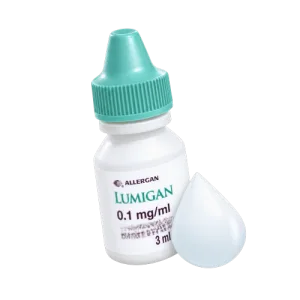
Lumigan

Active ingredient: Bimatoprost
0.03mg
From $ 196.98
bottles
4.2 (5)

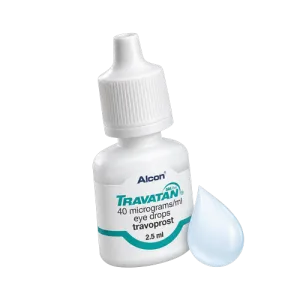
Travatan

Active ingredient: Travoprost
2.5ml
From $ 163.17
bottles
3.9 (5)

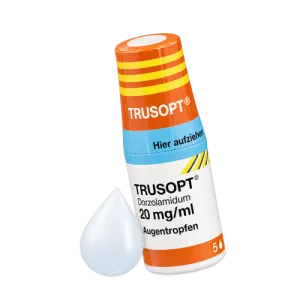
Trusopt Current

Active ingredient: Dorzolamide
2%
From $ 138.18
bottles
4 (3)

Comparison table: Glaucoma

Combination Therapy and Glaucoma Procedures

A single eye drop may not lower pressure enough to reach the target set for a particular optic nerve. In that situation, an ophthalmologist may add a second medicine, change the treatment class, or use a fixed combination when appropriate.

Laser trabeculoplasty is a procedural option for some forms of open-angle glaucoma. It acts on the drainage tissue of the eye rather than reducing fluid production through a drop. Some patients use drops before or after a laser procedure, while others may reduce their drops if the pressure response is sufficient.

Glaucoma care can also include regular optic-nerve imaging, visual-field testing, gonioscopy, and pressure measurement. Glaucoma UK describes treatment as an ongoing plan rather than a single pressure reading. A reading that improves once does not by itself show that the long-term target has been reached.

Standard and Preservative-Free Ophthalmic Formulations

Dorzolamide may be supplied in preserved or preservative-free ophthalmic presentations, depending on the product and market. Both formulations can contain the same active drug, while the inactive ingredients and container system differ.

Preservatives may aggravate ocular-surface symptoms in people who use several drops daily, have dry-eye disease, or require long-term treatment. Symptoms can include burning, foreign-body sensation, fluctuating vision, and redness. A preservative-free presentation may be considered when ocular-surface tolerance is a major concern.

A preservative-free product should not be assumed to have the same handling requirements as a preserved multi-dose bottle. The dosing device and storage instructions can differ. The Royal College of Ophthalmologists has discussed preservative-free dorzolamide drops for patients who may not tolerate preservatives [2].

Do not transfer Trusopt into another container. Keep the bottle closed between doses, and do not share eye drops with another person.

Sources

  1. Health Canada (2024). Drug Product Database: Trusopt and dorzolamide ophthalmic preparations.
  2. The Royal College of Ophthalmologists (2013). Preservative free (PF) Trusopt® (dorzolamide hydrochloride) eye drops.
  3. European Medicines Agency (2023). Summary of Product Characteristics (SmPC) — dorzolamide ophthalmic solution.
  4. World Health Organization (2019). World report on vision.
  5. U.S. Food and Drug Administration (2021). Prescribing Information — Trusopt (dorzolamide hydrochloride ophthalmic solution).

How Buyers Rate Trusopt

Based on 3 reviews

Liam B., 29 Verified
Rating: 4.5 out of 5

I used Trusopt three times daily for open-angle glaucoma. After several weeks, my pressure readings were where the ophthalmologist wanted them, and the routine fitted around work better than I expected. I was satisfied with the result.

Moncton After several weeks Oct 11, 2026
Oliver, 57 Verified
Rating: 3 out of 5

I used Trusopt three times daily for several weeks, and it helped lower my eye pressure, but the drops caused a bitter taste and some stinging for the first few minutes. The pressure improvement was slower than I hoped, so my ophthalmologist reviewed the schedule and the technique. The treatment was useful, though not effortless.

Kelowna Several weeks Oct 26, 2026
Thomas N., 37 Verified
Rating: 4.5 out of 5

I used Trusopt twice daily for several months for elevated eye pressure and noticed a clear improvement at follow-up. The bottle was easy to use once I stopped squeezing my eyelids tightly after each drop. My vision felt unchanged, but the pressure measurements showed why continuing mattered.

Vancouver Several months Nov 6, 2026
Get our free app Shop faster and track your orders 4.0 · 402 reviews Install