Skip to content
contact@fairviewphysiotheraapy.com
Fast & Discrete Delivery Save up to 80%
In stock Prilosec
Acid Reflux

Prilosec

Prilosec is an oral capsule containing omeprazole for frequent heartburn and acid reflux. It is taken before eating, with the exact amount and frequency matched to the purpose of treatment…

Guaranteed quality Original product
Delivery: from 4 days Discreet shipping
24/7 Support Always available
Active ingredient: Omeprazole
Select dosage:
Select pack Package Per unit Price
$ 1.81 $ 163.17
$ 1.69 $ 217.56 $ 202.86 Save 7%
$ 1.61 $ 326.34 $ 289.59 Save 11%
Free Regular Delivery $ 1.54 $ 489.51 $ 416.01 Save 15%
Best value Free Express Delivery $ 1.50 $ 652.68 $ 540.96 Save 17%
$ 2.28 $ 136.71
$ 1.99 $ 205.07 $ 179.34 Save 13%
$ 1.84 $ 273.42 $ 220.50 Save 19%
Free Regular Delivery $ 1.69 $ 410.13 $ 304.29 Save 26%
Free Regular Delivery $ 1.58 $ 615.20 $ 427.77 Save 30%
Best value Free Express Delivery $ 1.53 $ 820.26 $ 549.78 Save 33%
$ 5.19 $ 155.82
$ 3.65 $ 311.64 $ 219.03 Save 30%
$ 3.15 $ 467.46 $ 283.71 Save 39%
Free Regular Delivery $ 2.88 $ 623.28 $ 345.45 Save 45%
Free Express Delivery $ 2.62 $ 934.92 $ 471.87 Save 50%
Free Express Delivery $ 2.46 $ 1,402.38 $ 662.97 Save 53%
Best value Free Express Delivery $ 2.37 $ 1,869.84 $ 854.07 Save 54%

Free delivery on orders from $ 294.00, free express delivery from $ 441.00

Secure payment methods:
VISA AMEX JCB DISCOVER

Prilosec is an oral capsule containing omeprazole for frequent heartburn and acid reflux. It is taken before eating, with the exact amount and frequency matched to the purpose of treatment. Omeprazole reduces stomach-acid production at its source.

Overview

Omeprazole reduces stomach-acid production at its source, although full symptom control can take several days. Prilosec belongs to the proton pump inhibitor class, often shortened to PPI. These medicines act on acid-producing parietal cells in the stomach.

Active ingredient and formulation

The active ingredient is omeprazole. The capsule is designed for oral use and delayed release, allowing the medicine to pass through the stomach before the active ingredient is released and absorbed.

How it affects the body

Omeprazole blocks the hydrogen-potassium ATPase, commonly called the proton pump, which is the final pathway involved in gastric-acid secretion.

A PPI works differently from a simple stomach-acid neutralizer. Antacids neutralize acid already present in the stomach. Omeprazole reduces the amount of new acid released by acid-producing cells, so its benefit builds with repeated use rather than appearing immediately.

The FDA describes omeprazole as a proton pump inhibitor that suppresses gastric-acid secretion through irreversible inhibition of the proton pump in gastric parietal cells [1].

Formulation

Active ingredient and formulation

The active ingredient is omeprazole. The capsule is designed for oral use and delayed release, allowing the medicine to pass through the stomach before the active ingredient is released and absorbed.

Dosage and administration

How much Prilosec to use and how often depends on the purpose of treatment and is agreed with a doctor or pharmacist. The capsule is swallowed whole with water before eating.

  • Take it by mouth before a meal.
  • Swallow the capsule whole.
  • Do not chew or crush the capsule.
  • Take doses at the same general time when a repeated course has been prescribed.
  • If a dose is missed, take it when remembered unless the next scheduled dose is near.
  • Do not double the next dose to compensate for a missed one.
  • Follow the treatment duration selected for the diagnosed condition.

Prilosec used for self-treatment of frequent heartburn follows a defined short course in the Canadian and United States OTC framework. Repeated or prolonged courses should not be started casually because persistent heartburn can reflect gastroesophageal reflux disease, ulcer disease, medication injury, or another gastrointestinal problem.

The capsule is not intended to provide instant relief during a single episode. Depending on the individual and the condition, meaningful improvement may take one to four days. A fast-acting antacid works through a different mechanism and may be selected for occasional breakthrough symptoms, while omeprazole is used to reduce recurring acid production.

Do not open the capsule and mix its contents into hot food or drinks. Heat, moisture, and chewing can interfere with delayed-release particles.

One practical mistake is taking an additional capsule because heartburn continues during the first few hours. That does not provide reliable immediate relief and can expose the person to unnecessary medicine.

Reasons not to use it

Prilosec is not for you if you previously had an allergic reaction to omeprazole or another proton pump inhibitor.

Omeprazole may interact with warfarin. Changes in anticoagulant effect can increase bleeding risk, so people taking warfarin require medication review and, when clinically indicated, INR monitoring.

Clopidogrel also requires careful review. Omeprazole can inhibit CYP2C19, an enzyme involved in converting clopidogrel to its active form. Many clinicians avoid this combination or select another acid-suppressing option when antiplatelet protection is essential.

Prescription antifungal or anti-yeast medicines may interact with omeprazole because absorption or metabolism can change when stomach acidity is reduced. Other medicines requiring review include methotrexate at high doses, digoxin, tacrolimus, phenytoin, diazepam, and certain HIV medicines.

Pregnancy, breastfeeding, significant liver disease, osteoporosis, previous low magnesium, and long-term diuretic use also affect the risk assessment. The EMA highlights the need to consider treatment duration, interactions, and long-term monitoring when proton pump inhibitors are used repeatedly [3].

When this is not for you

Prilosec is intended for frequent heartburn and acid-related conditions, not as an instant remedy for occasional discomfort. It reduces acid production over time. It does not quickly neutralize acid already present in the stomach.

Medical assessment is needed when heartburn is persistent, worsening, or accompanied by warning symptoms. Repeated self-treatment can delay recognition of reflux complications, oesophageal inflammation, ulcer disease, bleeding, or a cardiac condition that feels like indigestion.

Prilosec may be unsuitable when:

  • symptoms occur infrequently and need only occasional rapid relief;
  • chest discomfort appears with exertion, breathlessness, sweating, or pain spreading to the arm or jaw;
  • swallowing is painful or food feels stuck;
  • symptoms began later in life or changed suddenly;
  • unexplained weight loss, vomiting, anaemia, or gastrointestinal bleeding is present;
  • treatment has failed despite correct use.

Heartburn and heart-related chest pain can feel similar. Chest pressure with shortness of breath, sweating, faintness, or radiating pain requires emergency evaluation rather than another acid-suppressing dose.

Possible side effects

Common adverse effects of omeprazole include headache, abdominal pain, nausea, diarrhoea, constipation, and flatulence. These effects are often mild, though persistent or severe diarrhoea deserves medical attention because acid suppression can increase susceptibility to certain gastrointestinal infections.

Some people notice bloating after starting a PPI. Reduced stomach acidity can alter digestion and intestinal bacterial activity. Eating slowly, limiting large late meals, and identifying individual trigger foods may reduce discomfort.

Longer treatment can be associated with low magnesium, vitamin B12 deficiency, bone fractures in people with other risk factors, kidney inflammation, and certain intestinal infections. These risks are more relevant to prolonged or repeated therapy than to a short course, yet they matter when a person continues taking omeprazole without review.

Persistent watery diarrhoea, fever, or severe abdominal cramps during or after acid-suppressing treatment needs prompt medical assessment rather than self-treatment with an anti-diarrhoeal.

A less obvious point is that omeprazole can change the absorption of medicines that require an acidic stomach environment. It can also influence the metabolism of some medicines through CYP2C19, which is why a complete medicine list matters.

Therapeutic indications

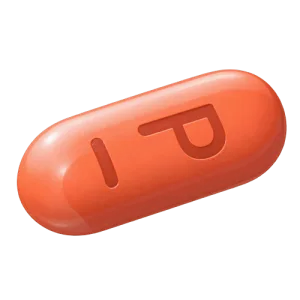
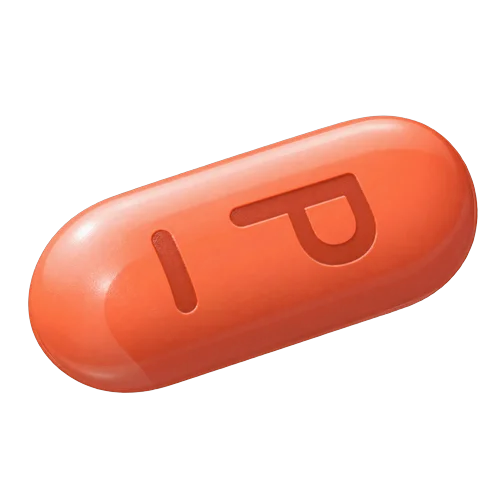
Prilosec may be used for frequent heartburn associated with gastroesophageal reflux. Prescription-supervised omeprazole treatment can also form part of care for erosive oesophagitis, peptic ulcer disease, excess-acid syndromes, and treatment regimens for Helicobacter pylori infection. The correct indication determines the dose and duration.

Prescription-supervised treatment can be used for conditions such as:

  • gastroesophageal reflux disease with frequent or persistent symptoms;
  • erosive oesophagitis;
  • gastric or duodenal ulcers;
  • prevention of ulcer recurrence in selected patients;
  • excess-acid disorders such as Zollinger–Ellison syndrome;
  • H. pylori eradication regimens alongside specific antibiotics.

The National Institute for Health and Care Excellence recommends assessing persistent reflux and dyspepsia according to symptom pattern, alarm features, and treatment response [2].

Comparison

Treatment class Main action and timing Typical clinical role
Proton pump inhibitor such as omeprazole Reduces new acid production; benefit builds over days Frequent heartburn, reflux disease, ulcer-related acid control
H2-receptor antagonist such as famotidine Reduces acid signalling; often acts sooner than a PPI Intermittent or predictable acid symptoms
Antacid containing calcium, magnesium, or aluminium salts Neutralizes acid already present; rapid but shorter relief Occasional breakthrough heartburn

Prilosec offers stronger sustained acid suppression than an antacid because it acts on acid secretion rather than neutralizing existing acid. Its limitation is the slower onset, which makes it a poor choice for immediate relief.

H2-receptor antagonists can be useful when symptoms are occasional or predictable. Their acid suppression may be less sustained, and tolerance can reduce the response during repeated use. Antacids act quickly but do not control ongoing acid production or treat inflammation in the oesophagus.

A pharmacist reviewing treatment also considers kidney function, liver disease, other medicines, symptom frequency, and the possibility of an ulcer or H. pylori infection. The best class depends on the clinical pattern.

Common mistakes

Several use patterns reduce benefit or increase avoidable risk:

  • taking the capsule only after heartburn begins;
  • chewing or crushing a delayed-release capsule;
  • doubling a dose after a missed dose;
  • adding another acid-suppressing medicine without checking interactions;
  • continuing repeated courses without investigating persistent symptoms;
  • assuming that no immediate relief means a higher dose is needed;
  • ignoring black stools, blood in vomit, or painful swallowing;
  • failing to mention warfarin, clopidogrel, or prescription antifungal therapy;
  • treating chest pressure as reflux without considering cardiac symptoms.

A capsule that is opened incorrectly may release delayed-release particles in an unsuitable way. The exact handling method depends on the formulation, so the capsule should be swallowed whole unless a prescriber or pharmacist has provided a formulation-specific alternative.

Another mistake is confusing symptom control with healing. Less burning does not prove that oesophageal inflammation, an ulcer, or H. pylori infection has resolved.

What doctors say

In clinical practice, doctors usually judge omeprazole by symptom frequency, night-time reflux, swallowing symptoms, and response over several days rather than by the first dose alone. A delayed response does not automatically mean treatment failure.

Clinicians also look for patterns that suggest a diagnosis beyond uncomplicated heartburn. Symptoms occurring most days, waking a person repeatedly at night, or returning immediately after treatment may indicate reflux disease requiring a structured plan.

The main benefit is sustained acid suppression. The main limitation is that the medicine can mask symptoms while the underlying cause remains unexamined. Doctors tend to reassess people who need repeated courses, regular rescue medicines, or continuous treatment to remain comfortable.

One practical observation is that patients often take a PPI after breakfast because that is when symptoms are strongest. The timing may be less effective than taking it before the meal that activates acid secretion. Another common issue is stopping after one improved day, even though inflammation may need longer treatment when a clinician has diagnosed reflux oesophagitis.

Common questions

How long does one dose of Prilosec keep working?

Omeprazole suppresses active proton pumps for an extended period, so acid control can continue beyond the time the medicine remains in the bloodstream. Symptom improvement is usually measured over days rather than hours. Health Canada product information from 2024 describes omeprazole as a delayed-release acid-suppressing medicine intended for scheduled use, not instant relief.

Which symptoms mean I should stop self-treatment and seek urgent care?

Vomiting blood, black stools, painful swallowing, food sticking, severe abdominal pain, repeated vomiting, and unexplained weight loss require prompt medical evaluation. Chest pain with breathlessness, sweating, faintness, or pain spreading to the arm or jaw should be treated as an emergency. European Medicines Agency product information for omeprazole, reviewed in 2024, supports prompt assessment when gastrointestinal warning signs or serious adverse effects appear.

Can I split, crush, or chew the Prilosec capsule?

The capsule should be swallowed whole with water. Chewing or crushing can damage the delayed-release design and change where the medicine is released. FDA prescribing information reviewed in 2022 describes delayed-release omeprazole formulations as products that require appropriate administration to preserve acid-resistant delivery.

What happens when I stop Prilosec, and do I need to taper?

Some people experience a temporary return or increase in acid-related symptoms after stopping repeated PPI treatment. This is called rebound acid hypersecretion and is more relevant after longer or frequent use than after a brief course. NICE guidance updated through 2025 supports reviewing ongoing PPI treatment and selecting a planned reduction or alternative approach when clinically appropriate.

Can older adults use Prilosec?

Older adults can use omeprazole when the indication and medicine list support it, but kidney function, liver function, bone health, magnesium status, and interactions deserve attention. Warfarin, clopidogrel, digoxin, and multiple other medicines are more common in this age group. Health Canada product information from 2024 supports individualized medication review when acid suppression is repeated or prolonged.

Is Prilosec suitable for anyone under 18?

Use in children and adolescents depends on the specific formulation, age, diagnosis, and clinician-directed dose. Adult self-treatment instructions should not automatically be applied to a person under 18. The FDA pediatric information reviewed in 2022 recognizes age-specific use for selected acid-related conditions, with dosing determined by the indication and patient characteristics.

Can I drink alcohol while using Prilosec?

Alcohol does not reliably cancel omeprazole’s acid-suppressing action, but it can worsen reflux, irritate the oesophagus, and make symptom control less predictable. Alcohol can also complicate assessment if abdominal pain, vomiting, or bleeding develops. A WHO alcohol fact sheet from 2023 supports limiting alcohol when it aggravates gastrointestinal symptoms or interacts with a person’s wider health risks.

Do you offer anonymous delivery?

Your order will be securely packed and shipped within 24 hours. This is exactly what your package will look like (images of an actual item sent). It has the size and look of a regular private letter (24x11x0.7 cm) and its contents cannot be seen.

Comparison

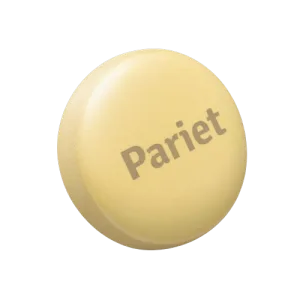
Pariet

Active ingredient: Rabeprazole
20mg
From $ 136.71
pills
4 (3)

Pepcid

Active ingredient: Famotidine
20mg 40mg
From $ 142.59
pills
3.7 (3)

Prilosec Current

Active ingredient: Omeprazole
10mg 20mg 40mg
From $ 136.71
capsules
4.4 (4)

Comparison table: Acid Reflux

Sources

  1. FDA (2022). Prescribing information for omeprazole delayed-release capsules.
  2. NICE (2025). Gastro-oesophageal reflux disease and dyspepsia in adults: investigation and management.
  3. Health Canada (2024). Canadian product information for omeprazole.

How Buyers Rate Prilosec

Based on 4 reviews

Neil, 57 Verified
Rating: 5 out of 5

I used Prilosec before breakfast during a period when heartburn was happening most days. The burning settled after a few days, and I could sleep without waking up with acid in my throat. The capsule was easy to take and the result was steady.

Calgary Oct 11, 2026
Amy, 34 Verified
Rating: 3.5 out of 5

Prilosec reduced the reflux I had after dinner, but the improvement was slower than I expected. I still had occasional symptoms during the first few days, so I had to be patient with it. After that, the relief was much more consistent.

Red Deer Oct 23, 2026
Victoria, 56 Verified
Rating: 4.5 out of 5

I had been dealing with frequent heartburn for several weeks and found Prilosec helpful when I took it before eating. The night-time burning eased, and meals became less stressful. I was satisfied with the improvement.

Saint John Oct 31, 2026
Jane, 35 Verified
Rating: 4.5 out of 5

Prilosec helped control the acid taste and burning that had been interrupting my evenings. It did not feel like an instant-relief product, but the symptoms became far less frequent after continued use. The capsule fit easily into my morning routine.

Quebec City Nov 8, 2026
Get our free app Shop faster and track your orders 4.0 · 393 reviews Install