Skip to content
contact@fairviewphysiotheraapy.com
Fast & Discrete Delivery Save up to 80%
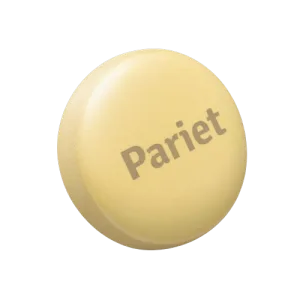
In stock Pariet
Acid Reflux

Pariet

Pariet reduces stomach acid by blocking the proton pump in acid-producing cells. It is used for adults with acid reflux, stomach or duodenal ulcers, and other acid-related conditions. Rabeprazole…

Guaranteed quality Original product
Delivery: from 4 days Discreet shipping
24/7 Support Always available
Active ingredient: Rabeprazole
Select pack Package Per unit Price
$ 1.52 $ 136.71
$ 1.43 $ 182.28 $ 171.99 Save 6%
$ 1.36 $ 273.42 $ 245.49 Save 10%
Free Regular Delivery $ 1.31 $ 410.13 $ 352.80 Save 14%
Best value Free Express Delivery $ 1.27 $ 546.84 $ 458.64 Save 16%

Free delivery on orders from $ 294.00, free express delivery from $ 441.00

Secure payment methods:
VISA AMEX JCB DISCOVER

Pariet reduces stomach acid by blocking the proton pump in acid-producing cells. It is used for adults with acid reflux, stomach or duodenal ulcers, and other acid-related conditions. Rabeprazole helps relieve heartburn, support healing, and protect irritated upper digestive tissue.

Overview

Pariet contains rabeprazole, a proton pump inhibitor (PPI) supplied as tablets. Rabeprazole suppresses the final stage of gastric acid production in the stomach. Doctors prescribe it for gastroesophageal reflux disease (GERD), erosive oesophagitis, peptic ulcers, and selected conditions involving excessive acid secretion.

How it affects the body

Rabeprazole blocks the gastric hydrogen-potassium ATPase, commonly called the proton pump. This pump is located in acid-secreting cells of the stomach and releases hydrogen ions into the stomach lumen. Those ions combine with chloride to form hydrochloric acid. This reaction contributes to the acidity measured in gastric contents. The resulting acid also helps activate pepsin.

By inhibiting the proton pump, rabeprazole lowers both resting and meal-stimulated acid secretion. The effect lasts beyond the time the medicine remains in the bloodstream because the pump needs to be replaced before acid secretion returns to its previous level. The product information reviewed by Health Canada describes rabeprazole as a proton pump inhibitor used in acid-related gastrointestinal disorders [1].

PPIs act at the final common pathway of acid secretion. This differs from histamine H2-receptor antagonists, which block one of the signals that stimulates acid production. A PPI may provide stronger acid suppression for erosive oesophagitis or persistent reflux, while an H2 blocker may be selected for intermittent or milder symptoms.

Acid reduction can also support treatment for Helicobacter pylori infection when rabeprazole is combined with appropriate antibiotics. Pariet does not eradicate H. pylori by itself. The complete treatment plan must include the prescribed antibacterial medicines.

Formulation

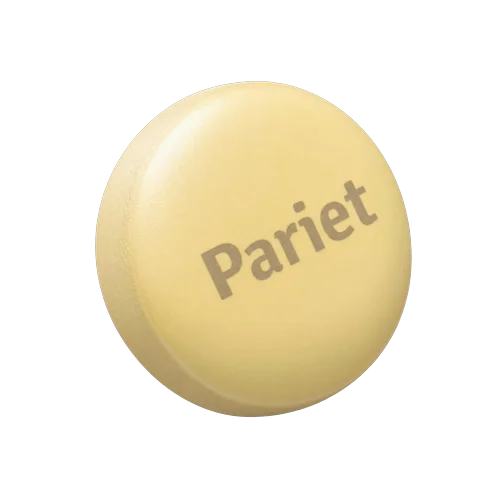
Pariet contains rabeprazole, a proton pump inhibitor (PPI) supplied as tablets. Rabeprazole suppresses the final stage of gastric acid production in the stomach. Doctors prescribe it for gastroesophageal reflux disease (GERD), erosive oesophagitis, peptic ulcers, and selected conditions involving excessive acid secretion.

The medicine reduces acid rather than simply neutralising acid already present. This gives damaged tissue time to heal and can reduce symptoms such as burning behind the breastbone, sour regurgitation, and upper abdominal discomfort.

Rabeprazole is an enteric-coated medicine. The coating helps the active substance pass through the stomach before it is released and absorbed. Crushing, chewing, or breaking the tablet can interfere with this design.

Swallow the tablet whole with water. Do not crush or chew it unless a prescriber has specifically given different instructions.

Pariet is not an instant antacid. It begins controlling acid production after administration, while full symptom improvement may take longer when inflammation or tissue damage is present.

Dosage and administration

The dose of Pariet is decided individually, taking age, other medicines, and health conditions into account. The schedule depends on the diagnosis, symptom severity, healing response, and whether the medicine forms part of an H. pylori treatment regimen.

  • Take Pariet by mouth as prescribed.
  • Swallow each tablet whole with water.
  • Take it at the same time each day when regular treatment is required.
  • Follow the prescribed duration, even if heartburn improves quickly.
  • If a dose is missed, take it when remembered unless the next scheduled dose is near; do not double the next dose.
  • For an H. pylori regimen, take rabeprazole together with the antibiotics at the prescribed times.

Some people take acid-suppressing medicines before food, while others receive instructions suited to their condition and formulation. Use the schedule provided by the prescriber rather than changing the timing based only on symptom changes.

Keep a simple medicine routine, such as taking the tablet alongside the same morning habit each day. This reduces missed doses without requiring an extra dose later.

A common mistake is stopping treatment as soon as the burning sensation disappears. Symptoms can improve before irritated oesophageal tissue has fully healed. Another mistake is taking extra tablets after a large meal to compensate for discomfort; additional doses should not replace the planned regimen.

If symptoms persist despite treatment, the next step is medical review rather than repeated self-dosing. Persistent reflux can have causes that need different management, including ulcer disease, medication-related irritation, or non-acid digestive problems.

Reasons not to use it

Specific situations requiring medical review include:

  • Use of rilpivirine-containing treatment, because gastric acid suppression can reduce rilpivirine absorption.
  • Previous severe reaction to another proton pump inhibitor.
  • Significant liver disease, which may alter exposure to rabeprazole.
  • Suspected gastrointestinal bleeding, unexplained weight loss, progressive swallowing difficulty, or recurrent vomiting.
  • A history of low magnesium, vitamin B12 deficiency, osteoporosis, or repeated intestinal infections.
  • Treatment with medicines affected by stomach acidity or altered absorption.
  • Use of warfarin, digoxin, high-dose methotrexate, tacrolimus, or selected HIV medicines.
  • Planned testing for H. pylori, gastrin, or other conditions where acid suppression could affect the result.

Rabeprazole may interact with medicines that depend on stomach acidity for absorption. It may also require attention when combined with warfarin because changes in anticoagulant effect can increase bleeding risk. High-dose methotrexate treatment can require a separate medication plan because PPIs may reduce methotrexate clearance.

Pregnancy and breastfeeding require an individual risk assessment. Do not start, stop, or extend treatment during pregnancy without a prescriber’s direction.

When this is not for you

Talk to a prescriber before using Pariet if you have had a serious reaction to another proton pump inhibitor, significant liver disease, low magnesium or vitamin B12, osteoporosis, repeated intestinal infections, or warning symptoms such as bleeding, unexplained weight loss, difficulty swallowing, or recurrent vomiting. Medical advice is also important if you take rilpivirine, warfarin, digoxin, high-dose methotrexate, tacrolimus, or selected HIV medicines, or if you are pregnant or breastfeeding.

Possible side effects

Most adverse effects associated with rabeprazole are mild and involve the digestive system or nervous system. Reported effects include headache, abdominal pain, diarrhoea, constipation, nausea, vomiting, flatulence, and dizziness. These symptoms may be temporary, yet persistent or troublesome symptoms need assessment.

Longer exposure to acid suppression can affect nutrient absorption and mineral balance. Clinicians may consider magnesium, vitamin B12, iron, or bone health in people with prolonged treatment, poor nutrition, malabsorption, or other risk factors. The European Medicines Agency describes PPI-related precautions involving prolonged use, electrolyte disturbances, and selected infections [2].

Seek prompt medical attention for black stools, vomiting blood, severe or persistent abdominal pain, difficulty swallowing, unexplained weight loss, yellowing of the skin, or severe watery diarrhoea. These symptoms can indicate a gastrointestinal complication, liver problem, or significant intestinal infection rather than a routine medicine effect.

Serious allergic reactions are uncommon but can involve facial swelling, wheezing, widespread rash, blistering skin, or faintness. Stop and obtain urgent medical help if these symptoms occur after taking rabeprazole.

Diarrhoea that is severe, persistent, or accompanied by fever deserves medical assessment. Acid suppression can increase susceptibility to some gastrointestinal infections, so repeated anti-diarrhoeal dosing is not always the right response.

Therapeutic indications

Pariet is used in adults for gastroesophageal reflux disease, erosive oesophagitis, stomach or duodenal ulcers, and selected conditions involving excessive gastric acid secretion. It may also form part of an H. pylori treatment regimen.

Comparison

Treatment category Main action Typical clinical role
Rabeprazole, including Pariet Blocks the gastric proton pump GERD, erosive oesophagitis, ulcers, and other acid-related disorders
Other proton pump inhibitors Block the same final acid-secretion pathway Comparable acid suppression, with differences in interactions and individual response
H2-receptor antagonists Block histamine signalling in acid-producing cells Intermittent or less severe acid symptoms in selected patients

Rabeprazole and other PPIs share the same broad mechanism, yet people can respond differently to individual medicines. The choice may depend on previous response, other treatments, kidney or liver function, interaction risk, and the reason for treatment.

H2-receptor antagonists can be useful for selected short-term symptoms, but acid suppression may weaken with repeated use in some patients. A PPI is more commonly selected when healing of acid-related injury is a priority.

Pariet should not be compared by tablet strength alone. The clinically appropriate regimen depends on the diagnosis and the person’s medical history.

Common mistakes

Poor results often come from practical errors rather than failure of rabeprazole itself.

  • Chewing or crushing the tablet can interfere with delayed release.
  • Taking doses irregularly can produce fluctuating acid control.
  • Stopping after the first symptom-free day may leave inflammation untreated.
  • Adding an unplanned acid medicine can complicate the treatment schedule.
  • Taking extra tablets after dietary triggers does not reliably correct symptoms.
  • Forgetting to mention over-the-counter medicines can hide important interactions.
  • Continuing treatment without review can expose a person to unnecessary long-term acid suppression.
  • Assuming every upper abdominal symptom is caused by acid can delay investigation of another condition.

Coffee, alcohol, tobacco, large late meals, and lying down soon after eating can worsen reflux in some people, though triggers vary. A brief symptom diary can help identify patterns without requiring broad, restrictive food avoidance.

Record the time of symptoms, meals, lying-down periods, and Pariet doses for several days. This can show whether symptoms follow a specific habit or occur despite regular treatment.

Do not use symptom improvement as a reason to change the prescribed schedule. Acid production can remain suppressed after discomfort has eased, and abrupt changes may allow symptoms to return.

What doctors say

In clinical practice, physicians usually judge Pariet by the reason for treatment rather than by heartburn relief alone. A person with uncomplicated reflux may need a different treatment duration from someone with erosive oesophagitis, an ulcer, or a combined H. pylori regimen.

Doctors also look for warning symptoms before continuing acid suppression. Difficulty swallowing, anaemia, gastrointestinal bleeding, persistent vomiting, or unexplained weight loss can require investigation instead of routine continuation of a PPI.

The World Health Organization recognises acid-related gastrointestinal disease as a common clinical problem requiring diagnosis-based treatment rather than identical treatment for every patient [3]. That principle matters with rabeprazole because the right schedule, duration, and follow-up depend on the underlying condition.

A prescriber may review the need for ongoing treatment after symptoms settle. Long-term use can be appropriate for selected conditions, such as recurrent erosive reflux or protection from gastrointestinal injury in people with continuing risk factors. It should still be reassessed periodically.

Common questions

Can older adults take Pariet?

Older adults can receive rabeprazole when the indication and treatment plan are appropriate. Health Canada’s 2023 product information supports diagnosis-based use while recognising that age, liver function, and concurrent medicines influence prescribing decisions . Older patients may also have a higher background risk of low magnesium, vitamin B12 deficiency, bone fractures, or drug interactions during prolonged acid suppression. A medication review is useful when several treatments are taken together.

Which condition rules out Pariet?

A serious previous allergy to rabeprazole or another substituted benzimidazole rules out further use. The European Medicines Agency’s 2022 product information identifies hypersensitivity as a contraindication for rabeprazole-containing medicines . Rilpivirine-containing treatment is also incompatible with PPI therapy because reduced stomach acidity can lower rilpivirine exposure. Warning symptoms such as gastrointestinal bleeding or progressive difficulty swallowing require investigation rather than routine self-treatment.

Which habits can help or hinder the result?

Large meals, alcohol, tobacco, coffee, and lying down soon after eating can worsen reflux in some people. Guidance from the National Institute for Health and Care Excellence in 2022 supports lifestyle measures alongside treatment when reflux symptoms are present [4]. Smaller meals, avoiding personal triggers, and allowing time between eating and lying down may improve symptom control. Habits do not replace Pariet when tissue healing or ulcer treatment is required.

Can Pariet be used during pregnancy or breastfeeding?

Pregnancy and breastfeeding require an individual assessment of expected benefit and possible risk. The EMA’s 2022 medicine information approach places the decision on the clinical indication, treatment alternatives, and exposure during pregnancy or lactation . Do not begin long-term acid suppression solely for occasional heartburn without discussing the symptoms with a prescriber. Severe or recurrent reflux during pregnancy may need a planned treatment strategy rather than repeated unscheduled doses.

Does Pariet affect driving, concentration, or machinery work?

Rabeprazole does not usually impair driving or concentration, yet dizziness, drowsiness, or visual disturbance can occur in some people. The 2023 Health Canada product monograph advises attention to individual reactions when such symptoms appear . Avoid driving or operating machinery until you know how the medicine affects you if dizziness or reduced alertness develops. Alcohol can worsen dizziness and may also aggravate reflux symptoms.

Should Pariet be taken with food or on an empty stomach?

The timing of Pariet depends on the prescribed regimen and the condition being treated. Clinical guidance from the American College of Gastroenterology’s 2022 guidance supports structured PPI use in relation to meals for GERD treatment, while product instructions may differ by formulation and indication [5]. Take the tablet at the prescribed time and swallow it whole. For an H. pylori regimen, follow the coordinated schedule for rabeprazole and antibiotics rather than separating them without medical direction.

How long does a Pariet course last, and is long-term use acceptable?

Treatment length depends on GERD, erosive oesophagitis, ulcer disease, H. pylori therapy, or another acid-related diagnosis. NICE’s 2022 guidance recommends reviewing ongoing PPI treatment and using the lowest suitable regimen when prolonged therapy remains necessary . Long-term treatment can be appropriate for recurrent or complicated disease, but it should be reassessed rather than continued automatically. The review may include symptoms, interacting medicines, magnesium status, vitamin B12 risk, bone health, and whether the original indication remains active.

Do you offer anonymous delivery?

Your order will be securely packed and shipped within 24 hours. This is exactly what your package will look like (images of an actual item sent). It has the size and look of a regular private letter (24x11x0.7 cm) and its contents cannot be seen.

Comparison

Pariet Current

Active ingredient: Rabeprazole
20mg
From $ 136.71
pills
4 (3)

Pepcid

Active ingredient: Famotidine
20mg 40mg
From $ 142.59
pills
3.7 (3)

Prilosec

Active ingredient: Omeprazole
10mg 20mg 40mg
From $ 136.71
capsules
4.4 (4)

Comparison table: Acid Reflux

Sources

  1. Health Canada (2023). Pariet Product Monograph — rabeprazole sodium tablets.
  2. European Medicines Agency (2022). Summary of Product Characteristics (SmPC) — rabeprazole.
  3. World Health Organization (2008). WHO Model Formulary.
  4. National Institute for Health and Care Excellence (2022). Gastro-oesophageal reflux disease and dyspepsia in adults: investigation and management.
  5. American College of Gastroenterology (2022). ACG Clinical Guideline for the Diagnosis and Management of Gastroesophageal Reflux Disease.

How Buyers Rate Pariet

Based on 3 reviews

Colin, 59 Verified
Rating: 4 out of 5

London, used Pariet tablets for reflux symptoms over several weeks. The burning after evening meals became much less noticeable, and he slept through the night more often. He was pleased that daily activities felt easier once the symptoms settled.

London Several weeks Nov 9, 2026
Martin, 50 Verified
Rating: 5 out of 5

Moncton, took Pariet as part of treatment for recurring acid-related discomfort. He noticed a clear reduction in sour regurgitation and found the tablet easy to include in his morning routine. The improvement was gradual, but he felt satisfied with the result.

Moncton Oct 11, 2026
Kevin, 44 Verified
Rating: 3 out of 5

Quebec City, used Pariet for persistent heartburn and experienced only partial improvement at first. Symptoms became less frequent, though he still noticed discomfort after large late meals. The slower response was frustrating, and he arranged a medical review rather than increasing the dose himself.

Quebec City Oct 20, 2026
Get our free app Shop faster and track your orders 4.0 · 402 reviews Install