Skip to content
contact@fairviewphysiotheraapy.com
Fast & Discrete Delivery Save up to 80%
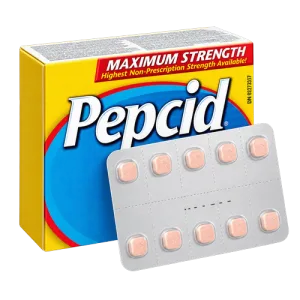
In stock Pepcid
Acid Reflux

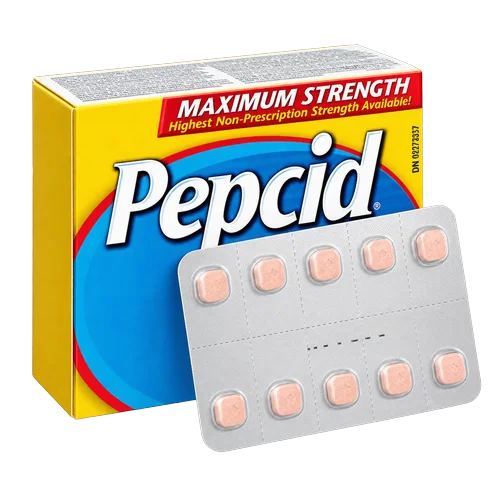
Pepcid

Pepcid is intended for adults with occasional heartburn or acid-related indigestion. It contains famotidine, an H2 blocker that lowers stomach acid and can provide acid control for up to 12 hours.

Guaranteed quality Original product
Delivery: from 4 days Discreet shipping
24/7 Support Always available
Active ingredient: Famotidine
Select dosage:
Select pack Package Per unit Price
$ 2.55 $ 142.59
$ 2.42 $ 213.89 $ 202.86 Save 5%
$ 2.18 $ 285.18 $ 244.02 Save 14%
$ 1.70 $ 427.77 $ 285.18 Save 33%
Free Regular Delivery $ 1.45 $ 570.36 $ 324.87 Save 43%
Best value Free Regular Delivery $ 1.27 $ 855.54 $ 426.30 Save 50%
$ 2.63 $ 147.00
$ 2.40 $ 220.50 $ 201.39 Save 9%
$ 2.13 $ 294.00 $ 238.14 Save 19%
$ 1.63 $ 441.00 $ 273.42 Save 38%
Free Regular Delivery $ 1.47 $ 588.00 $ 329.28 Save 44%
Best value Free Express Delivery $ 1.33 $ 882.00 $ 446.88 Save 49%

Free delivery on orders from $ 294.00, free express delivery from $ 441.00

Secure payment methods:
VISA AMEX JCB DISCOVER

Pepcid is intended for adults with occasional heartburn or acid-related indigestion. It contains famotidine, an H2 blocker that lowers stomach acid and can provide acid control for up to 12 hours.

Overview

Pepcid contains famotidine, a histamine-2 receptor antagonist, also called an H2 blocker. It reduces the amount of stomach acid released by specialised cells in the stomach lining.

How it affects the body

Famotidine acts on parietal cells in the gastric mucosa. These cells produce hydrochloric acid. Histamine normally activates H2 receptors on their surface, signalling the cells to release more acid. Famotidine competitively blocks those receptors, so the acid-producing signal becomes weaker.

The medicine reduces acid production rather than neutralising acid that is already present. That distinction explains why Pepcid is different from an antacid. The pharmacological action of famotidine as an H2 blocker is described in regulatory prescribing information [1].

Receptor Inhibition in the Gastric Mucosa

Pepcid does not need to coat the oesophagus or chemically bind existing acid. Famotidine reaches the H2 receptors through the bloodstream and limits further acid secretion. Lower acidity can reduce the burning sensation behind the breastbone and decrease irritation caused by reflux.

Formulation

Pepcid contains famotidine, a histamine-2 receptor antagonist also known as an H2 blocker. Famotidine reduces the amount of stomach acid released by specialised cells in the stomach lining.

Dosage and administration

Pepcid tablets are taken by mouth for episodic heartburn. The amount per intake is selected individually rather than being one fixed number for every person. NICE guidance also supports reviewing recurrent symptoms instead of extending self-treatment indefinitely. Use the dosing direction provided for the specific Pepcid product and do not take repeated doses closer together to compensate for slow relief.

For adults, practical dosing principles include:

  • Take the tablet by mouth with water.
  • Use it when heartburn occurs or before a predictable trigger, according to the applicable product directions.
  • Do not exceed the stated daily limit.
  • Do not continue self-treatment for persistent or recurring symptoms without medical assessment.
  • If a dose is missed, take it when remembered unless the next scheduled dose is near; never double the amount.

Pepcid can begin reducing acid within a relatively short period, while the full benefit for a particular episode may take longer. Its acid-control effect may continue for as long as 12 hours. Food does not make famotidine unsuitable, although the best timing depends on whether it is being used for an existing episode or prevention before a known trigger. Health Canada information for non-prescription famotidine products supports careful adherence to product-specific directions [2].

Kidney function affects famotidine clearance. A person with reduced kidney function may require a lower amount or longer spacing between doses because famotidine can remain in the body longer. Older adults may have reduced renal function without obvious symptoms, so repeated use deserves extra care.

Do not take extra Pepcid simply because heartburn has not disappeared immediately. Acid suppression and symptom relief are related but not always simultaneous, and taking more than directed increases avoidable exposure.

Reasons not to use it

This medicine is not for you if you have had a serious allergic reaction to famotidine or another H2 blocker. It also requires specific medical review when kidney function is reduced, when symptoms suggest bleeding, or when heartburn is frequent enough to require repeated self-treatment.

Use extra caution in these situations:

  • Known kidney disease or dialysis.
  • Previous allergy to famotidine or related H2 blockers.
  • Pregnancy or breastfeeding, when treatment choice should be individualised.
  • Trouble swallowing, painful swallowing, persistent vomiting, or unexplained weight loss.
  • Vomit that contains blood or stools that appear black and tarry.
  • Chest pain with breathlessness, sweating, faintness, or pain in the arm or jaw.
  • Regular use of medicines that depend on stomach acidity for absorption.

Famotidine can alter gastric acidity and may affect the absorption of some medicines. It may also require spacing from medicines whose absorption changes in a less acidic stomach. A clinician should review the full medicine list when Pepcid is used regularly, especially in people taking several prescription medicines. NICE guidance on gastro-oesophageal reflux disease supports medical review when symptoms persist or recur [5].

When this is not for you

Do not self-treat with Pepcid if you have symptoms that could indicate bleeding, such as vomiting blood or black, tarry stools. Seek medical advice rather than relying on it if swallowing is difficult or painful, you have persistent vomiting or unexplained weight loss, or chest pain occurs with breathlessness, sweating, faintness, or pain in the arm or jaw. People who are pregnant or breastfeeding should discuss the treatment choice with a healthcare professional.

Possible side effects

Famotidine is tolerated by many adults when used as directed. Reported unwanted effects include headache, dizziness, constipation, diarrhoea, nausea, and abdominal discomfort. These effects are usually mild, but dizziness can matter when driving, climbing stairs, or operating machinery.

Rare reactions can include confusion, agitation, hallucinations, irregular heartbeat, seizures, or a serious allergic response with facial swelling, wheezing, or difficulty breathing. Emergency care is appropriate for breathing difficulty, fainting, swelling of the lips or tongue, vomiting blood, or black stools.

Kidney impairment needs special attention. Reduced renal clearance can raise famotidine concentrations and may increase the risk of central nervous system effects, such as confusion or unusual drowsiness. The dose or interval may need adjustment in people with chronic kidney disease. The FDA prescribing information identifies renal impairment as a factor in famotidine dosing and monitoring [4].

If dizziness begins after taking Pepcid, avoid driving until you know how the tablet affects you. Older adults should take new confusion seriously, especially when kidney disease is present.

A practical detail is easy to miss: heartburn can feel like chest pressure. Sudden chest pain, shortness of breath, sweating, pain spreading to the arm or jaw, or faintness should be treated as a possible cardiac emergency rather than self-treated as reflux.

Therapeutic indications

Pepcid is intended for adults with occasional heartburn or acid-related indigestion. It lowers stomach acid and can provide acid control for up to 12 hours when used for episodic symptoms.

Comparison

Pepcid belongs to the H2-blocker category. Antacids and proton pump inhibitors work through different mechanisms, so each category has a different place in symptom management.

Category Main action and typical role Onset and duration pattern
Antacids Neutralise acid already present in the stomach Often rapid relief, usually shorter-lasting
H2 blockers Reduce acid secretion by blocking histamine H2 receptors Moderate onset with relief that may last several hours
PPIs Suppress the final stage of acid production Designed for sustained control, with benefit building through regular use

Antacids are useful when a person needs rapid, short-term neutralisation of acid. They do not substantially prevent new acid production. H2 blockers such as famotidine reduce acid secretion and may be more suitable when symptoms recur around a predictable period.

Proton pump inhibitors, or PPIs, suppress acid production more strongly and for longer periods when used correctly. They are commonly selected for frequent reflux, erosive oesophagitis, or other diagnosed acid-related disorders. A PPI is not automatically a better choice for occasional heartburn; the treatment should match symptom frequency and the underlying diagnosis. The WHO Model List of Essential Medicines provides a therapeutic classification framework for medicines [3].

Pepcid may be useful when a person wants acid reduction that lasts longer than a typical antacid dose without beginning a long-term PPI regimen. Its limitation is that it may not control frequent or severe reflux adequately. It also does not treat complications such as oesophageal inflammation by itself.

Common mistakes

Several everyday errors can reduce the benefit of Pepcid or create unnecessary risk:

  • Taking repeated tablets too soon because symptoms have not settled.
  • Using Pepcid every day for weeks without assessing why symptoms continue.
  • Treating chest pressure as heartburn without considering cardiac warning signs.
  • Ignoring kidney disease when selecting the amount or frequency.
  • Combining several acid-reducing products without checking whether their ingredients overlap.
  • Lying down immediately after a large meal and expecting acid suppression to overcome the trigger.
  • Assuming that relief proves the symptoms are harmless.
  • Continuing self-treatment despite difficulty swallowing, gastrointestinal bleeding, vomiting, or unexplained weight loss.

Crushing or chewing is another area where the product form matters. A standard tablet should be swallowed as directed unless the specific product information states otherwise. Do not alter a tablet that has a special release or coating design, because changing its structure can affect how the medicine is delivered.

A missed dose does not justify doubling the next dose. The safer approach is to resume the planned schedule or use the next dose at the appropriate time, depending on whether Pepcid is being used for occasional symptoms or a clinician-directed regimen.

What doctors say

In clinical practice, physicians generally view famotidine as a useful option for intermittent acid-related symptoms, not as a solution for every type of chest or upper-abdominal discomfort. The main questions are how often symptoms occur, whether they respond to acid reduction, and whether warning signs are present.

A doctor will usually ask whether heartburn happens after meals, at night, during exercise, or after lying down. The timing helps separate reflux from other causes of chest discomfort. Repeated reliance on short-term treatment can also signal gastroesophageal reflux disease that needs a structured plan.

Pepcid has a practical advantage for predictable symptoms because an H2 blocker can reduce acid secretion for a prolonged period. Its limitation is incomplete control in some people, especially when reflux is frequent, severe, or associated with oesophageal damage. A PPI, diagnostic testing, or another treatment approach may be more appropriate in those circumstances.

One detail patients often overlook is the relationship between symptoms and body position. Remaining upright after eating and avoiding a late, heavy meal may reduce reflux episodes, while Pepcid addresses the acid component itself. These approaches solve different parts of the problem.

Common questions

Can Pepcid be taken with food or on an empty stomach?

Pepcid can be used with or without food, depending on whether the aim is to treat symptoms or prevent predictable heartburn. Food does not cancel famotidine’s H2-blocking action. Health Canada guidance available in 2025 supports following the directions for the specific non-prescription product rather than changing the amount because of a meal. Large meals can still trigger reflux even when acid production is reduced. The FDA advises following the labelled directions for the selected product.

How long does one Pepcid dose keep working?

One dose may control acid for up to 12 hours, although symptom duration differs between individuals. The length of benefit depends on the amount taken, kidney function, meal timing, and the cause of the symptoms. The FDA famotidine label reviewed in 2024 describes the medicine’s acid-suppressing effect after administration. Relief may fade sooner if reflux is driven by continuing triggers such as repeated meals or lying down.

How soon does Pepcid begin to work?

Famotidine may begin reducing acid relatively soon after it is taken, while noticeable heartburn relief can take longer. The response is not identical for every episode, and severe reflux may not settle fully with an H2 blocker. A 2025 Health Canada non-prescription medicine framework supports using symptom response together with duration and recurrence when deciding whether self-treatment remains appropriate. Persistent symptoms should prompt assessment rather than repeated unscheduled doses.

What is the best time of day to take Pepcid?

The best time depends on the symptom pattern. A person with predictable evening heartburn may take Pepcid before the expected trigger according to the product directions, while someone treating an active episode may use it when symptoms begin. The WHO’s 2023 guidance on rational medicine use supports matching timing to the treatment purpose and avoiding unnecessary repeated doses. Night-time symptoms that occur often can indicate reflux requiring a more structured evaluation.

Can the Pepcid tablet be split, crushed, or chewed?

Do not crush or chew a Pepcid tablet unless the specific product directions permit that method. Swallowing the tablet as directed preserves its intended delivery and avoids changing the dose form. The FDA famotidine label reviewed in 2024 provides formulation-specific administration instructions. Splitting a tablet is also unsuitable when the tablet is not scored or when an individual needs a precisely measured amount.

Do you offer anonymous delivery?

Your order will be securely packed and shipped within 24 hours. This is exactly what your package will look like (images of an actual item sent). It has the size and look of a regular private letter (24x11x0.7 cm) and its contents cannot be seen.

Comparison

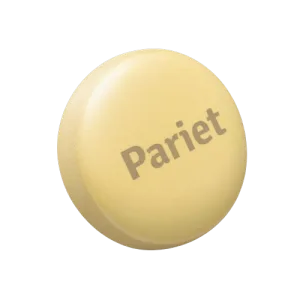
Pariet

Active ingredient: Rabeprazole
20mg
From $ 136.71
pills
4 (3)

Pepcid Current

Active ingredient: Famotidine
20mg 40mg
From $ 142.59
pills
3.7 (3)

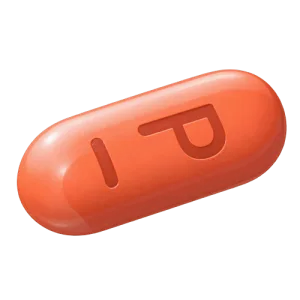
Prilosec

Active ingredient: Omeprazole
10mg 20mg 40mg
From $ 136.71
capsules
4.4 (4)

Comparison table: Acid Reflux

Sources

  1. FDA (2024). Pepcid AC (famotidine) Prescribing Information.
  2. Health Canada (2025). Famotidine: Non-prescription drug information.
  3. World Health Organization (2023). WHO Model List of Essential Medicines, 23rd list.
  4. FDA (2024). Famotidine: Drug Label Information.
  5. NICE (2014). Gastro-oesophageal reflux disease and dyspepsia in adults: management (CG184).

How Buyers Rate Pepcid

Based on 3 reviews

Gary L., 42 Verified
Rating: 2 out of 5

I used Pepcid for evening heartburn for about ten days. It did not make enough difference for me, and the burning kept returning after dinner, so I stopped relying on it and arranged a medical review.

Vancouver About ten days Nov 2, 2026
Gareth, 27 Verified
Rating: 4 out of 5

I took Pepcid before a few meals that normally caused heartburn. The burning settled much sooner than it usually did, and I liked that one tablet covered the rest of the evening.

Halifax Nov 8, 2026
Craig, 38 Verified
Rating: 5 out of 5

I used Pepcid during a period when late meals were causing reflux. After taking it around the time directed, I had fewer episodes at night and could sleep without the usual sour taste.

Oshawa Oct 11, 2026
Get our free app Shop faster and track your orders 4.0 · 402 reviews Install