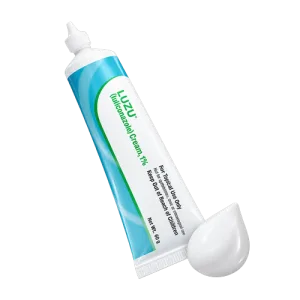
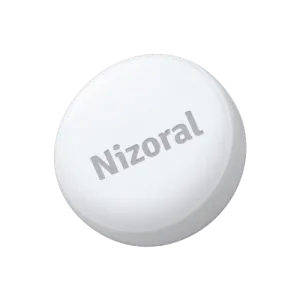
Saskatoon, the tablets were used for a confirmed fungal infection. Symptoms improved after several weeks, although the progress felt slower than expected and stomach upset occurred briefly. He remained satisfied with the result after completing the planned course.
Saskatoon Several weeks Oct 12, 2026
Nizoral
Patients with confirmed or strongly suspected systemic fungal infections may be prescribed Nizoral tablets when ketoconazole is clinically appropriate. Nizoral contains ketoconazole, an antifungal…
Patients with confirmed or strongly suspected systemic fungal infections may be prescribed Nizoral tablets when ketoconazole is clinically appropriate. Nizoral contains ketoconazole, an antifungal that disrupts fungal cell membranes and limits fungal growth. Its use requires an individually confirmed regimen because oral ketoconazole can cause serious liver injury and interacts with several medicines.
Overview
Nizoral tablets contain ketoconazole, an imidazole antifungal agent. Ketoconazole blocks fungal production of ergosterol, a sterol required to maintain the fungal cell membrane. The weakened membrane loses normal function, which limits fungal survival and replication.
Oral ketoconazole acts throughout the body after absorption from the gastrointestinal tract. This differs from a topical antifungal, which acts mainly at the skin or mucosal application site. Nizoral tablets therefore require a clear medical indication and a regimen confirmed with a healthcare professional before starting.
Ketoconazole has activity against several yeasts and dermatophytes. The exact choice depends on the organism, infection site, severity, liver function, and other medicines being used. Laboratory testing can help identify the fungus when the diagnosis is uncertain.
Ketoconazole and fungal cell membranes
Fungal cells depend on ergosterol in much the same way human cells depend on cholesterol for membrane structure. Ketoconazole inhibits fungal cytochrome P450 enzymes involved in ergosterol synthesis. This pharmacological action explains both its antifungal effect and some of its interaction risks.
Ketoconazole also inhibits human CYP3A4 enzymes. That enzyme effect can increase blood concentrations of medicines metabolized through the same pathway, sometimes to dangerous levels. The FDA prescribing information gives extensive warnings about this interaction profile [1].
Fungal conditions and Malassezia
Malassezia is a yeast associated with dandruff and seborrhoeic dermatitis. Ketoconazole can act against Malassezia when used in suitable topical formulations. Nizoral tablets, as an oral product, are used according to the systemic antifungal indication selected by the prescriber rather than as a routine scalp-care treatment.

How it affects the body
Ketoconazole inhibits fungal cytochrome P450 enzymes involved in ergosterol synthesis. The weakened fungal membrane loses normal function, which limits fungal survival and replication. Ketoconazole also inhibits human CYP3A4 enzymes, which can increase blood concentrations of medicines metabolized through the same pathway.
Formulation
Nizoral tablets contain ketoconazole, an imidazole antifungal agent. Ketoconazole blocks fungal production of ergosterol, a sterol required to maintain the fungal cell membrane. The weakened membrane loses normal function, which limits fungal survival and replication.
Oral ketoconazole acts throughout the body after absorption from the gastrointestinal tract. This differs from a topical antifungal, which acts mainly at the skin or mucosal application site. Nizoral tablets therefore require a clear medical indication and a regimen confirmed with a healthcare professional before starting.
Ketoconazole has activity against several yeasts and dermatophytes. The exact choice depends on the organism, infection site, severity, liver function, and other medicines being used. Laboratory testing can help identify the fungus when the diagnosis is uncertain.
Ketoconazole and fungal cell membranes
Fungal cells depend on ergosterol in much the same way human cells depend on cholesterol for membrane structure. Ketoconazole inhibits fungal cytochrome P450 enzymes involved in ergosterol synthesis. This pharmacological action explains both its antifungal effect and some of its interaction risks.
Ketoconazole also inhibits human CYP3A4 enzymes. That enzyme effect can increase blood concentrations of medicines metabolized through the same pathway, sometimes to dangerous levels. The FDA prescribing information gives extensive warnings about this interaction profile [1].
Fungal conditions and Malassezia
Malassezia is a yeast associated with dandruff and seborrhoeic dermatitis. Ketoconazole can act against Malassezia when used in suitable topical formulations. Nizoral tablets, as an oral product, are used according to the systemic antifungal indication selected by the prescriber rather than as a routine scalp-care treatment.
Dosage and administration
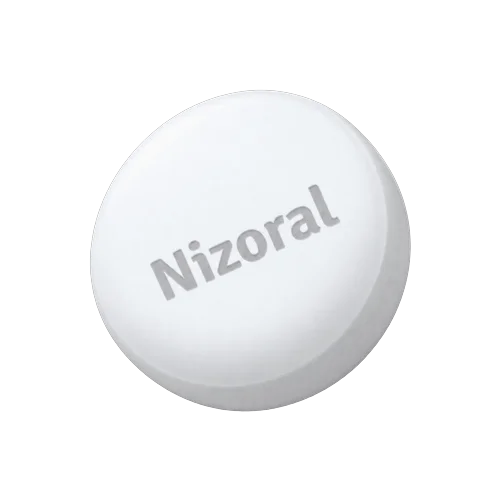
The regimen for the selected Nizoral tablet strength must be confirmed with a healthcare professional before starting. Dose selection depends on the infection, organism, liver status, interacting medicines, treatment response, and local prescribing information.
Use the tablets by mouth with the timing and duration specified for the individual prescription. Do not create a course from general online dosing examples because oral ketoconazole regimens vary by infection and patient factors.
Practical administration points include:
- Swallow the tablet as directed.
- Take doses at consistent times when possible.
- Do not double the next dose after a missed dose.
- If a dose is missed, follow the prescriber’s missed-dose instruction or obtain patient-specific guidance before changing the schedule.
- Do not stop treatment early solely because symptoms improve.
- Report symptoms that could suggest liver injury promptly.
A tablet diary can help when treatment lasts more than a few days. Record the time taken and any new symptom. This is useful during follow-up because it separates missed doses from treatment failure.
Reasons not to use it
- Acute or chronic liver disease.
- Previous serious liver injury caused by ketoconazole.
- Allergy to ketoconazole or related azole antifungals.
- Use of medicines that can cause dangerous QT prolongation.
- Use of potent CYP3A4 substrates with a narrow safety margin.
- Certain medicines that strongly reduce stomach acidity and may impair absorption.
- Pregnancy or breastfeeding unless the expected clinical benefit clearly supports treatment.
- A fungal condition that can be managed with a safer topical or oral alternative.
The contraindication list can vary with the exact medicine combination. Ketoconazole may interact with some antiarrhythmics, sedatives, lipid-lowering medicines, anticoagulants, immunosuppressants, and medicines used for erectile dysfunction or blood pressure. The WHO’s guidance on fungal disease supports matching antifungal selection to the organism, infection severity, and patient-specific safety factors [3].
When this is not for you
Nizoral is NOT for you if a clinician identifies liver disease, a serious prior ketoconazole reaction, or a contraindicated interaction. Tell the prescriber about previous hepatitis, abnormal liver tests, heavy alcohol use, and every medicine taken for heart rhythm, cholesterol, sleep, anxiety, pain, or blood pressure.
Possible side effects
The most clinically significant risk is liver injury. Symptoms may include persistent nausea, vomiting, loss of appetite, unusual tiredness, abdominal discomfort, dark urine, pale stools, itching, or yellow skin. Liver blood tests may be required before and during treatment, depending on the regimen and duration.
Other possible adverse effects include:
- Headache.
- Nausea or abdominal discomfort.
- Diarrhoea.
- Dizziness.
- Itching or rash.
- Changes in adrenal hormone production.
- Breast tenderness or enlargement in some patients.
- Changes in menstrual function or sexual function in some patients.
Serious allergic reactions can cause facial swelling, breathing difficulty, widespread rash, or faintness. These symptoms require urgent medical care.
Ketoconazole can also inhibit steroid synthesis at higher systemic exposure. That effect may contribute to adrenal insufficiency or hormonal symptoms, especially during prolonged or intensive treatment. LiverTox, a National Institutes of Health resource, describes clinically significant liver injury as a recognised risk of oral ketoconazole [4].
One detail patients often miss: alcohol can make it harder to distinguish ordinary stomach upset from early liver symptoms. Avoiding alcohol during treatment reduces that confusion and removes an additional burden on the liver.
Therapeutic indications
Nizoral tablets are intended for selected fungal infections in which oral ketoconazole is considered appropriate. The clinical decision depends on the causative organism and whether other antifungal options are suitable.
Possible treatment contexts include serious or difficult-to-treat fungal disease. The indication is not determined by the product name alone. A fungal culture, microscopy, clinical examination, or other diagnostic assessment may be needed.
The expected benefit is control of fungal growth. Relief of pain, itching, inflammation, or skin changes follows only if the symptoms are caused by a susceptible fungal infection.
Nizoral is not a general-purpose treatment for every rash or scalp problem. Eczema, psoriasis, bacterial infections, allergic dermatitis, and many viral conditions require different approaches.
Comparison
Treatment selection depends on the organism and infection site rather than on the brand name. Oral ketoconazole may be considered in selected situations, while other antifungals may offer a different balance of liver effects, interactions, tissue penetration, or dosing convenience.
| Approach | Main pharmacological feature | Typical clinical role |
|---|---|---|
| Oral ketoconazole | Inhibits fungal ergosterol synthesis and CYP3A4 | Selected systemic fungal infections when clinically appropriate |
| Oral terbinafine | Inhibits squalene epoxidase | Several dermatophyte infections, including some nail and skin infections |
| Oral fluconazole | Inhibits fungal sterol synthesis with a different interaction profile | Selected yeast and other susceptible fungal infections |
Topical antifungals can be suitable when infection is limited to the skin or mucosa. They usually produce less systemic exposure than oral treatment, although the choice depends on the site and severity. A clinician may prefer another oral antifungal when ketoconazole’s liver or interaction risks outweigh its potential benefit.
The European Medicines Agency reviewed the risk–benefit profile of oral ketoconazole and documented the importance of liver monitoring and restricted clinical use [2].
Common mistakes
- Starting treatment without confirming that the condition is fungal.
- Sharing tablets with another person who has similar symptoms.
- Taking double doses after forgetting a tablet.
- Omitting medicines from the interaction review because they are non-prescription.
- Continuing despite symptoms of liver injury.
- Stopping as soon as itching or redness improves.
- Assuming a topical scalp product and oral tablets have the same indications.
- Drinking alcohol while new nausea, fatigue, or abdominal symptoms are developing.
- Treating a recurrent rash repeatedly without reassessing the diagnosis.
One practical mistake is taking the tablet at a different time every day and then blaming the medicine for an inconsistent response. A simple written schedule can improve adherence without changing the prescribed regimen.
What doctors say
In clinical practice, doctors usually treat oral ketoconazole as a specialist-directed antifungal option rather than a routine first choice for uncomplicated skin symptoms. The prescriber first considers whether the infection is proven, whether a safer alternative is suitable, and whether the patient’s current medicines create an interaction problem.
A doctor will usually expect three things before treatment begins:
- A defined fungal diagnosis or a strong clinical reason for treatment.
- A review of liver history and current medicines.
- A monitoring plan suited to treatment duration and risk.
Patients sometimes expect an antifungal tablet to relieve every itchy rash quickly. That expectation can lead to incorrect self-treatment. Antifungal therapy works when the cause is susceptible to the active ingredient; inflammation from another condition may continue even when ketoconazole is taken correctly. Another diagnosis may need testing when symptoms persist. Follow-up is needed when the response is incomplete.
The main advantage of Nizoral is targeted systemic antifungal action. The main limitation is its narrower safety margin compared with several topical or alternative oral approaches.
Common questions
Which condition rules out Nizoral?
Active liver disease or a previous serious reaction to ketoconazole rules out oral Nizoral unless a specialist establishes a different plan. Dangerous interactions with certain heart-rhythm medicines and other CYP3A4-sensitive drugs can also make treatment unsuitable. The 2013 FDA prescribing information identifies liver injury and major drug interactions as central safety concerns. A medication review should occur before the first dose.
Can Nizoral affect driving, concentration, or machinery work?
Dizziness or headache can occur and may impair driving or machinery work in an individual patient. The 2013 EMA oral ketoconazole review describes systemic adverse effects that can affect daily functioning. Avoid driving or operating machinery if dizziness, faintness, visual disturbance, or unusual weakness develops. The risk is greatest when symptoms begin after treatment starts or after a medicine interaction changes ketoconazole exposure.
What should happen after a missed dose?
A missed dose should not be replaced with two tablets at once. The 2013 FDA Nizoral prescribing information supports avoiding dose doubling and following the individual prescription instructions. If the next scheduled dose is near, the missed dose may need to be skipped rather than taken late. Repeated missed doses should be discussed with the prescriber because they can make treatment appear ineffective.
Which diet, exercise, or habits help or hinder treatment?
Limiting alcohol is a sensible precaution because oral ketoconazole can injure the liver, and alcohol can worsen nausea or obscure early warning symptoms. The 2020 NIH LiverTox entry describes liver-related risks and symptom recognition. Normal gentle activity is usually compatible with treatment unless dizziness or illness limits it. Avoid starting herbal products during the course without checking for interactions, since “natural” does not mean pharmacologically inactive.
What is the best time of day to take Nizoral?
The best time is the one specified in the regimen and followed consistently each day. The 2013 EMA information on oral ketoconazole emphasises that absorption can be affected by stomach acidity and interacting medicines. Taking the tablet at the same time helps reduce missed doses and makes symptoms easier to track. Do not change the timing around meals or acid-reducing medicines without patient-specific instructions.
Can Nizoral be combined with other medicines or supplements?
Nizoral can interact with medicines metabolized by CYP3A4, medicines that prolong the QT interval, and products that alter stomach acidity. The 2013 FDA label lists clinically important interactions involving cardiovascular, sedative, lipid-lowering, and immunosuppressive medicines. Some supplements may also affect liver enzymes or add liver stress. Provide a complete medication and supplement list before treatment begins, then report any new medicine before taking it with Nizoral.
Do you offer anonymous delivery?
Your order will be securely packed and shipped within 24 hours. This is exactly what your package will look like (images of an actual item sent). It has the size and look of a regular private letter (24x11x0.7 cm) and its contents cannot be seen.
Comparison
Sources
- U.S. Food and Drug Administration (2013). Nizoral (ketoconazole) Tablets Prescribing Information.
- European Medicines Agency (2013). Ketoconazole-containing oral medicines referral.
- World Health Organization (2022). WHO Guidelines for Diagnosing, Preventing and Managing Cryptococcal Disease Among Adults, Adolescents and Children.
- National Institutes of Health, LiverTox (2020). Ketoconazole.
How Buyers Rate Nizoral
Based on 5 reviews
London, Nizoral was used for a persistent fungal problem that had not settled with topical treatment. The itching reduced steadily, and the affected area looked much clearer by the end of treatment. He was pleased that the improvement lasted after the course finished.
London Oct 19, 2026Fredericton, the tablets did not improve his symptoms enough to justify continuing. He developed marked nausea and stopped after discussing the reaction with his doctor. A different treatment plan was arranged.
Fredericton Oct 28, 2026Toronto, he noticed less irritation and fewer visible changes after taking Nizoral as prescribed. The improvement was gradual rather than immediate, but the final result was clear and he was satisfied with the treatment.
Toronto Nov 6, 2026Thunder Bay, the infection became less troublesome during the prescribed course. He found it helpful to take the tablet at the same time each day and reported a good result without a noticeable problem.
Thunder Bay Nov 10, 2026