Skip to content
contact@fairviewphysiotheraapy.com
Fast & Discrete Delivery Save up to 80%
In stock Luzu
Antifungals

Luzu

Luzu 0.1% Cream delivers dexamethasone to inflamed skin, where it reduces swelling, redness, and itching. It is intended for adults with short-term, steroid-responsive inflammatory skin conditions…

Guaranteed quality Original product
Delivery: from 4 days Discreet shipping
24/7 Support Always available
Active ingredient: Luliconazole
Select pack Package Per unit Price
$ 145.53 $ 145.53
$ 90.41 $ 291.06 $ 180.81 Save 38%
$ 72.52 $ 436.59 $ 217.56 Save 50%
$ 63.21 $ 582.12 $ 252.84 Save 57%
Best value $ 57.33 $ 727.65 $ 286.65 Save 61%

Free delivery on orders from $ 294.00, free express delivery from $ 441.00

Secure payment methods:
VISA AMEX JCB DISCOVER

Luzu 0.1% Cream delivers dexamethasone to inflamed skin, where it reduces swelling, redness, and itching. It is intended for adults with short-term, steroid-responsive inflammatory skin conditions. The cream calms excessive local immune activity through glucocorticoid anti-inflammatory effects.

Overview

Luzu 0.1% Cream contains dexamethasone, a potent topical corticosteroid for inflammatory skin lesions. Dexamethasone belongs to the glucocorticoid class.

How it affects the body

Dexamethasone enters inflammatory skin cells and binds to intracellular glucocorticoid receptors. This receptor complex influences gene activity, reducing the formation of inflammatory proteins and limiting the release of chemical signals that cause itching, redness, and swelling.

One key effect is reduced phospholipase A2 activity. This decreases the formation of arachidonic-acid derivatives, including prostaglandins and leukotrienes. Dexamethasone also produces local vasoconstriction, narrowing small blood vessels in the skin and reducing visible redness.

The response is local rather than analgesic. Luzu does not numb the skin like a local anaesthetic. It reduces the inflammatory process that creates discomfort.

Clinical guidance from the American Academy of Dermatology supports topical corticosteroids as a core treatment for inflammatory eczema and related flares when used with appropriate potency, duration, and site selection [1].

Anti-inflammatory and Antipruritic Effects

The anti-inflammatory effect reduces swelling and irritation. The antipruritic effect can lessen the itch–scratch cycle, which otherwise damages the skin barrier and prolongs a flare.

The cream can make a rash look better before the underlying trigger has disappeared. For that reason, improvement in appearance should not automatically lead to prolonged or repeated self-treatment.

Formulation

Luzu 0.1% Cream contains dexamethasone, a potent topical corticosteroid for inflammatory skin lesions. Applied to the skin, dexamethasone acts locally through the cream base and reduces the immune signals responsible for redness, heat, swelling, and itching.

Topical corticosteroids are used when inflammation is the main driver of symptoms. They do not treat every rash, and the correct diagnosis matters before treatment begins.

Active Ingredient and Strength

The active ingredient is dexamethasone at a concentration of 0.1%. Dexamethasone belongs to the glucocorticoid class. Its topical action is strongest at the treated skin surface, although absorption can rise when large areas, damaged skin, skin folds, or occlusive coverings are involved.

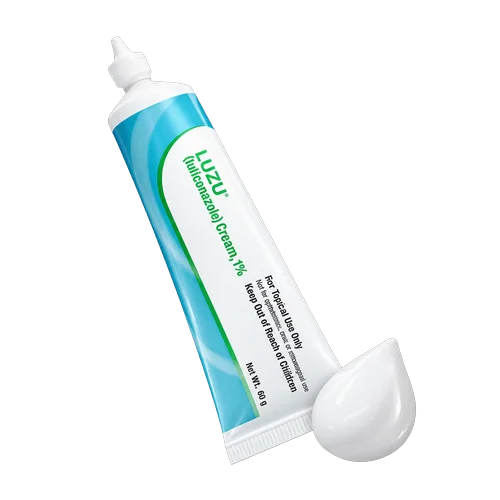
Luzu is supplied as a cream in tubes for topical use.

Apply the smallest amount that creates a light, even film. A thick, shiny layer does not improve the anti-inflammatory action and may increase absorption.

Dosage and administration

The amount and frequency of Luzu use depend on the purpose of treatment and are agreed with a doctor or pharmacist. Apply it only to the affected skin, using a thin film and gentle spreading motion.

  • Wash and dry the affected area before application.
  • Place a small amount on the fingertip.
  • Spread a thin, even layer over the inflamed skin.
  • Keep the cream away from the eyes and inside of the mouth.
  • Wash hands after application unless the hands are the treated area.
  • Avoid covering the area with plastic, tight dressings, or other occlusive material unless specifically directed.
  • Use the cream for the agreed treatment period rather than extending it because the rash remains slightly visible.

The fingertip-unit method helps estimate topical quantities. One fingertip unit is the amount of cream expressed from the fingertip to the first crease of an adult index finger. The amount needed varies with the body site and the size of the affected area.

If the hands are not being treated, washing them after application prevents accidental transfer to the eyes, lips, or another person’s skin.

Site-Specific Caution

The face, eyelids, groin, armpits, and skin folds require special care. These areas are thinner or more occluded, so dexamethasone may penetrate more readily. Prolonged use can cause visible changes sooner than treatment on thicker skin.

Do not apply Luzu to the eye or use it as an eye treatment. If the rash surrounds the eye, the treatment plan needs medical direction because corticosteroid exposure near the eye can create ocular risks.

Missed Application

Apply the missed dose when remembered unless the next scheduled application is close. In that situation, skip the missed application and return to the agreed schedule. Do not apply extra cream to compensate.

Reasons not to use it

  • Known allergy to dexamethasone or an ingredient in the cream.
  • Untreated bacterial, fungal, or viral infection at the application site.
  • Herpes-related lesions, chickenpox, or other viral eruptions.
  • Rosacea, acne, or perioral dermatitis unless specifically directed.
  • Application near the eyes without a clear treatment plan.
  • Extensive, broken, ulcerated, or heavily infected skin.
  • Prolonged use in infants or children without medical supervision.
  • Pregnancy or breastfeeding when treatment would cover a large area or continue for an extended period.

Topical interactions are usually limited, yet absorption can increase when Luzu is combined with occlusion, frequent washing that damages the skin barrier, or treatment of extensive areas. Tell the prescriber about other corticosteroids, immunosuppressants, and medicines that affect adrenal function.

Systemic corticosteroid exposure can interact with medicines that alter immune activity or cortisol regulation. The practical concern is greatest when topical treatment is prolonged or extensive.

When this is not for you

Luzu is not for you if the rash may be an untreated skin infection and the diagnosis has not been established. Corticosteroid suppression can reduce redness temporarily while allowing some infections to spread.

Possible side effects

Short courses are generally tolerated when Luzu is applied thinly to limited areas. Local problems become more likely with excessive quantity, frequent reapplication, prolonged treatment, large treated areas, damaged skin, or occlusion.

Side-effect category Possible effect Practical response
Local skin change Thinning, easy bruising, stretch marks, or visible small vessels Stop extending treatment and arrange clinical review
Irritation Burning, stinging, dryness, or worsening redness Reassess the diagnosis and application site
Infection-related Worsening of an untreated fungal, bacterial, or viral rash Prompt medical assessment is needed
Systemic absorption Adrenal suppression or other steroid effects with substantial exposure Risk rises with large areas, prolonged use, and occlusion

Skin atrophy means thinning of the skin. It can appear as increased fragility, fine wrinkling, or easy bruising. Striae are stretch marks that may become permanent.

Rare systemic effects are more relevant when potent corticosteroids are used for prolonged periods, over extensive areas, beneath occlusive dressings, or on broken skin. Children can absorb proportionally more topical corticosteroid because of their higher skin-surface-area-to-body-weight ratio.

A rash that becomes more painful, oozes, develops crusting, or spreads while using Luzu needs reassessment rather than a thicker layer. Those changes can indicate infection or an incorrect diagnosis.

Local Reactions

Mild stinging can occur soon after application, especially on cracked or inflamed skin. Persistent burning, marked swelling, hives, or sudden worsening suggests intolerance or contact allergy and requires the treatment plan to be reviewed.

The cream should not be used to cover acne, rosacea, or undiagnosed facial redness unless a clinician has specifically selected it for that condition. Steroids can aggravate some facial disorders.

Effects from Excessive Exposure

The hypothalamic–pituitary–adrenal axis is the body system that regulates cortisol production. With substantial corticosteroid absorption, this system can become suppressed. The risk is lower with a short course on a small area and higher with prolonged use over large or occluded areas.

Abruptly extending treatment after an unsatisfactory response is a common route to unnecessary exposure. A persistent rash needs diagnostic review, not automatic escalation.

Therapeutic indications

Luzu is intended for short-term management of steroid-responsive inflammatory dermatoses. These include selected cases of acute contact dermatitis, eczema flares, and localized inflammatory skin reactions when a clinician has identified a corticosteroid-responsive cause.

The expected benefit is symptom reduction rather than permanent removal of the tendency to develop eczema or irritation.

Skin problem Expected benefit Clinical response
Contact dermatitis Less redness, swelling, and itching Improvement may begin during the first several days
Eczema flare Reduced inflammation and scratching The flare should gradually become less active
Localized inflammatory reaction Calmer, less swollen skin Response depends on the trigger and treated site

Dexamethasone should not be used to disguise an undiagnosed rash for an extended period. Some infections and infestations can worsen when local immune activity is suppressed.

Short-Term Treatment Principles

Topical corticosteroids are selected by potency and body site. Thin facial skin, eyelids, genital skin, and skin folds absorb more medicine than thicker areas such as the palms or soles. Those locations need a shorter course or a different treatment plan.

Tachyphylaxis refers to a reduced visible response after repeated exposure. It is one reason clinicians reassess a rash that keeps returning instead of simply extending the same course.

Comparison

Treatment choice depends on the diagnosis, body site, severity, age, and previous response. Luzu provides corticosteroid anti-inflammatory activity, while other approaches may target the immune pathway differently or provide barrier support without direct steroid action.

Approach Main action Common clinical role
Luzu with dexamethasone Suppresses local inflammatory signalling Short-term control of steroid-responsive flares
Lower-potency topical corticosteroid Reduces inflammation with less local potency Sensitive areas or milder inflammation
Topical non-steroid anti-inflammatory Modulates immune activity without corticosteroid action Selected longer-term or steroid-sparing plans
Emollient barrier care Reduces water loss and supports the skin barrier Daily support between inflammatory flares

Luzu may act more quickly on marked inflammation than a moisturiser alone, yet it carries corticosteroid-specific risks if used too often or for too long. A lower-potency option may be preferable on the face or in children. A non-steroid approach may suit maintenance treatment in selected patients, but it may not calm a severe flare as quickly.

Common mistakes

Several practical errors reduce benefit and increase exposure:

  • Applying a thick layer because the skin feels intensely itchy.
  • Treating the entire limb when only a small patch is inflamed.
  • Continuing after the agreed course because mild colour change remains.
  • Covering the area with a waterproof dressing without clinical direction.
  • Applying the cream to the face, eyelids, groin, or folds as if these areas absorb medicine like thick skin.
  • Using Luzu on a rash that is spreading, oozing, or developing crusts without reassessment.
  • Sharing the tube with another person whose rash has a different cause.
  • Applying it immediately before washing the area, which removes much of the treatment.
  • Forgetting that moisturiser and corticosteroid application may need a short interval between them to avoid spreading the steroid beyond the intended site.

One overlooked detail is transfer. Cream on the fingers can reach the eyelids or lips during routine rubbing, so handwashing matters when the hands are not the treatment site.

Another is quantity. More cream does not produce proportionally more anti-inflammatory action. It mainly increases the chance of local adverse effects.

What doctors say

In clinical practice, the most useful prescription is often the shortest course that controls the flare. Doctors assess the site, severity, likely cause, and skin thickness before selecting a corticosteroid.

A dermatologist would usually expect visible improvement before complete restoration of the skin barrier. Moisturising care may remain necessary after inflammation settles because the tendency toward dryness can persist.

A recurring rash on the same site deserves a cause-focused review. The review should also consider the suspected trigger and treatment site. Irritants, allergens, friction, occupational exposure, and infection can all mimic eczema. Repeating corticosteroid treatment without examining the pattern can delay the correct diagnosis.

The WHO Model Formulary describes topical corticosteroids as site- and potency-sensitive treatments, which supports careful selection rather than routine use on every body area [2].

Keep a simple record of the treated site and the first application date. This makes it easier to recognise when a short course has quietly turned into repeated use.

Common questions

How much Luzu should I apply, where should it go, and should I wash my hands?

Apply a thin film to the affected skin using the amount agreed with your doctor or pharmacist. Spread it gently over the inflamed area rather than rubbing it into surrounding healthy skin. Wash your hands after application unless the hands are being treated, and do not cover the area with a dressing unless directed. Health Canada’s topical corticosteroid safety information remains relevant in 2026 because treated area, duration, and occlusion influence absorption.

How long does one Luzu application keep working?

One application is intended to provide local corticosteroid activity between applications scheduled for the specific skin condition. The interval depends on the severity and location of the inflammation, so use the frequency agreed with your doctor or pharmacist rather than reapplying whenever itching returns. Extra applications can increase exposure without improving the result. The EMA describes topical corticosteroid use as dependent on potency, site, and treatment duration in its dermatology guidance published before 2026.

How soon should Luzu start reducing inflammation?

Itching and redness may begin to improve during the first several days, although the timing varies with the cause, severity, and body site. A rash that continues to spread, becomes painful, or develops discharge needs reassessment instead of prolonged treatment. Improvement in appearance does not prove that an infection has been treated. The WHO’s dermatological medicine guidance, referenced in clinical practice in 2026, supports reviewing an inadequate response rather than escalating topical steroid exposure without a diagnosis.

Can Luzu be used with other medicines or supplements?

Tell your doctor or pharmacist about other topical corticosteroids, oral steroids, immunosuppressive medicines, and supplements that may affect immune function. Interaction risk is greatest when Luzu is used over large areas, beneath occlusion, or for a long period because more dexamethasone may enter the circulation. Keep separate treatment plans clear so two steroid products are not unintentionally applied to the same site. Health Canada’s 2025 safety information evaluates topical corticosteroid precautions in relation to exposure, application site, and duration.

Which concrete condition rules out Luzu?

An untreated fungal skin infection is a clear reason not to use Luzu without clinical direction, because corticosteroid suppression can mask symptoms while the infection progresses. The same concern applies to some bacterial and viral skin infections. A spreading, ring-shaped, crusted, blistering, or rapidly painful rash needs diagnosis before corticosteroid treatment is continued. The EMA’s 2004 dermatology guideline identifies infection at the treatment site as a key contraindication consideration for topical corticosteroids.

Can I drive, concentrate, or operate machinery after applying Luzu?

Luzu is applied to the skin and does not usually impair alertness, coordination, or concentration. Driving and machinery work are generally compatible with treatment when the cream is used as directed. Take care if the treated area is on the hands, feet, or another site where greasiness could affect grip or equipment handling. The WHO’s 2009 medicine-use principles support considering the route of administration and local practical effects when assessing daily activities.

Do you offer anonymous delivery?

Your order will be securely packed and shipped within 24 hours. This is exactly what your package will look like (images of an actual item sent). It has the size and look of a regular private letter (24x11x0.7 cm) and its contents cannot be seen.

Comparison

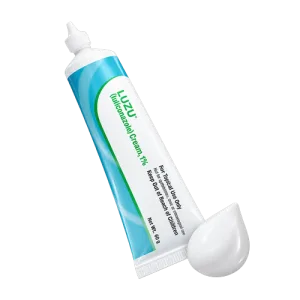
Luzu Current

Active ingredient: Luliconazole
1%
From $ 145.53
tubes
4 (4)

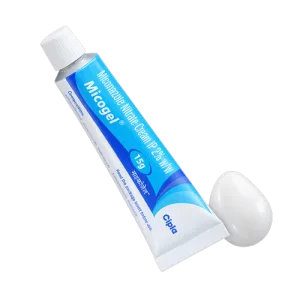
Micogel

Active ingredient: Miconazole
2%
From $ 116.13
tubes
3.9 (4)

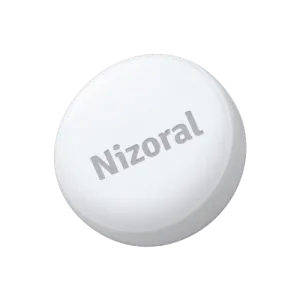
Nizoral

Active ingredient: Ketoconazole
200mg
From $ 141.12
pills
3.6 (5)

Comparison table: Antifungals

Sources

  1. American Academy of Dermatology Association (2021). Guidelines of care for the management of atopic dermatitis.
  2. World Health Organization (2009). WHO Model Formulary 2008.

How Buyers Rate Luzu

Based on 4 reviews

Daniel F., 66 Verified
Rating: 5 out of 5

I used Luzu on a small eczema flare on my forearm for the period agreed for me. The redness settled and the itching stopped interfering with sleep. The tube was easy to use because a small amount spread across the patch.

Fredericton The period agreed for me Oct 15, 2026
Adam, 60 Verified
Rating: 3 out of 5

Luzu calmed the irritation on my hands, but the improvement was slower than I expected. I noticed mild dryness around the treated area, so I used less cream and paid closer attention to keeping it away from healthy skin.

Calgary Oct 23, 2026
Jonathan, 40 Verified
Rating: 4 out of 5

A short course made a clear difference to an inflamed patch near my ankle. The itching eased first, followed by the redness. I found that applying a thin film worked better than putting on a heavy coating.

Hamilton A short course Oct 29, 2026
Stuart, 49 Verified
Rating: 4 out of 5

Luzu helped settle a flare that had been distracting me during work. The cream spread easily and the treated skin looked calmer after several applications. I kept the application limited to the affected area.

Saint John Nov 10, 2026
Get our free app Shop faster and track your orders 4.0 · 402 reviews Install