Skip to content
contact@fairviewphysiotheraapy.com
Fast & Discrete Delivery Save up to 80%
In stock Micogel
Antifungals

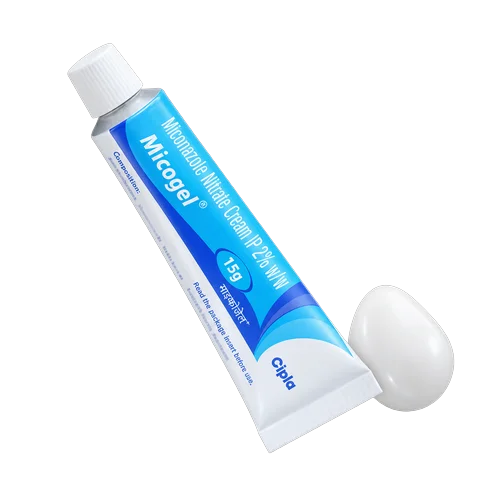
Micogel

Miconazole nitrate, the active ingredient of Micogel, is a topical imidazole antifungal for common fungal infections of the skin. Micogel gel is used for conditions such as ringworm and athlete’s…

Guaranteed quality Original product
Delivery: from 4 days Discreet shipping
24/7 Support Always available
Active ingredient: Miconazole
Select pack Package Per unit Price
$ 116.13 $ 116.13
$ 59.54 $ 232.26 $ 119.07 Save 49%
$ 41.16 $ 348.39 $ 123.48 Save 65%
$ 36.02 $ 464.52 $ 144.06 Save 69%
Best value $ 34.69 $ 580.65 $ 173.46 Save 70%

Free delivery on orders from $ 294.00, free express delivery from $ 441.00

Secure payment methods:
VISA AMEX JCB DISCOVER

Miconazole nitrate, the active ingredient of Micogel, is a topical imidazole antifungal for common fungal infections of the skin. Micogel gel is used for conditions such as ringworm and athlete’s foot by disrupting fungal cell-membrane formation and stopping the infection from spreading.

Overview

Micogel contains miconazole nitrate 2% w/w in a topical gel formulation. Miconazole belongs to the imidazole class of antifungal medicines. The gel is applied to affected skin rather than taken by mouth.

How it affects the body

Miconazole blocks fungal cytochrome P450 enzymes involved in producing ergosterol. Ergosterol is a structural component of the fungal cell membrane. When its production is disrupted, the membrane becomes unstable and fungal growth is inhibited [1].

Miconazole acts against dermatophytes and some yeasts responsible for superficial skin infections. Dermatophytes feed on keratin found in the outer skin, hair, and nails.

The medicine works locally, so systemic exposure is generally much lower than with oral antifungal treatment, though irritation or allergy can still occur [2].

Formulation

Micogel contains miconazole nitrate 2% w/w in a topical gel formulation. Miconazole belongs to the imidazole class of antifungal medicines. The gel is applied to affected skin rather than taken by mouth.

Apply the gel to clean, fully dried skin. Moisture between the toes, in skin folds, or beneath tight clothing can prolong fungal growth.

A topical antifungal works at the skin surface. It does not treat every itchy rash. Eczema, psoriasis, contact dermatitis, bacterial infection, and some inflammatory conditions can look similar to ringworm, so persistent or atypical symptoms need clinical assessment.

Dosage and administration

The amount and frequency of Micogel are decided individually, taking age, other medicines, and health conditions into account. It is intended for external use on affected skin.

Typical administration principles include:

  • Apply a thin, even layer to clean, dry affected skin.
  • Include the surrounding margin of the rash when directed by the prescriber.
  • Wash hands before and after application, unless the hands are the treatment area.
  • Keep the gel away from the eyes, mouth, and other sensitive mucosal surfaces.
  • Continue for the duration selected for the diagnosed infection, even if itching improves earlier.
  • Do not cover the area with an airtight dressing unless a clinician specifically directs this.
  • If an application is missed, apply it when remembered unless the next scheduled application is close. Do not apply extra gel to compensate.

Do not use the gel on deep wounds, severe burns, or extensively broken skin without medical direction. Avoid sharing towels, footwear, clothing, or personal grooming items during treatment because fungi can spread through contaminated materials.

The gel may feel cool or slightly tacky after application. That sensation does not show whether the fungus has cleared. Improvement is better judged by reduced expansion, scaling, and itch over time.

Reasons not to use it

Micogel is contraindicated in people with a previous allergic reaction to miconazole, related imidazole antifungals, or an ingredient in the gel. Medical review is required when the rash involves the eyes, mouth, genitals, nails, scalp, or large areas of broken skin.

Warfarin and other coumarin anticoagulants: topical miconazole has been associated with increased anticoagulant effects in some circumstances. Unusual bruising, nosebleeds, blood in urine, or prolonged bleeding needs prompt medical attention.

Pregnancy and breastfeeding require individualized advice.

When this is not for you

Micogel is NOT for you if you have had a previous allergic reaction to miconazole, related imidazole antifungals, or an ingredient in the gel. It also requires medical review when the rash involves the eyes, mouth, genitals, nails, scalp, or large areas of broken skin.

Tell the prescriber if you take warfarin. Other topical products, corticosteroid creams, and products containing fragrances or preservatives can also increase irritation or mask the infection.

Avoid applying the gel to the nipple immediately before breastfeeding because an infant could ingest it. The treated area should be cleaned appropriately before feeding.

Possible side effects

The most common problems with topical miconazole are local reactions. These can include burning, stinging, redness, itching, dryness, irritation, or peeling at the application site. Mild symptoms may settle as the skin adjusts, but worsening discomfort deserves review.

Stop applying the gel and seek urgent medical help for facial swelling, widespread hives, breathing difficulty, blistering, or rapidly progressive skin peeling. These symptoms can indicate a significant allergic or severe skin reaction.

A small amount of irritation can result from the infection itself, friction, sweat, or damaged skin rather than the medicine. The timing matters: irritation that begins immediately after every application and spreads beyond the treated area is more suspicious for contact dermatitis.

Do not apply more often to speed recovery. Extra applications can increase irritation without making the antifungal action faster.

Avoid getting Micogel into the eyes. If accidental eye exposure occurs, rinse with clean water and obtain medical advice if pain, blurred vision, or persistent redness follows.

Therapeutic indications

Micogel may be used for superficial infections affecting intact skin, including:

  • Tinea corporis, commonly called ringworm of the body. It can form an expanding, scaly, itchy patch with a more active outer edge.
  • Tinea pedis, commonly called athlete’s foot. It often causes scaling, cracking, burning, or itching between the toes or across the soles.
  • Tinea cruris, a fungal infection affecting the groin and inner thighs.
  • Cutaneous candidiasis, where Candida affects warm, moist skin folds.
  • Pityriasis versicolor, in selected cases when the causative yeast is susceptible to miconazole.

Ringworm is not caused by a worm. It is a dermatophyte infection. Scratching can damage the skin and create an entry point for bacteria, which may produce increasing pain, warmth, swelling, or discharge.

Treating only the most visible patch can be a mistake. Fungal infection may extend slightly beyond the obvious border, so the prescribed application area should include the surrounding affected skin.

Comparison

The choice of topical antifungal depends on the suspected organism, infection site, skin condition, treatment history, and likelihood of adherence.

Treatment category Pharmacological action Typical clinical role
Imidazole antifungals Reduce ergosterol production in fungal cells Ringworm, athlete’s foot, groin infection, and some yeast infections
Allylamine antifungals Block an earlier step in ergosterol synthesis Many dermatophyte infections, including tinea of the feet and body
Topical antifungal combinations Pair an antifungal with another active ingredient Selected cases when a specific additional indication is present

Miconazole is useful when an imidazole is suitable for the suspected organism. An allylamine may be selected for some dermatophyte infections, while combination products require more careful assessment because the additional ingredient can change the risk profile.

Topical corticosteroids deserve special caution. They may reduce redness and itch quickly while allowing an undiagnosed fungal infection to spread or become harder to recognize. This altered appearance is sometimes called tinea incognito.

Common mistakes

Several habits reduce the chance of clearing a fungal infection:

  • Stopping as soon as itching decreases.
  • Applying the gel to damp skin.
  • Using a thick layer that remains wet and rubs off onto clothing.
  • Covering the area tightly without clinical direction.
  • Sharing towels, socks, shoes, or sports equipment.
  • Wearing the same unwashed footwear repeatedly.
  • Applying a steroid cream alone to a suspected fungal rash.
  • Treating the rash while ignoring persistent moisture between the toes.
  • Using the product on an undiagnosed rash for weeks without reassessment.
  • Applying it to the eyes or inside the mouth.

Keep feet dry after washing, change damp socks promptly, and allow footwear to dry fully between uses. These measures reduce reinoculation from the surrounding environment, though they do not replace the antifungal course.

One easy detail to miss is the treatment surface. The spaces between toes often remain moist after bathing, so drying them carefully before application can make daily treatment more practical.

What doctors say

In clinical practice, physicians focus first on whether the rash is truly fungal. A circular border alone does not prove ringworm. The distribution, scaling pattern, exposure history, and response to treatment all contribute to the assessment.

A general physician can manage many uncomplicated cases of athlete’s foot or limited ringworm. A dermatologist is more appropriate when the infection is widespread, repeatedly returns, affects the face or nails, or fails to improve during the planned treatment period.

Medical review is also sensible for people with diabetes, reduced immunity, poor circulation, or extensive skin disease. These conditions can make skin damage more serious and may change the treatment plan.

The European Medicines Agency describes topical antifungal treatment as a local approach for susceptible superficial infections, while more extensive disease may require another strategy [3]. The practical clinical point is simple: a non-improving rash should be reassessed rather than treated indefinitely with the same product.

Common questions

Can I go into the sun while using Micogel?

Miconazole gel is not generally associated with the classic severe sun-sensitivity reaction linked to some other medicines. Health Canada information from 2015 supports protecting irritated skin from excessive sunlight because inflamed skin can burn and become more uncomfortable [4]. Cover the affected area with loose clothing when practical, and stop exposure if burning or marked redness develops.

Can I drive, concentrate, or operate machinery while using Micogel?

Topical Micogel is not expected to impair alertness, concentration, coordination, or reaction time because it is applied to the skin. The WHO's 2007 Model Formulary for Children describes topical antifungal treatment as a local therapy rather than a sedating treatment [5]. Driving and machinery work may still be affected by severe pain, extensive skin discomfort, or an unrelated medicine taken at the same time.

Do diet, exercise, or daily habits affect the result?

Diet does not usually determine whether topical miconazole clears a localized fungal infection. Health Canada's 2024 patient information supports practical measures such as keeping affected skin clean and dry, changing damp clothing, and avoiding shared towels . Exercise is compatible with treatment, but sweaty footwear, tight clothing, and prolonged moisture can encourage persistence around the feet, groin, or skin folds.

Can I drink alcohol while using Micogel?

Alcohol does not have a recognised direct interaction with topical miconazole comparable to the interaction concerns seen with some oral medicines. The EMA's 2019 topical antifungal product information focuses on local application, skin reactions, and accidental exposure rather than alcohol-related impairment . Alcohol can still affect judgment, increase scratching or missed applications, and interact with other medicines being taken at the same time.

Can Micogel be combined with warfarin or other medicines?

Warfarin deserves specific caution because miconazole has been associated with increased anticoagulant effects, including with topical use in susceptible situations. Health Canada's 2015 safety information identifies anticoagulant monitoring as relevant when miconazole and coumarin medicines are used together . Do not change warfarin yourself; report unusual bruising, bleeding, dark stools, or persistent nosebleeds promptly.

What should I do after a missed application?

Apply Micogel when you remember unless the next planned application is close. The WHO's 2009 Model Formulary advises avoiding a doubled topical dose after a missed application because extra product can increase irritation without restoring the schedule . Resume the individualized frequency selected for your age, health conditions, and other medicines.

Do you offer anonymous delivery?

Your order will be securely packed and shipped within 24 hours. This is exactly what your package will look like (images of an actual item sent). It has the size and look of a regular private letter (24x11x0.7 cm) and its contents cannot be seen.

Comparison

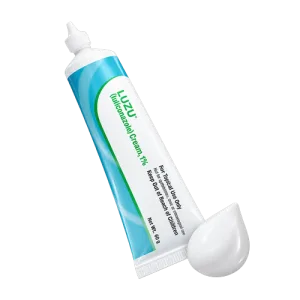
Luzu

Active ingredient: Luliconazole
1%
From $ 145.53
tubes
4 (4)

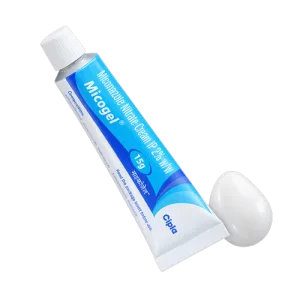
Micogel Current

Active ingredient: Miconazole
2%
From $ 116.13
tubes
3.9 (4)

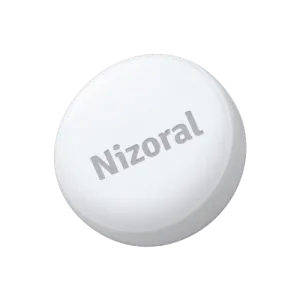
Nizoral

Active ingredient: Ketoconazole
200mg
From $ 141.12
pills
3.6 (5)

Comparison table: Antifungals

Sources

  1. World Health Organization (2009). WHO Model Formulary 2008.
  2. Health Canada (2024). Drug Product Database: Miconazole nitrate topical products.
  3. European Medicines Agency (2019). Summary of Product Characteristics (SmPC) — miconazole-containing topical products
  4. Health Canada (2015). Miconazole and interaction with warfarin: safety information.
  5. World Health Organization (2007). WHO Model Formulary for Children.

How Buyers Rate Micogel

Based on 4 reviews

Colin Z., 68 Verified
Rating: 2 out of 5

I used Micogel for a scaly patch on my lower leg for several weeks. The itching became more noticeable after application, and the rash did not improve, so I stopped and arranged a medical assessment. It turned out that the problem needed a different approach.

Victoria Several weeks Nov 11, 2026
Sophie, 68 Verified
Rating: 5 out of 5

I applied Micogel to athlete’s foot as directed and kept my feet dry during the treatment. The burning and scaling settled gradually, and walking was much more comfortable after the first couple of weeks.

Lethbridge The first couple of weeks Oct 14, 2026
Ellie, 53 Verified
Rating: 4 out of 5

I used the gel for a ring-shaped rash on my side. The edge stopped spreading first, then the redness faded. It took patience, but the change was clear by the end of the treatment period.

Saint John The treatment period Oct 30, 2026
Susan, 46 Verified
Rating: 4.5 out of 5

Micogel was convenient for a small fungal patch because it dried fairly quickly under loose clothing. I washed my hands after each application and avoided scratching, which helped prevent the area from becoming sore.

Nanaimo Oct 22, 2026
Get our free app Shop faster and track your orders 4.0 · 393 reviews Install