Skip to content
contact@fairviewphysiotheraapy.com
Fast & Discrete Delivery Save up to 80%
In stock Tizanidine
Muscle Relaxants

Tizanidine

Tizanidine is intended for adults with painful muscle spasticity linked to neurological conditions such as multiple sclerosis or spinal cord injury. Tizanidine tablets reduce excessive muscle tone by…

Guaranteed quality Original product
Delivery: from 4 days Discreet shipping
24/7 Support Always available
Active ingredient: Tizanidine
Select pack Package Per unit Price
$ 4.31 $ 129.36
$ 3.70 $ 258.72 $ 221.97 Save 14%
Best value Free Regular Delivery $ 3.50 $ 388.08 $ 314.58 Save 19%

Free delivery on orders from $ 294.00, free express delivery from $ 441.00

Secure payment methods:
VISA AMEX JCB DISCOVER

Tizanidine is intended for adults with painful muscle spasticity linked to neurological conditions such as multiple sclerosis or spinal cord injury. Tizanidine tablets reduce excessive muscle tone by dampening nerve signalling in the central nervous system.

Overview

Tizanidine is a centrally acting muscle relaxant. Its active substance is tizanidine hydrochloride, also written as Tizanidine HCl.

How it affects the body

It acts mainly on alpha-2 adrenergic receptors in the central nervous system, reducing the release of excitatory signals that keep muscles tense.

The result is lower muscle tone and fewer involuntary spasms. Unlike a peripheral muscle relaxant, tizanidine works through spinal and brain pathways rather than directly relaxing muscle fibres. The pharmacological action and prescribing precautions are described in the FDA prescribing information for tizanidine [1].

Formulation

Active Ingredient and Tablet Form

Tizanidine is supplied as oral pills or tablets. The active ingredient is tizanidine hydrochloride.

Dosage and administration

The regimen for the selected tablet strength should be confirmed with a healthcare professional before starting. Tizanidine is taken by mouth according to the prescribed schedule, with attention to consistent timing and the food instructions provided for the individual prescription.

Key administration points include:

  • Take the prescribed amount at the prescribed frequency.
  • Use the same relationship to meals each day because food can alter tizanidine absorption.
  • Do not take extra tablets to compensate for a missed dose.
  • If a dose is missed, take the next scheduled dose unless the prescriber has given different instructions.
  • Avoid sudden repeated changes in dosing, especially after regular use.
  • Do not stop long-term treatment abruptly without a planned reduction.

Abrupt discontinuation after prolonged or higher-dose use can cause rebound high blood pressure, fast heartbeat, and increased muscle tightness. A gradual reduction is used when stopping is clinically appropriate.

Food consistency matters with tizanidine. Taking it with food on some days and without food on others can change the amount absorbed and make sedation or muscle relaxation feel less predictable.

The tablet should be swallowed as prescribed. Do not crush, chew, or split it unless the dispensing instructions specifically allow that form of use. A modified-release product requires different handling from an immediate-release tablet.

Tizanidine can impair coordination even when the person does not feel heavily sedated. The first few doses should be treated cautiously, especially when getting up at night.

Reasons not to use it

Tizanidine must not be combined with ciprofloxacin or fluvoxamine. These medicines can substantially increase tizanidine exposure and raise the risk of severe low blood pressure, excessive sedation, and slow heart rate. The Health Canada product information identifies these interactions as clinically significant [2].

The prescriber should also know about kidney disease, liver disease, low blood pressure, slow heart rate, pregnancy, breastfeeding, and a history of falls. Kidney impairment can slow elimination and may require cautious dose adjustment. Liver impairment can also increase exposure and adverse effects.

When this is not for you

Tizanidine is not suitable for everyone. This medication is not for you if you:

  • Take ciprofloxacin.
  • Take fluvoxamine.
  • Have had a serious allergic reaction to tizanidine.
  • Have severe liver disease unless a specialist has specifically assessed treatment.
  • Have a history of significant low blood pressure or fainting that could worsen with treatment.
  • Use several sedating medicines without a prescriber reviewing the combination.
  • Need to drive, climb, or operate machinery during periods when the medicine causes impaired alertness.

Tizanidine should not be combined casually with alcohol. The combination can worsen sedation, dizziness, and blood-pressure lowering. Avoiding grapefruit products may also be advised because grapefruit can affect enzymes involved in tizanidine metabolism.

A planned treatment review is needed if muscle weakness becomes worse than the original spasticity. Excessive relaxation can make transfers, walking, or posture more difficult.

Possible side effects

The most familiar adverse effects are drowsiness, somnolence, dizziness, dry mouth, weakness, and fatigue. These effects reflect the medicine’s central action and may be more pronounced after starting treatment or increasing the prescribed amount.

Common practical problems include:

  • Feeling sleepy during the day.
  • Dizziness when standing.
  • Reduced concentration or slower reactions.
  • Dry mouth.
  • General weakness.
  • Nausea or stomach discomfort.
  • Constipation.
  • Headache.

The likelihood of dizziness and sedation rises when tizanidine is combined with alcohol, opioids, benzodiazepines, sleep medicines, or other sedatives. Older adults may be more vulnerable to falls because reduced blood pressure and slower reactions can occur together.

Liver injury is uncommon but clinically important. Symptoms such as yellowing of the skin or eyes, unusually dark urine, persistent nausea, severe itching, or pain under the right ribs require prompt medical assessment. Liver enzyme testing may be used during treatment when the clinical situation warrants it.

Rare but serious reactions can include fainting, severe hypotension, slow heartbeat, hallucinations, or serious allergic reactions. Swelling of the face or throat and difficulty breathing require urgent care.

One detail patients often miss is that the absence of a strong sedated feeling does not prove that reaction time is normal. Tizanidine can still affect driving ability and balance.

Therapeutic indications

Tizanidine is used to reduce muscle spasticity, painful spasms, and increased muscle tone. Spasticity is a condition in which muscles remain abnormally tight because nerve signals between the brain, spinal cord, and muscles become overactive.

Common clinical situations include:

  • Spasticity associated with multiple sclerosis.
  • Muscle stiffness after spinal cord injury.
  • Painful spasms linked to neurological disease.
  • Increased muscle tone that interferes with walking, transfers, sleep, hygiene, or physiotherapy.
  • Short periods of severe muscle tightness when a centrally acting treatment is appropriate.

Neurologists, rehabilitation physicians, and other prescribers may use tizanidine when reducing muscle tone could improve movement or make stretching and physical therapy easier. The medicine does not repair the underlying nerve injury. It reduces the excessive signalling that contributes to stiffness.

For some people, lower muscle tone improves comfort and mobility. For others, too much relaxation can weaken the muscles needed for standing or walking. This balance is assessed during dose adjustment.

Tizanidine is not a general painkiller. It may ease pain caused by muscle spasm, yet it does not treat every type of back pain, joint pain, or nerve pain.

Comparison

Tizanidine, clonidine, and some sedative medicines influence central nervous system pathways, but they are not interchangeable. Tizanidine is used mainly to reduce spasticity. Clonidine is used mainly for conditions involving blood pressure, sympathetic activity, or selected withdrawal syndromes. Benzodiazepines enhance gamma-aminobutyric acid activity and may relax muscles through a different mechanism.

Treatment category Main pharmacological role Main concern when combined with tizanidine
Tizanidine Central reduction of muscle tone Sleepiness, dizziness, low blood pressure
Clonidine or other blood-pressure-lowering agents Reduced sympathetic activity and blood pressure Additive hypotension, fainting, slow pulse
Benzodiazepines and other sedatives Increased inhibitory signalling in the brain Additive sedation, impaired coordination, breathing risk

Alcohol can intensify tizanidine-related drowsiness and reduce alertness. Opioids, sleep medicines, sedating antihistamines, benzodiazepines, and other central nervous system depressants may produce a similar additive effect.

Other medicines can also affect treatment. Blood-pressure medicines may increase dizziness or fainting. Oral contraceptives may raise tizanidine concentrations in some patients. Liver enzyme inhibitors and medicines that affect CYP1A2 can alter how quickly tizanidine is cleared.

Give the prescriber a complete list of medicines that cause sleepiness, including sleep aids, opioid pain medicines, sedating allergy tablets, and cannabis products. The combination matters more than any single product considered alone.

Common mistakes

Several routine mistakes can make tizanidine seem ineffective or overly strong:

  • Taking it at changing times in relation to meals.
  • Adding alcohol to a dose that already causes sleepiness.
  • Taking an extra tablet after a missed dose.
  • Stopping suddenly after regular use.
  • Driving before the person knows how the medicine affects balance and reaction time.
  • Combining it with a sleeping tablet without checking for additive sedation.
  • Assuming that a stronger feeling of relaxation means better treatment.
  • Failing to mention over-the-counter sedating antihistamines.
  • Ignoring repeated dizziness or near-fainting.
  • Changing the schedule without recording when spasms occur.
A simple symptom record can help: write down the dose time, meal timing, spasm severity, sleepiness, dizziness, and ability to walk or transfer. This gives the prescriber useful information without relying on memory.

Another common error is judging treatment only by pain. Tizanidine may reduce painful spasms while leaving the underlying neurological pain unchanged. A clear treatment goal makes the response easier to evaluate.

Do not use another person’s tablets for a sudden muscle spasm. Tizanidine can lower blood pressure and interact with medicines that appear unrelated to muscle treatment.

What doctors say

In clinical practice, doctors usually assess function rather than muscle tightness alone. A lower muscle tone is useful only when it improves comfort, movement, sleep, hygiene, or rehabilitation.

A neurologist may describe the aim this way: reduce the spasm enough to improve daily activity without removing the muscle strength needed for balance. That is why treatment often begins cautiously and changes in stages.

The response may vary during the day. Some patients need the greatest effect during the evening because spasms interfere with sleep. Others need symptom control before physiotherapy or transfers. The treatment schedule should match the functional problem rather than follow an improvised pattern.

Medical review is also important when the underlying neurological condition changes. A sudden increase in spasticity can reflect infection, constipation, pain, pressure injury, urinary problems, or progression of the neurological disorder. Increasing tizanidine alone may hide the trigger.

The WHO Anatomical Therapeutic Chemical classification places tizanidine among centrally acting muscle relaxants, while Health Canada and the EMA describe sedation, hypotension, liver effects, and interaction risks as key prescribing considerations [3].

Common questions

How long does one dose of Tizanidine keep working?

A single dose commonly produces muscle-relaxing effects for several hours, although the duration varies with metabolism, liver function, kidney function, food timing, and the prescribed regimen. The short-acting profile is one reason clinicians may use scheduled doses around periods of worse spasticity. FDA prescribing information reviewed in 2022 describes tizanidine as a short-acting central muscle relaxant with dose-related sedation and blood-pressure effects . Do not repeat a dose early because the first effect seems limited.

What should be discussed with a doctor before starting Tizanidine?

Before treatment, discuss liver disease, kidney disease, low blood pressure, fainting, slow heartbeat, pregnancy, breastfeeding, and any history of falls. Provide a complete list of prescription medicines, non-prescription products, alcohol use, and sedating substances. Health Canada safety information from 2020 identifies ciprofloxacin and fluvoxamine as combinations that should not be used with tizanidine . The discussion should also cover driving, work at heights, and the practical time of day when spasms cause the most difficulty.

Can Tizanidine be used by people under 18?

Use in people under 18 requires individual medical assessment because paediatric dosing, neurological diagnosis, body size, liver function, and sedation risk differ from adult treatment. Tizanidine is not a suitable self-treatment for a child with an unexplained muscle spasm. A 2021 WHO medicines-safety review emphasises that age-appropriate dosing and monitoring are essential when centrally acting medicines are used in younger patients . A paediatric specialist should determine whether the potential functional benefit outweighs sleepiness, weakness, and low blood pressure.

How does Tizanidine differ from clonidine?

Tizanidine and clonidine both act on alpha-2 adrenergic pathways, but their usual therapeutic purposes differ. Tizanidine is used mainly to reduce muscle spasticity, whereas clonidine is used mainly for blood-pressure and sympathetic-activity indications. The FDA prescribing information from 2022 describes alpha-2 agonism as a mechanism that can reduce central nerve signalling, while clinical effects depend on the medicine and treatment goal [1]. Combining the two can increase dizziness, low blood pressure, and sedation.

Which condition rules out Tizanidine?

Concurrent treatment with ciprofloxacin or fluvoxamine rules out tizanidine because these medicines can sharply increase tizanidine exposure. A serious previous allergic reaction to tizanidine also rules it out. Severe liver disease, repeated fainting, or marked low blood pressure may make treatment unsuitable unless a specialist establishes a safer plan. The FDA prescribing information from 2022 lists these interaction and safety restrictions among its core safety information.

Do you offer anonymous delivery?

Your order will be securely packed and shipped within 24 hours. This is exactly what your package will look like (images of an actual item sent). It has the size and look of a regular private letter (24x11x0.7 cm) and its contents cannot be seen.

Comparison

Lioresal

Active ingredient: Baclofen
10mg 25mg
From $ 148.47
pills
4.3 (3)

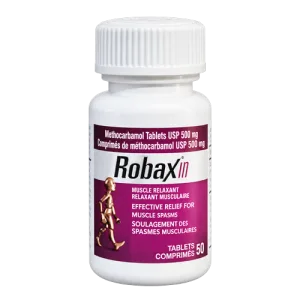
Robaxin

Active ingredient: Methocarbamol
500mg
From $ 157.29
pills
4 (3)

Skelaxin

Active ingredient: Metaxalone
400mg
From $ 157.29
pills
3.8 (3)

Tizanidine Current

Active ingredient: Tizanidine
2mg
From $ 129.36
pills
3.8 (3)

Comparison table: Muscle Relaxants

Sources

  1. U.S. Food and Drug Administration (2022). Zanaflex (tizanidine hydrochloride) Prescribing Information.
  2. Health Canada (2020). Product Monograph: Tizanidine Hydrochloride.
  3. World Health Organization (2021). WHO Model Formulary for Children.

How Buyers Rate Tizanidine

Based on 3 reviews

John V., 34 Verified
Rating: 4 out of 5

I used tizanidine for evening spasms related to a neurological condition. After the first couple of weeks, my legs loosened enough for me to stretch and sleep without waking as often. The tablets were easy to take and the improvement was clear in my nighttime routine.

London After the first couple of weeks Nov 8, 2026
Luke N., 37 Verified
Rating: 3 out of 5

Tizanidine reduced the tightness in my back and legs, especially in the evening. I felt sleepy after some doses, so I had to plan around work and driving. The benefit was real, but the timing mattered more than I expected.

Regina Oct 11, 2026
Simon, 64 Verified
Rating: 4.5 out of 5

The tablets helped with spasms that made getting out of bed difficult. I noticed better control during the day and could manage my exercises more comfortably. I was satisfied with the change because the goal was easier movement, not complete removal of every symptom.

Charlottetown Oct 25, 2026
Get our free app Shop faster and track your orders 4.0 · 402 reviews Install