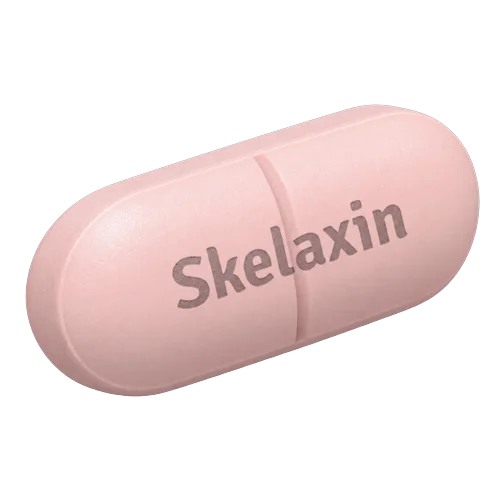
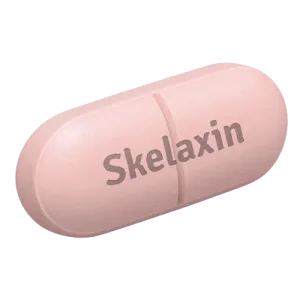
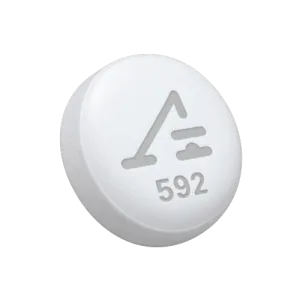
I used Skelaxin tablets for a lower-back strain and noticed that moving from a chair became easier after the first few days. I was able to sleep in a more normal position and complete the stretching exercises I had been given. The improvement felt practical rather than dramatic, which suited me.
Thunder Bay After the first few days Nov 6, 2026
Skelaxin
Metaxalone, the active ingredient of Skelaxin, is a centrally acting skeletal muscle relaxant for adults with acute, painful musculoskeletal conditions. Skelaxin is used with rest and physical…
Metaxalone, the active ingredient of Skelaxin, is a centrally acting skeletal muscle relaxant for adults with acute, painful musculoskeletal conditions. Skelaxin is used with rest and physical therapy for muscle spasms linked to strains, sprains, and back or neck injuries.
Overview
Skelaxin tablets contain metaxalone, a centrally acting skeletal muscle relaxant. Its precise clinical mechanism is not fully established, but metaxalone reduces activity in pathways within the central nervous system that contribute to painful muscle spasm.
How it affects the body
Metaxalone acts primarily within the central nervous system to reduce neural activity involved in painful muscle spasm. It does not directly relax skeletal muscle by blocking transmission at the nerve–muscle junction.
Formulation
Skelaxin tablets contain metaxalone, a centrally acting skeletal muscle relaxant. Its precise clinical mechanism is not fully established, but metaxalone reduces activity in pathways within the central nervous system that contribute to painful muscle spasm. It does not produce muscle relaxation by directly blocking the nerve–muscle junction.
The intended use is short-term relief as part of a broader treatment plan. Rest, gradual movement, physical therapy, and treatment of the underlying strain remain important components of recovery. The FDA prescribing information describes metaxalone as an adjunct to rest and physical therapy for acute, painful musculoskeletal conditions [1].
Indications for Acute Musculoskeletal Conditions
Skelaxin may be prescribed for painful muscle spasm associated with conditions such as:
- Lower-back strain
- Neck strain
- Sprains and other soft-tissue injuries
- Acute muscle tightness after physical exertion
- Painful limitation of movement caused by muscle spasm
It treats the muscle-spasm component of these conditions. It does not repair a torn ligament, reverse a spinal disorder, or replace rehabilitation.
Dosage and administration
The dose is decided individually, taking age, other medicines, and health conditions into account. Skelaxin is taken orally as tablets, with the frequency and duration selected for the specific injury and clinical situation.
Prescribers usually limit treatment to the shortest period that provides useful relief. Acute muscle injuries often improve over days to a few weeks when medication is combined with movement advice and physical therapy. A longer course requires a fresh review of the diagnosis, response, alertness, liver function, and other medicines.
Practical administration points include:
- Take each dose at the prescribed time.
- Swallow the tablet with water.
- Do not take extra tablets to compensate for a missed dose.
- If a missed dose is remembered near the next scheduled dose, skip it rather than doubling.
- Avoid alcohol during treatment because sedation can become stronger.
- Do not drive until your response is predictable.
Food can affect how quickly some people notice the medicine, and a substantial meal may change the timing of absorption. Use the same relationship with meals from dose to dose unless the prescriber gives different instructions.
Reasons not to use it
Severe hepatic impairment and severe renal impairment are major reasons to avoid metaxalone because reduced clearance can increase exposure and intensify adverse effects.
Skelaxin should not be used when there is:
- A known allergy to metaxalone or an excipient in the tablet
- Severe liver disease or severe hepatic impairment
- Severe kidney disease or severe renal impairment
- A previous serious reaction to metaxalone
When this is not for you
Skelaxin is not appropriate for every person with muscle pain. Extra caution is needed with a history of liver disease, kidney impairment, seizure disorders, respiratory disease, falls, or pronounced sensitivity to sedating medicines. Pregnancy and breastfeeding also require an individual risk assessment because treatment decisions depend on the clinical situation and available alternatives.
Liver symptoms should not be ignored. Yellow eyes, dark urine, pale stools, persistent vomiting, or unusual right-upper-abdominal discomfort require prompt medical evaluation.
Possible side effects
The most relevant tolerability concerns are central nervous system effects. Drowsiness, dizziness, headache, and nausea are reported adverse reactions associated with metaxalone. The FDA prescribing information describes these reactions as clinically relevant considerations when assessing treatment [1].
Common Effects
Possible effects include:
- Drowsiness or reduced alertness
- Dizziness or light-headedness
- Headache
- Nausea or stomach discomfort
- Irritability or nervousness
- Blurred vision
- Coordination difficulties
These effects can be more noticeable during the first doses, after a dose increase, or when Skelaxin is combined with another sedating substance. Older adults may experience imbalance even when they do not describe themselves as sleepy.
Some patients report benefit from taking a scheduled dose at a time when they can rest. That approach must still fit the prescribed timing, especially when treatment is intended to control spasms during daytime activity or physical therapy.
Serious Reactions
Urgent medical assessment is needed for:
- Fainting, severe confusion, or inability to stay awake
- Slow or difficult breathing
- Swelling of the face, lips, tongue, or throat
- Widespread rash, blistering, or peeling skin
- Yellowing of the skin or eyes
- Dark urine with marked nausea or unusual tiredness
- Severe weakness or loss of coordination
A severe allergic reaction can develop quickly. Liver-related symptoms deserve prompt assessment because metaxalone is processed extensively by the liver.
Metaxalone can add to the sedative effects of other substances. Alcohol, opioids, benzodiazepines, sleep medicines, sedating antihistamines, and some medicines used for anxiety or mental health conditions may reduce alertness when combined with Skelaxin.
| Combination | Main concern | Practical consequence |
|---|---|---|
| Alcohol and Skelaxin | Additive sedation and impaired coordination | Avoid alcohol during treatment |
| Opioids and Skelaxin | Greater central nervous system and breathing depression | Combination requires deliberate medical supervision |
| Benzodiazepines and Skelaxin | Increased sleepiness, slowed reactions, and falls | Do not combine without prescriber direction |
The greatest danger is not simply feeling sleepy. Combined central nervous system depression can impair protective reflexes, reduce coordination, and slow breathing. The WHO’s medication-safety principles support reviewing all sedating substances together rather than considering each medicine in isolation [2].
Tell the prescriber about prescription medicines, non-prescription sleep products, antihistamines, cannabis products, and alcohol use. Sedation may remain clinically significant even when each individual product is taken at its usual dose.
Therapeutic indications
Skelaxin may be prescribed for painful muscle spasm associated with conditions such as:
- Lower-back strain
- Neck strain
- Sprains and other soft-tissue injuries
- Acute muscle tightness after physical exertion
- Painful limitation of movement caused by muscle spasm
It treats the muscle-spasm component of these conditions. It does not repair a torn ligament, reverse a spinal disorder, or replace rehabilitation.
Comparison
Muscle relaxants differ in their central targets, duration, sedation, interaction profile, and usual clinical role. The choice depends on the injury, age, liver and kidney function, other medicines, and the consequences of reduced alertness.
| Medicine or class | Main clinical distinction | Sedation considerations |
|---|---|---|
| Skelaxin, metaxalone | Centrally acting option for acute painful musculoskeletal spasm | Drowsiness and dizziness can occur; avoid alcohol |
| Cyclobenzaprine or methocarbamol | Common short-term options for acute spasm; each has a different pharmacological profile | Sleepiness, dry mouth, and impaired coordination may occur |
| Tizanidine, baclofen, or carisoprodol | Used in selected situations, including specific spasticity or muscle-relaxant needs | Hypotension, weakness, sedation, withdrawal, or dependence concerns vary by medicine |
Cyclobenzaprine has anticholinergic properties and may cause dry mouth, constipation, or blurred vision. Methocarbamol is also centrally acting and can impair alertness. Tizanidine may lower blood pressure, while baclofen is commonly used for neurological spasticity rather than a simple acute strain. Carisoprodol has misuse and dependence concerns that influence prescribing decisions.
Skelaxin is a non-opioid option, but non-opioid does not mean free of sedation or interaction risk. The EMA’s public information on centrally acting medicines supports evaluating impairment, organ function, and concurrent sedatives when selecting treatment [3].
Common mistakes
Poor results often come from practical errors rather than a failure of the medicine itself.
- Taking an extra dose before the scheduled interval
- Combining Skelaxin with alcohol
- Using opioid pain medicine or a benzodiazepine without reporting it
- Driving after the first dose
- Stopping physical therapy because the spasm feels temporarily better
- Continuing treatment despite yellowing eyes, severe rash, or breathing difficulty
- Failing to mention liver or kidney disease
- Assuming a sedating cold remedy is unrelated to treatment
- Using leftover tablets for a new episode with a different cause
Another frequent mistake is treating radiating pain, numbness, or progressive weakness as an ordinary muscle spasm. Those symptoms can indicate nerve involvement and need clinical assessment.
What doctors say
In clinical practice, physicians usually treat Skelaxin as one part of an acute musculoskeletal plan rather than the sole treatment. The intended benefit is improved comfort that allows gentle movement, sleep, and participation in physical therapy.
A doctor will often ask whether the pain follows a recent strain, whether there is weakness or numbness, and whether symptoms suggest a spinal or neurological problem. Progressive limb weakness, loss of bladder or bowel control, fever, major trauma, or unexplained weight loss requires a different medical assessment from routine muscle spasm.
Response should be judged by function. Being able to walk, sleep, change position, or complete prescribed exercises is more useful than expecting the tablet to remove every sensation of tightness. Treatment should be reviewed if function does not improve. Persistent pain may indicate a different diagnosis.
Common questions
Can older adults take Skelaxin?
Older adults can receive metaxalone when the prescriber has assessed sedation, balance, liver function, kidney function, and concurrent medicines. The risk of dizziness and falls rises when Skelaxin is combined with opioids, benzodiazepines, sleep medicines, or alcohol. The FDA prescribing information from 2013 supports careful review of medicines that impair alertness in older patients [1].
A lower or less frequent regimen may be selected for some older adults, but dosing remains individual. New confusion, unsteadiness, fainting, or unusual sleepiness should prompt urgent contact with the treating clinician.
How does Skelaxin differ from methocarbamol?
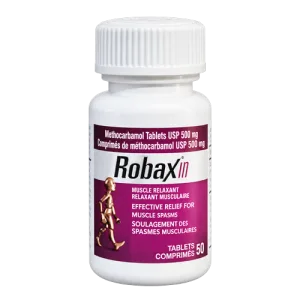
Skelaxin contains metaxalone, whereas methocarbamol is a different centrally acting muscle relaxant. Both are used for acute painful musculoskeletal conditions, and both may cause drowsiness or dizziness. Their onset, duration, tolerability, and interaction profile can differ between individuals.
The choice depends on the injury, treatment goals, organ function, and other medicines. NICE guidance also emphasizes functional recovery and reassessment when symptoms do not follow an uncomplicated course. One medicine should not be substituted for the other by using a similar tablet schedule.
Does Skelaxin cause drowsiness?
Yes. Drowsiness is one of the recognised adverse effects of metaxalone and may occur with dizziness or slowed reactions. FDA safety information available in 2023 advises caution with activities requiring alertness while taking centrally acting medicines.
The effect may be stronger after the first dose, after a dosing change, or when alcohol and other sedatives are present. Do not drive or operate machinery until your response is known.
What should be discussed with a doctor before starting Skelaxin?
Discuss liver disease, kidney disease, breathing problems, seizure history, pregnancy, breastfeeding, previous drug allergies, and any history of falls. Provide a complete list of prescription medicines, non-prescription products, sleep aids, antihistamines, opioids, benzodiazepines, and alcohol use. The FDA prescribing information for metaxalone from 2013 highlights organ impairment and additive central nervous system depression as clinically relevant issues.
Also describe the pain pattern. Numbness, weakness, fever, major trauma, or pain that travels down an arm or leg may require evaluation beyond treatment for a simple muscle spasm.
How long does a Skelaxin course last, and is long-term use acceptable?
Skelaxin is generally intended for short-term treatment of acute, painful musculoskeletal conditions. A typical course is determined individually and may last days to a few weeks, depending on the injury and functional recovery. A prolonged course should not continue automatically without reassessing the diagnosis, benefit, alertness, and organ function.
The FDA prescribing information from 2013 supports using metaxalone within a defined treatment plan rather than treating persistent unexplained pain indefinitely. Ongoing pain after the expected recovery period warrants reassessment instead of repeated self-treatment.
Can Skelaxin be taken with food?
Skelaxin tablets may be taken with food unless the prescriber gives different instructions. Taking doses in a consistent relation to meals can make the timing of effects more predictable. A heavy meal may delay the time at which some people notice benefit.
The FDA label from 2013 describes food as a factor that can affect metaxalone exposure, so avoid changing repeatedly between fasting and post-meal dosing. If nausea occurs, taking the tablet with a light meal may be more comfortable, provided this fits the prescribed regimen.
Which symptoms mean stopping Skelaxin and seeking urgent medical help?
Seek urgent medical help for trouble breathing, swelling of the face or throat, severe rash, blistering skin, fainting, inability to stay awake, or severe confusion. Yellow skin or eyes, dark urine, persistent vomiting, or marked weakness may signal a serious liver reaction and also require prompt assessment. WHO pharmacovigilance guidance in 2022 treats severe allergic, respiratory, neurological, and liver-related symptoms as signals requiring rapid evaluation.
Do not take another dose while waiting for urgent advice if a severe allergic reaction, breathing problem, or profound sedation occurs. Do not drive yourself if you are faint, confused, or excessively sleepy.
Do you offer anonymous delivery?
Your order will be securely packed and shipped within 24 hours. This is exactly what your package will look like (images of an actual item sent). It has the size and look of a regular private letter (24x11x0.7 cm) and its contents cannot be seen.
Comparison
Sources
- U.S. Food and Drug Administration (2013). Skelaxin (metaxalone) Prescribing Information.
- World Health Organization (2019). Medication Safety in Polypharmacy: Technical Report.
- European Medicines Agency (2012). Guideline on the Investigation of Drug Interactions.
How Buyers Rate Skelaxin
Based on 3 reviews
Skelaxin reduced the tightness in my neck, but I felt sleepy after the first doses and had to be more careful when walking downstairs. The benefit became clearer after several days, although it did not remove all the pain. I was satisfied with the partial relief but found the sedating effect inconvenient.
Fredericton After the first doses; after several days Oct 11, 2026I took Skelaxin tablets during a short episode of muscle spasm after exercise. The stiffness eased enough for me to move normally and return to light activity. I liked that the treatment supported recovery without being an opioid, and the result was noticeable within the first part of the course.
Vancouver During a short episode Oct 27, 2026