Skip to content
contact@fairviewphysiotheraapy.com
Fast & Discrete Delivery Save up to 80%
In stock Symbicort
Asthma

Symbicort

Adults and children prescribed combination maintenance treatment for asthma or chronic obstructive pulmonary disease (COPD) may use Symbicort to control airway inflammation and bronchospasm…

Guaranteed quality Original product
Delivery: from 4 days Discreet shipping
24/7 Support Always available
Active ingredient: Budesonide
Select pack Package Per unit Price
$ 173.46 $ 173.46
$ 127.16 $ 346.92 $ 254.31 Save 27%
Free Regular Delivery $ 110.74 $ 520.38 $ 332.22 Save 36%
Free Regular Delivery $ 103.64 $ 693.84 $ 414.54 Save 40%
Free Express Delivery $ 99.37 $ 867.30 $ 496.86 Save 43%
Free Express Delivery $ 95.80 $ 1,040.76 $ 574.77 Save 45%
Free Express Delivery $ 93.87 $ 1,214.22 $ 657.09 Save 46%
Free Express Delivery $ 92.43 $ 1,387.68 $ 739.41 Save 47%
Free Express Delivery $ 91.14 $ 1,561.14 $ 820.26 Save 47%
Best value Free Express Delivery $ 90.26 $ 1,734.60 $ 902.58 Save 48%

Free delivery on orders from $ 294.00, free express delivery from $ 441.00

Secure payment methods:
VISA AMEX JCB DISCOVER

Adults and children prescribed combination maintenance treatment for asthma or chronic obstructive pulmonary disease (COPD) may use Symbicort to control airway inflammation and bronchospasm. Symbicort contains budesonide and formoterol in a Turbuhaler dry-powder device.

Overview

Symbicort contains budesonide and formoterol in a Turbuhaler dry-powder device. The corticosteroid reduces inflammation, while the long-acting bronchodilator helps keep airway muscles relaxed. Symbicort belongs to the inhaled corticosteroid/LABA category.

How it affects the body

Asthma and COPD can narrow the airways through different combinations of inflammation, mucus, bronchial muscle contraction, and structural changes. Symbicort Turbuhaler delivers budesonide and formoterol directly into the lungs, where the two substances act locally.

Budesonide reduces inflammation in the airway wall. Formoterol relaxes bronchial smooth muscle and counteracts bronchospasm. When bronchial swelling decreases and the airway diameter increases, airflow can improve and breathing may require less effort.

Clinical studies reviewed by the European Medicines Agency found that budesonide/formoterol improves lung function and helps reduce respiratory symptoms in appropriately selected asthma and COPD populations [2]. The response still depends on diagnosis, disease severity, inhalation technique, adherence, smoking exposure, and other treatments.

Formulation

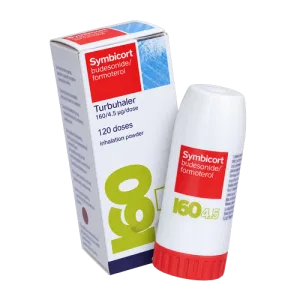
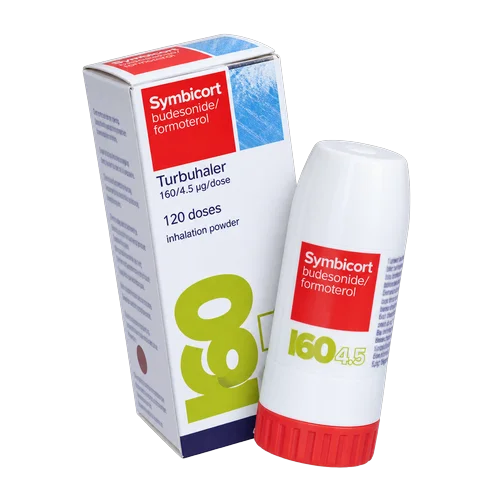
Symbicort contains two active substances: budesonide and formoterol fumarate dihydrate. The Turbuhaler presentation provides 160 micrograms of budesonide and 4.5 micrograms of formoterol per delivered dose, with 120 doses in the supplied device.

Budesonide is an inhaled corticosteroid. It reduces inflammatory activity in the bronchial lining, lowering swelling, mucus production, and airway sensitivity. Formoterol is a long-acting beta2-adrenergic agonist, also called a LABA. It relaxes smooth muscle around the bronchi, helping air move through narrowed airways.

The two components address different parts of obstructive airway disease. Budesonide controls the inflammatory process; formoterol improves bronchial muscle relaxation. Health Canada describes this combination as maintenance treatment for appropriate patients with asthma and COPD [1].

Role of Budesonide in Reducing Airway Inflammation

In asthma, immune activity can make the airways swollen and unusually reactive. Budesonide enters airway cells and influences inflammatory gene activity, reducing the release of substances that contribute to swelling and mucus. It does not provide the instant sensation of airway opening associated with a short-acting reliever.

Budesonide is also used as a single-agent inhaled corticosteroid in respiratory care. Within Symbicort, it is paired with formoterol so that inflammation control and bronchodilation occur through one inhaled treatment.

Role of Formoterol Fumarate Dihydrate in Bronchial Relaxation

Formoterol stimulates beta2 receptors on bronchial smooth muscle. This increases intracellular signalling that relaxes constricted airways. Its onset is relatively quick for a LABA, while its bronchodilating action lasts for many hours.

Formoterol is not the same as a short-acting rescue bronchodilator. A person with sudden, severe breathlessness may need a separate reliever inhaler prescribed for acute symptoms. Symbicort should be used as an emergency reliever only when the treating clinician has specifically prescribed that treatment plan.

If a second inhaler is prescribed for sudden symptoms, keep its role clear: Symbicort controls the underlying airway problem, while the separate reliever is intended for rapid rescue.

Dosage and administration

  • Inhale the prescribed number of Symbicort Turbuhaler doses through the mouthpiece; the device is marked 160/4.5 and contains budesonide/formoterol.
  • Use the inhaler at the prescribed frequency, measured in times per day; the exact number of inhalations and times per day are decided individually according to age, other medicines, and health conditions.
  • Use it at the prescribed time of day; no specific relation to meals is established for this dry-powder inhaler.
  • Continue treatment for the duration prescribed for asthma or COPD maintenance; do not change the duration without a treatment plan.
  • Use by oral inhalation through the Turbuhaler mouthpiece, not by swallowing the powder or applying it to the skin.
  • Before inhaling, breathe out to the side rather than into the mouthpiece, then inhale the loaded dose through the mouthpiece.

Reasons not to use it

Symbicort is not suitable for every person with cough or breathlessness. The treatment plan requires caution in several situations.

  • You have had a serious allergic reaction to budesonide, formoterol, or an inhaler ingredient.
  • You need immediate treatment for a severe asthma attack or rapidly worsening breathing.
  • You have unexplained wheezing that has not been assessed as asthma or COPD.
  • You are using another LABA-containing inhaler without a clinician-directed reason.
  • You have a significant heart rhythm disorder that could worsen with beta2 stimulation.
  • You have uncontrolled low potassium, untreated thyrotoxicosis, or poorly controlled diabetes requiring medication review.
  • You have active or untreated tuberculosis, fungal lung disease, or another infection for which corticosteroid exposure could be harmful.

Formoterol can interact with other medicines that affect heart rhythm or potassium. Examples include some diuretics, systemic corticosteroids, xanthines, and medicines that prolong the QT interval. Beta-blockers may reduce bronchodilator effects and can provoke bronchospasm in susceptible patients. Strong CYP3A4 inhibitors, including some azole antifungals and certain macrolide antibiotics, may increase systemic exposure to budesonide.

When this is not for you

Tell the prescriber about heart disease, high blood pressure, seizures, osteoporosis, glaucoma, cataracts, liver disease, thyroid disease, diabetes, recurrent pneumonia, and previous oral thrush.

Before starting treatment, make a complete list of inhalers, steroid tablets, eye drops, heart medicines, antidepressants, antifungals, and supplements. The combination can reveal interactions that are easy to miss from brand names alone.

Possible side effects

Symbicort is generally tolerated when used in the prescribed manner, but inhaled corticosteroids and LABAs can produce local and systemic adverse effects. The Canadian product information lists headache, tremor, palpitations, throat irritation, hoarseness, oral candidiasis, nausea, vomiting, and muscle cramps among possible reactions [3].

Possible effects include:

  • Oral candidiasis: white patches, soreness, or burning in the mouth or throat.
  • Hoarseness: a change in voice caused by local corticosteroid exposure.
  • Headache or tremor: more likely to appear after starting or increasing a LABA-containing regimen.
  • Palpitations: awareness of a fast or forceful heartbeat.
  • Muscle cramps or back pain: reported musculoskeletal symptoms.
  • Nausea or vomiting: gastrointestinal symptoms that may occur in some users.
  • Sleep disturbance or nervousness: possible beta2-agonist effects.

Rinsing the mouth and gargling with water after the corticosteroid-containing inhalation can reduce medication residue. Spit the water out rather than swallowing it. A spacer is not used with the Turbuhaler dry-powder device.

Hoarseness and oral thrush are easier to prevent than to treat. Rinse, gargle, and spit after each prescribed dose, especially when the inhaler is used twice daily.

Rarely, inhalation can trigger paradoxical bronchospasm, in which breathing becomes suddenly worse immediately after a dose. Stop using the inhaler and seek urgent medical attention if severe wheezing or breathlessness develops directly after inhalation. Facial swelling, tongue swelling, widespread hives, fainting, or difficulty swallowing may indicate a serious allergic reaction.

Long-term or high-dose inhaled corticosteroid exposure can contribute to adrenal suppression, reduced bone mineral density, cataracts, glaucoma, skin bruising, or slowed growth in children. The risk depends on dose, duration, age, and exposure to other corticosteroids. Formoterol may lower potassium or raise blood glucose in susceptible people.

Therapeutic indications

Symbicort is prescribed for selected patients with asthma and for maintenance treatment of airflow obstruction associated with COPD. COPD includes conditions such as chronic bronchitis and emphysema, although the underlying lung damage and symptom pattern differ between individuals.

Asthma

Asthma involves variable airway narrowing and inflammation. Symptoms may include wheezing, chest tightness, cough, and shortness of breath. Symbicort can provide both an inhaled corticosteroid and a long-acting bronchodilator in one maintenance regimen when an inhaled corticosteroid alone does not provide adequate control or when combination treatment is clinically appropriate.

Treatment goals include fewer daytime symptoms, less night waking, improved activity tolerance, and fewer exacerbations. A cough alone does not establish an asthma diagnosis. Persistent cough may also result from infection, reflux, postnasal drainage, medication effects, or other lung conditions.

Chronic Obstructive Pulmonary Disease

COPD causes persistent airflow limitation. Chronic bronchitis is associated with long-term cough and sputum production, while emphysema involves damage to the air sacs and reduced elastic recoil of the lungs. Some patients have features of both.

Symbicort may reduce symptoms and improve airflow in patients whose COPD treatment plan includes an inhaled corticosteroid and LABA. It does not reverse emphysema or repair permanent lung damage. It is used as part of long-term management, alongside measures such as smoking cessation, vaccination, pulmonary rehabilitation, and an agreed exacerbation plan.

Record how often you need a rescue inhaler and whether symptoms wake you at night. These details help a clinician judge whether maintenance treatment is controlling the disease.

Comparison

Symbicort belongs to the inhaled corticosteroid/LABA category. Other respiratory treatment categories use different mechanisms and may be chosen according to diagnosis, symptom pattern, lung-function results, exacerbation history, inhaler technique, and previous response. Potential advantages of Symbicort include combined anti-inflammatory and bronchodilator treatment, delivery through one device, and scheduled symptom control. A drawback is that it requires reliable inhalation technique and may cause local or systemic adverse effects. It is not appropriate for every diagnosis or for unsupervised treatment of sudden severe breathlessness.

Treatment category Main pharmacological role Typical clinical role
Inhaled corticosteroid plus LABA Controls airway inflammation and provides prolonged bronchodilation Maintenance treatment for selected asthma or COPD patients
Short-acting bronchodilator Relaxes airway muscle quickly for a limited period Rescue treatment for acute symptoms when prescribed
Long-acting muscarinic antagonist Blocks muscarinic airway constriction for prolonged bronchodilation Maintenance treatment, especially in COPD or selected asthma plans

A short-acting agent such as albuterol may relieve acute bronchospasm more quickly, but it does not replace the anti-inflammatory action of budesonide. A long-acting muscarinic antagonist such as tiotropium works through a different receptor system and may be used alone or with other maintenance therapies.

Other inhaled combinations pair an inhaled corticosteroid with a LABA, but the active substances, device resistance, dosing schedule, and approved indications differ. A person should not switch inhalers solely because two devices appear similar. Clinical guidelines from the World Health Organization stress that inhaler choice and technique must match the patient’s diagnosis and ability to use the device correctly [4].

Common mistakes

Several practical errors reduce the amount of medicine reaching the lungs:

  • Loading the dose but forgetting to inhale before closing the device.
  • Taking a shallow breath instead of a deep, forceful inhalation.
  • Exhaling into the mouthpiece.
  • Repeating doses without a prescribed plan during sudden breathlessness.
  • Stopping treatment as soon as coughing improves.
  • Skipping mouth rinsing after use.
  • Washing the dry-powder device with water.
  • Sharing an inhaler or using someone else’s dose.
  • Failing to mention a second inhaler that also contains a LABA.
  • Assuming a weak or absent taste means no medication was delivered.

One dose can feel different from another because dry-powder inhalers may deliver little taste or sensation. The inhalation technique matters more than whether the powder can be felt.

Missed doses should not usually be replaced with a double dose. Take the next scheduled dose as prescribed unless a clinician has provided different instructions. Frequent missed doses, increased rescue-inhaler use, or recurrent night symptoms indicate the need for treatment review.

What doctors say

In clinical practice, physicians usually judge Symbicort by symptom control, night waking, rescue-inhaler use, exacerbations, spirometry, and inhaler technique rather than by one isolated good or bad day.

A common prescribing mistake is escalating treatment before observing the patient use the device. Poor inspiratory flow, failure to load a dose, exhaling into the mouthpiece, or stopping after symptoms improve can make a suitable prescription appear ineffective.

Doctors also distinguish maintenance failure from an emergency. Increasing breathlessness at rest, blue or grey lips, confusion, inability to speak in full sentences, or rapidly worsening peak-flow readings requires urgent assessment rather than repeated unscheduled Symbicort doses.

The Canadian Thoracic Society, Health Canada, and the National Institute for Health and Care Excellence (NICE) approach asthma and COPD as conditions requiring regular reassessment. Smoking exposure, occupational irritants, untreated rhinitis, reflux, infection, obesity, and anxiety can amplify symptoms even when the inhaler is being used correctly.

Common questions

What happens if Symbicort is stopped, and does it need tapering?

Stopping Symbicort can allow airway inflammation and bronchial narrowing to return, which may increase cough, wheezing, night symptoms, or rescue-inhaler use. Inhaled corticosteroids are not usually tapered in the same way as prolonged high-dose oral corticosteroids, but the treatment should not be stopped abruptly without an agreed alternative plan. Health Canada’s 2024 product information advises continued use according to the prescribed regimen and clinical review when treatment changes. The date of any planned reduction should be set by the prescriber, based on symptom control and lung function. Follow-up review can confirm whether the plan remains appropriate.

Can older adults use Symbicort?

Older adults can use Symbicort when the combination is appropriate for their asthma or COPD treatment. Age increases the likelihood of heart rhythm disease, osteoporosis, glaucoma, diabetes, reduced kidney or liver function, and multiple medicines, so these factors deserve review. The EMA’s 2025 product information recognises budesonide/formoterol as a treatment used in adult respiratory disease, with monitoring tailored to the individual. The 2025 EMA product information recognises inhaler technique as a practical concern because arthritis, weak grip, poor eyesight, or cognitive impairment can make device steps harder to perform correctly.

What is the correct Turbuhaler technique?

Hold the device upright, load one dose by twisting until it clicks, breathe out away from the mouthpiece, then inhale deeply and forcefully through the mouth. Do not shake the inhaler, spray into the mouth, or breathe out into the device. Health Canada’s 2024 inhaler instructions emphasise that the powder is drawn into the lungs by the patient’s inhalation rather than propelled by a pressurised canister. A clinician can assess technique directly and correct small errors that substantially reduce lung delivery.

Which symptoms mean stopping and seeking urgent medical care?

Sudden worsening wheezing or breathlessness immediately after inhalation may indicate paradoxical bronchospasm and requires urgent medical assessment. Seek emergency help for severe breathlessness at rest, blue lips, fainting, confusion, chest pain, facial or tongue swelling, or inability to speak normally because of breathlessness. The EMA’s 2025 product information identifies serious allergic reactions and acute bronchospasm as events requiring prompt action. Do not keep repeating doses while waiting for emergency care unless emergency clinicians give that instruction.

Can Symbicort be used during pregnancy or breastfeeding?

Pregnancy and breastfeeding require an individual review of asthma or COPD control, treatment alternatives, and the risks of uncontrolled respiratory disease. Budesonide has substantial clinical experience in pregnancy, while available data for formoterol are considered when the expected benefit justifies exposure. Health Canada’s 2024 product information recommends discussing pregnancy, planned pregnancy, and breastfeeding before treatment changes rather than stopping maintenance therapy independently. The prescriber should also know about any oral or injectable corticosteroid use.

What should be discussed with a doctor before starting Symbicort?

Discuss the exact diagnosis, current symptom frequency, night waking, exacerbations, smoking exposure, previous inhaler reactions, and every medicine being used. Include beta-blockers, diuretics, oral steroids, other inhalers, antifungal medicines, antibiotics, and treatments for heart rhythm problems. The World Health Organization’s 2024 guidance supports checking inhaler technique and access to a reliever plan as part of respiratory care. The clinician should also decide whether the prescribed dose and schedule fit your age, other medicines, and health conditions.

How long does one Symbicort dose keep working?

Formoterol usually provides bronchodilation for approximately 12 hours, while budesonide works by controlling airway inflammation with regular use rather than by producing an immediate sensation. The exact duration of symptom relief varies with disease severity, dose timing, inhalation technique, and individual response. The European Medicines Agency’s 2025 clinical information describes formoterol as a long-acting bronchodilator suitable for scheduled treatment. A return of symptoms before the next scheduled dose should be recorded and discussed instead of being managed with unscheduled extra doses.

Do you offer anonymous delivery?

Your order will be securely packed and shipped within 24 hours. This is exactly what your package will look like (images of an actual item sent). It has the size and look of a regular private letter (24x11x0.7 cm) and its contents cannot be seen.

Comparison

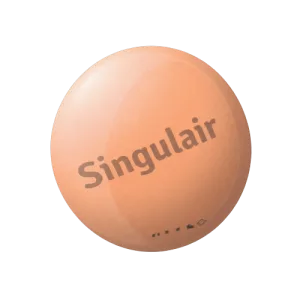
Singulair

Active ingredient: Montelukast
10mg 4mg 5mg
From $ 157.29
pills
3.9 (5)

Symbicort Current

Active ingredient: Budesonide
164.5mcg
From $ 173.46
turbuhalers
4.3 (3)

Comparison table: Asthma

Sources

  1. Health Canada (2024). Product Monograph: Symbicort Turbuhaler (budesonide/formoterol fumarate dihydrate)
  2. European Medicines Agency (2025). Symbicort: European public assessment report and product information
  3. Health Canada (2024). Canadian Product Monograph: Symbicort — Adverse Reactions, Warnings, and Precautions
  4. World Health Organization (2024). Asthma: Fact sheet and clinical management information

How Buyers Rate Symbicort

Based on 3 reviews

Harry, 51 Verified
Rating: 5 out of 5

I used Symbicort for several weeks and noticed that climbing the stairs became easier. My morning chest tightness settled, and I could get through walks without stopping as often. The Turbuhaler became straightforward once I practised the twist-and-inhale steps.

Nanaimo Several weeks Nov 9, 2026
Robert C., 43 Verified
Rating: 5 out of 5

Symbicort made a clear difference during the day. I had fewer interruptions from coughing at work and slept more consistently. The device was small enough to keep in my jacket pocket, and I liked not needing to coordinate a spray with my breathing.

Kitchener Oct 11, 2026
Michael, 55 Verified
Rating: 3 out of 5

Symbicort helped my breathing, but the improvement was gradual rather than dramatic. I noticed mild hand tremor after some doses, so I discussed it with my doctor and reviewed my inhaler technique. The symptoms were manageable, though the treatment did not remove every bad breathing day.

Ottawa Oct 26, 2026
Get our free app Shop faster and track your orders 4.0 · 393 reviews Install