Skip to content
contact@fairviewphysiotheraapy.com
Fast & Discrete Delivery Save up to 80%
In stock Singulair
Asthma

Singulair

Singulair supports asthma control and relief of allergic rhinitis symptoms in patients for whom montelukast is prescribed. Its active ingredient, montelukast, blocks leukotriene signals that…

Guaranteed quality Original product
Delivery: from 4 days Discreet shipping
24/7 Support Always available
Active ingredient: Montelukast
Select dosage:
Select pack Package Per unit Price
$ 5.24 $ 157.29
$ 3.94 $ 314.58 $ 236.67 Save 25%
Free Regular Delivery $ 3.50 $ 471.87 $ 314.58 Save 33%
Free Regular Delivery $ 3.30 $ 629.16 $ 395.43 Save 37%
Free Express Delivery $ 3.07 $ 943.74 $ 552.72 Save 41%
Best value Free Express Delivery $ 2.93 $ 1,415.61 $ 790.86 Save 44%
$ 5.68 $ 170.52
$ 4.66 $ 341.04 $ 279.30 Save 18%
Free Regular Delivery $ 4.36 $ 511.56 $ 392.49 Save 23%
Free Express Delivery $ 4.21 $ 682.08 $ 505.68 Save 26%
Free Express Delivery $ 4.04 $ 1,023.12 $ 727.65 Save 29%
Free Express Delivery $ 3.94 $ 1,534.68 $ 1,064.28 Save 31%
Best value Free Express Delivery $ 3.89 $ 2,046.24 $ 1,399.44 Save 32%
$ 5.68 $ 170.52
$ 4.53 $ 341.04 $ 271.95 Save 20%
Free Regular Delivery $ 4.17 $ 511.56 $ 374.85 Save 27%
Free Express Delivery $ 3.96 $ 682.08 $ 474.81 Save 30%
Free Express Delivery $ 3.77 $ 1,023.12 $ 679.14 Save 34%
Best value Free Express Delivery $ 3.65 $ 1,534.68 $ 984.90 Save 36%

Free delivery on orders from $ 294.00, free express delivery from $ 441.00

Secure payment methods:
VISA AMEX JCB DISCOVER

Singulair supports asthma control and relief of allergic rhinitis symptoms in patients for whom montelukast is prescribed. Its active ingredient, montelukast, blocks leukotriene signals that contribute to airway narrowing, swelling, mucus production, and allergy symptoms. It is taken as an oral tablet and is not a rescue treatment for sudden breathing difficulty.

Overview

Singulair contains montelukast, supplied as montelukast sodium. It belongs to the leukotriene receptor antagonist class. These medicines modify inflammatory signalling rather than directly relaxing airway muscles.

Montelukast is used for asthma maintenance, exercise-related bronchoconstriction prevention, and allergic rhinitis symptoms.

Health Canada lists Singulair among medicines containing montelukast for respiratory and allergic conditions [1].

How it affects the body

Montelukast blocks cysteinyl leukotriene type 1 receptors, often called CysLT1 receptors. Leukotrienes are inflammatory mediators released during allergic and respiratory responses.

When these mediators activate their receptors, they can contribute to:

  • Contraction of airway smooth muscle.
  • Swelling of the airway lining.
  • Increased mucus production.
  • Recruitment and activation of inflammatory cells.
  • Nasal congestion and other allergic symptoms.

By blocking this receptor pathway, montelukast reduces the effect of leukotrienes on the airways and nasal passages. It does not act as a corticosteroid, antihistamine, or direct beta-agonist.

Pharmacological Position Among Asthma Treatments

Treatment approach Main action Typical clinical position
Montelukast Blocks leukotriene receptors Oral controller for selected asthma or allergy patterns
Inhaled corticosteroids Suppress airway inflammation Core controller therapy for persistent asthma
Albuterol Relaxes airway smooth muscle rapidly Rescue treatment for acute symptoms

Montelukast does not provide the same anti-inflammatory coverage as an inhaled corticosteroid. It may be selected when inhaler technique is difficult, when exercise symptoms are prominent, or when allergic rhinitis and asthma occur together. The choice depends on symptom pattern, age, previous response, and other medicines.

Formulation

Singulair contains montelukast, supplied as montelukast sodium. Montelukast is an oral leukotriene receptor antagonist that modifies inflammatory signalling involved in airway narrowing, swelling, mucus production, and allergic symptoms.

Dosage and administration

The correct amount differs between strengths and between users. Singulair should be taken in the prescribed strength, frequency, and formulation for the patient’s age and indication.

Practical administration points include:

  • Take the tablet by mouth once daily when prescribed for regular control.
  • Use the timing selected for the indication and treatment plan.
  • Take it with food or on an empty stomach.
  • Swallow the tablet as directed; do not alter it unless a prescriber has given specific instructions.
  • Continue the asthma controller plan even when symptoms improve.
  • Keep a rescue inhaler available if one has been prescribed.
  • Do not take extra tablets to compensate for a missed dose.

If a dose is missed, take the next scheduled dose at the usual time. Do not double the amount. A missed dose is usually handled by returning to the regular schedule rather than taking two doses close together.

For allergic rhinitis, treatment timing may be individualized because symptoms can follow seasonal or continuous exposure. For exercise-related bronchoconstriction, the preventive schedule must be established before relying on the medicine for activity.

Reasons not to use it

The following situations require avoidance, urgent review, or a different treatment plan:

  • Previous serious allergic reaction to montelukast or an ingredient in the tablet.
  • Current suicidal thoughts or severe uncontrolled psychiatric symptoms.
  • A history of significant mood or behaviour changes linked to montelukast.
  • Severe breathing difficulty requiring immediate rescue treatment.
  • Inability to follow the prescribed asthma action plan.
  • Severe liver disease requiring individualized assessment.
  • Pregnancy or breastfeeding without a clear clinical reason and treatment review.

When this is not for you

Singulair is not for you if you need immediate relief during a breathing attack or have experienced a serious neuropsychiatric reaction.

A person who develops severe breathlessness, blue lips, confusion, or difficulty speaking should use their emergency asthma plan and seek urgent medical care.

Possible side effects

Singulair is often tolerated without major difficulty, but adverse effects can occur. Reported reactions include headache, abdominal discomfort, cough, sore throat, fatigue, nausea, diarrhoea, and upper-respiratory symptoms.

Neuropsychiatric reactions require special attention. These may include:

  • Vivid dreams or nightmares.
  • Insomnia or disrupted sleep.
  • Irritability or agitation.
  • Anxiety.
  • Low mood.
  • Aggressive behaviour.
  • Confusion or hallucinations.
  • Suicidal thoughts or behaviour.

The FDA added a boxed warning concerning serious neuropsychiatric events associated with montelukast. The warning is a reason to reserve montelukast for allergic rhinitis when alternative treatments are unsuitable or inadequate, especially when symptoms are mild [3].

A person taking Singulair should report new mood changes, sleep disturbances, unusual behaviour, depression, or thoughts of self-harm promptly. Any immediate risk of self-harm requires emergency help.

Ask household members to mention sudden changes in sleep, mood, speech, or behaviour. Neuropsychiatric reactions may be noticed by another person before the patient recognizes a change.

Allergic reactions are uncommon but can be serious. Facial swelling, hives, difficulty breathing, or throat tightness requires urgent medical attention. Rare eosinophilic conditions can resemble worsening asthma and may involve fever, rash, nerve symptoms, or worsening respiratory complaints.

Therapeutic indications

Singulair is used for several conditions involving airway or nasal inflammation. Its role is preventive and controlling, rather than an emergency intervention.

Common clinical uses include:

  • Long-term control of asthma symptoms.
  • Reduction of airway inflammation associated with asthma.
  • Prevention of exercise-induced bronchoconstriction.
  • Relief of symptoms from seasonal allergic rhinitis.
  • Relief of symptoms from perennial allergic rhinitis.
  • Reduction of allergic nasal congestion, sneezing, and runny nose when montelukast is clinically appropriate.

Asthma can involve variable airway narrowing, inflammation, cough, chest tightness, wheezing, and mucus production. Singulair may help reduce the inflammatory component, but it does not provide the immediate bronchodilation produced by a rescue inhaler.

The U.S. Food and Drug Administration and the European Medicines Agency recognize montelukast as a leukotriene pathway medicine used in asthma and allergic disease. The World Health Organization describes leukotriene signalling as part of the inflammatory processes relevant to respiratory disease [2].

Asthma Maintenance and Allergic Conditions

Singulair may be considered when symptoms are triggered by exercise, allergens, or recurring airway inflammation. Some patients use it alongside inhaled treatment, while others receive it when an oral controller is clinically suitable.

A response may appear gradually. Nasal allergy symptoms can improve sooner than the full pattern of asthma control, and the result differs between patients. Persistent night waking, frequent rescue-inhaler use, or repeated flare-ups indicates that the asthma plan needs clinical review.

Comparison

Treatment choice depends on the condition being treated and the type of inflammation involved. No single option suits every asthma or allergy pattern.

Option Main benefit Main limitation
Montelukast Oral leukotriene-pathway control for asthma or allergic symptoms Neuropsychiatric monitoring is required; it is not a rescue treatment
Inhaled corticosteroid Stronger broad anti-inflammatory control for persistent asthma Requires correct inhaler technique and regular use
Second-generation antihistamine Reduces sneezing, itching, and runny nose Does not provide full asthma control

Cetirizine and loratadine are second-generation antihistamines used mainly for allergic nasal or skin symptoms. They do not replace an asthma controller when lower-airway inflammation is present.

Zafirlukast is another leukotriene modifier, though its dosing schedule and interaction profile differ from montelukast. Budesonide and fluticasone are inhaled corticosteroids used for airway inflammation. Combination inhalers may include an inhaled corticosteroid with a long-acting bronchodilator when the clinical situation requires both actions.

Do not judge asthma control only by how you feel on a quiet day. Night symptoms, activity limitation, missed work or school, and frequent reliever use provide a clearer picture for treatment review.

Common mistakes

  • Using Singulair as a rescue medicine during an asthma attack.
  • Stopping an inhaled controller immediately after starting montelukast.
  • Taking two doses after forgetting the previous tablet.
  • Ignoring nightmares, anxiety, irritability, or depressed mood.
  • Assuming a tablet eliminates the need for an asthma action plan.
  • Using a different schedule for asthma and allergy symptoms without clinical guidance.
  • Failing to mention previous psychiatric reactions to medicines.
  • Taking more than one product containing montelukast.
  • Measuring success only by daytime symptoms while overlooking night waking.
  • Continuing treatment without review when rescue-inhaler use is increasing.

A common misunderstanding concerns the word “allergy.” Montelukast can reduce allergic inflammation, but it does not remove the underlying trigger and does not provide immediate relief from every nasal symptom.

What doctors say

In clinical practice, physicians usually frame Singulair as a controller option with a specific mechanism, not as a universal substitute for inhaled therapy. The strongest fit may occur when allergic rhinitis, exercise-related symptoms, and asthma appear in the same patient.

A doctor will usually assess:

  • Symptom frequency during the day and night.
  • Rescue-inhaler use.
  • Exercise limitation.
  • Previous inhaled corticosteroid response.
  • Inhaler technique.
  • Allergy triggers.
  • Mood, sleep, and behavioural history.
  • Other prescribed and non-prescription medicines.

The benefit should be judged by measurable changes, such as fewer night awakenings, less wheezing during activity, reduced nasal symptoms, or fewer rescue treatments. A patient who feels no improvement after a clinically appropriate trial may need a different controller strategy.

The FDA warning changed how clinicians approach montelukast for mild allergic rhinitis. Many prescribers now consider non-montelukast allergy treatments first when there is no asthma indication, especially if the patient has a history of depression, nightmares, or suicidal thinking.

Common questions

Is Singulair suitable for older adults?

Older adults can use montelukast when the expected respiratory benefit justifies treatment and the regimen fits their health profile. Health Canada’s 2025 product information supports age-specific prescribing, with attention to other medicines, liver function, sleep, and mental health. A review should include night symptoms, falls risk, confusion, and any history of depression or unusual dreams. The tablet should not be used to manage sudden severe breathlessness. Follow-up is useful if sleep, mood, or behaviour changes emerge.

What should be done after a missed Singulair dose?

Take the next scheduled tablet at the usual time rather than taking two doses together. The FDA’s 2020 prescribing information advises against doubling the dose after a missed administration. A single missed dose generally calls for returning to the established schedule. Repeated missed doses may make asthma or allergy symptoms appear less controlled and should be discussed during treatment review.

Can Singulair be used during pregnancy or breastfeeding?

Pregnancy and breastfeeding require an individualized assessment of asthma severity, previous treatment response, and available alternatives. The EMA’s 2024 product information describes montelukast use in these circumstances as a clinical decision rather than an automatic indication or prohibition [4]. Poorly controlled asthma can also harm maternal and fetal health, so abrupt discontinuation may be unsafe. Breastfeeding decisions should consider the infant’s health and the need for maternal respiratory control.

Can Singulair be taken with food?

Singulair tablets can be taken with food or on an empty stomach. Health Canada’s 2025 information supports oral administration without a required meal relationship. Taking it at the same time each day can reduce missed doses, while the selected timing should match the prescribed plan. Food does not make the tablet a rescue treatment for acute bronchospasm.

Which condition rules out Singulair?

A previous serious allergic reaction to montelukast or an ingredient in the tablet rules out further use. The FDA’s 2020 warning also requires close attention to serious neuropsychiatric symptoms, including suicidal thoughts and behaviour. A current asthma emergency is another situation in which Singulair is unsuitable as the immediate treatment because it does not rapidly open narrowed airways. Emergency care and the prescribed rescue plan take priority.

Do you offer anonymous delivery?

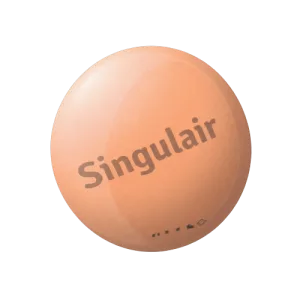
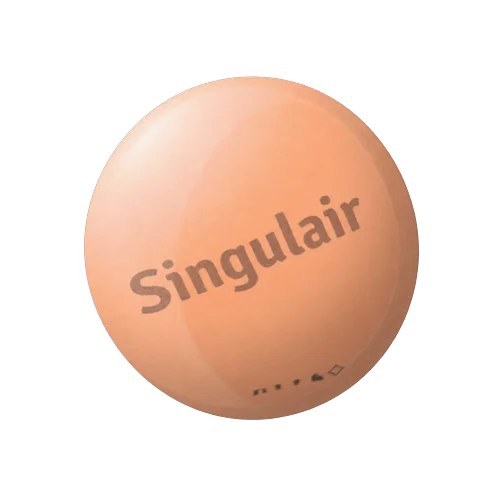
Your order will be securely packed and shipped within 24 hours. This is exactly what your package will look like (images of an actual item sent). It has the size and look of a regular private letter (24x11x0.7 cm) and its contents cannot be seen.

Comparison

Singulair Current

Active ingredient: Montelukast
10mg 4mg 5mg
From $ 157.29
pills
3.9 (5)

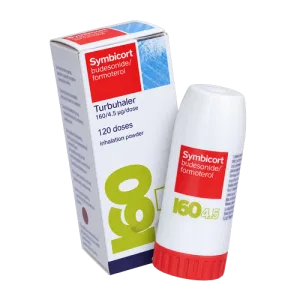
Symbicort

Active ingredient: Budesonide
164.5mcg
From $ 173.46
turbuhalers
4.3 (3)

Comparison table: Asthma

Sources

  1. Health Canada (2025). SINGULAIR Product Monograph.
  2. World Health Organization (2024). Asthma fact sheet.
  3. U.S. Food and Drug Administration (2020). FDA Requires Boxed Warning About Serious Mental Health Side Effects for Asthma and Allergy Drug Montelukast.
  4. European Medicines Agency (2024). Montelukast: Summary of Product Characteristics (SmPC).

How Buyers Rate Singulair

Based on 5 reviews

Ben, 33 Verified
Rating: 5 out of 5

I used Singulair for asthma symptoms that were worse during exercise. After a few weeks, I noticed fewer interruptions during evening runs and less tightness afterward. The once-daily tablet was simple to fit into my routine.

Red Deer A few weeks Nov 4, 2026
Gary, 37 Verified
Rating: 2 out of 5

Singulair did not improve my breathing enough to make a noticeable difference. I also developed restless sleep and stopped taking it after discussing the change with my doctor. My asthma plan was adjusted instead.

Calgary Oct 11, 2026
Harry B., 68 Verified
Rating: 5 out of 5

I used Singulair during a period when allergies and wheezing were happening together. My night-time cough eased, and I could sleep through more nights without waking. The tablet was easier for me to manage than adding another inhaler step.

Kitchener Oct 22, 2026
Robert S., 63 Verified
Rating: 4.5 out of 5

Singulair helped reduce the cough and congestion I noticed during allergy season. I was pleased that the improvement did not depend on taking a tablet several times during the day. The benefit became clearer after using it consistently.

Victoria Nov 8, 2026
Gareth G., 39 Verified
Rating: 3 out of 5

The medicine reduced some of my allergy symptoms, but the effect on asthma was only partial. I had vivid dreams during the first weeks and spoke with my doctor about whether to continue. It helped, though it was not enough as my only controller.

Regina The first weeks Oct 16, 2026
Get our free app Shop faster and track your orders 4.0 · 402 reviews Install