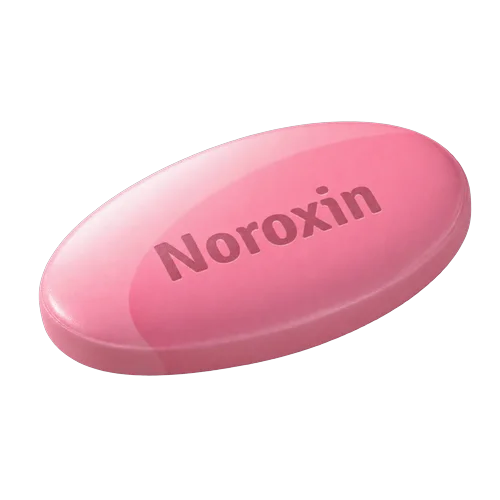
I was prescribed Noroxin for a confirmed urinary infection. The burning eased after several days, and the course fitted easily into my work routine. I was satisfied with the improvement.
London Oct 26, 2026
Noroxin
Adults with selected bacterial urinary, gastrointestinal, or skin infections may be prescribed Noroxin after clinical assessment. Noroxin contains norfloxacin, a fluoroquinolone antibiotic that…
Adults with selected bacterial urinary, gastrointestinal, or skin infections may be prescribed Noroxin after clinical assessment. Noroxin contains norfloxacin, a fluoroquinolone antibiotic that blocks bacterial DNA enzymes. It does not treat viral colds or viral gastroenteritis.
Overview
Noroxin contains norfloxacin, an antibacterial medicine in the fluoroquinolone class. Norfloxacin targets bacterial enzymes required for DNA replication, so susceptible bacteria cannot continue multiplying. The treatment choice depends on the suspected organism, infection site, resistance patterns, kidney function, and clinical findings.
A bacterial infection differs from a viral illness. Antibiotics act against bacteria; they do not shorten an ordinary cold or treat most viral sore throats. Canadian prescribing decisions also consider whether a narrower antibiotic would be suitable.
Norfloxacin and the Fluoroquinolone Class
Fluoroquinolones are systemic antibiotics with activity against selected Gram-negative and other susceptible bacteria. Norfloxacin has been used for certain urinary and gastrointestinal infections, while the exact role depends on the organism and current prescribing guidance.
Culture and susceptibility testing can be valuable when infection is severe, recurrent, treatment has failed, or resistance is suspected. A laboratory result may show whether the bacteria are susceptible to norfloxacin rather than relying only on symptoms.
Bacterial DNA Enzyme Inhibition
Norfloxacin interferes with bacterial DNA gyrase and topoisomerase IV. These enzymes manage the twisting and separation of bacterial DNA during replication. Blocking them prevents the organism from reproducing and can lead to bacterial death.
The effect is not an immediate pain-relief effect. Fever, burning, diarrhoea, or urinary discomfort may take time to improve even when the bacteria are susceptible.
How it affects the body
Norfloxacin interferes with bacterial DNA gyrase and topoisomerase IV. These enzymes manage the twisting and separation of bacterial DNA during replication. Blocking them prevents the organism from reproducing and can lead to bacterial death.
Formulation
Noroxin contains norfloxacin, an antibacterial medicine in the fluoroquinolone class. Norfloxacin targets bacterial enzymes required for DNA replication, so susceptible bacteria cannot continue multiplying. The treatment choice depends on the suspected organism, infection site, resistance patterns, kidney function, and clinical findings.
A bacterial infection differs from a viral illness. Antibiotics act against bacteria; they do not shorten an ordinary cold or treat most viral sore throats. Canadian prescribing decisions also consider whether a narrower antibiotic would be suitable.
Norfloxacin and the Fluoroquinolone Class
Fluoroquinolones are systemic antibiotics with activity against selected Gram-negative and other susceptible bacteria. Norfloxacin has been used for certain urinary and gastrointestinal infections, while the exact role depends on the organism and current prescribing guidance.
Culture and susceptibility testing can be valuable when infection is severe, recurrent, treatment has failed, or resistance is suspected. A laboratory result may show whether the bacteria are susceptible to norfloxacin rather than relying only on symptoms.
Bacterial DNA Enzyme Inhibition
Norfloxacin interferes with bacterial DNA gyrase and topoisomerase IV. These enzymes manage the twisting and separation of bacterial DNA during replication. Blocking them prevents the organism from reproducing and can lead to bacterial death.
The effect is not an immediate pain-relief effect. Fever, burning, diarrhoea, or urinary discomfort may take time to improve even when the bacteria are susceptible.
Dosage and administration
- Dose: Take the prescribed Noroxin tablet strength orally; the exact dose in mg is confirmed with a healthcare professional before starting.
- Frequency: Take Noroxin at the prescribed number of times per day; the frequency depends on the infection and kidney function.
- Timing: Take each tablet with water and follow the prescribed instructions about meals. Separate Noroxin from antacids and products containing calcium, magnesium, iron, or zinc according to the prescribed schedule.
- Duration: Complete the prescribed treatment duration. Do not extend, shorten, or save tablets for a future infection.
- Missed dose: Take a missed dose when remembered unless the next dose is near; skip it when the next dose is almost due, and do not double the dose.
- Route and form: Noroxin is taken by mouth as tablets. Store it as directed and keep it away from children.
Reasons not to use it
Noroxin should not be used in people with a serious reaction to norfloxacin or another quinolone.
Conditions requiring prescriber review include:
- Previous tendonitis or tendon rupture, especially after a fluoroquinolone.
- Peripheral neuropathy, including unexplained numbness or burning.
- Seizure disorder or factors that lower the seizure threshold.
- Known QT prolongation, significant arrhythmia, fainting, or medicines affecting heart rhythm.
- Aortic aneurysm, aortic disease, or significant vascular disease.
- Kidney impairment, dialysis, or substantial age-related loss of renal function.
- Myasthenia gravis, because muscle weakness can worsen.
- Diabetes treated with insulin or glucose-lowering medicine.
- Previous severe allergy to a quinolone antibiotic.
Older adults and people using corticosteroids may face greater tendon risk. The EMA’s fluoroquinolone safety review describes disabling and potentially prolonged reactions affecting tendons, nerves, muscles, joints, and the central nervous system [2].
When this is not for you
Noroxin is not for you if you have had a serious reaction to norfloxacin or another quinolone, unless a specialist has specifically assessed the situation. The medicine also requires careful prescriber review when tendon, nerve, heart rhythm, seizure, vascular, kidney, pregnancy, or breastfeeding concerns apply.
Tell the prescriber about pregnancy, planned pregnancy, or breastfeeding before treatment. Noroxin use in children and adolescents requires a specific clinical reason and specialist consideration rather than routine self-treatment.
The decision depends on the infection, alternatives, and the Canadian product information. Do not start or continue an antibiotic during pregnancy without a treatment plan suited to the individual situation.
Possible side effects
Noroxin can cause gastrointestinal symptoms, headache, dizziness, or skin reactions. Many reactions are mild, but fluoroquinolones also carry less common risks involving tendons, peripheral nerves, the heart rhythm, mood, and blood glucose.
Common and Usually Mild Effects
Possible effects include nausea, abdominal discomfort, diarrhoea, headache, dizziness, and rash. Persistent vomiting or diarrhoea can cause dehydration and may interfere with treatment.
Do not assume every new symptom comes from Noroxin, yet report symptoms that are severe, worsening, or difficult to manage. Dizziness can affect driving, cycling, working at heights, or operating machinery.
Serious Fluoroquinolone Reactions
Stop strenuous activity and contact a clinician promptly if tendon pain, swelling, stiffness, or weakness develops. The Achilles tendon is a common site, but shoulder, hand, or other tendons can also be affected. Tendon problems may appear during treatment or after the course ends. Burning, tingling, numbness, altered sensation, or weakness may indicate peripheral neuropathy. Some nerve symptoms can persist, so early reporting matters. Severe anxiety, confusion, hallucinations, marked mood changes, fainting, palpitations, or seizures also require urgent medical advice.
Seek emergency care for facial swelling, difficulty breathing, collapse, or a rapidly spreading severe rash.
Antibiotic-Associated Diarrhoea
Severe, watery, persistent, or bloody diarrhoea can occur during antibiotic treatment or afterward. It may represent antibiotic-associated colitis rather than a routine side effect.
Avoid self-treating severe diarrhoea with anti-motility medicines before receiving medical advice. Fever, abdominal tenderness, dehydration, or blood in stool increases the need for prompt assessment.

Therapeutic indications
Noroxin may be selected for susceptible bacterial infections involving the urinary tract, gastrointestinal system, or selected skin and soft-tissue sites. The indication is not automatic for every infection in these categories. Health Canada prescribing information places clinical assessment, susceptibility, and patient-specific risk factors at the centre of antibiotic selection [1].
| Infection category | Clinical context | Why assessment matters |
|---|---|---|
| Urinary tract | Selected bacterial urinary infections | Kidney involvement, resistance, and kidney function can change treatment |
| Gastrointestinal | Certain bacterial diarrhoeal infections | Viral illness, dehydration, blood, and fever may require another approach |
| Skin and soft tissue | Selected susceptible infections | Rapid spread, severe pain, or systemic illness needs prompt evaluation |
Urinary Tract Infections
Noroxin may be used for selected bacterial urinary tract infections when the organism is susceptible. Fever, pain in the side or back, vomiting, confusion, or marked weakness can indicate an infection requiring urgent medical assessment rather than routine self-treatment.
Burning with urination alone does not prove that norfloxacin is appropriate. Urine testing may be needed, especially in older adults, people with recurrent infections, men with urinary symptoms, or patients with kidney disease.
Gastrointestinal Bacterial Infections
Some bacterial diarrhoeal illnesses respond to antibiotics, while many cases of gastroenteritis are viral and improve without antibacterial treatment. Bloody stool, persistent fever, severe abdominal pain, dehydration, or recent antibiotic exposure requires medical attention.
Recent travel, outbreaks, immune suppression, and previous resistant infections can alter the likely cause. Do not use leftover Noroxin for a new episode of diarrhoea.
Skin and Soft-Tissue Infections
Norfloxacin is not a universal treatment for skin infections. A prescriber considers the suspected bacteria, depth of infection, local resistance, and whether another antibiotic has better tissue activity.
Spreading redness, rapidly increasing swelling, severe pain, pus with fever, red streaking, or systemic illness needs prompt assessment. These findings can signal a deeper infection that requires a different treatment plan.
Comparison
Noroxin contains norfloxacin. Ciprofloxacin is the active ingredient in the brand Cipro. Both belong to the fluoroquinolone class, yet they are not automatic substitutes.
| Medicine | Main distinction | Selection factors |
|---|---|---|
| Noroxin | Norfloxacin; activity suited to selected susceptible infections | Infection site, culture results, kidney function, interactions |
| Ciprofloxacin / Cipro | Ciprofloxacin; different antibacterial coverage and tissue distribution | Organism, severity, local resistance, patient-specific risks |
Active Ingredients and Antibacterial Coverage
Norfloxacin and ciprofloxacin differ in antibacterial spectrum, tissue penetration, approved uses, and pharmacokinetic behaviour. A brand name does not make two fluoroquinolones interchangeable.
Ciprofloxacin may be selected when its coverage or tissue distribution better matches the infection. Norfloxacin may be considered in situations where its approved use and susceptibility profile fit the clinical problem.
Clinical Selection Factors
Culture results, infection location, renal function, previous antibiotic exposure, allergy history, and interaction risks influence selection. The strongest-sounding antibiotic is not automatically the best choice.
Common mistakes
Antibiotic Stewardship Mistakes
Resistance means bacteria can survive an antibiotic that would previously have controlled them. Taking Noroxin for a viral illness exposes the person to adverse effects without treating the cause and can contribute to unnecessary antibiotic use.
Do not use leftover tablets for a new urinary or gastrointestinal illness. The new infection may involve a different organism, require a different antibiotic, or need urgent testing.
Practical Administration Errors
Common mistakes include:
- Taking Noroxin together with an iron tablet or multivitamin.
- Doubling the next dose after a missed tablet.
- Stopping as soon as fever improves without a revised treatment plan.
- Ignoring numbness, tingling, or tendon pain.
- Treating severe diarrhoea with an anti-motility product before assessment.
- Assuming Cipro and Noroxin can be substituted tablet for tablet.
- Driving after dizziness has appeared.
What doctors say
In clinical practice, avoidable problems often arise from using an antibiotic for the wrong illness, combining it with minerals, or exercising through tendon symptoms. A treatment failure does not automatically mean the course should be extended.
A clinician may change the antibiotic when culture results, intolerance, or clinical deterioration indicates that the original plan no longer fits.
Common questions
Which symptoms mean I should stop Noroxin and seek urgent medical help?
Stop strenuous activity and contact a clinician promptly for tendon pain, swelling, or weakness, especially near the Achilles tendon. Burning, tingling, numbness, severe weakness, fainting, palpitations, severe mood changes, seizures, or serious allergic symptoms require urgent assessment. Health Canada safety information and the EMA review support early action for serious fluoroquinolone reactions in 2026 prescribing practice [3].
What is the best time of day to take Noroxin?
The best time is the schedule prescribed for your infection and chosen strength, taken consistently with water. Keep antacids, iron, zinc, calcium, magnesium, and mineral-containing multivitamins separate according to the treatment instructions. The Health Canada Noroxin monograph remains the appropriate reference for administration timing in 2026.
How soon does the effect of Noroxin become noticeable?
Some bacterial symptoms may begin improving after treatment starts, but the timing varies with the infection, bacterial susceptibility, and severity. Noroxin does not provide immediate relief for viral symptoms or pain caused by a non-bacterial condition. WHO antibiotic guidance from 2022 supports reassessing persistent symptoms rather than extending treatment independently.
What should I discuss with a doctor before starting Noroxin?
Discuss previous quinolone reactions, tendon problems, neuropathy, kidney disease, seizures, heart rhythm disorders, vascular disease, diabetes, pregnancy, breastfeeding, and all current medicines. Include vitamins, antacids, minerals, corticosteroids, anticoagulants, and glucose-lowering treatments. The EMA 2018 safety review and the Health Canada 2017 prescribing information support this focused risk assessment.
Can I drink alcohol while using Noroxin?
Alcohol does not create the same specific interaction as mineral antacids, yet it can worsen dizziness, nausea, dehydration, and impaired coordination. Avoid alcohol if you feel unwell, dizzy, confused, or dehydrated during treatment. The Health Canada 2017 Noroxin information and the WHO 2022 antibiotic safety framework support prioritizing hydration and reliable completion of the prescribed regimen.
Do you offer anonymous delivery?
Your order will be securely packed and shipped within 24 hours. This is exactly what your package will look like (images of an actual item sent). It has the size and look of a regular private letter (24x11x0.7 cm) and its contents cannot be seen.
Comparison
Sources
- Health Canada (2017). Product Monograph: NOROXIN (norfloxacin)
- European Medicines Agency (2018). Quinolone- and fluoroquinolone-containing medicinal products: PRAC recommendations on disabling and potentially long-lasting side effects
- U.S. Food and Drug Administration (2018). FDA updates warnings for fluoroquinolone antibiotics on risks of mental health and blood sugar adverse reactions
How Buyers Rate Noroxin
Based on 3 reviews
Noroxin was used for a bacterial intestinal infection after testing. The symptoms settled gradually rather than overnight, but I was back to normal activities by the end of treatment and felt the medicine had helped.
Edmonton Nov 7, 2026Noroxin did not suit me. I developed tingling in my feet and stopped the treatment after speaking with my doctor. The infection needed a different plan, and the nerve symptoms took time to settle.
Ottawa Oct 11, 2026