Skip to content
contact@fairviewphysiotheraapy.com
Fast & Discrete Delivery Save up to 80%
In stock Neurontin
Epilepsy

Neurontin

Adults with neuropathic pain after shingles or certain partial seizures may be prescribed Neurontin. It contains gabapentin, an anticonvulsant that reduces excessive nerve signalling. The medicine is…

Guaranteed quality Original product
Delivery: from 4 days Discreet shipping
24/7 Support Always available
Active ingredient: Gabapentin
Select dosage:
Select pack Package Per unit Price
$ 6.03 $ 60.27
$ 3.68 $ 120.54 $ 73.50 Save 39%
$ 2.94 $ 180.81 $ 88.20 Save 51%
$ 1.74 $ 361.62 $ 104.37 Save 71%
$ 1.49 $ 542.43 $ 133.77 Save 75%
$ 1.35 $ 723.24 $ 161.70 Save 78%
$ 1.15 $ 1,084.86 $ 207.27 Save 81%
$ 0.93 $ 1,627.29 $ 249.90 Save 85%
Best value $ 0.80 $ 2,169.72 $ 286.65 Save 87%
$ 7.35 $ 73.50
$ 5.88 $ 147.00 $ 117.60 Save 20%
$ 4.90 $ 220.50 $ 147.00 Save 33%
$ 3.43 $ 441.00 $ 205.80 Save 53%
$ 3.10 $ 661.50 $ 279.30 Save 58%
Free Regular Delivery $ 2.70 $ 882.00 $ 323.40 Save 63%
Free Regular Delivery $ 2.45 $ 1,323.00 $ 441.00 Save 67%
Free Express Delivery $ 1.85 $ 1,984.50 $ 499.80 Save 75%
Best value Free Express Delivery $ 1.63 $ 2,646.00 $ 588.00 Save 78%
$ 8.97 $ 89.67
$ 6.69 $ 179.34 $ 133.77 Save 25%
$ 5.44 $ 269.01 $ 163.17 Save 39%
$ 3.94 $ 538.02 $ 236.67 Save 56%
Free Regular Delivery $ 3.77 $ 807.03 $ 339.57 Save 58%
Free Regular Delivery $ 3.44 $ 1,076.04 $ 413.07 Save 62%
Free Express Delivery $ 2.99 $ 1,614.06 $ 538.02 Save 67%
Free Express Delivery $ 2.29 $ 2,421.09 $ 618.87 Save 74%
Best value Free Express Delivery $ 2.05 $ 3,228.12 $ 736.47 Save 77%
$ 10.44 $ 104.37
$ 7.35 $ 208.74 $ 147.00 Save 30%
$ 5.93 $ 313.11 $ 177.87 Save 43%
$ 4.90 $ 626.22 $ 294.00 Save 53%
Free Regular Delivery $ 4.10 $ 939.33 $ 368.97 Save 61%
Free Express Delivery $ 3.93 $ 1,252.44 $ 471.87 Save 62%
Free Express Delivery $ 3.48 $ 1,878.66 $ 626.22 Save 67%
Free Express Delivery $ 3.00 $ 2,817.99 $ 809.97 Save 71%
Best value Free Express Delivery $ 2.45 $ 3,757.32 $ 882.00 Save 77%
$ 11.76 $ 117.60
$ 8.82 $ 235.20 $ 176.40 Save 25%
$ 7.35 $ 352.80 $ 220.50 Save 38%
Free Regular Delivery $ 5.88 $ 705.60 $ 352.80 Save 50%
Free Express Delivery $ 5.23 $ 1,058.40 $ 470.40 Save 56%
Free Express Delivery $ 4.90 $ 1,411.20 $ 588.00 Save 58%
Free Express Delivery $ 4.17 $ 2,116.80 $ 749.70 Save 65%
Free Express Delivery $ 3.27 $ 3,175.20 $ 882.00 Save 72%
Best value Free Express Delivery $ 2.65 $ 4,233.60 $ 955.50 Save 77%

Free delivery on orders from $ 294.00, free express delivery from $ 441.00

Secure payment methods:
VISA AMEX JCB DISCOVER

Adults with neuropathic pain after shingles or certain partial seizures may be prescribed Neurontin. It contains gabapentin, an anticonvulsant that reduces excessive nerve signalling. The medicine is supplied as oral capsules and requires individualized dosing.

Overview

Neurontin is a brand name for gabapentin, a medicine in the anticonvulsant class. The amount and frequency of use depend on the purpose of treatment and are agreed with a doctor or pharmacist. The product is used in adults for selected seizure disorders and neuropathic pain, including postherpetic neuralgia. The available product form is a capsule.

Classification and Chemical Structure

The term “GABA analog” describes gabapentin’s chemical relationship to GABA. Its clinical action differs from medicines that directly enhance GABA receptor activity, such as certain sedatives.

Neurontin belongs to the anticonvulsant group. In epilepsy, reduced excitatory signalling can lower the likelihood of partial seizures. In nerve pain, the same effect can dampen amplified pain messages travelling through damaged or irritated nerves.

The U.S. Food and Drug Administration approved Neurontin in 1993 for specific seizure-related use. Regulatory approval does not mean that every pain condition responds equally. The diagnosis, kidney function, age, other medicines, and treatment goals all affect prescribing decisions.

Gabapentin can reduce nerve pain without acting like an opioid, but drowsiness and impaired coordination remain possible, especially during dose increases.

How it affects the body

Gabapentin is structurally related to gamma-aminobutyric acid, or GABA, but it does not work by directly activating GABA receptors. Instead, it binds to the alpha-2-delta subunit of voltage-gated calcium channels in the central nervous system. This reduces the release of excitatory neurotransmitters involved in abnormal nerve firing and pain transmission. [1] Reduced signalling can lessen abnormal nerve activity and pain transmission.

Formulation

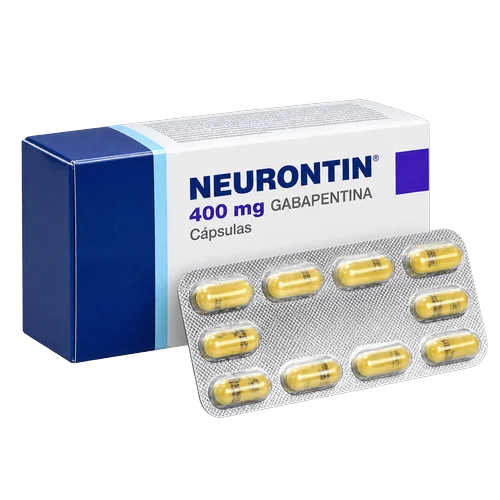
Neurontin contains gabapentin, an anticonvulsant that reduces excessive nerve signalling. It is supplied as oral capsules, and the amount and frequency of use are individualized.

Dosage and administration

The amount and frequency of Neurontin depend on the purpose of treatment and are agreed with a doctor or pharmacist. Kidney function is a major factor because gabapentin is eliminated mainly through the kidneys.

  • Swallow the capsule with water.
  • Take each dose at the prescribed time.
  • Keep the daily schedule as even as possible.
  • Do not open, crush, or chew the capsule unless a prescriber gives different instructions.
  • Do not increase the amount because pain remains severe after an early dose.
  • Do not stop regular treatment suddenly.

The available capsule is one product form. A prescriber may select a different strength, alter the interval between doses, or use a gradual titration schedule. Older adults and people with reduced kidney function often need lower or less frequent dosing. Dialysis can also affect the dosing plan.

If a dose is missed, take it when remembered unless the next scheduled dose is near. In that situation, skip the missed dose and continue with the normal schedule. Do not take two doses together to compensate.

A practical way to reduce missed doses is to link gabapentin with the same daily routine, such as breakfast or an evening meal, while keeping the prescribed timing unchanged.

One detail patients often miss is the difference between taking a missed dose and doubling up. Extra gabapentin can increase sleepiness, unsteadiness, blurred vision, and confusion without restoring pain control more quickly.

Reasons not to use it

  • A previous allergic reaction to gabapentin or an ingredient in the capsule.
  • Significant kidney impairment or dialysis.
  • A history of breathing problems, severe respiratory disease, or sleep-related breathing disorders.
  • Current opioid treatment or use of other medicines that cause marked sedation.
  • Pregnancy, planned pregnancy, or breastfeeding.
  • A history of depression, suicidal thoughts, or major mood changes.
  • Older age, frequent falls, or substantial balance impairment.

Gabapentin may interact pharmacodynamically with opioids, benzodiazepines, sleep medicines, sedating antihistamines, and alcohol. These combinations can increase drowsiness and respiratory depression. Antacids containing aluminium or magnesium can reduce gabapentin absorption; separating them from gabapentin by at least two hours is commonly advised in product information.

When this is not for you

Neurontin is not suitable for everyone. NOT for you if a clinician has identified a serious gabapentin allergy, substantial breathing risk, or a dosing plan that cannot accommodate your kidney function. Tell your doctor if you have kidney disease or dialysis, breathing problems, take opioids or other sedating medicines, are pregnant or breastfeeding, or have a history of depression, suicidal thoughts, falls, or major balance problems.

Possible side effects

Gabapentin is tolerated by many patients, but its effects on the nervous system can be noticeable. The most common problems include sleepiness, dizziness, reduced coordination, fatigue, blurred vision, and peripheral oedema. Peripheral oedema means fluid-related swelling, most often around the ankles.

Side effects may be more prominent during initiation or after an increase. Some improve as the body adapts, while persistent problems can require a change in treatment.

Serious reactions require prompt medical attention. These include facial or throat swelling, breathing difficulty, severe rash, widespread blistering, marked confusion, extreme sedation, or new suicidal thoughts. Gabapentin has also been associated with respiratory depression, with higher risk in people using opioids or other central nervous system depressants.

A small but practical issue is balance. A patient may describe dizziness as “feeling off” rather than spinning. That symptom still matters if it affects stairs, driving, bathing, or walking outdoors.

Avoid alcohol while assessing your response to gabapentin. Alcohol can add to sedation and make balance problems harder to recognise.

Abrupt discontinuation can cause withdrawal symptoms and may increase seizure risk in people taking gabapentin for epilepsy. Symptoms can include anxiety, insomnia, nausea, sweating, pain flare, and abnormal sensations. Regular treatment is normally reduced gradually when discontinuation is appropriate.

Therapeutic indications

Neurontin has established uses in postherpetic neuralgia and as adjunctive treatment for partial seizures. Clinical guidelines and regulatory documents distinguish these indications from other uses that may occur in practice.

Clinical use What gabapentin targets Evidence and prescribing context
Postherpetic neuralgia Persistent burning, electric, stabbing, or hypersensitive pain after shingles Established indication in prescribing information
Partial seizures Excessive electrical activity arising from a localized brain region Used as add-on anticonvulsant treatment
Other neuropathic pain Abnormal pain signalling from damaged nerves May be considered in selected patients; response varies

Management of Postherpetic Neuralgia and Neuropathy

Postherpetic neuralgia can continue after the shingles rash has healed. Pain may feel burning, shooting, freezing, or painful to light touch. Gabapentin acts on nerve signalling rather than treating the original varicella-zoster infection.

Doctors may also use gabapentin in selected cases of diabetic neuropathy or other chronic nerve pain. These uses require clinical judgement because evidence differs by condition, and some patients obtain little relief. The National Institute for Health and Care Excellence lists gabapentin among medicines that can be considered for neuropathic pain, alongside other pharmacological options. [2]

A useful distinction is that gabapentin is aimed at neuropathic pain, not ordinary muscle soreness, uncomplicated arthritis, or short-term inflammation. It may take repeated dosing and gradual adjustment before the benefit can be assessed.

Comparison

The best alternative depends on whether the treatment target is neuropathic pain, partial seizures, or both. Options differ in mechanism, metabolism, dosing schedule, and adverse effects.

Treatment category Main distinction from Neurontin
Immediate-release gabapentin Same active substance and core mechanism; dosing is adjusted to the clinical purpose
Extended-release gabapentin formulations Modified release and different administration requirements; not interchangeable without prescribing instructions
Other neuropathic-pain medicines May act through serotonin, noradrenaline, sodium channels, or other pathways, with different risks

Gabapentin enacarbil is a prodrug converted to gabapentin in the body. Its absorption characteristics differ from immediate-release gabapentin. Extended-release products also have their own administration instructions, so a patient should not substitute one formulation for another capsule-for-capsule.

For epilepsy, other antiepileptic medicines may be preferred according to seizure type, pregnancy considerations, interactions, and previous treatment response. For neuropathic pain, a prescriber may consider an antidepressant with analgesic activity or another anticonvulsant. The choice is clinical rather than a simple strength comparison.

Common mistakes

Several practical mistakes can make Neurontin seem ineffective or unnecessarily difficult to tolerate:

  • Increasing the dose without allowing the prescribed titration plan to work.
  • Stopping after one or two doses because pain has not changed.
  • Taking a double dose after a missed capsule.
  • Driving before understanding the individual effect on alertness.
  • Combining gabapentin with alcohol, opioids, or sleep medicines.
  • Assuming that pain relief means the underlying diabetes or shingles process is cured.
  • Stopping suddenly after regular use.
  • Forgetting to mention kidney disease or dialysis.
  • Treating a new rash, facial swelling, or breathing difficulty as an ordinary side effect.

One practical detail deserves emphasis: dizziness can appear before obvious sleepiness. A person may feel capable of working while reaction time and foot placement are already impaired.

The first few doses and every dose increase deserve extra caution around ladders, cycling, machinery, and driving. Wait until your personal response is clear.

What doctors say

In clinical practice, doctors usually assess three outcomes separately: pain intensity, sleep disruption, and daily function. A lower pain score matters, but improved walking, fewer night awakenings, or less sensitivity to clothing can be equally meaningful.

A neurologist would usually expect gradual adjustment rather than immediate relief from the first capsule. For seizure treatment, adherence is central because irregular use can reduce protection. For postherpetic neuralgia, the response may be partial, and a clinician may continue treatment only if the benefit outweighs sedation or dizziness.

Health Canada’s prescribing information emphasises renal dosing, central nervous system effects, and gradual discontinuation. The European Medicines Agency also recognises gabapentin’s potential for dependence-related problems in susceptible patients, even though it is not an opioid. [3]

Doctors also ask about other sedating substances. Patients sometimes mention prescription opioids but forget to mention cannabis, sleep aids, or non-prescription antihistamines. Each can change the safety profile.

Common questions

Can Neurontin affect driving, concentration, or machinery work?

Gabapentin can cause dizziness, somnolence, blurred vision, and reduced coordination, all of which can affect driving or machinery work. Health Canada’s 2023 product information identifies these nervous-system effects as relevant safety concerns, with guidance current to its published prescribing material. The European Medicines Agency also describes impairment risk when gabapentin is combined with other sedatives. Do not drive or operate machinery until you know how the prescribed regimen affects you.

What should I do if the expected result does not come?

A partial response does not automatically mean the medicine has failed, because the treatment plan may require gradual adjustment and enough time to assess function. NICE guidance from 2020 recommends reviewing benefit, tolerability, and the effect on daily life when treating neuropathic pain. Do not raise the dose independently or add another sedating medicine. A doctor can reassess the diagnosis, kidney function, adherence, interactions, and alternative treatments.

What should I do after a missed dose?

Take the missed capsule when remembered unless the next scheduled dose is close. The FDA Neurontin prescribing information from 2024 advises avoiding a double dose after a missed dose. Resume the usual schedule rather than trying to catch up. If missed doses happen often, a simpler schedule or reminder system may be needed.

How long does one dose keep working?

The duration of symptom control varies with the prescribed schedule, kidney function, treatment target, and individual response. Gabapentin is eliminated through the kidneys, so impaired renal function can prolong exposure; Health Canada’s 2023 product information identifies renal adjustment as a prescribing consideration. One capsule should not be treated as a reason to take extra medication when pain returns. The prescribed interval is the appropriate guide.

How long does a course last, and is long-term use acceptable?

The duration depends on the condition, seizure control, pain response, adverse effects, and kidney function. Long-term treatment can be appropriate when the benefit remains clear and the regimen is reviewed periodically. The EMA pharmacovigilance information from 2022 highlights the need to monitor dependence and withdrawal-related symptoms in susceptible patients. Never stop regular gabapentin suddenly; discontinuation is normally gradual.

What should be discussed with a doctor before starting Neurontin?

Discuss kidney disease, dialysis, breathing disorders, previous drug allergies, pregnancy or breastfeeding, mood changes, and every medicine or sedating substance used. FDA prescribing information from 2024 warns about respiratory depression with central nervous system depressants, including opioids. Mention alcohol, sleep medicines, antihistamines, and medicines for anxiety because patients often overlook them. Confirm the treatment goal, the planned schedule, and what symptoms should prompt urgent medical attention.

Do you offer anonymous delivery?

Your order will be securely packed and shipped within 24 hours. This is exactly what your package will look like (images of an actual item sent). It has the size and look of a regular private letter (24x11x0.7 cm) and its contents cannot be seen.

Comparison

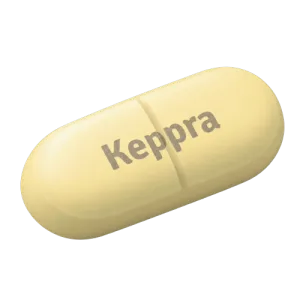
Keppra

Active ingredient: Levetiracetam
250mg 500mg
From $ 195.51
pills
3.8 (3)

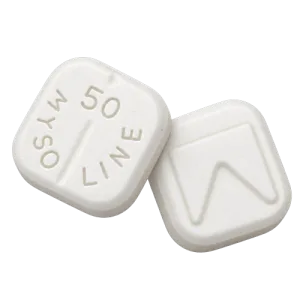
Mysoline

Active ingredient: Primidone
250mg
From $ 154.35
tablets
4 (3)

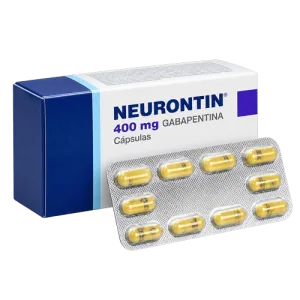
Neurontin Current

Active ingredient: Gabapentin
100mg 300mg 400mg 600mg 800mg
From $ 60.27
pills
3.8 (5)

Comparison table: Epilepsy

Sources

  1. U.S. Food and Drug Administration (2024). Neurontin (gabapentin) Prescribing Information.
  2. National Institute for Health and Care Excellence (2020). Neuropathic pain in adults: pharmacological management in non-specialist settings, NICE guideline CG173.
  3. European Medicines Agency (2022). Gabapentinoids: recommendations for use and risk of dependence and withdrawal.

How Buyers Rate Neurontin

Based on 5 reviews

Graham, 54 Verified
Rating: 5 out of 5

I used the capsules for nerve pain after shingles. The burning sensation became much less intrusive over several weeks, and I was able to sleep through more of the night. I was satisfied with the improvement.

Quebec City Several weeks Nov 10, 2026
Craig, 48 Verified
Rating: 4 out of 5

Neurontin helped reduce the sharp electric jolts in my leg. I noticed a clearer benefit after taking it consistently rather than judging it from the first day. It made normal evening activities easier again.

Windsor Nov 5, 2026
Kevin, 35 Verified
Rating: 3.5 out of 5

The medicine reduced the tingling, but the improvement was slower and smaller than I expected. I also felt mildly dizzy at first, so I avoided driving until that passed. It helped, though it was not a complete solution.

Kitchener At first Oct 16, 2026
Alan, 67 Verified
Rating: 5 out of 5

My nighttime nerve pain became easier to manage after the treatment was adjusted. I could walk around the house more comfortably and sleep for longer stretches. The benefit felt practical rather than dramatic, which suited my expectations.

Montreal Oct 28, 2026
Neil, 39 Verified
Rating: 1.5 out of 5

Neurontin did not improve my pain enough to justify continuing it. I became very sleepy and unsteady after starting, then stopped after discussing the problem with my doctor. The side effects were more noticeable than the benefit for me.

Barrie After starting Oct 12, 2026
Get our free app Shop faster and track your orders 4.0 · 402 reviews Install