Skip to content
contact@fairviewphysiotheraapy.com
Fast & Discrete Delivery Save up to 80%
In stock Lopid
High Cholesterol

Lopid

Gemfibrozil, the active ingredient of Lopid, is a fibric-acid derivative used to manage elevated blood lipids. Lopid is prescribed for adults whose triglyceride or cholesterol levels need…

Guaranteed quality Original product
Delivery: from 4 days Discreet shipping
24/7 Support Always available
Active ingredient: Gemfibrozil
Select pack Package Per unit Price
$ 6.13 $ 183.75
$ 4.46 $ 367.50 $ 267.54 Save 27%
Free Regular Delivery $ 3.94 $ 551.25 $ 354.27 Save 36%
Free Regular Delivery $ 3.63 $ 735.00 $ 435.12 Save 41%
Free Express Delivery $ 3.37 $ 1,102.50 $ 607.11 Save 45%
Free Express Delivery $ 3.19 $ 1,653.75 $ 861.42 Save 48%
Best value Free Express Delivery $ 3.08 $ 2,205.00 $ 1,109.85 Save 50%

Free delivery on orders from $ 294.00, free express delivery from $ 441.00

Secure payment methods:
VISA AMEX JCB DISCOVER

Gemfibrozil, the active ingredient of Lopid, is a fibric-acid derivative used to manage elevated blood lipids. Lopid is prescribed for adults whose triglyceride or cholesterol levels need pharmacological treatment. It lowers triglyceride-rich lipoproteins and can help improve the balance between harmful and protective cholesterol fractions.

Overview

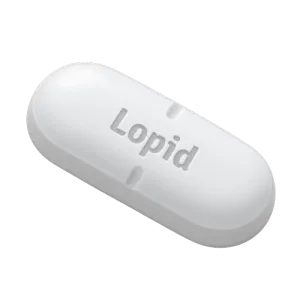
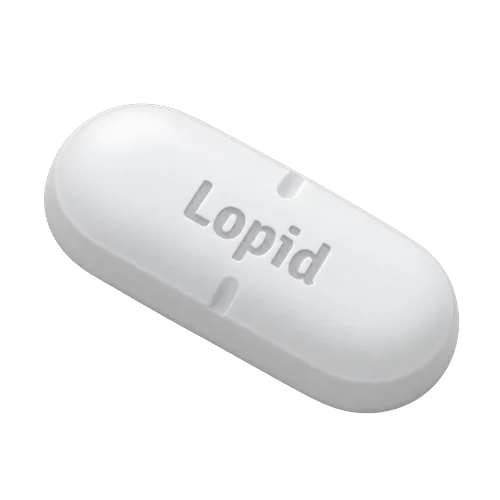
Lopid contains gemfibrozil, a lipid-regulating medicine in the fibric-acid derivative class. It is supplied as oral tablets and is prescribed for adults with certain forms of dyslipidemia, including high triglycerides or mixed lipid abnormalities.

How it affects the body

Gemfibrozil changes the way the liver and other tissues handle circulating fats. It increases the activity of lipoprotein lipase, an enzyme that helps break down triglycerides carried in very-low-density lipoproteins. This can reduce circulating triglyceride levels and alter the composition of other lipoproteins. The resulting reduction varies with the underlying lipid disorder. Kidney function and other medicines can alter the response.

The medicine also reduces the production of some triglyceride-rich particles in the liver. In plain language, Lopid helps the body process and clear certain blood fats more efficiently. The precise laboratory response depends on the underlying lipid disorder, diet, metabolic health, kidney function, and other medicines.

Lopid differs from statins because its main pharmacological effect is directed toward triglyceride-rich lipoproteins rather than primarily reducing cholesterol synthesis through HMG-CoA reductase inhibition. Fenofibrate belongs to the same broad fibric-acid family but has a different active substance and pharmacokinetic profile. The American College of Cardiology and the American Heart Association place fibrate therapy within a treatment strategy guided by triglyceride concentration and cardiovascular risk, while the World Health Organization stresses that lipid treatment should be combined with broader risk-factor management [2].

Gemfibrozil can be useful when triglycerides are the main concern. It may be less suitable when another lipid-lowering approach is required or when a patient uses medicines that interact with it.

Formulation

Lopid contains gemfibrozil, a lipid-regulating medicine in the fibric-acid derivative class. It is supplied as oral tablets and is prescribed for adults with certain forms of dyslipidemia, including high triglycerides or mixed lipid abnormalities.

Gemfibrozil works mainly on triglyceride metabolism. It activates pathways involved in the breakdown and clearance of triglyceride-rich particles from the bloodstream. The treatment goal is not simply a lower cholesterol reading; it is a safer lipid profile that matches the person’s cardiovascular risk and laboratory results.

The active ingredient can also influence high-density lipoprotein cholesterol, often called HDL cholesterol. HDL is involved in transporting cholesterol away from tissues for processing. The response differs between patients, so lipid testing remains part of treatment assessment. The Canadian product information and regulatory labelling for gemfibrozil describe its use in selected lipid disorders rather than as a general treatment for every abnormal cholesterol result [1].

Gemfibrozil is usually taken before meals because food timing affects how the medicine is absorbed. Taking it at the same planned times each day makes missed doses less likely.

Dosage and administration

The amount of Lopid prescribed for each intake is selected individually. The prescriber bases the regimen on the lipid abnormality, kidney and liver function, age, other medicines, and response to follow-up blood tests.

  • Take Lopid by mouth as prescribed.
  • Take each dose before a meal, following the prescribed schedule.
  • Swallow the tablet with water.
  • Keep the dosing times consistent from day to day.
  • Do not increase the amount because a laboratory result remains abnormal.
  • Do not take two doses together after forgetting one.
  • If the next scheduled dose is near, skip the missed dose and continue with the normal schedule.
  • If there is plenty of time before the next dose, take the missed dose when remembered unless the prescriber has given different instructions.

A lipid-lowering course can continue for an extended period when the prescriber considers the benefit appropriate. Treatment normally includes repeat lipid testing and assessment of muscle symptoms, digestive symptoms, kidney function, and interactions with other medicines.

A common practical error is taking a pre-meal dose after eating because the person remembers it late. A consistent routine before the planned meal is easier to maintain than trying to correct the timing repeatedly.

Do not crush, split, or chew a tablet unless the prescribed product instructions specifically permit it. Taking more than prescribed does not produce a faster improvement in triglycerides and can increase the chance of adverse effects.

Reasons not to use it

Lopid is not suitable for everyone. This medication is not for you if you have a known allergy to gemfibrozil, severe liver disease, severe kidney impairment, or active gallbladder disease unless a specialist has given a specific treatment plan.

Gemfibrozil should not be combined with certain medicines because the interaction can cause serious harm. Important examples include:

  • Simvastatin, because of a marked risk of muscle injury.
  • Repaglinide, because gemfibrozil can greatly increase repaglinide exposure and cause low blood glucose.
  • Certain anticoagulants, including warfarin, because anticoagulant effects may change and require close monitoring.
  • Other lipid-lowering medicines, when the combination increases the risk of muscle or liver toxicity.
  • Medicines that affect liver enzymes or are strongly protein-bound, where interaction assessment is needed.

The FDA prescribing information describes clinically significant interactions involving gemfibrozil, including simvastatin and repaglinide, and gives specific warnings about muscle toxicity, gallbladder disease, and liver effects [3].

When this is not for you

People with a history of gallstones, gallbladder disease, pancreatitis, liver abnormalities, kidney problems, or unexplained muscle symptoms require careful evaluation before treatment. Pregnancy and breastfeeding also require an individual risk assessment because lipid-lowering treatment is not routinely continued during pregnancy.

The full medication list should include prescription drugs, non-prescription medicines, vitamins, and herbal products. Supplements can affect bleeding risk, liver function, or the metabolism of other medicines.

Possible side effects

The most frequently reported problems with gemfibrozil involve the digestive system. Possible effects include indigestion, nausea, abdominal discomfort, diarrhoea, vomiting, or constipation. Headache, dizziness, fatigue, and skin reactions can also occur.

Mild symptoms may settle as the body adapts, but persistent or worsening symptoms deserve clinical review. A person who develops unusual muscle pain should not simply treat it as exercise soreness, especially if the discomfort is accompanied by weakness, fever, or dark urine.

Seek urgent medical attention for:

  • Severe muscle pain or marked weakness.
  • Dark or cola-coloured urine.
  • Yellowing of the skin or eyes.
  • Severe upper abdominal pain.
  • Facial swelling, breathing difficulty, or widespread blistering rash.
  • Sudden severe abdominal symptoms with persistent vomiting.

Gemfibrozil can affect the gallbladder and has been associated with gallstones in susceptible patients. Upper-right abdominal pain after meals, nausea, or yellowing of the eyes needs prompt assessment. Liver test abnormalities are also possible, which is why ongoing treatment may include laboratory monitoring.

One detail patients often miss is the difference between ordinary post-exercise soreness and possible medicine-related muscle injury. New, unexplained muscle symptoms should be reported with the exact time they began and any other lipid medicines being used.

Tell the prescriber about new muscle pain before taking another dose of any additional cholesterol medicine. The combination of gemfibrozil with certain statins carries a recognised muscle-toxicity risk.

Another practical issue is that dizziness or headache can affect concentration in some people. The first few doses are a sensible time to observe how Lopid affects alertness before operating machinery.

Therapeutic indications

Lopid is prescribed for adults with certain forms of dyslipidemia, including elevated triglycerides or mixed lipid abnormalities. It helps lower triglyceride-rich lipoproteins and may improve the balance between harmful and protective cholesterol fractions when pharmacological treatment is needed.

Comparison

The closest comparisons are pharmacological categories rather than commercial products. Gemfibrozil and fenofibrate are fibrates, while statins belong to another lipid-lowering class.

Treatment approach Main lipid focus Practical distinction
Gemfibrozil Triglycerides and triglyceride-rich lipoproteins Requires careful interaction review, especially with some statins
Fenofibrate Triglycerides, with effects on other lipid fractions Uses a different active substance and may be selected according to kidney function and the rest of the regimen
Statin therapy Primarily LDL cholesterol and cardiovascular risk reduction Usually chosen when LDL cholesterol reduction is the main treatment objective

A clinician may select a fibrate when triglycerides remain substantially elevated despite dietary measures or when the lipid pattern calls for this type of action. A statin may be preferred when LDL cholesterol and established cardiovascular risk are the dominant concerns. Combining lipid-lowering medicines requires a deliberate interaction review rather than an automatic assumption that more than one medicine is better.

Gemfibrozil has a clinically important interaction with several statins. The combination can increase the risk of muscle injury, including severe muscle breakdown. This interaction is one reason a prescriber reviews every lipid medicine, prescription, and supplement before changing treatment.

Common mistakes

Several everyday errors can reduce treatment quality or increase risk:

  • Taking the tablet only when a cholesterol result seems high.
  • Taking it after meals when the prescribed schedule is before meals.
  • Doubling the next dose after forgetting one.
  • Starting a statin or another lipid medicine without reporting gemfibrozil use.
  • Ignoring new muscle pain because it resembles ordinary physical strain.
  • Stopping as soon as a blood test improves without discussing the longer plan.
  • Assuming a normal-feeling day means triglycerides are under control.
  • Forgetting to mention kidney disease, gallstones, or liver problems.
  • Treating diet as irrelevant once a lipid-lowering medicine has been prescribed.

Stopping without tapering is usually not a withdrawal problem with gemfibrozil, because it is not a dependence-forming medicine. The concern is loss of lipid control. If treatment is stopped, triglyceride or cholesterol levels may rise again according to the underlying condition.

Record the time of each dose beside the meal it precedes. This simple habit helps identify whether digestive symptoms, missed doses, or irregular timing are affecting the treatment routine.

What doctors say

In clinical practice, physicians usually view gemfibrozil as a targeted treatment for a defined lipid pattern rather than a universal cholesterol tablet. The choice depends on whether triglycerides, LDL cholesterol, HDL cholesterol, or a mixed pattern is the main concern.

A doctor will usually ask about alcohol intake, diabetes, thyroid disease, kidney function, previous gallstones, and current medicines. These factors can influence triglycerides and also change the risk profile of treatment. Diet and weight management remain relevant because a medicine does not remove the metabolic causes of high triglycerides.

Doctors also look for a measurable response rather than relying on symptoms. High triglycerides often produce no obvious warning signs, so feeling well does not show whether the treatment is working. Blood testing provides the useful feedback.

A short treatment period may be enough to assess the initial response, while some patients continue treatment longer when the underlying lipid disorder persists. The plan can change if the lipid pattern changes, if kidney or liver function changes, or if another medicine becomes necessary.

Bring a complete list of medicines to every lipid review. Gemfibrozil interactions can involve drugs prescribed for diabetes, cholesterol, blood clotting, and heart disease.

Common questions

What happens when Lopid is stopped, and does it need tapering?

Gemfibrozil does not normally require a gradual taper because it is not associated with physical dependence. Stopping can remove its lipid-lowering effect, so triglyceride levels may rise again when the underlying disorder remains. The FDA prescribing information reviewed in 2018 describes gemfibrozil as a lipid-regulating medicine rather than a treatment that requires withdrawal tapering. The practical issue is arranging a replacement plan or follow-up test when treatment ends.

How long does a Lopid course last, and is long-term use acceptable?

The course length depends on the lipid disorder, response to testing, tolerability, and cardiovascular risk. Some people use gemfibrozil for an extended period when the prescriber continues to find the treatment appropriate. Health Canada product information from 2019 supports ongoing clinical assessment through lipid results and safety monitoring rather than a fixed course for every patient. Long-term treatment is not automatically suitable if kidney, liver, gallbladder, or interaction risks change.

Can Lopid affect driving, concentration, or work with machinery?

Gemfibrozil does not usually impair every patient’s alertness, but dizziness, headache, or fatigue can occur. The WHO’s medicine-safety principles, discussed in its 2023 medication-use materials, support observing individual reactions before undertaking tasks requiring sustained attention. Avoid driving or machinery work if you feel dizzy, unusually tired, confused, or visually affected. Alcohol can worsen dizziness and may also aggravate triglyceride problems, so limiting it is sensible during treatment.

What should be done after a missed Lopid dose?

Take the missed dose when remembered only if the next scheduled dose is not close. If the next dose is near, skip the forgotten dose and return to the usual schedule. Do not take extra tablets to compensate, because an additional dose does not correct the lipid result more quickly and may increase adverse effects. The FDA prescribing information from 2018 supports avoiding dose doubling unless a specific product instruction says otherwise.

How does Lopid differ from the closest alternative?

Lopid contains gemfibrozil, while the closest alternative by mechanism is another fibrate containing fenofibrate. Both treatments act on triglyceride-rich lipoprotein metabolism, but they differ in pharmacokinetics, interaction profiles, and prescribing considerations. EMA’s 2010 fibrate referral materials describe selection according to lipid pattern, kidney function, and concurrent treatment rather than a single best option for every patient. Gemfibrozil requires special care with some statins and repaglinide, which can influence the choice between fibrate approaches.

Do you offer anonymous delivery?

Your order will be securely packed and shipped within 24 hours. This is exactly what your package will look like (images of an actual item sent). It has the size and look of a regular private letter (24x11x0.7 cm) and its contents cannot be seen.

Comparison

Lopid Current

Active ingredient: Gemfibrozil
300mg
From $ 183.75
pills
3.6 (5)

Rosuvastatin

Active ingredient: Rosuvastatin
10mg
From $ 145.53
pills
4 (4)

Shuddha Guggulu

Active ingredient: Shuddha Guggulu, Guggulsterone
60caps
From $ 129.36
bottles
4.1 (5)

Comparison table: High Cholesterol

Sources

  1. Health Canada (2019). Lopid Product Monograph — gemfibrozil tablets.
  2. American College of Cardiology and American Heart Association (2018). 2018 Guideline on the Management of Blood Cholesterol.
  3. U.S. Food and Drug Administration (2018). LOPID (gemfibrozil) Tablets Prescribing Information.

How Buyers Rate Lopid

Based on 5 reviews

Martin, 41 Verified
Rating: 4 out of 5

Kelowna, I took Lopid for several months as part of my triglyceride treatment. My follow-up results improved, and I liked that the routine fitted around breakfast and dinner without making me feel different during the day.

Kelowna Several months Nov 5, 2026
Kevin N., 50 Verified
Rating: 4.5 out of 5

St. Catharines, Lopid gave me a clear improvement in my blood-test results after I had been consistent with the prescribed schedule. I kept the tablets beside my water glass before meals, which made remembering them straightforward.

St. Catharines Nov 11, 2026
Lee, 58 Verified
Rating: 3.5 out of 5

Lethbridge, My triglycerides came down, although the change was slower than I expected. I noticed occasional stomach discomfort during the first part of treatment, so I kept a symptom record and discussed it at my next review.

Lethbridge The first part of treatment Oct 16, 2026
Peter, 32 Verified
Rating: 4 out of 5

Kingston, I found the tablets easy to fit into my working day and felt satisfied with the improvement shown on repeat testing. The main benefit for me was having a routine that did not interfere with normal activities.

Kingston Oct 29, 2026
Steven, 58 Verified
Rating: 2 out of 5

Saint John, Lopid did not suit me. I developed persistent muscle discomfort and stopped taking it after speaking with my doctor, who reviewed other options and arranged follow-up testing.

Saint John Oct 20, 2026
Get our free app Shop faster and track your orders 4.0 · 402 reviews Install