Skip to content
contact@fairviewphysiotheraapy.com
Fast & Discrete Delivery Save up to 80%
In stock Valtrex
Antivirals

Valtrex

Valacyclovir, the active ingredient of Valtrex, is an oral antiviral prodrug used for herpes simplex and varicella-zoster virus infections. It converts to acyclovir in the body, where it slows viral…

Guaranteed quality Original product
Delivery: from 4 days Discreet shipping
24/7 Support Always available
Active ingredient: Valacyclovir
Select dosage:
Select pack Package Per unit Price
$ 8.28 $ 248.43
Free Regular Delivery $ 6.88 $ 496.86 $ 413.07 Save 17%
Free Express Delivery $ 6.44 $ 745.29 $ 579.18 Save 22%
Best value Free Express Delivery $ 6.20 $ 993.72 $ 743.82 Save 25%
$ 7.45 $ 223.44
Free Regular Delivery $ 6.30 $ 446.88 $ 377.79 Save 15%
Free Express Delivery $ 5.88 $ 670.32 $ 529.20 Save 21%
Best value Free Express Delivery $ 5.72 $ 893.76 $ 686.49 Save 23%

Free delivery on orders from $ 294.00, free express delivery from $ 441.00

Secure payment methods:
VISA AMEX JCB DISCOVER

Valacyclovir, the active ingredient of Valtrex, is an oral antiviral prodrug used for herpes simplex and varicella-zoster virus infections. It converts to acyclovir in the body, where it slows viral DNA replication and can shorten outbreaks, reduce symptoms, and support suppressive treatment.

Overview

Valtrex is an oral antiviral medicine containing valacyclovir, the L-valine ester prodrug of acyclovir. It belongs to the oral antiviral therapy class and is used against herpes simplex virus and varicella-zoster virus infections.

How it affects the body

Valtrex works through intracellular activation. The sequence is selective because infected cells contain viral enzymes that help activate acyclovir more efficiently than uninfected cells.

Prodrug conversion and bioavailability

After oral administration, valacyclovir is converted to acyclovir in the gastrointestinal tract and liver. This prodrug design improves oral bioavailability compared with acyclovir, so the body can achieve useful acyclovir exposure with less frequent administration in many treatment plans.

The conversion pathway is:

  1. Valacyclovir enters the circulation after oral absorption.
  2. Enzymes convert it to acyclovir.
  3. Viral thymidine kinase converts acyclovir into acyclovir monophosphate.
  4. Cellular enzymes convert the monophosphate into diphosphate and then the active triphosphate.
  5. The active triphosphate interferes with viral DNA polymerase.
  6. It can be incorporated into viral DNA and halt further chain extension.

Inhibition of viral replication

The active triphosphate inhibits viral DNA synthesis and reduces replication of herpes simplex and varicella-zoster viruses. It does not directly destroy viral particles already present in nerve tissue.

This explains why Valtrex can shorten an outbreak without curing herpes infection. The virus remains latent in the body and may reactivate later. Suppressive treatment can reduce recurrence frequency for selected patients.

Formulation

Valtrex contains valacyclovir, also called valaciclovir, the L-valine ester prodrug of acyclovir. Its pharmacological class is oral antiviral therapy. Valacyclovir hydrochloride is converted into acyclovir after oral administration, allowing the active antiviral compound to reach the bloodstream more efficiently than oral acyclovir alone [1].

Valtrex tablets are used for infections caused by herpes simplex virus and varicella-zoster virus. Treatment selection depends on the infection, whether it is a first episode or recurrence, kidney function, immune status, and the clinical plan agreed with a doctor or pharmacist.

Active ingredient profile

Valacyclovir is absorbed through the gastrointestinal tract and converted rapidly to acyclovir. The active compound does not remove herpes viruses from the body. It limits viral replication while treatment is active.

The medicine is prescribed for:

  • Genital herpes caused by herpes simplex virus
  • Cold sores, also called labial herpes
  • Herpes zoster, commonly known as shingles
  • Selected cases of chickenpox caused by varicella-zoster virus
  • Suppression of recurrent herpes simplex infections
  • Prevention of herpes simplex infection in selected immunocompromised patients

Dosage and administration

The tablet is swallowed orally. It may be taken with or without food. Water can help with administration. The prescribed schedule depends on the infection. Kidney function can affect the dose.

The amount to use and the frequency of administration depend on the purpose of treatment and are agreed with a doctor or pharmacist. A first genital herpes episode, a recurrent episode, cold sores, shingles, and suppressive therapy do not use identical schedules.

Treatment planning considers:

  • The viral condition being treated
  • First episode versus recurrent infection
  • Kidney function and estimated creatinine clearance
  • Age and hydration status
  • Immune suppression
  • Whether the goal is outbreak treatment or long-term suppression
  • Other medicines that may affect kidney function

Valtrex tablets are taken by mouth with water. They may be taken with or without food. A full course is usually completed even when pain and blistering improve early, unless a prescriber changes the plan.

Renal impairment requires dose adjustment because acyclovir is cleared mainly through the kidneys. Older adults may need closer attention to hydration and kidney function, especially during acute illness.

Do not compensate for a missed tablet by taking extra tablets. Taking more than prescribed can raise the risk of kidney injury and neurological reactions without making the virus disappear faster.

Reasons not to use it

Valtrex is not suitable for everyone. This medication is not for you if you have had a serious allergic reaction to valacyclovir, acyclovir, or an ingredient in the prescribed formulation.

Medical review is needed before starting treatment in the following situations:

  • Reduced kidney function or dialysis
  • Advanced age with uncertain renal function
  • Dehydration, persistent vomiting, or severe diarrhoea
  • A weakened immune system
  • Pregnancy or breastfeeding
  • Previous neurological reactions during antiviral therapy
  • Medicines that can affect kidney function
  • A history of severe allergy to acyclovir-related treatment

Kidney function is central to safe dosing. Medicines such as tacrolimus, ciclosporin, certain chemotherapy agents, and other nephrotoxic drugs may increase the need for renal monitoring. Probenecid and cimetidine can affect acyclovir handling and should be disclosed before treatment.

Valtrex does not replace assessment for eye involvement, meningitis symptoms, disseminated shingles, or severe genital disease. Eye pain, vision changes, a stiff neck, confusion, severe headache, or rapidly spreading lesions warrant urgent assessment.

When this is not for you

This medication is not for you if you have had a serious allergic reaction to valacyclovir, acyclovir, or an ingredient in the prescribed formulation. Talk to a clinician before using it if you have kidney problems or dialysis, are older and unsure of your kidney function, are dehydrated, pregnant, breastfeeding, immunocompromised, or have previously experienced neurological reactions during antiviral treatment. Tell the prescriber about medicines that may affect your kidneys and any severe allergy to acyclovir-related treatment.

Possible side effects

Valtrex is often tolerated without serious problems, but side effects can occur. Common reactions include headache, nausea, abdominal discomfort, vomiting, and diarrhoea. These symptoms may be more noticeable during treatment for an acute infection.

Possible adverse effects include:

  • Headache
  • Nausea or stomach upset
  • Vomiting or diarrhoea
  • Dizziness
  • Skin rash or itching
  • Confusion, agitation, hallucinations, tremor, or unusual drowsiness
  • Reduced urine output or other signs of kidney injury

Neurological reactions are more concerning in older adults and people with reduced kidney function. They can appear when the dose is too high for renal clearance. Confusion or hallucinations after starting treatment should not be dismissed as ordinary tiredness.

Rare severe reactions include serious skin reactions, allergic reactions, and blood abnormalities. Facial swelling, difficulty breathing, blistering skin, peeling skin, or sudden severe weakness requires urgent medical care. Health Canada safety information describes renal and neurological precautions that guide dose selection [2].

Drink fluids regularly unless a clinician has prescribed fluid restriction for heart or kidney disease. Dehydration during fever, vomiting, or diarrhoea can increase pressure on the kidneys while acyclovir is being cleared.

Therapeutic indications

Valacyclovir is used in herpes treatment because it acts against herpes simplex virus and varicella-zoster virus. The clinical goal differs by condition: an episodic course targets an active outbreak, while suppressive therapy aims to reduce future recurrences.

Herpes simplex management

Genital herpes can cause painful blisters, ulcers, burning, itching, and discomfort during urination. Valtrex may shorten an episode when started early and may reduce the duration of viral shedding. For recurrent genital herpes, treatment can be episodic or suppressive.

Labial herpes usually begins with tingling or burning around the lips, followed by fluid-filled blisters and crusting. Early oral antiviral treatment may reduce the time until healing. It does not prevent every future cold sore, and it cannot eradicate latent herpes simplex virus from nerve tissue.

A first genital herpes episode can require a different treatment duration from a recurrence. Severe, extensive, or persistent symptoms require a clinical assessment because bacterial infection, immune suppression, or another diagnosis may alter treatment.

Varicella-zoster virus management

Herpes zoster occurs when dormant varicella-zoster virus becomes active again along a nerve pathway. It commonly produces one-sided pain, tingling, and a band of blisters. Antiviral therapy is most useful when started promptly after the rash or nerve symptoms appear.

Shingles affecting the eye, forehead, nose, ear, or face needs urgent medical assessment. Facial shingles can threaten vision or hearing. New weakness, confusion, severe headache, or widespread blistering also requires urgent care.

Valacyclovir can reduce viral activity and support healing, but it does not guarantee that post-herpetic neuralgia will be prevented. Persistent nerve pain after the rash has healed may need a separate treatment plan.


Comparison

Valtrex and acyclovir contain related antiviral chemistry. Valacyclovir is converted into acyclovir, while acyclovir is administered directly.

Treatment Main pharmacological difference Practical implication
Valacyclovir Oral prodrug converted to acyclovir Often permits less frequent administration
Acyclovir Active antiviral administered directly May require more frequent dosing
Both Inhibit viral DNA polymerase after activation Neither eliminates latent herpes virus

The L-valine ester improves oral absorption of valacyclovir. Acyclovir remains a useful antiviral option, while valacyclovir can make the dosing schedule easier for some patients.

The choice depends on kidney function, infection type, treatment frequency, prescribing experience, and individual response. The two medicines should not be combined unless a prescriber has a specific reason.

Common mistakes

Several avoidable habits can reduce the benefit of treatment or increase adverse effects:

  • Waiting until blisters are fully developed before starting an episodic course
  • Taking extra tablets after a missed dose
  • Stopping suppressive therapy without discussing recurring symptoms
  • Ignoring reduced urine output
  • Treating facial or eye shingles as an ordinary cold sore
  • Forgetting to mention kidney disease or dialysis
  • Combining antivirals without a prescribing reason
  • Assuming symptom improvement proves the infection has been cured
  • Taking tablets during dehydration caused by vomiting or diarrhoea without addressing fluid loss
  • Sharing tablets with a partner or household member

Do not crush or chew tablets unless a prescriber or pharmacist has specifically confirmed that the formulation can be altered. Swallowing the tablet as intended helps deliver the planned dose.

One subtle mistake is overlooking new confusion. In an older person with kidney impairment, confusion, hallucinations, or marked drowsiness may signal acyclovir accumulation rather than a harmless treatment effect.

What doctors say

Doctors generally frame Valtrex as a virus-suppressing treatment rather than a cure for herpes. The best results usually come from matching the regimen to the infection and starting episodic treatment early.

A clinician also looks beyond the skin lesions. Kidney function, immune status, hydration, pregnancy status, and other medicines can change the risk profile. For recurring genital herpes, the decision between episodic and suppressive therapy depends on outbreak frequency, symptom burden, transmission concerns, and personal preference.

A practical prescribing point is easy to miss: a patient with shingles may need treatment urgently even when the rash appears limited. Pain can precede the blisters, and involvement of the face or eye changes the level of urgency.

Valacyclovir is not a substitute for safer-sex measures. Suppression can lower transmission risk, but asymptomatic shedding remains possible.

Common questions

How long does a Valtrex course last, and is long-term use acceptable?

Treatment duration depends on whether Valtrex is being used for an acute outbreak, shingles, recurrent genital herpes, or suppression. Health Canada product information reviewed in 2023 describes different regimens for these clinical situations. Long-term suppressive treatment can be appropriate for selected patients, with periodic review of recurrence patterns and kidney function.

How long does one dose or application keep working?

Valtrex is an oral antiviral, so it does not create a permanent protective layer over the skin or eliminate latent virus. Its active metabolite, acyclovir triphosphate, acts inside infected cells while the treatment schedule maintains antiviral exposure. EMA product information published in 2024 supports schedule selection according to the infection, renal function, and prescribed regimen.

Can Valtrex tablets be split, crushed, or chewed?

Tablets should be swallowed as supplied unless a doctor or pharmacist gives specific instructions to alter them. Crushing or chewing can make administration unpleasant and may lead to an incomplete dose. The Canadian product information framework described by Health Canada in 2023 supports using the prescribed oral dosage form as intended.

What should be discussed with a doctor before starting Valtrex?

Discuss kidney disease, dialysis, dehydration, pregnancy, breastfeeding, immune suppression, previous allergy to acyclovir-related medicines, and all medicines that may affect kidney function. The FDA prescribing information for valacyclovir from 2021 identifies renal impairment, older age, hydration, and neurological reactions as clinically relevant considerations. These details help determine whether the regimen needs adjustment.

What should happen if the expected result does not come?

Persistent lesions, worsening pain, new fever, spreading rash, or no meaningful improvement should prompt medical reassessment rather than unsupervised dose escalation. The WHO herpes guidance published in 2023 supports clinical evaluation when symptoms are severe, recurrent, atypical, or difficult to control. Eye symptoms, confusion, severe headache, or facial shingles require urgent assessment.

Which condition rules Valtrex out completely?

A previous serious allergic reaction to valacyclovir or acyclovir rules out further use unless a specialist establishes another safe plan. Health Canada information reviewed in 2023 also supports careful treatment selection in significant renal impairment, because dose accumulation can cause kidney and neurological toxicity. Mild kidney disease does not automatically rule out treatment, but it requires an appropriate regimen.

Do you offer anonymous delivery?

Your order will be securely packed and shipped within 24 hours. This is exactly what your package will look like (images of an actual item sent). It has the size and look of a regular private letter (24x11x0.7 cm) and its contents cannot be seen.

Comparison

Famvir

Active ingredient: Famciclovir
250mg 500mg
From $ 255.78
pills
4.5 (4)

Tamiflu

Active ingredient: Oseltamivir
75mg
From $ 221.97
capsules
3.4 (5)

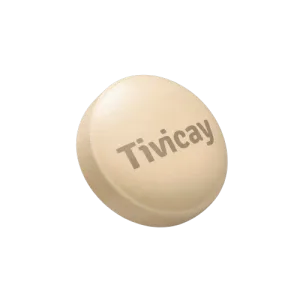
Tivicay

Active ingredient: Dolutegravir
50mg
From $ 533.61
tablets
4.3 (4)

Valtrex Current

Active ingredient: Valacyclovir
1000mg 500mg
From $ 223.44
pills
3.7 (5)

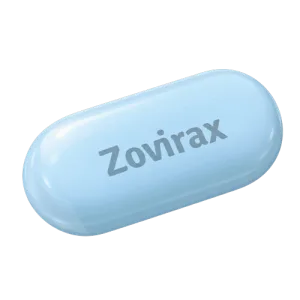
Zovirax

Active ingredient: Acyclovir
200mg 400mg 800mg
From $ 161.70
pills
3.8 (4)

Comparison table: Antivirals

Prophylaxis and long-term suppression strategies

Daily suppressive therapy can reduce the frequency of recurrent genital herpes episodes in people with frequent or distressing recurrences. It may also reduce the risk of transmission to a sexual partner, although it does not eliminate transmission risk.

Protection is strongest when suppressive treatment is combined with practical measures such as avoiding sexual contact during lesions or warning symptoms and using barrier protection. Viral shedding can occur without visible sores.

Long-term valacyclovir is used selectively. A doctor may reassess recurrence frequency, treatment goals, kidney function, and the need for continued suppression after a period of use. Immunocompromised patients may require prophylaxis against herpes simplex, but the regimen depends on the type and degree of immune suppression.

Clinical practice often reveals a simple adherence problem: patients stop suppressive therapy after several symptom-free weeks, then assume the medicine failed when outbreaks return. Suppression controls viral activity during treatment; it does not permanently remove the virus.

Sources

  1. Health Canada (2023). Canadian product monograph — valacyclovir.
  2. Health Canada (2022). Canadian product monograph — valacyclovir safety and prescribing information.

How Buyers Rate Valtrex

Based on 5 reviews

John, 30 Verified
Rating: 4 out of 5

I used Valtrex for a recurring outbreak and noticed the soreness settled sooner than it had before. The tablets were straightforward to take, and the episode felt much easier to manage.

Thunder Bay Oct 11, 2026
Lee, 33 Verified
Rating: 2 out of 5

Valtrex did not make much difference during my outbreak. The symptoms continued for several days, and I stopped relying on it after that episode because the result was disappointing.

Moncton Oct 20, 2026
Ben, 50 Verified
Rating: 4.5 out of 5

I used it at the first warning signs of a cold sore. The blister stayed smaller than usual and healed sooner, so I was pleased with how practical the treatment felt.

Kitchener Oct 23, 2026
Gareth F., 41 Verified
Rating: 4.5 out of 5

Suppressive treatment reduced the number of outbreaks I was having. It made planning work and weekends less stressful, and I found the daily routine manageable.

Barrie Nov 3, 2026
James, 54 Verified
Rating: 3.5 out of 5

Valtrex helped reduce the outbreak, but the improvement was slower than I expected and I had mild stomach upset. I discussed the result with my doctor before deciding how to handle future episodes.

Saskatoon Nov 8, 2026
Get our free app Shop faster and track your orders 4.0 · 402 reviews Install