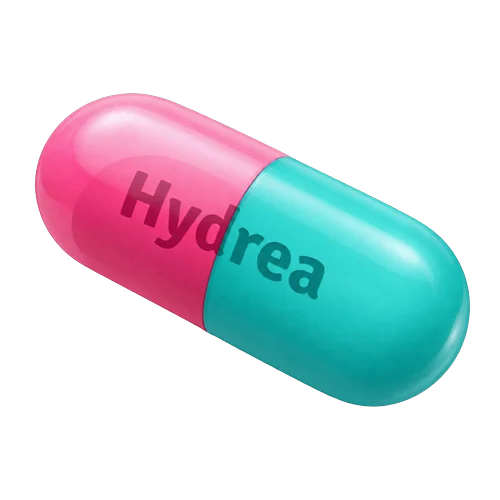
I took Hydrea for several months while my blood counts were being managed. It helped bring the results into a better range, although I felt more tired during the first part of treatment and needed regular blood tests. The routine became easier once I linked the capsule with breakfast.
Fredericton Several months Nov 10, 2026
Hydrea
Hydrea is taken by mouth as a capsule and is prescribed for selected blood cancers and myeloproliferative neoplasms. Its active ingredient, hydroxyurea, slows abnormal cell production and helps…
Hydrea is taken by mouth as a capsule and is prescribed for selected blood cancers and myeloproliferative neoplasms. Its active ingredient, hydroxyurea, slows abnormal cell production and helps control excessive bone-marrow activity. Treatment requires individualized dosing and regular blood-count monitoring.
Overview
Hydrea contains hydroxyurea, also called hydroxycarbamide. It belongs to the antimetabolite class of cytotoxic medicines.
How it affects the body
Hydroxyurea blocks ribonucleotide reductase, an enzyme needed to produce deoxyribonucleotides for DNA synthesis. Without an adequate supply of these building blocks, cells have difficulty copying DNA and progressing through the cell cycle [2].
This action affects rapidly dividing cells. Abnormal blood-forming cells can be sensitive to the treatment, but healthy bone-marrow cells may also be affected. The bone marrow produces red blood cells, white blood cells, and platelets, so Hydrea can lower more than one blood-cell type.
The practical consequences are important:
- Fewer red blood cells can contribute to anaemia and fatigue.
- Fewer white blood cells can increase vulnerability to infection.
- Fewer platelets can increase bruising or bleeding.
- Reduced marrow overactivity can help control elevated blood counts in selected MPNs.
Hydrea is described as cytotoxic because it can damage or suppress cells through its effect on replication. This does not mean that every cell is affected equally. Cells that divide more quickly are generally more exposed to the drug’s action.
Hydroxyurea differs from targeted kinase inhibitors, which block specific signalling proteins, and from immune-based treatments, which modify immune activity. It also differs from supportive treatments that manage symptoms without directly suppressing abnormal cell production.
A useful clinical nuance is that macrocytosis can develop during hydroxyurea therapy. Red blood cells may become larger even when the treatment is working, so the mean corpuscular volume is interpreted alongside haemoglobin, reticulocyte results, vitamin status, and the wider blood count.
Formulation
Hydrea contains hydroxyurea, also called hydroxycarbamide. It belongs to the antimetabolite class of cytotoxic medicines and is supplied as an oral capsule.
Dosage and administration
Hydrea is supplied as an oral capsule. Dosing differs between strengths and between users, so there is no single amount that suits everyone. The prescriber selects the regimen according to the indication, body size, kidney function, blood counts, and treatment response [3].
- Swallow the capsule whole with water.
- Take it at the prescribed interval each day.
- Do not open, crush, chew, or split the capsule.
- Do not change the dose because a blood count appears better or worse.
- If a dose is missed, follow the missed-dose instruction from the prescribing team rather than taking extra capsules.
- Never take two doses together to compensate for a missed dose.
- Keep the treatment schedule consistent, even when symptoms improve.
Hydrea is a cytotoxic medicine. Avoid handling damaged capsules or powder with bare hands. Wash the hands after handling a capsule, and keep the medicine away from children and pets.
Blood tests are part of administration. Complete blood counts help detect neutropenia, anaemia, and thrombocytopenia before complications become severe. Kidney function can also influence the treatment plan because hydroxyurea is cleared partly through the kidneys.
Patients receiving long-term treatment may need additional monitoring for skin changes, leg ulcers, oral ulcers, fever, respiratory symptoms, and changes in liver or renal results. The monitoring frequency depends on the underlying disease and treatment stability.
Reasons not to use it
Hydroxyurea can add to the marrow-suppressing effects of chemotherapy, radiotherapy, interferon, some antiretroviral medicines, and other cytotoxic treatments. Concomitant use of didanosine or stavudine has been associated with serious toxicity, including pancreatitis and peripheral neuropathy.
Live vaccines may require special consideration during treatment because immune responses can be reduced. Vaccination timing should be planned around the underlying disease and the degree of immunosuppression.
Kidney impairment can increase exposure to hydroxyurea. Older adults and people with reduced renal function may need a different regimen and closer blood-count monitoring.
Pregnancy prevention is relevant to both sexes. Hydroxyurea can affect reproductive cells, and treatment planning should include contraception and fertility considerations where clinically appropriate. These risks are described in regulatory product information from Health Canada and other medicines agencies [5].
When this is not for you
This medication is not for you if
- You have a known serious allergy to hydroxyurea or one of its ingredients.
- You have severe bone-marrow suppression that has not been corrected.
- You have very low white-cell, red-cell, or platelet counts without a specialist treatment plan.
- You are pregnant unless a specialist has determined that treatment is essential and has addressed the fetal risk.
- You are breastfeeding and have not received a specific plan regarding stopping breastfeeding.
- You cannot attend the blood tests required for safe dose adjustment.
- You have a serious active infection that requires immediate assessment.
Possible side effects
Hydroxyurea can suppress bone-marrow activity. Myelosuppression is the main dose-limiting safety concern, and the risk is managed through regular complete blood counts [4].
Possible adverse reactions include:
- Anaemia, with tiredness, reduced exercise tolerance, or breathlessness.
- Neutropenia or leukopenia, which can increase infection risk.
- Thrombocytopenia, which may cause bruising, nosebleeds, or prolonged bleeding.
- Nausea, reduced appetite, diarrhoea, or constipation.
- Mouth ulcers or inflammation of the oral lining.
- Skin dryness, pigmentation changes, rash, or nail changes.
- Hair thinning.
- Fever or a feeling of being unwell.
- Leg ulcers, more often with long-term treatment or in people with vascular risk factors.
- Macrocytosis, meaning enlarged red blood cells.
- Lung inflammation or interstitial lung disease, which may cause persistent cough or increasing shortness of breath.
A fever during treatment deserves prompt medical attention, especially when it occurs with chills, a sore throat, mouth ulcers, or unusual weakness. These symptoms can occur with infection or significant blood-count suppression.
Unusual bruising, black stools, blood in the urine, or prolonged bleeding can signal a low platelet count. Severe tiredness, faintness, or breathlessness can indicate anaemia or another complication.
Interstitial lung disease is uncommon but serious. A new dry cough, chest tightness, or breathlessness that worsens over days or weeks requires prompt clinical assessment.
Embryo-fetal toxicity is a major warning. Hydroxyurea can harm a developing pregnancy, so pregnancy planning, contraception, and breastfeeding require a specific discussion with the treating team. Men and women may both receive reproductive-risk counselling.
Hydrea may also increase sensitivity to some toxic effects when combined with other medicines that suppress bone marrow or damage tissues. The full medication list should include prescription drugs, non-prescription products, vitamins, herbal preparations, and cancer treatments.
Therapeutic indications
Hydrea contains hydroxyurea, also called hydroxycarbamide. It belongs to the antimetabolite class of cytotoxic medicines. In oncology and haematology, it is used when reducing abnormal cell multiplication or excessive blood-cell production is clinically necessary.
The exact treatment plan depends on the disease, blood counts, kidney function, previous therapy, and the patient’s response. Hydrea is a prescription treatment managed by an oncology or haematology team.
Oncological indications
Regulatory information identifies hydroxyurea for selected malignant conditions, including resistant chronic myeloid leukaemia and locally advanced squamous cell carcinomas of the head and neck in appropriate treatment settings [1].
Hydrea may be used when abnormal cells are dividing rapidly. Chronic myeloid leukaemia involves abnormal production of myeloid blood cells. Squamous cell carcinoma of the head and neck develops from squamous cells lining areas such as the mouth, throat, and larynx.
Hydrea does not work by directly removing a tumour or replacing another cancer treatment. Its role is to interfere with cellular replication, which can reduce the production or expansion of rapidly dividing cells.
Applications in myeloproliferative neoplasms
Hydroxyurea is also used in clinical haematology for myeloproliferative neoplasms, or MPNs. These disorders cause the bone marrow to produce excessive numbers of one or more blood-cell lines.
Common MPN contexts include:
- Polycythaemia vera, abbreviated PV, in which red blood-cell production is excessive.
- Essential thrombocythaemia, abbreviated ET, in which platelet production is excessive.
- Myelofibrosis, abbreviated MF, where abnormal marrow activity and scarring can disturb normal blood formation.
- Other situations where lowering elevated blood counts reduces the risk associated with excessive cellular production.
In PV and ET, reducing blood-cell or platelet counts may help lower complications linked to abnormal blood thickness or clotting. The treatment objective is not identical for every patient.
Comparison
Hydrea is the brand name associated with hydroxyurea, also known as hydroxycarbamide. Generic hydroxyurea or hydroxycarbamide products contain the same active substance, while inactive ingredients and capsule characteristics can differ.
A generic product may be considered when the prescriber or dispensing pharmacist confirms that the strength, dosage form, and treatment plan are appropriate. Substitution should not lead to self-directed changes in dose or schedule.
| Treatment category | Main action | Clinical role |
|---|---|---|
| Hydroxyurea or hydroxycarbamide | Suppresses DNA synthesis and excessive cell production | Selected cancers and MPN blood-count control |
| Interferon-based therapy | Modifies immune and marrow signalling | Selected MPN patients, including some younger adults |
| Targeted kinase therapy | Blocks disease-specific signalling pathways | Certain leukaemias and molecularly defined disorders |
The preferred option depends on the diagnosis, molecular findings, pregnancy plans, age, kidney function, prior treatment, and risk of thrombosis or bleeding. These categories are not interchangeable capsule-for-capsule.
Common mistakes
Several practical errors can reduce treatment safety or make results harder to interpret.
- Taking an extra capsule after forgetting a dose.
- Stopping treatment when blood counts improve without a prescribed pause.
- Opening or crushing a capsule.
- Missing blood tests because the person feels well.
- Treating fever, mouth ulcers, or unusual bruising as ordinary minor symptoms.
- Starting an over-the-counter medicine, supplement, or herbal product without reporting it.
- Forgetting to mention kidney disease or recent chemotherapy.
- Continuing breastfeeding after treatment begins without a specific clinical plan.
- Failing to tell the team about pregnancy or plans to conceive.
- Assuming that a generic formulation can be substituted without confirming the strength and schedule.
One missed dose is usually managed differently from repeated missed doses. Repeated interruptions can affect blood-count control and may be mistaken for treatment failure.
What doctors say
In clinical practice, haematologists usually judge Hydrea by laboratory control and complication prevention rather than by an immediate change in how a patient feels. A person with PV or ET may notice little day-to-day difference while the treatment is reducing an elevated blood count.
Doctors also look for trends. One isolated blood result may not show the full response, while a sequence of results can reveal excessive suppression, stable control, or the need for adjustment.
A common prescribing principle is to use the lowest regimen that controls the disease without producing unacceptable cytopenia. The treatment may be increased, reduced, paused, or changed after blood-test results, infection, bleeding, kidney-function changes, or troublesome skin and mouth problems.
Hydrea can be useful because it is taken orally and has a direct effect on proliferating blood-forming cells. Its limitations include marrow suppression, reproductive toxicity, skin complications, and the need for ongoing monitoring. It is a treatment with trade-offs, not a medicine that removes every risk associated with an MPN or cancer. Monitoring remains part of treatment even when blood counts are stable. Treatment decisions should reflect the diagnosis, response, and safety findings.
Patients should tell the haematology team about fever, unexplained bruising, new ulcers, persistent cough, worsening breathlessness, or severe fatigue. Waiting for the next routine appointment can be unsafe when these symptoms are significant.
Common questions
What is the best time of day to take Hydrea?
The best time is the one that matches the prescribed schedule and can be followed consistently; advice from the National Cancer Institute in 2025 supports regular administration for oral anticancer treatment. Some people choose morning dosing because it is easier to remember and allows symptoms to be observed during the day. If nausea occurs, the treating team may suggest a different timing approach or supportive treatment without changing the dose independently.
Do diet, exercise, or daily habits affect the result?
The Canadian Cancer Society’s 2025 cancer-care guidance supports maintaining adequate fluids, regular gentle activity, and nutritious meals during treatment when the clinical team permits them. Exercise should be reduced during fever, severe anaemia, dizziness, or marked weakness. Avoiding tobacco and limiting alcohol may also help general health, while no particular food can replace blood-count monitoring or correct an unsafe dose.
Can Hydrea cause mouth ulcers?
Mouth ulcers are a recognised adverse effect of hydroxyurea, according to the FDA prescribing information reviewed in 2023. A single mild sore may settle, but multiple ulcers, difficulty swallowing, fever, or an ulcer that does not heal can signal clinically important toxicity or infection. Use gentle oral care and report persistent symptoms promptly rather than stopping treatment without instructions.
What should be done after a missed dose?
Health Canada’s Hydrea product monograph published in 2022 advises avoiding a double dose after a missed oral anticancer medicine dose. The correct action depends on how long ago the dose was due and the schedule prescribed for the individual. Record the missed dose and obtain the specific instruction from the oncology or haematology team before making a change.
Can Hydrea affect driving, concentration, or machinery work?
The Canadian Association of Medical Radiation Technologists described fatigue, dizziness, and illness-related concentration problems in cancer care guidance from 2024. Hydrea does not impair every patient in the same way, but anaemia, infection, dehydration, or other treatment effects can make driving or machinery work unsafe. Do not drive or operate equipment when dizzy, unusually drowsy, faint, confused, or too weak to react normally.
Is Hydrea suitable for older adults?
Age alone does not exclude Hydrea, and the American Society of Hematology guidance available in 2025 supports individualized treatment selection for older adults with MPNs. Kidney function, baseline blood counts, other medicines, falls risk, and the ability to attend monitoring are often more important than age alone. A lower or less frequent regimen may be considered when renal clearance or marrow reserve is reduced.
Do you offer anonymous delivery?
Your order will be securely packed and shipped within 24 hours. This is exactly what your package will look like (images of an actual item sent). It has the size and look of a regular private letter (24x11x0.7 cm) and its contents cannot be seen.
Comparison
Sources
- U.S. Food and Drug Administration (2023). Hydrea (hydroxyurea) capsules: Prescribing Information.
- Health Canada (2022). Product Monograph — Hydrea (hydroxyurea).
- European Medicines Agency (2007). Siklos: European public assessment report (EPAR).
- National Cancer Institute (2025). Chronic Myeloid Leukemia Treatment (PDQ®).
- World Health Organization (2021). WHO Model List of Essential Medicines — 22nd List.
How Buyers Rate Hydrea
Based on 5 reviews
Hydrea fitted into my daily routine without much trouble. After several weeks, my haematology results were more controlled, and I felt less worried about the symptoms connected with high counts. I appreciated taking a capsule rather than attending for treatment each time.
Hamilton Several weeks Nov 18, 2026I noticed a benefit, but it was gradual rather than dramatic. The main inconvenience was arranging blood work and remembering not to change the dose myself. My results improved, although the schedule needed adjustments along the way.
Edmonton Oct 20, 2026Hydrea became part of my morning routine. Follow-up testing showed better control, and I had more confidence doing ordinary activities without constantly thinking about my blood counts. The capsule was straightforward to take.
Thunder Bay Oct 28, 2026I used Hydrea as part of treatment for an MPN and found the routine manageable. The improvement showed up in my follow-up results rather than overnight, but the treatment gave me a clearer plan and steadier monitoring.
Kitchener Nov 4, 2026