I used Strattera for several weeks and noticed better organisation during morning tasks, but the improvement was slower than I expected. I also had mild stomach upset and needed to pay closer attention to appetite. The benefit was real, although it was only partial.
Kitchener Several weeks Nov 3, 2026
Strattera
Atomoxetine, the active ingredient of Strattera, is a selective norepinephrine reuptake inhibitor for ADHD. It supports attention, impulse control and activity regulation without acting as a…
Atomoxetine, the active ingredient of Strattera, is a selective norepinephrine reuptake inhibitor for ADHD. It supports attention, impulse control and activity regulation without acting as a stimulant.
Overview
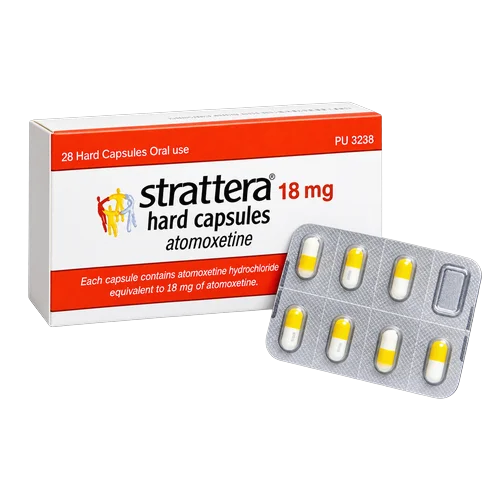
Atomoxetine, the active ingredient of Strattera, is a selective norepinephrine reuptake inhibitor for ADHD. It supports attention, impulse control and activity regulation without acting as a stimulant. Strattera is supplied as oral hard capsules.
How it affects the body
Atomoxetine acts mainly on norepinephrine transporters. It does not produce the rapid central stimulation associated with methylphenidate or amphetamine-based treatments. The clinical aim is steadier signalling in brain regions involved in attention and impulse control.
Norepinephrine signalling
A simple way to understand the mechanism is to picture a signal travelling between two nerve cells. Atomoxetine reduces the speed at which norepinephrine is cleared from that connection, allowing the signal to remain available for longer.
This does not mean ADHD results from one isolated chemical imbalance. Symptoms arise from several biological, psychological and environmental factors. Atomoxetine may improve attention, impulse control and task persistence, while sleep, structure and behavioural support remain relevant.
Non-stimulant treatment profile
Atomoxetine is classified as a non-stimulant ADHD treatment because it does not belong to the stimulant classes used by methylphenidate and amphetamine products.
Formulation
The product form is an oral hard capsule. The supplied presentation contains 18 mg of atomoxetine per capsule.
Active ingredient and pharmacological class
Atomoxetine increases norepinephrine signalling by reducing its reuptake between nerve cells. Reuptake is the process by which a nerve cell clears a chemical messenger after releasing it. By slowing this clearance, atomoxetine allows norepinephrine signals to remain active for longer in relevant brain pathways.[1]
Strattera is not suitable for every person with ADHD. Prescribers consider age, symptoms, cardiovascular health, mental health history, liver function, other medicines and previous treatment response.
ADHD treatment role
ADHD may involve persistent inattention, impulsive behaviour, hyperactivity or difficulties with planning and emotional regulation. Atomoxetine may help reduce these symptoms when prescribed as part of an individual treatment plan.
Medication usually works alongside behavioural strategies, school or workplace adjustments, psychological support and practical routines. Better concentration can make these measures easier to use, but it does not replace them.
Dosage and administration
Strattera is taken by mouth according to the regimen confirmed with a healthcare professional before treatment begins. The correct regimen depends on factors such as age, body weight, liver function, other medicines and tolerability.
Prescribed dose and dose adjustment
The regimen for the chosen capsule strength is confirmed with a healthcare professional before starting. This strength may be used within a clinician-directed titration plan, but it is not an automatic starting dose for every patient.
Children, adolescents and adults can follow different dosing approaches. Do not interpret the prescribed regimen as a universal dose or change treatment independently.
- Take the capsule at the prescribed time each day.
- Swallow it whole with water.
- Do not increase, reduce or stop the dose without medical direction.
- Keep scheduled reviews so symptom response and adverse effects can be assessed.
- Tell the prescriber about liver disease, heart problems, high blood pressure and all other medicines.
Treatment onset and consistency
Atomoxetine does not usually provide the immediate feeling associated with a stimulant dose. Early side effects can appear before the therapeutic benefit, which is one reason treatment is reviewed over time rather than judged after a single day.
Missed doses and administration errors
If a dose is missed, follow the missed-dose instruction provided with the prescribed regimen. Do not double the next dose to compensate.
Common errors include taking two doses after forgetting one, opening the capsule, using leftover capsules from a previous regimen or changing the dosing time repeatedly. A missed dose is usually handled by returning to the regular schedule rather than compensating with an extra capsule, unless the prescriber has given another instruction.
Reasons not to use it
Strattera is not for you if you have had a serious allergic reaction to atomoxetine or another ingredient in the capsule. It is also unsuitable with a monoamine oxidase inhibitor such as phenelzine, or within the required interval before or after such treatment.
A prescriber must review treatment carefully in people with:
- Serious heart or blood-vessel disease
- Uncontrolled high blood pressure
- Narrow-angle glaucoma
- Severe liver impairment
- A history of fainting or significant rhythm disturbance
- Bipolar disorder, psychosis, severe agitation or suicidal thinking
- A previous serious reaction to atomoxetine
Bupropion can inhibit enzymes involved in atomoxetine metabolism and may increase exposure. Serotonin reuptake inhibitors can also affect metabolism or contribute to overlapping psychiatric or cardiovascular effects.
Phenelzine and other monoamine oxidase inhibitors require special caution and are contraindicated with atomoxetine. Desipramine, quinine and celecoxib may also require review because they can influence metabolism, heart rhythm, blood pressure or other treatment risks.
When this is not for you
The medicine is not a general concentration enhancer for people without ADHD. Diagnosis, symptom pattern and medical history guide its use.
Alcohol can worsen tiredness, dizziness, impaired judgement or mood changes. It may also make it harder to recognise whether a new symptom comes from atomoxetine or from drinking.
Caffeine does not automatically make atomoxetine unsafe, but large amounts may worsen jitteriness, palpitations, anxiety or sleep problems. Energy drinks can be easy to overlook when describing caffeine intake.
Possible side effects
Common digestive and energy-related effects
Possible effects include:
- Decrease in appetite
- Nausea and vomiting
- Upset stomach
- Feeling tired
- Dizziness
- Dry mouth
- Headache
- Constipation
Taking the capsule at a consistent time may make it easier to identify whether nausea or tiredness follows the dose. Do not drive, cycle in traffic or operate machinery until you know how dizziness or fatigue affects you.
Mood and sexual effects
Mood swings, irritability, unusual emotional changes and sexual problems can occur. Sexual effects may include reduced libido, difficulty reaching orgasm or erectile difficulties. These symptoms can feel embarrassing, but they are clinically relevant and should be described directly.
Severe mood deterioration, suicidal thoughts, aggressive behaviour, hallucinations or marked personality change require urgent medical attention. Children and adolescents need careful observation for new behavioural or emotional changes, especially during treatment initiation or dose adjustment.
Serious symptoms and medical attention
Confusion is a serious symptom when it is sudden, pronounced or accompanied by agitation, fainting, severe headache, unusual behaviour or other physical changes. Seek urgent medical help for chest pain, fainting, severe palpitations, difficulty breathing, yellowing of the skin or eyes, dark urine, serious allergic swelling or thoughts of self-harm.
Blood pressure and pulse may rise in some patients. A history of heart disease, fainting, uncontrolled hypertension or abnormal heart rhythm should be discussed before treatment starts.

Therapeutic indications
ADHD may involve persistent inattention, impulsive behaviour, hyperactivity or difficulties with planning and emotional regulation. Atomoxetine may help reduce these symptoms when prescribed as part of an individual treatment plan.
Medication usually works alongside behavioural strategies, school or workplace adjustments, psychological support and practical routines. Better concentration can make these measures easier to use, but it does not replace them.
Comparison
Treatment choice depends on age, symptom pattern, cardiovascular factors, sleep, anxiety, tics, substance-use history, coexisting conditions and previous response. Medicines with different active ingredients are not interchangeable at the same dose.
| Treatment category | Main pharmacology | Practical distinction |
|---|---|---|
| Atomoxetine | Selective norepinephrine reuptake inhibitor | Gradual benefit; taken on a regular schedule; monitor appetite, mood, pulse and blood pressure |
| Non-stimulants such as Intuniv or Kapvay | Alpha-2 adrenergic activity | May cause sleepiness, low blood pressure or dizziness; switching requires a planned regimen |
| Stimulants such as methylphenidate or amphetamine products | Increase central catecholamine activity | Often work sooner, but may affect appetite, sleep, pulse, blood pressure or anxiety |
Non-stimulant alternatives
Intuniv contains guanfacine, while Kapvay contains clonidine. Both act differently from atomoxetine and may cause sedation, dizziness or blood-pressure changes. They should not be treated as direct substitutes.
A clinician may consider one of these options when stimulant treatment is unsuitable or when a patient has a clinical feature that makes another mechanism preferable. The choice also depends on the required duration of symptom control and the patient’s daily schedule.
Stimulant treatment categories
Methylphenidate products include Ritalin and Concerta. Adderall XR and Vyvanse belong to amphetamine-based treatment categories. These medicines have different pharmacology, release patterns and monitoring considerations.
A faster onset can be an advantage for some patients. It can also bring appetite suppression, sleep difficulty, increased anxiety or cardiovascular effects. Atomoxetine may offer a different balance, but its gradual onset and possible gastrointestinal or mood effects remain relevant.
Common mistakes
Common patient mistakes
Expecting an immediate stimulant-like effect can lead to premature discontinuation. Side effects and therapeutic improvement may emerge on different timelines.
Other common mistakes include:
- Doubling the next dose after a missed capsule
- Opening or chewing the capsule
- Stopping suddenly without discussing the reason
- Hiding caffeine, supplements or recreational substances from the treatment team
- Assuming a generic substitution always uses the same strength
- Ignoring persistent weight loss, fainting, palpitations or mood changes
- Measuring success only by concentration rather than sleep, appetite, school, work and relationships
What doctors say
In clinical practice, doctors usually set expectations before starting atomoxetine: benefit is gradual, regular dosing matters, and the first response may be incomplete. A prescriber also checks whether ADHD symptoms are affecting school, work, driving, relationships or daily organisation.
A physician would usually review cardiovascular history, mental health symptoms, appetite, sleep and other medicines before adjusting the regimen. Blood pressure and pulse become more relevant when there is a personal or family history of heart disease.
Doctors also distinguish treatment failure from poor tolerability. Nausea, dizziness or fatigue may improve, persist or require a change in treatment. Stopping because of a difficult early symptom without reporting it can remove the opportunity to adjust the plan safely. The clinician can then compare symptom control with adverse effects. That comparison supports a safer decision about continuing, adjusting or changing treatment.
Common questions
Do you offer anonymous delivery?
Your order will be securely packed and shipped within 24 hours. This is exactly what your package will look like (images of an actual item sent). It has the size and look of a regular private letter (24x11x0.7 cm) and its contents cannot be seen.
Sources
- Health Canada (2024). Canadian Product Monograph: Strattera (atomoxetine hydrochloride) capsules.
How Buyers Rate Strattera
Based on 3 reviews
Strattera helped me stay with paperwork instead of switching between tasks every few minutes. After a few weeks, workdays felt more manageable and I was satisfied with the change. The regular capsule schedule fitted my routine.
Victoria A few weeks Nov 9, 2026I found it easier to finish ordinary jobs and keep track of appointments after the treatment had time to build its effect. The change was practical rather than dramatic, but it made daily planning less frustrating. I was pleased with the result.
Windsor Oct 11, 2026